

Durable Backpacks
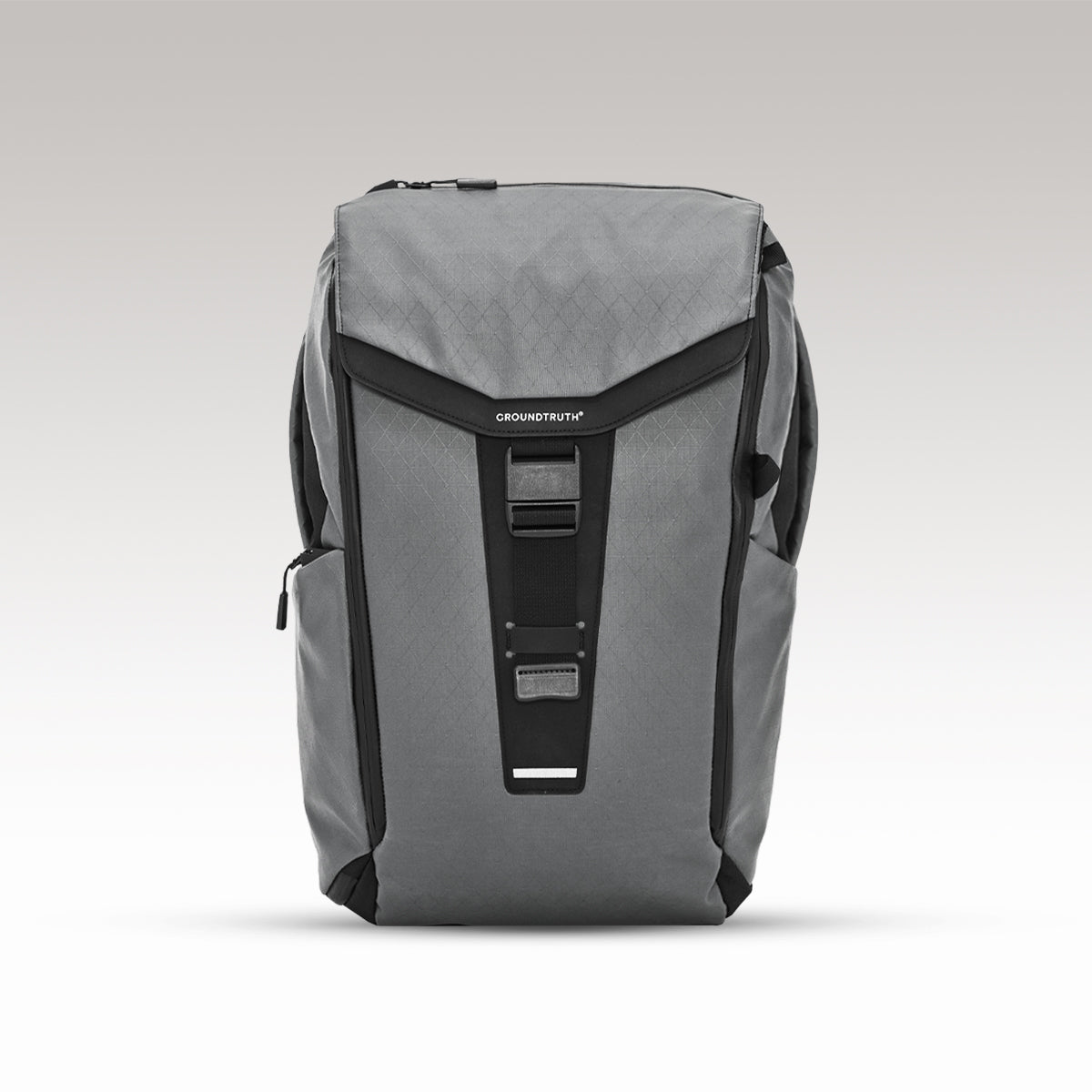
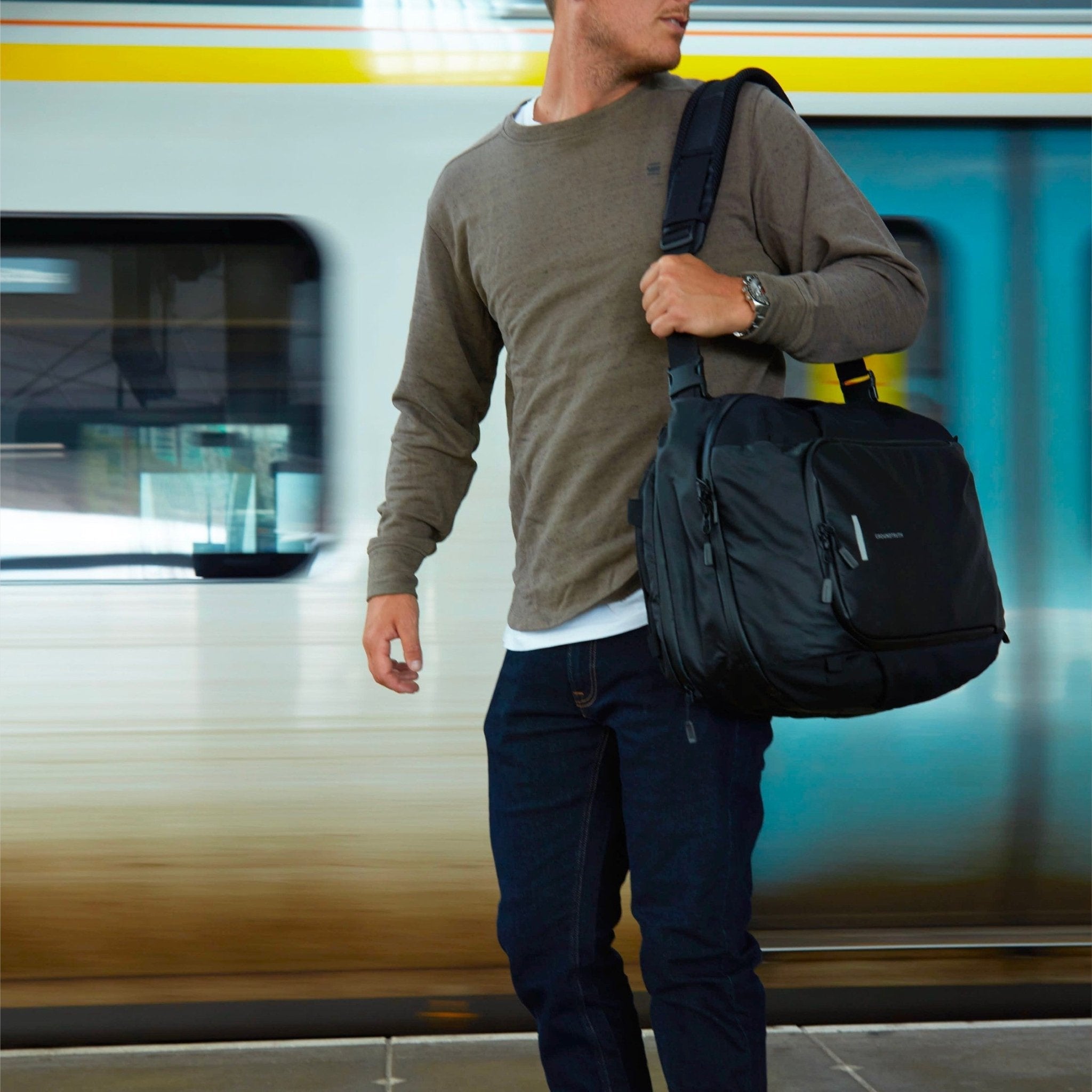
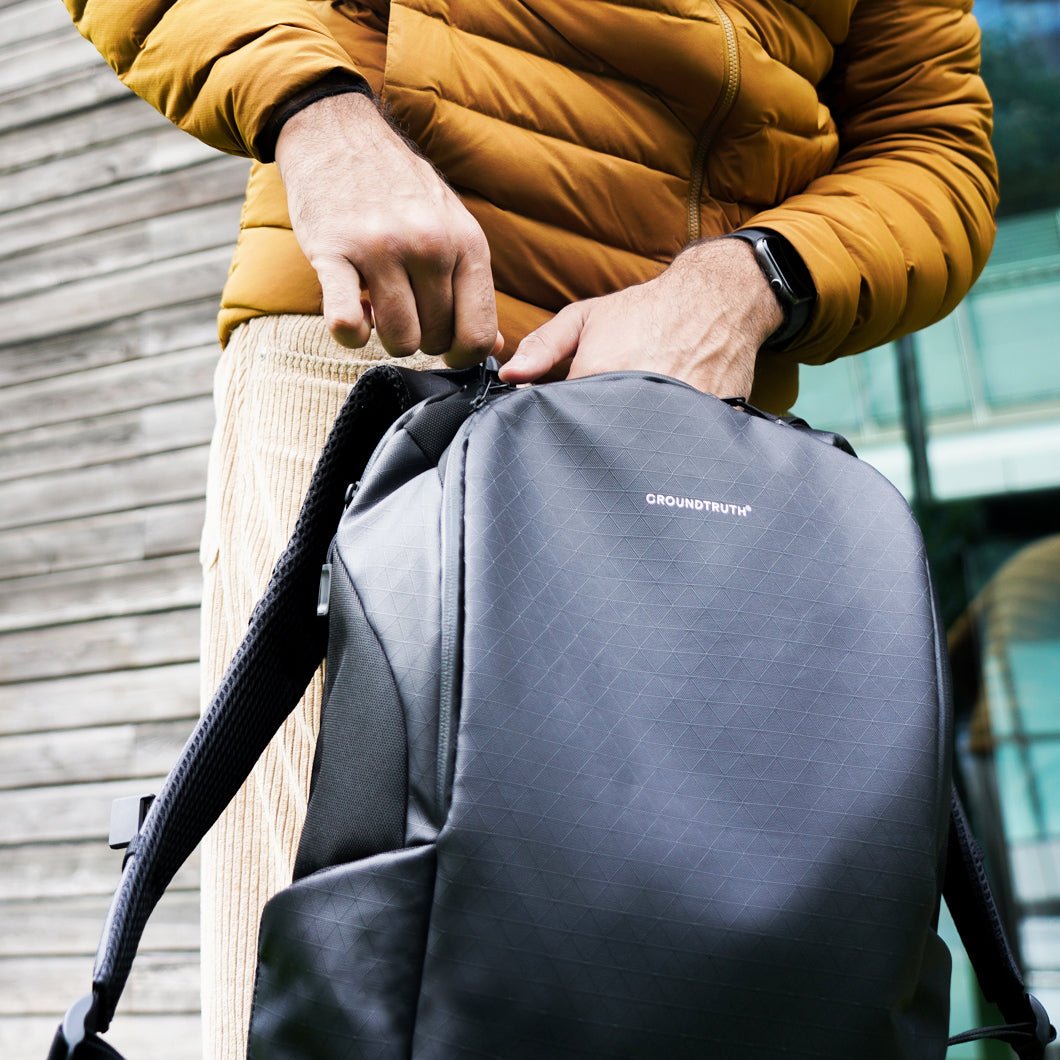
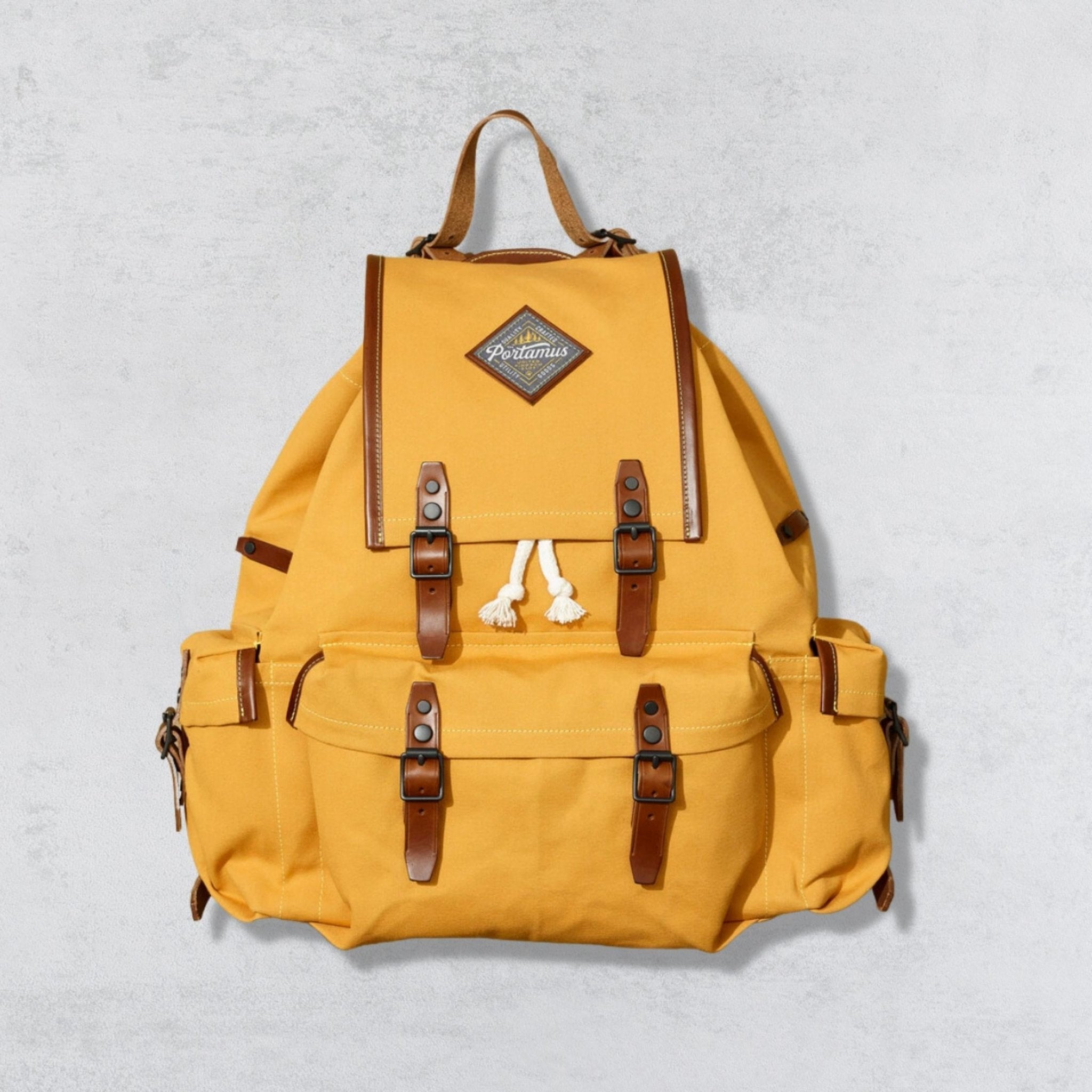
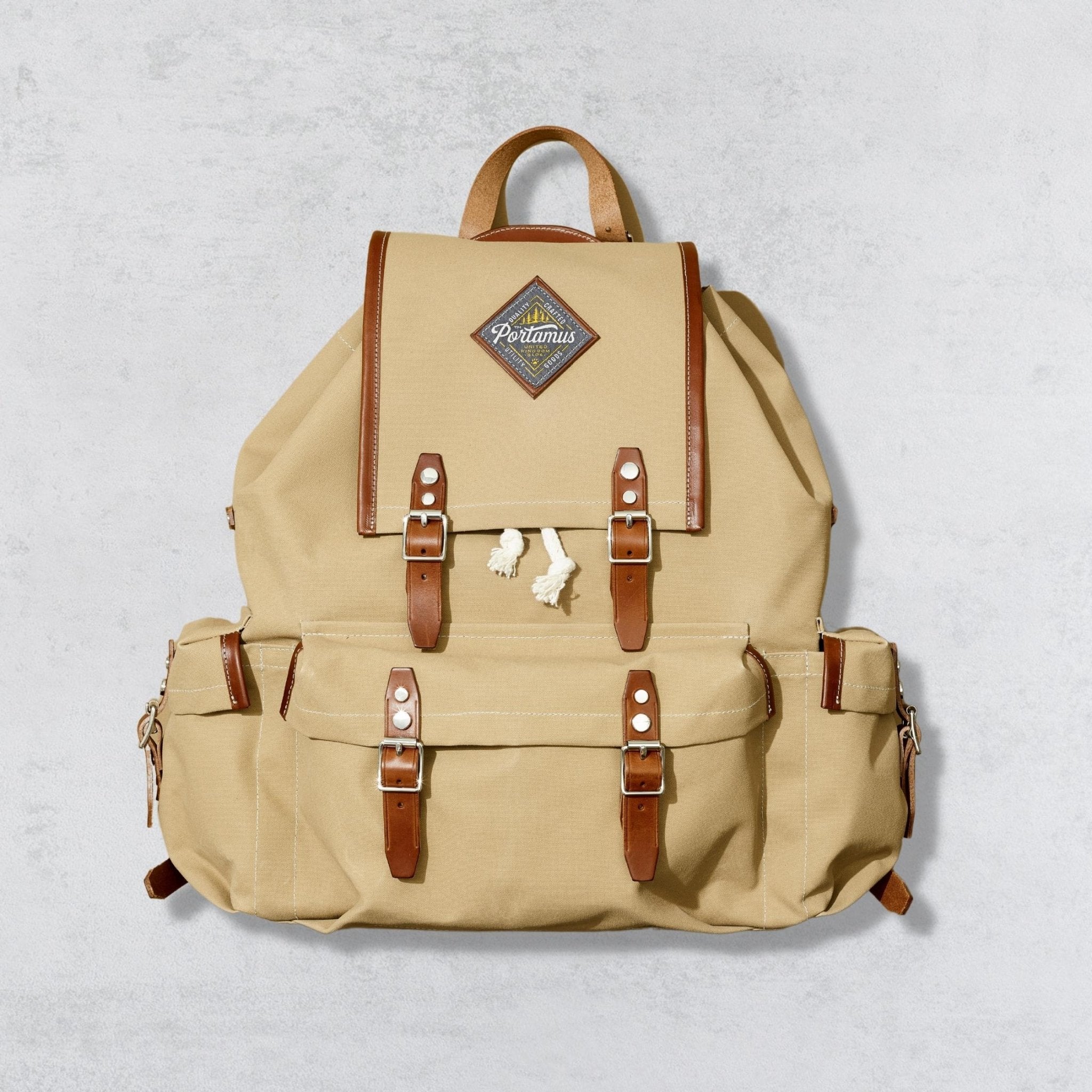
Backpacks that hold up, wherever you’re headed. This collection’s full of dependable bags made from tough, thoughtful materials – including recycled fabrics and rugged natural fibres. Built for daily graft, weekends away, and everything in between. With smart compartments, comfy straps and weather-resistant finishes, they’re designed to be used hard and last well. Easy to carry. Easy to rely on.
Backpack FAQs
What are the longest-lasting backpack brands on the market?
The longest-lasting backpack brands use rugged materials and offer solid repair or warranty support. Think high-denier nylon, waxed canvas, or recycled sailcloth - tough stuff built to take a beating. Many top outdoor brands include lifetime guarantees or repair services, and some even test seams under pressure and zips in bad weather. If durability’s your bag, explore brands with replaceable parts and stress-tested load ratings. Curious how we check the claims? Here’s how we find the most durable buy-it-for-life products.
How do I properly clean and care for my backpack?
To clean and care for your long-lasting backpack, brush off dirt and spot-clean with mild soap and water. For a deeper wash, soak it in lukewarm water, then hang it up to air dry - not near a radiator, and definitely not in the machine. Check straps and zips now and then, and store it somewhere dry to avoid mould. A bit of TLC goes a long way and keeps your backpack going strong. Need more tips? Try our care and repair guide.
What’s the best way to pack a backpack for a hiking trip?
The best way to pack a hiking backpack is with weight balance and comfort in mind. Keep heavier items (like your stove or food) mid-height and close to your back. Tuck lighter bits like layers or a map at the top for quick access. Sleeping bags and other bulky-but-light items belong at the bottom. Side pockets are handy for water bottles and snacks. Use compression straps to snug everything down - nothing worse than a wobbly pack halfway up a hill.
How should I attach a sleeping bag to my backpack?
To attach a sleeping bag to your backpack securely, use the built-in loops or compression straps at the base - most hiking packs come prepared. If yours doesn’t, pop the bag into a waterproof stuff sack and use straps or carabiners to fasten it underneath or on top. Keeping it low helps balance the load, especially on rough ground. And yes, it keeps the mud off too - always a bonus.
What size backpack is best for travel or commuting?
The best backpack size for travel or commuting sits between 20–45L, depending on your routine. For daily commutes, 20–30L fits your laptop, lunch, and a spare jumper nicely. Weekend break? A 30–45L pack often fits in overhead lockers. Choose one with padded straps, water resistance, and good compartments. If you’re walking or cycling, a chest or waist strap distributes weight better - your back will thank you. Browse our travel bags for long-lasting picks.
Can I repair a damaged backpack instead of replacing it?
Yes, you can repair a damaged backpack instead of replacing it - especially if it’s well-made to begin with. Frayed seams, loose straps, and jammed zips are often fixable at home or via a repair service. Many brands offer replacement clips or webbing, and some even throw in lifetime guarantees. Repairing extends your backpack’s life and spares yet another bag from landfill. Want to dig deeper? See our guide on the right to repair movement.
Are there ethically made backpacks with robust warranties?
Yes, there are ethically made backpacks with robust warranties, and they’re usually built to last. These brands favour sustainable materials, fair labour, and repairable designs you can rely on. Look out for certifications like GOTS or Fair Trade, and check the small print - many offer 10-year guarantees or lifelong repairs. Some brands even sell spare parts to keep your pack adventuring. Curious? Our buy-once backpacks make a great place to start.
