
Home & Kitchen Heroes
Reliable home and kitchen essentials that hold up over time. No more flimsy pans or chipped plates. This collection brings together well-made cookware, appliances and everyday tools that feel good in your hands and get the job done. Built to last, and better to live with.








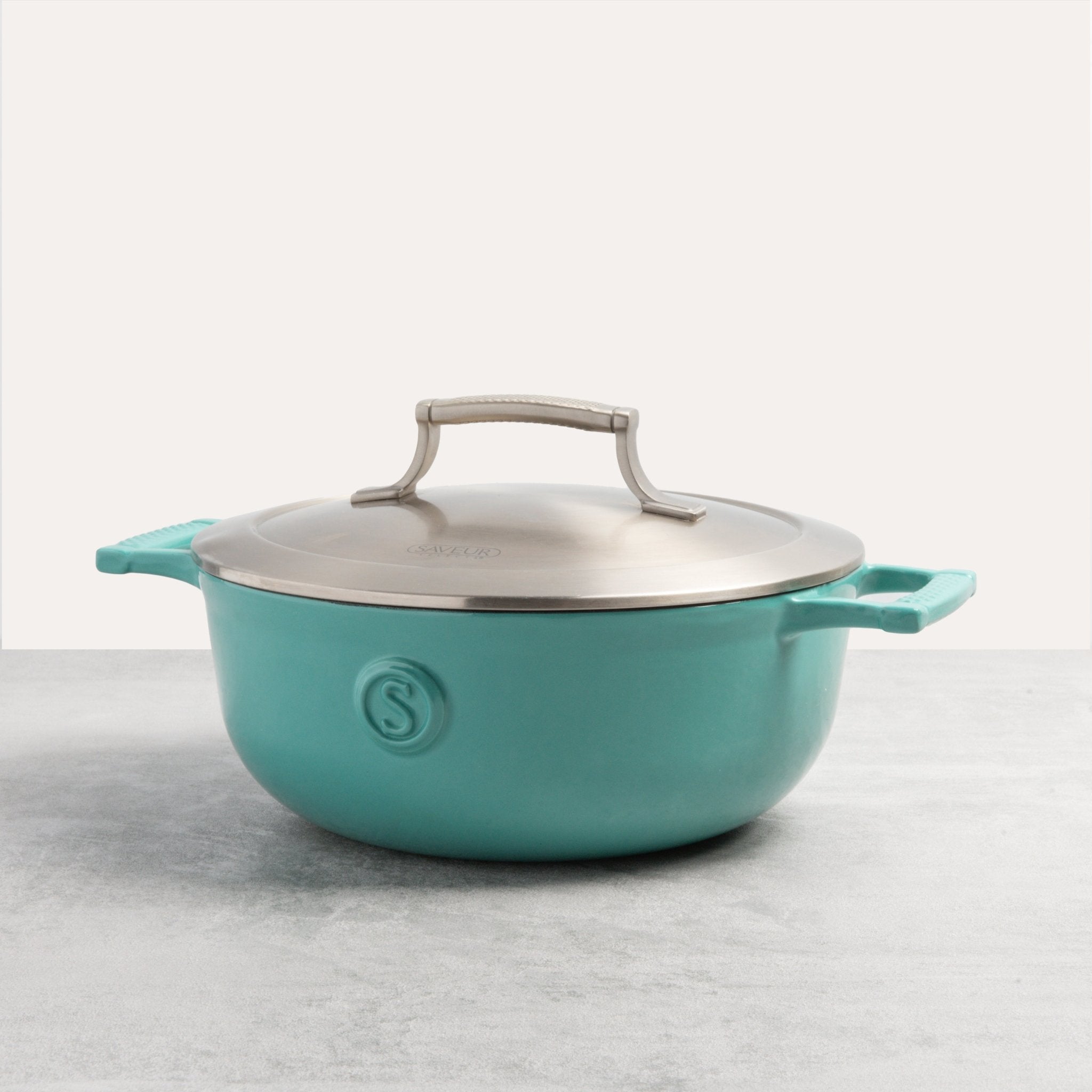
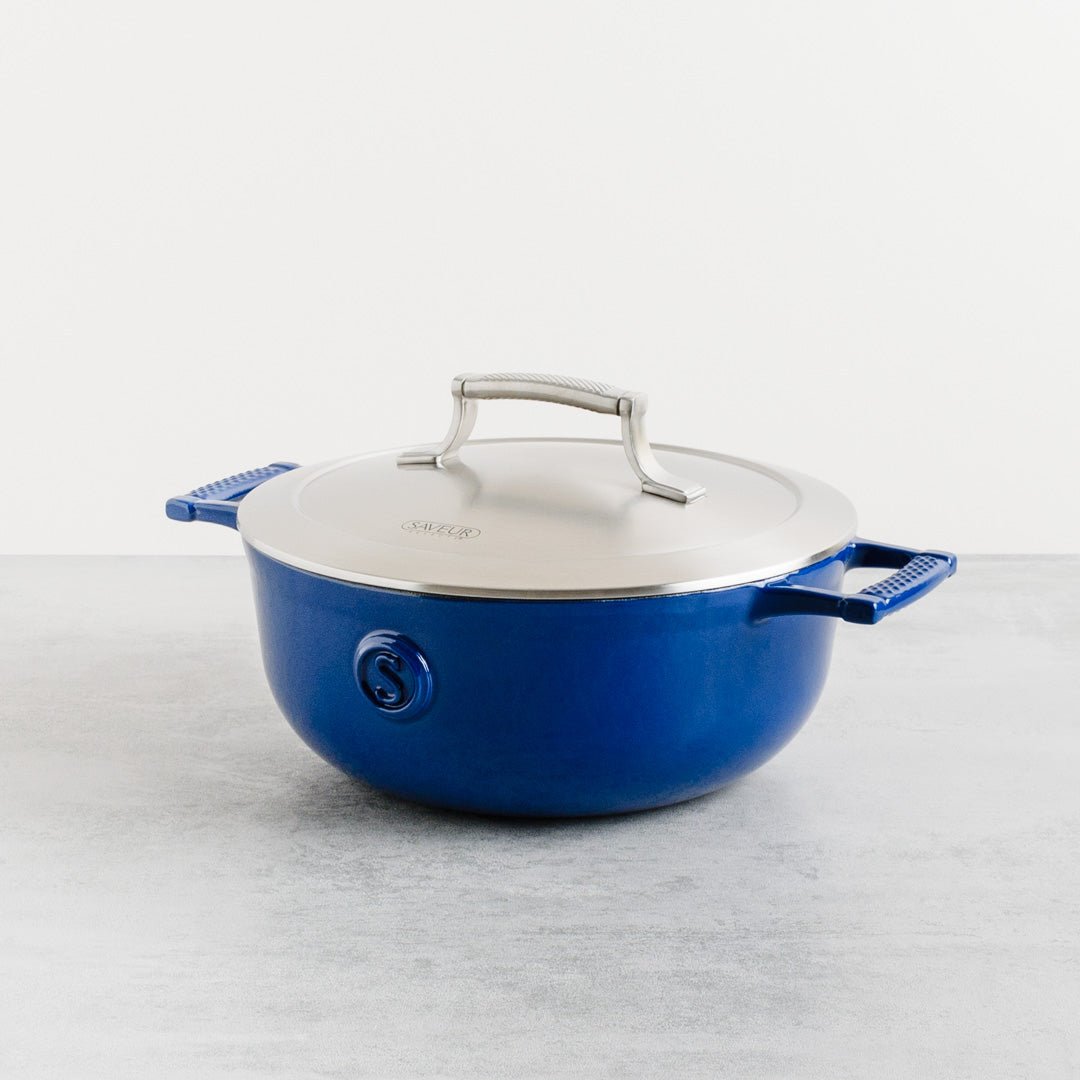
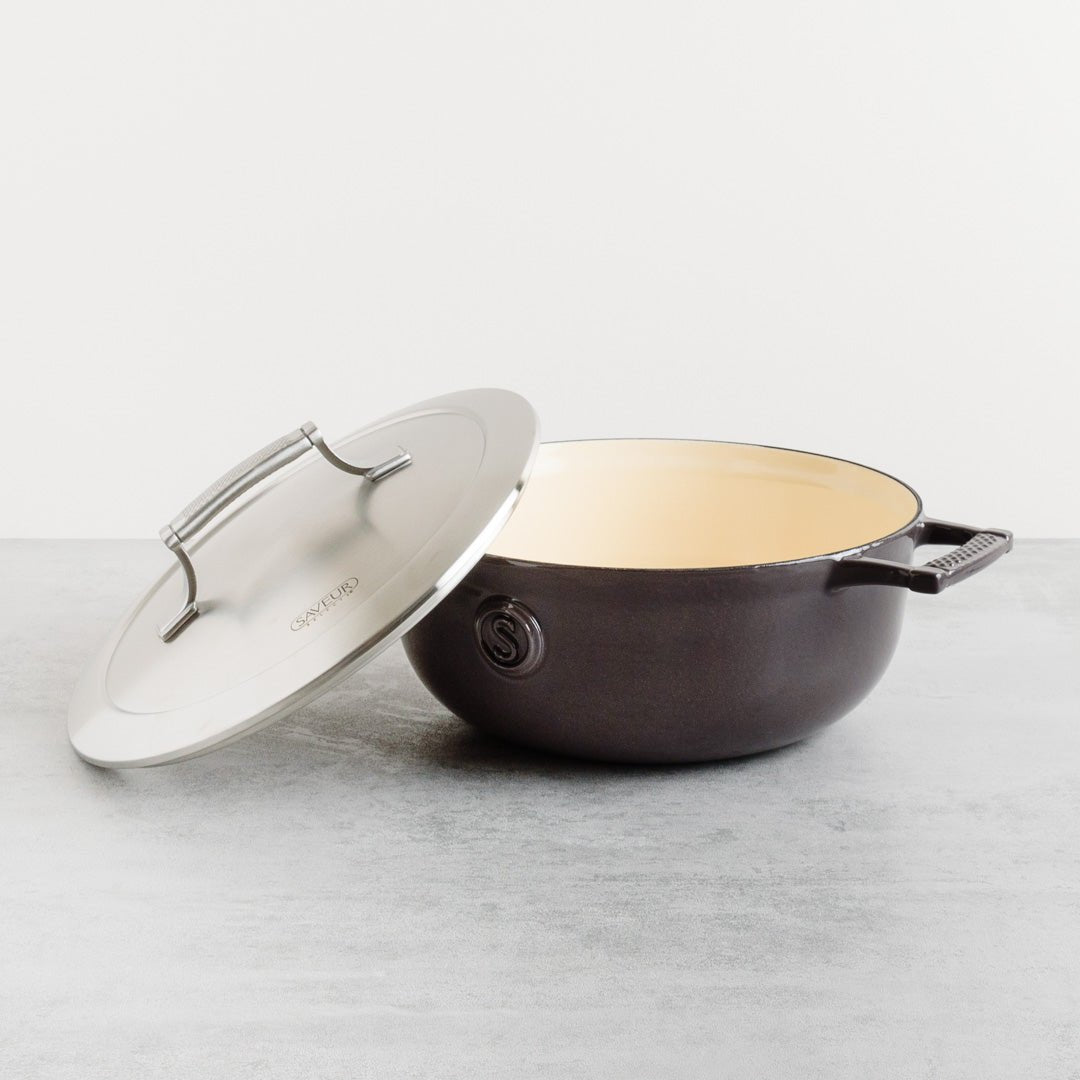












Durable Cookware FAQ: Long-Lasting Pots & Pans
Which are the most durable cookware and kitchen tools available?
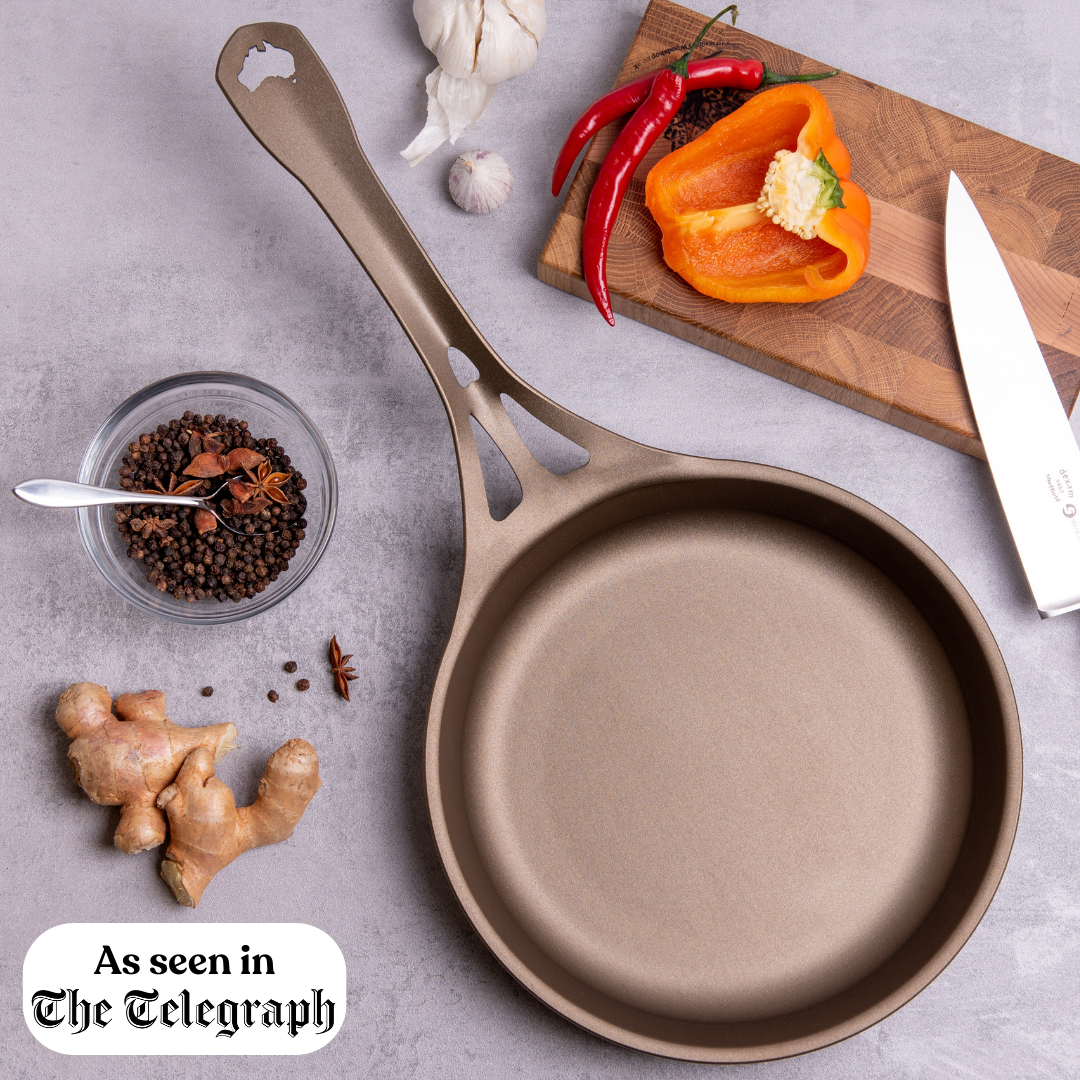
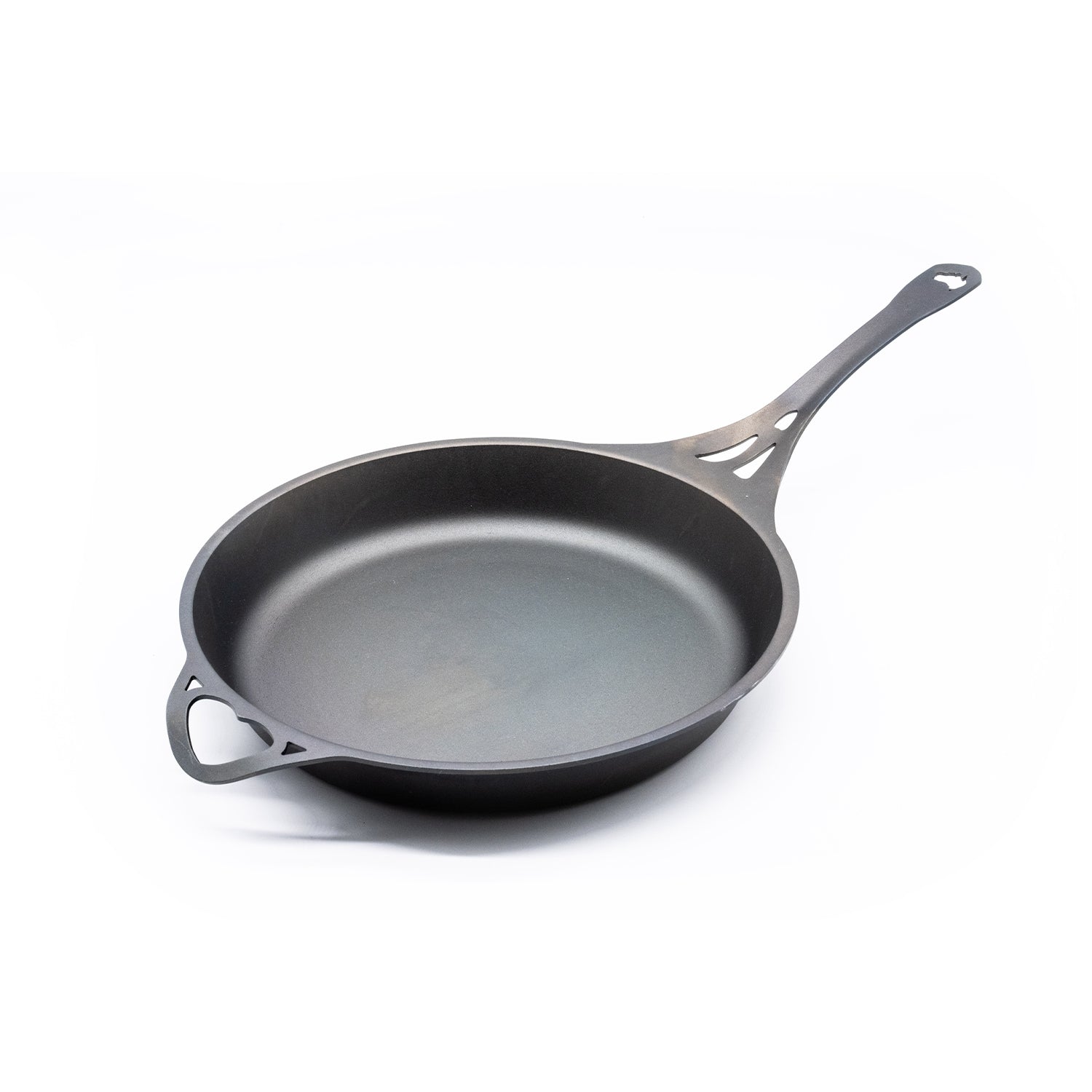
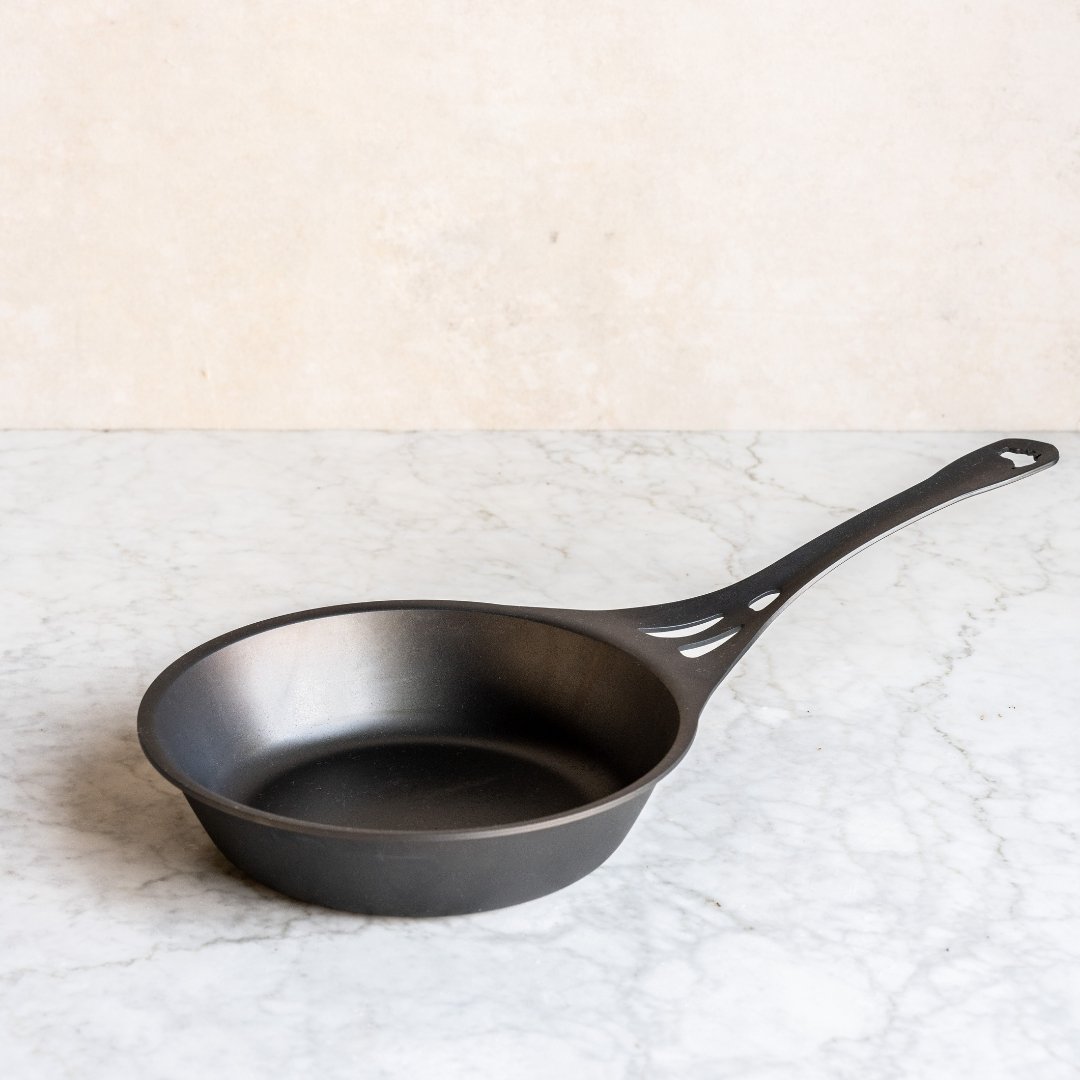
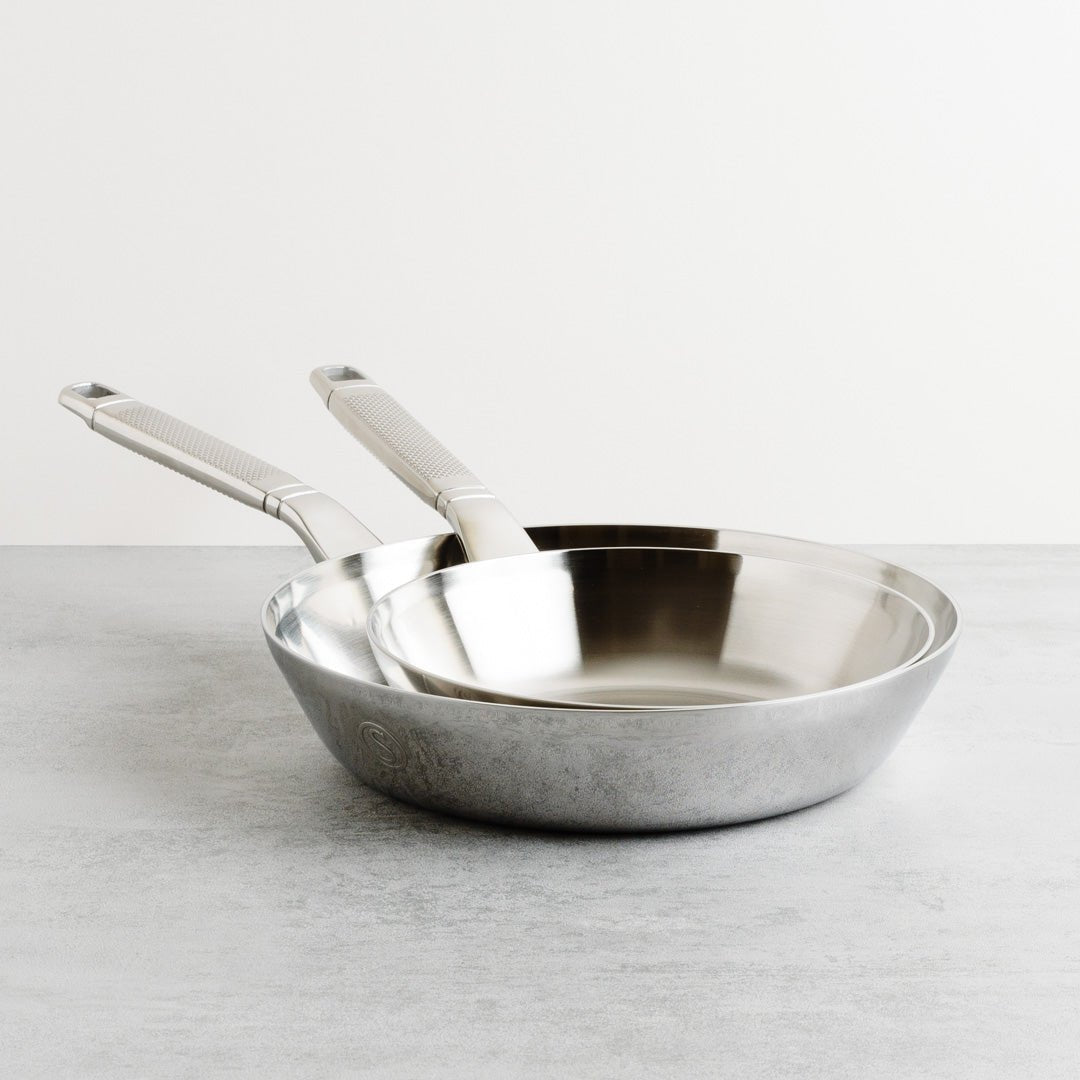
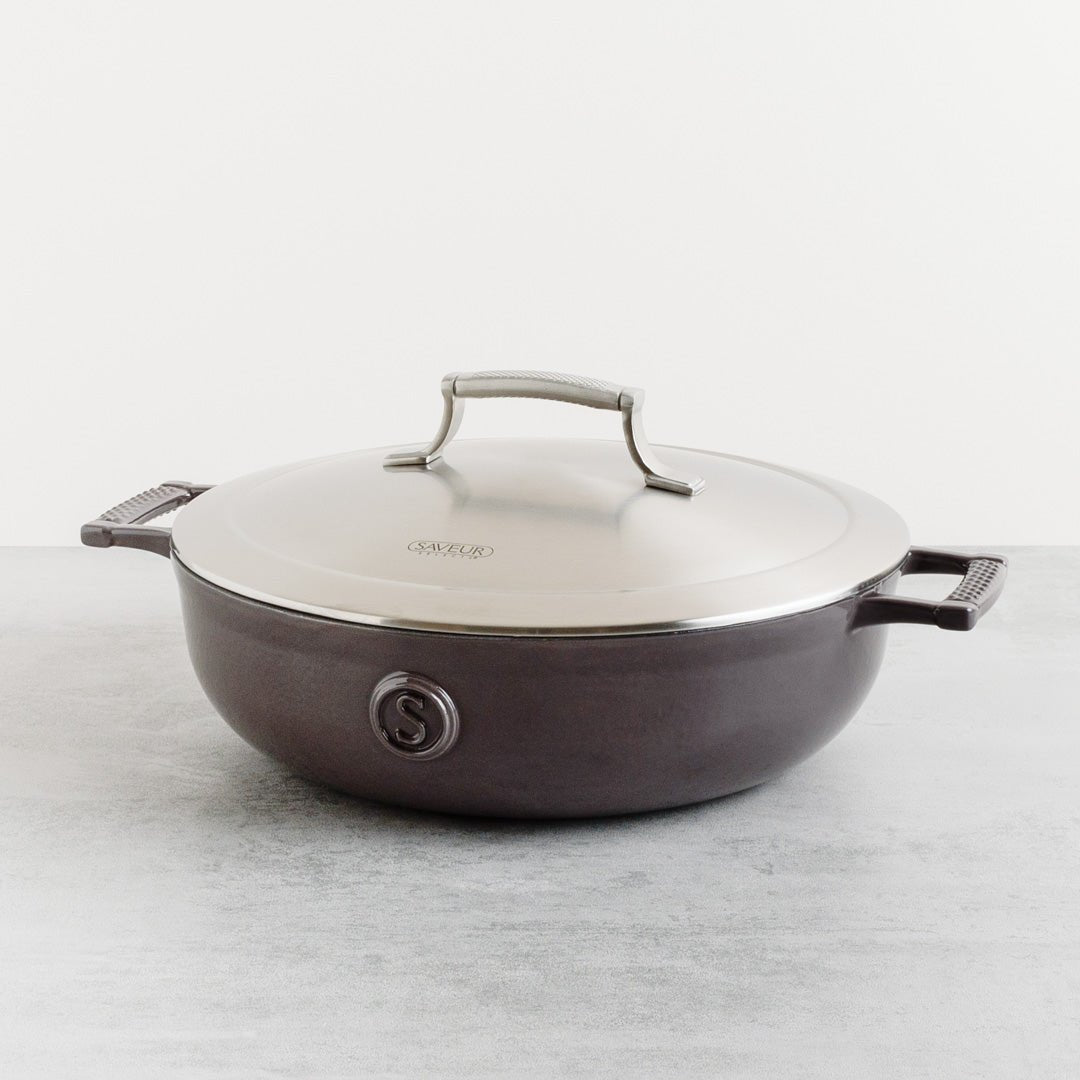
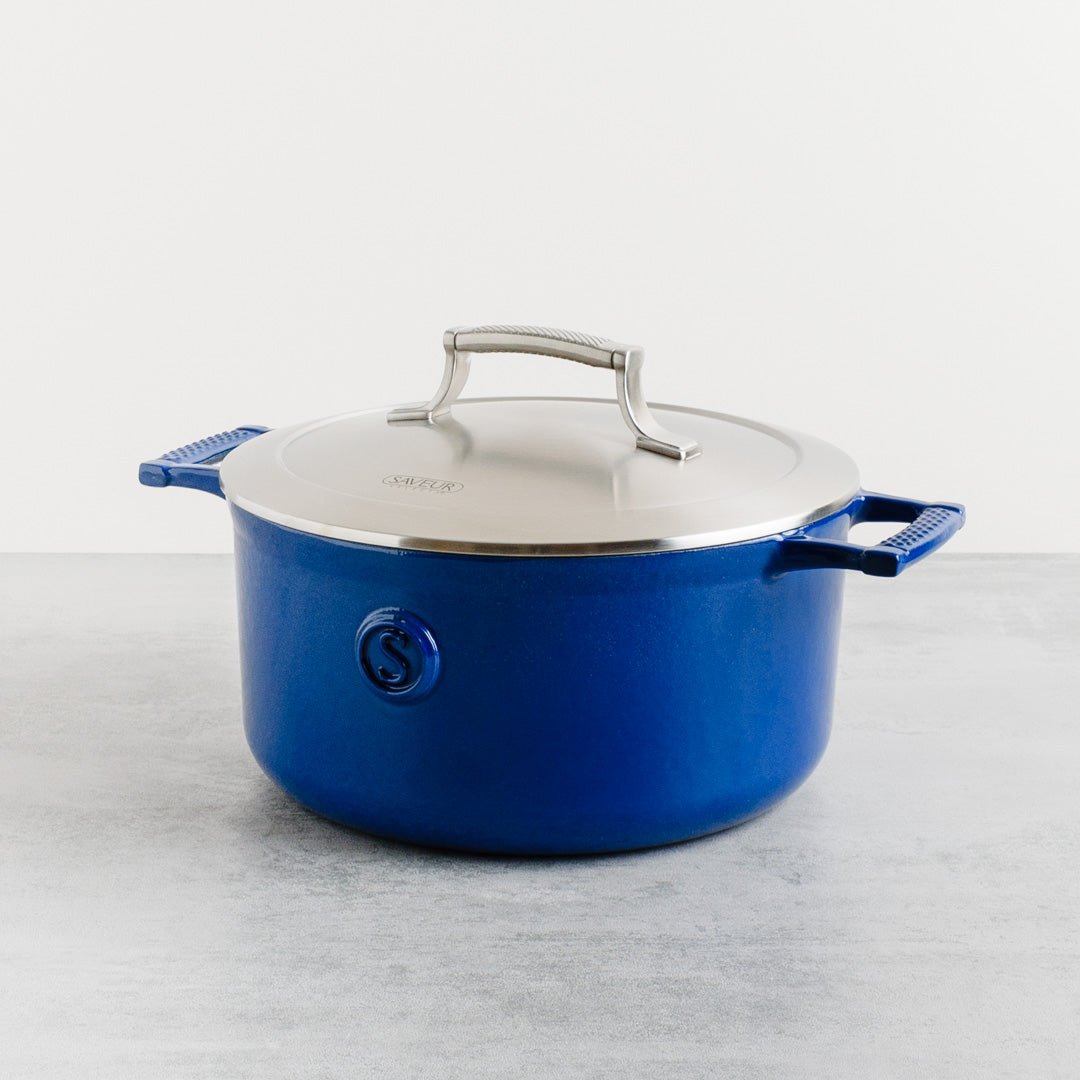
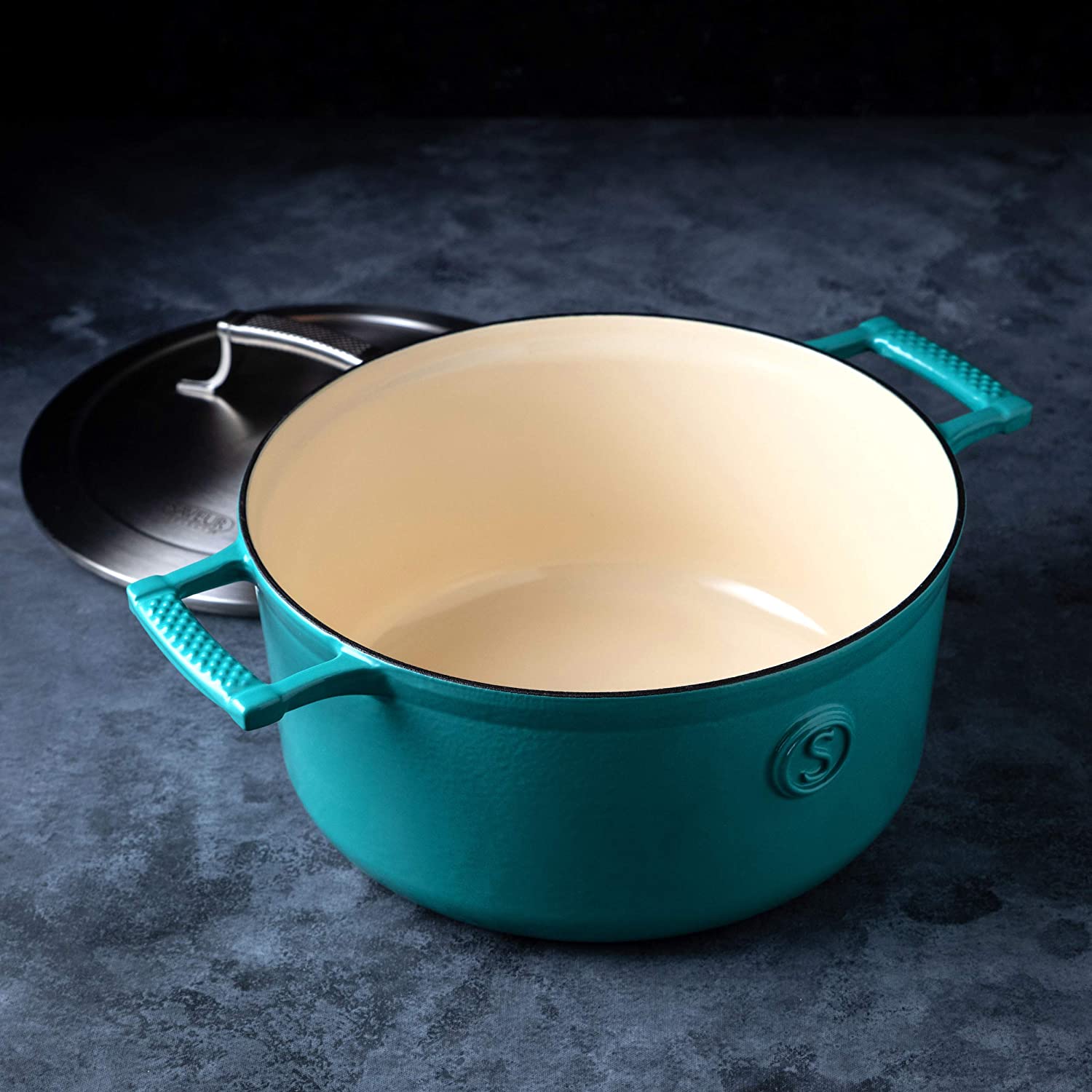
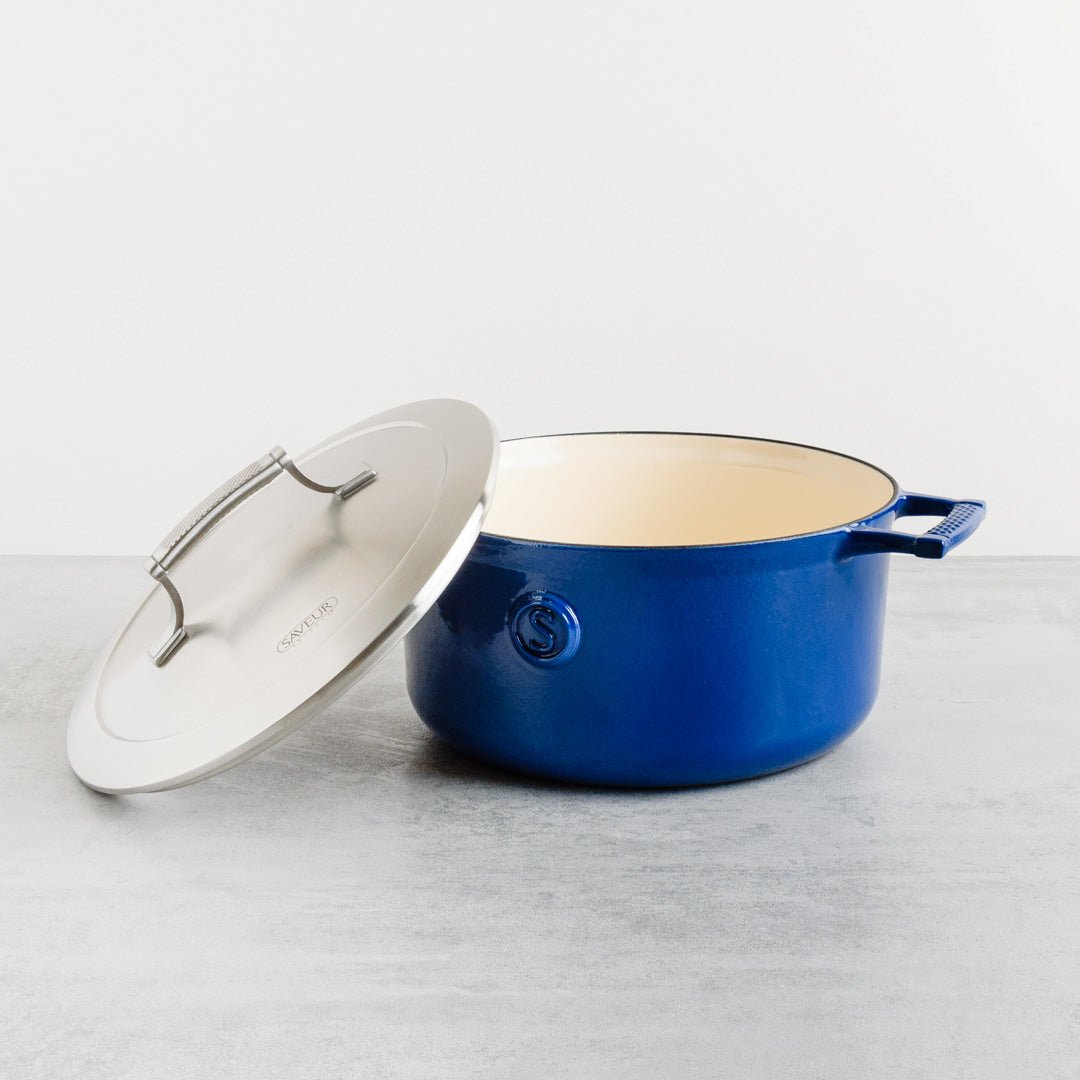
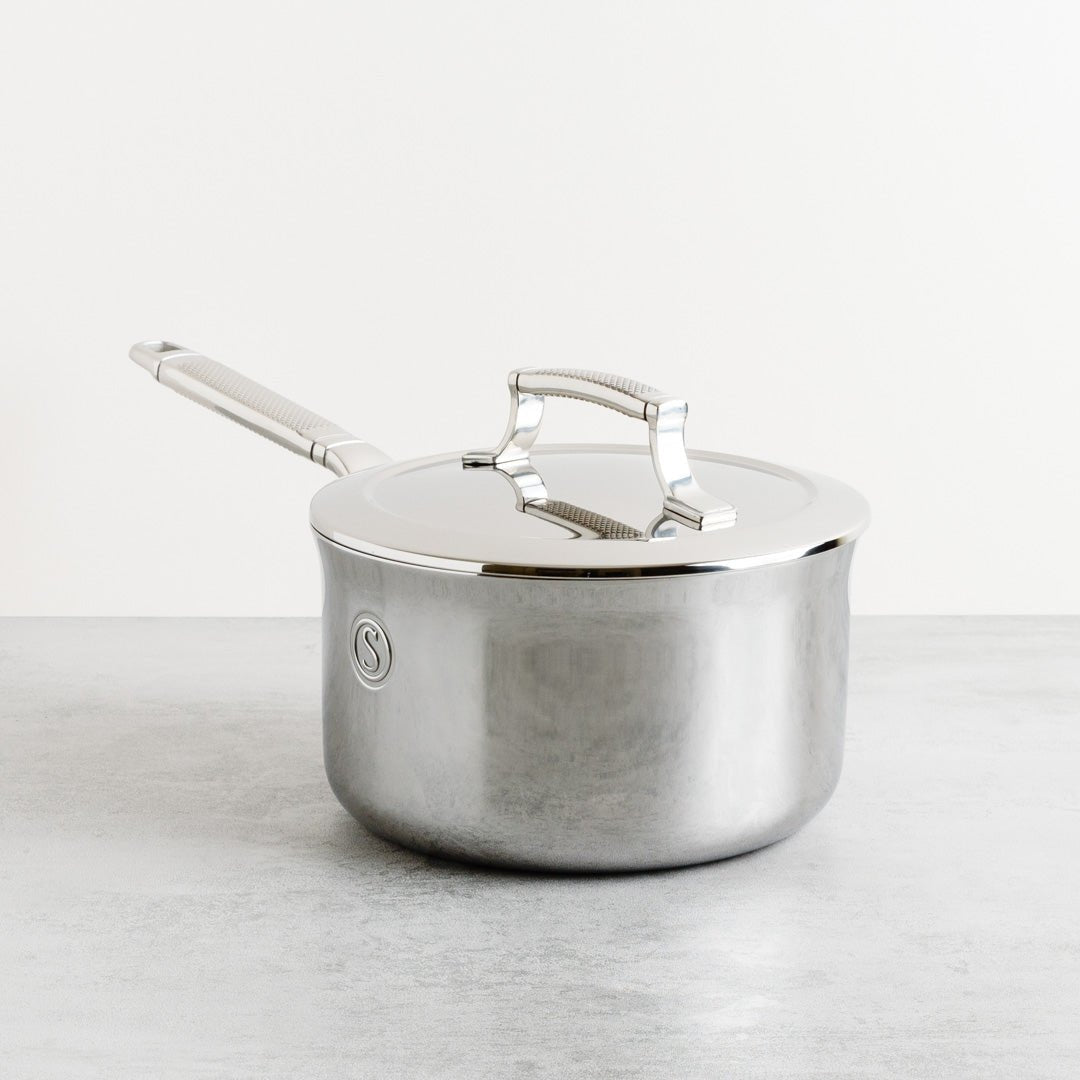
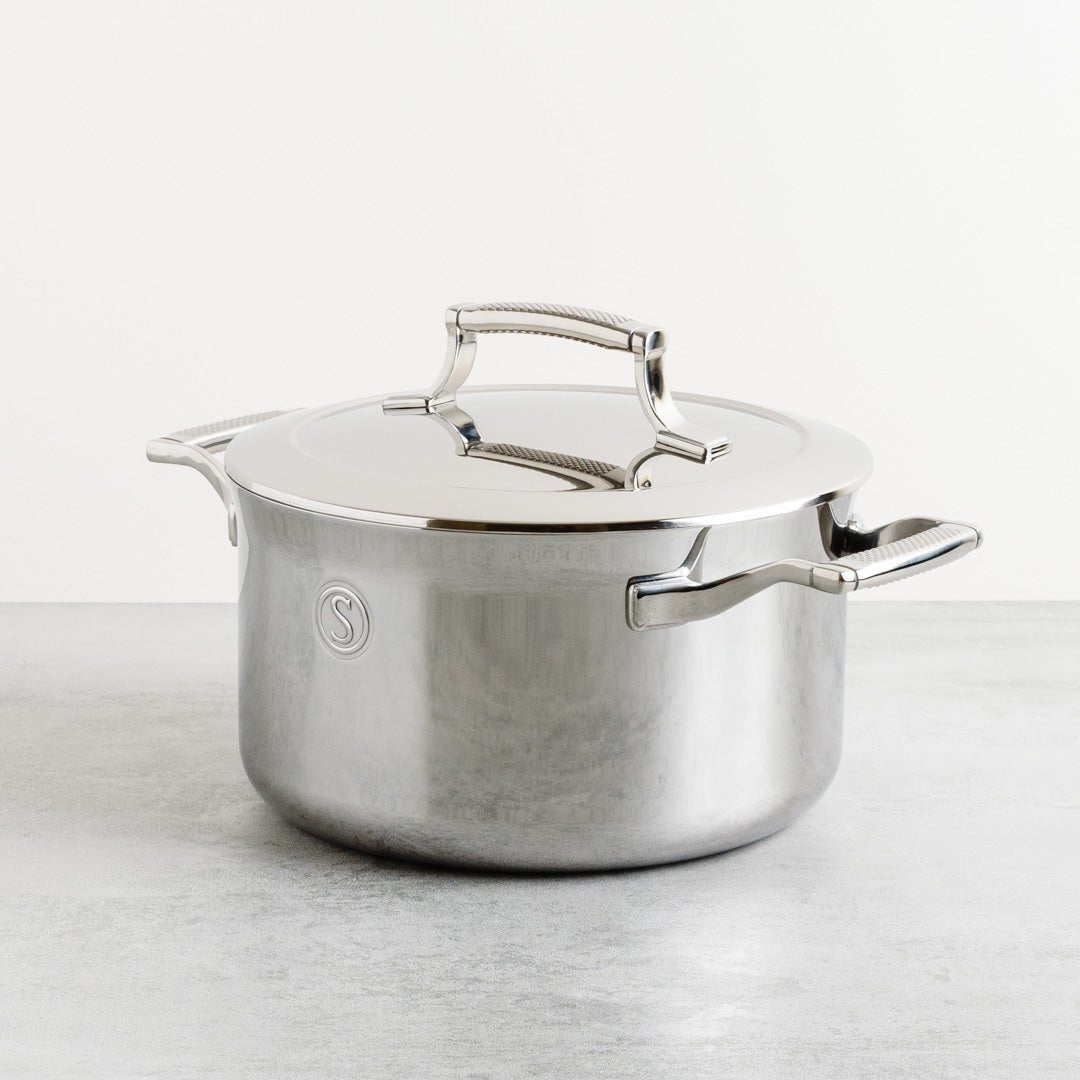
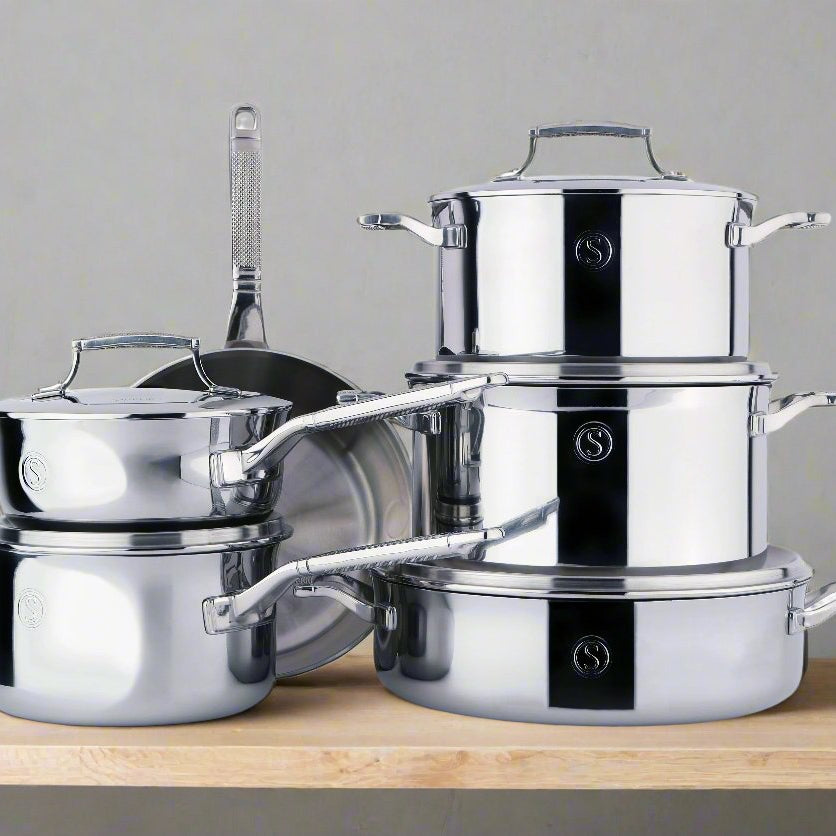
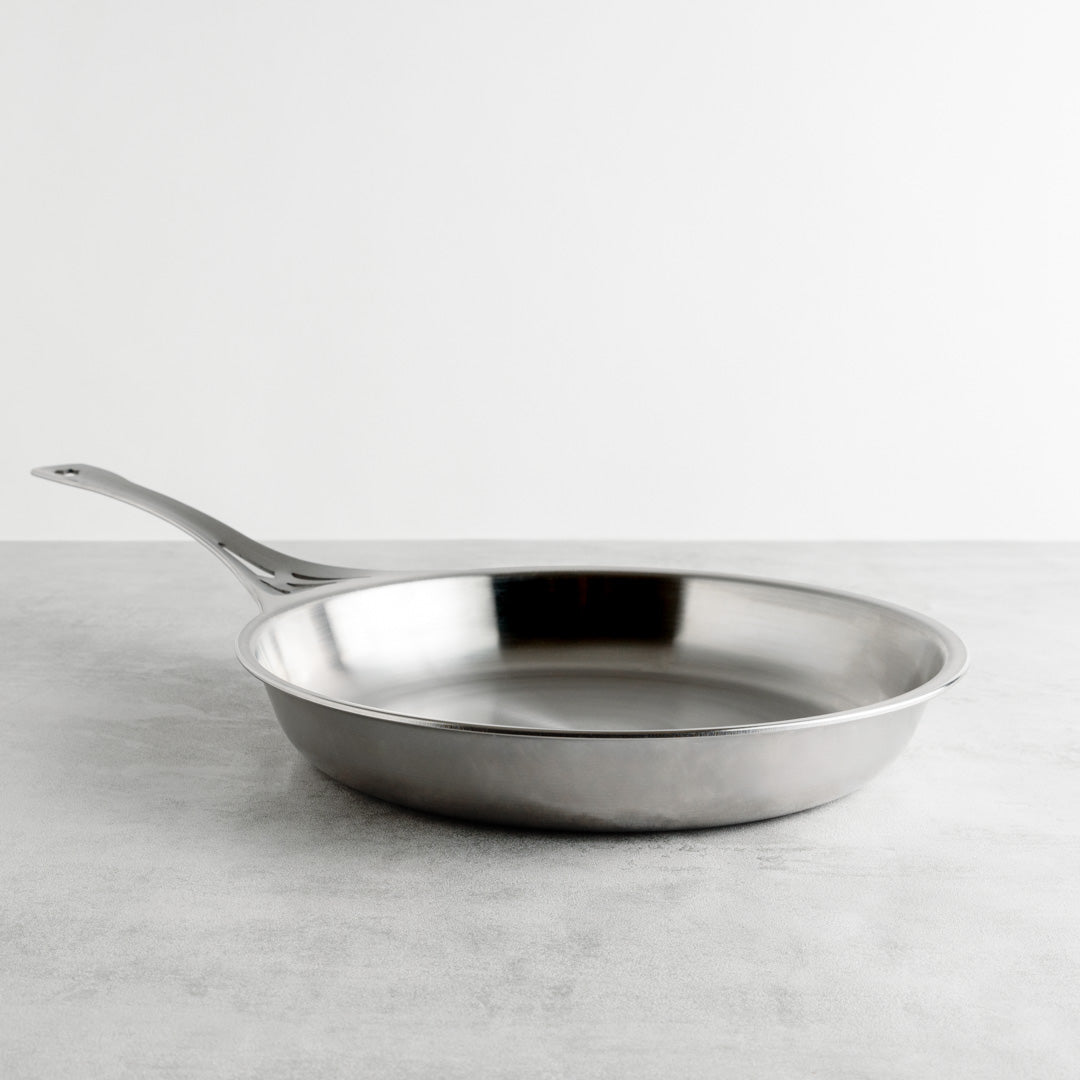
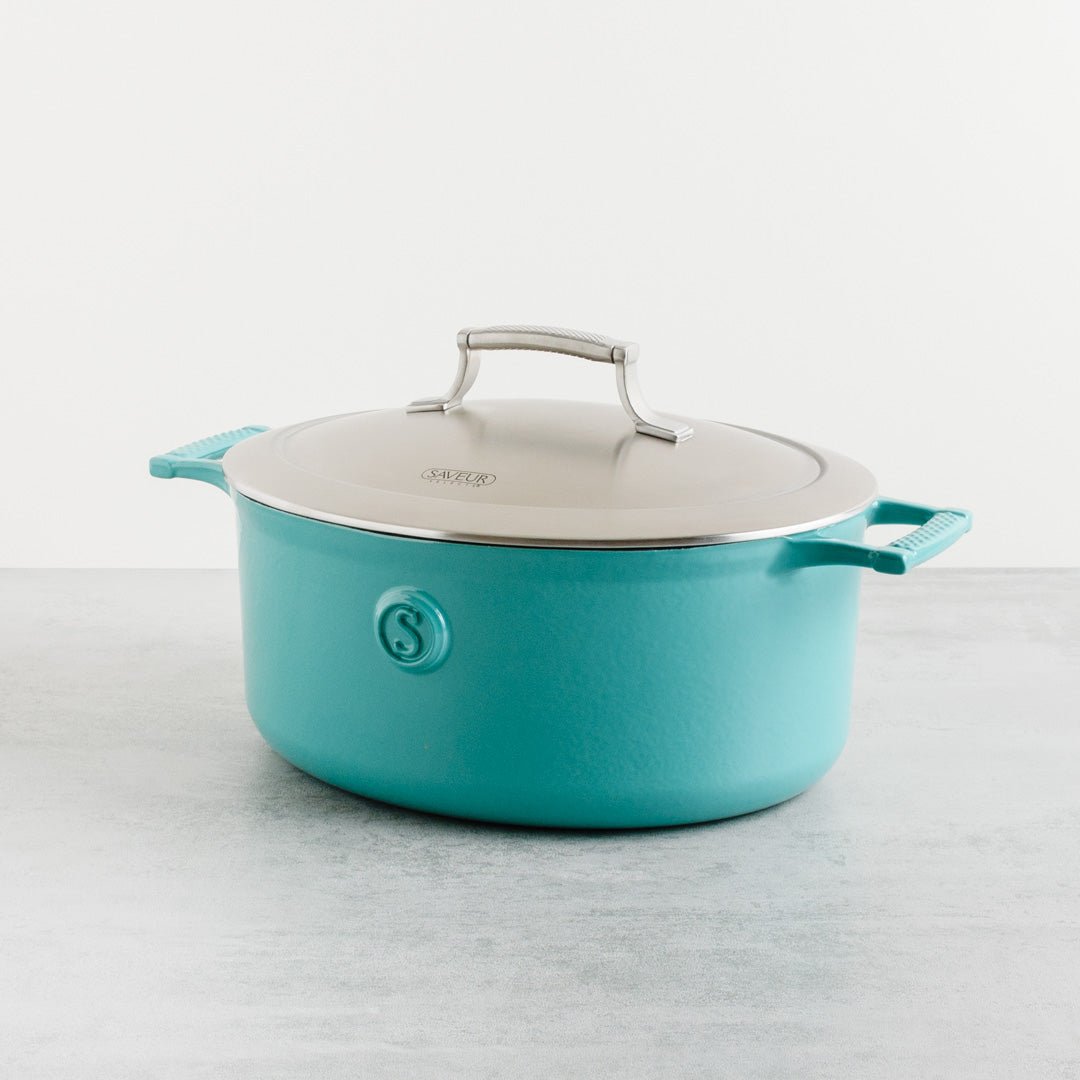
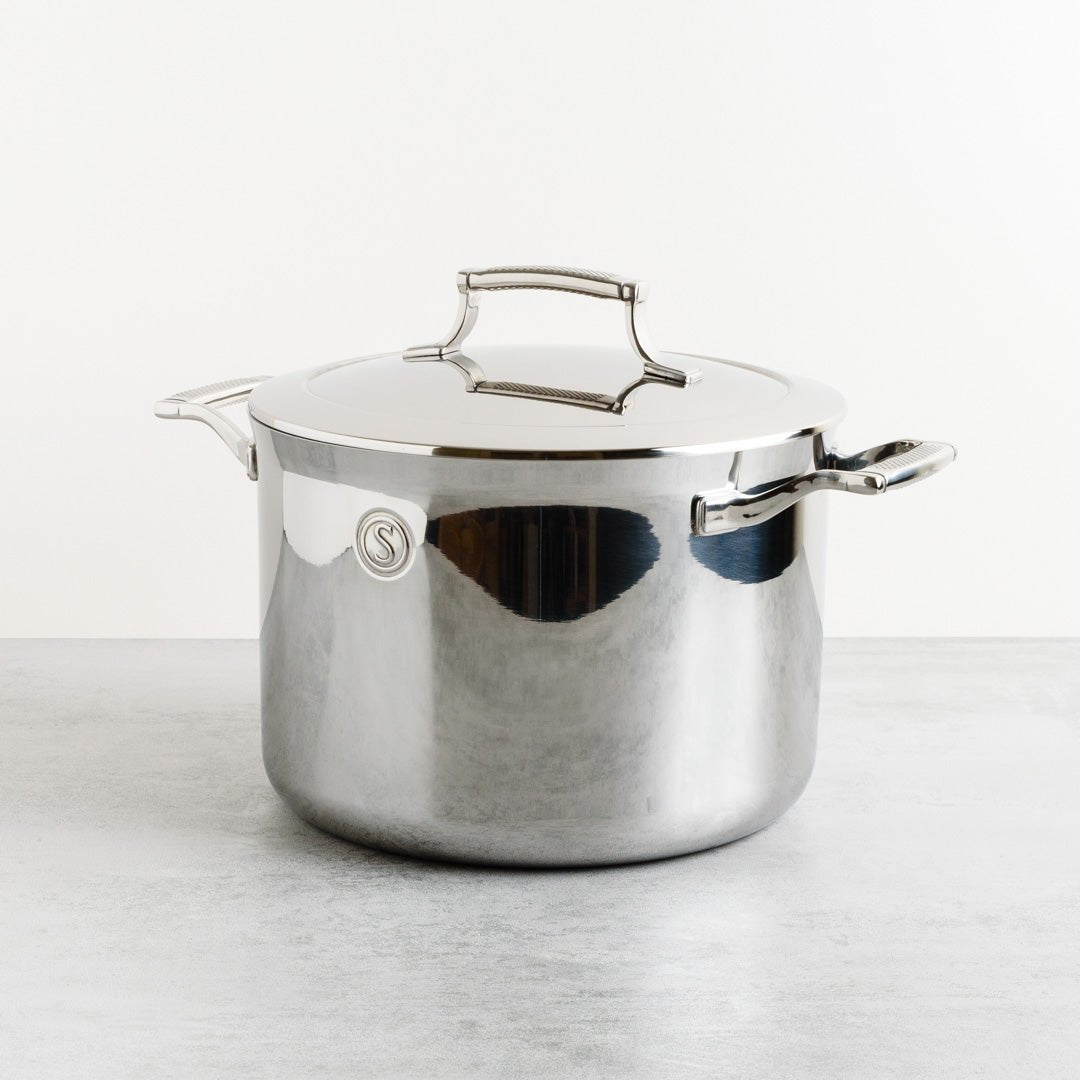
The most durable cookware and kitchen tools are made from cast iron, stainless steel or carbon steel, all known for their long-lasting strength. These materials handle high heat and tough daily use without flinching. Choose designs with thick bases and welded or one-piece handles for extra resilience. Tools with fewer joints tend to last longer too. Many premium brands even offer lifetime guarantees or parts you can replace. Learn more about our research process here.
How should I care for cast iron or stainless steel cookware?
For a long-lasting cooking surface, cast iron and stainless steel need mindful but easy care. Cast iron likes a hand wash, a quick dry, and a wipe of oil to keep its seasoning in top nick. Stainless steel can handle the dishwasher, though hand-washing helps it stay shiny and smear-free. Avoid anything too scratchy on either. With this gentle approach, your pans can thrive for decades - many do sterling service in pro kitchens.
What types of cookware are compatible with induction hobs?
The best cookware for induction hobs features a magnetic base - usually stainless steel or cast iron. Aluminium and copper pans won’t work unless they’ve got a bonded magnetic layer underneath. A quick magnet test on the base will tell you. Sturdy pans with flat bottoms also give the best heat transfer and durability. Many top-quality pots now state ‘induction compatible’ right on the packaging, so no guesswork needed.
Is ceramic or non-stick cookware safe to use long term?
Ceramic and non-stick cookware can be safe for long-term use if treated gently and replaced when they start to wear. Non-stick coatings can degrade with high heat or metal tools, making them less durable. Ceramic is often sold as a natural option, but it can still chip or lose performance. If you're after long-term reliability and safety, go for cast iron or stainless steel. Explore our durable cookware collection for the longest-lasting choices.
How do you clean burnt-on food from stainless steel pans?
To clean burnt-on food from stainless steel pans, simmer hot water with a splash of washing-up liquid right in the pan. This helps lift stuck bits with less elbow grease. For stubborn patches, try a baking soda paste and a soft sponge. Skip the steel wool - too scratchy by half. Unlike non-stick options, stainless steel can take a bit of effort (and still look dashing afterwards). It’s built to weather the odd kitchen disaster.
What’s the best way to season a cast iron skillet?
The best way to season a cast iron skillet is to rub it with a thin layer of oil (flaxseed or vegetable works well), then bake it upside down at 200°C for about an hour. Let it cool down in the oven. This seals the surface and builds a natural non-stick layer. Re-season now and then, especially after a good scrub. With this care, your skillet only gets better - like an old friend who cooks brilliantly.
Do professional chefs prefer certain types of cookware?
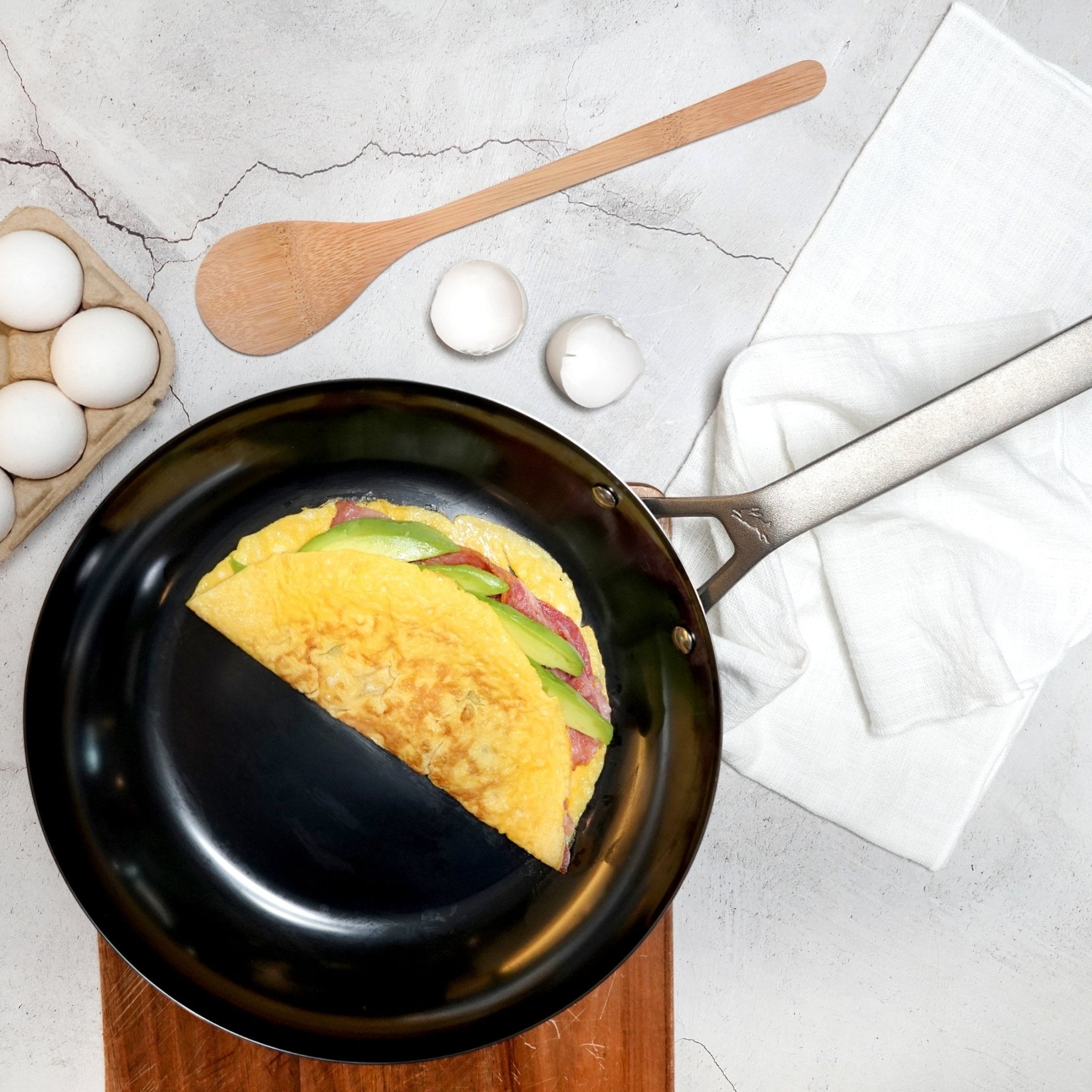
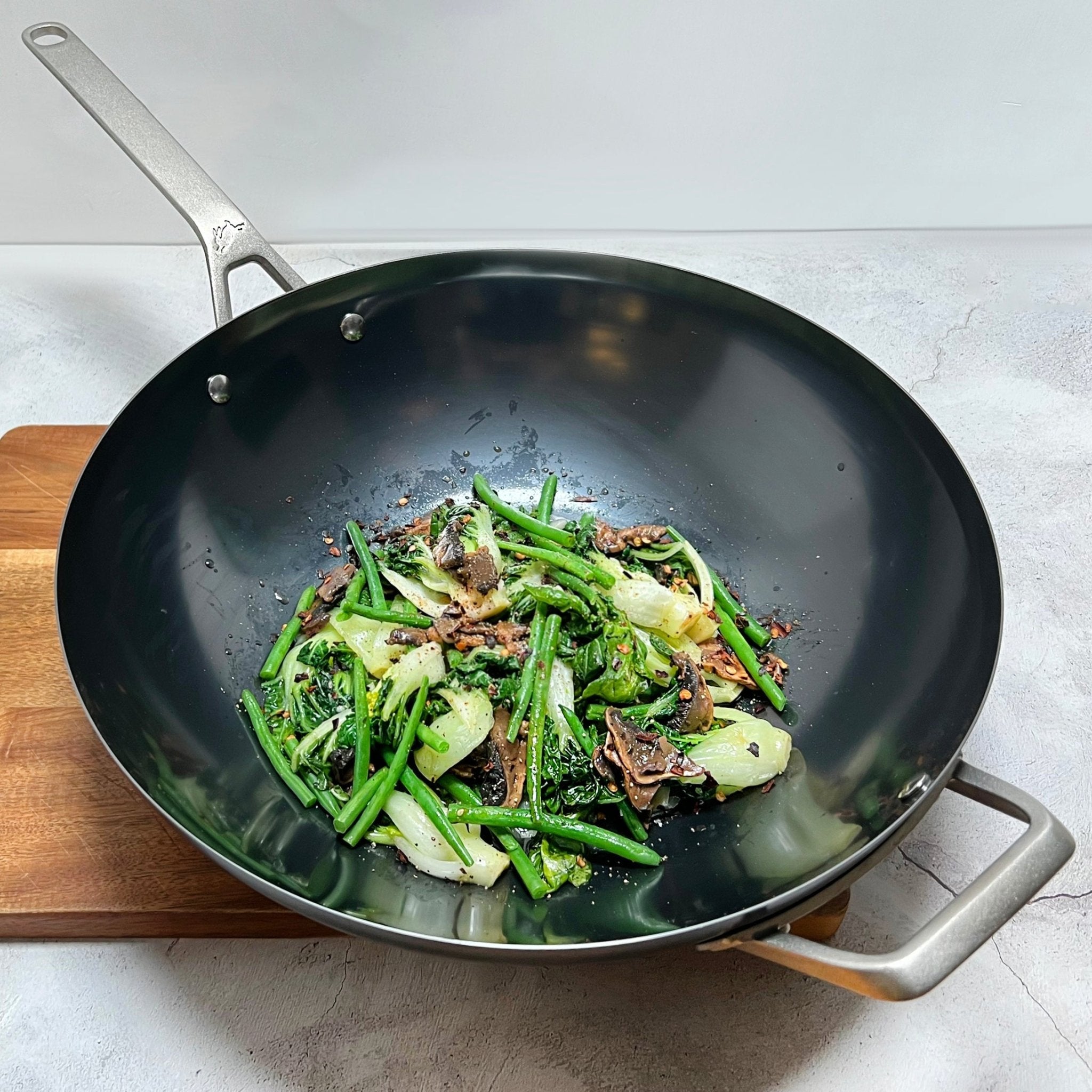
Yes, professional chefs favour the most durable cookware because it works hard and lasts. Stainless steel is popular for its toughness and reliable heat distribution. Cast iron’s prized for searing and slow cooking. Carbon steel is lighter and responsive, making it a chef’s go-to for quick moves. These sturdy materials take years of use in their stride, whether you’re flipping pancakes at home or running a hot kitchen on full tilt.
