

Sunglasses made to last a lifetime
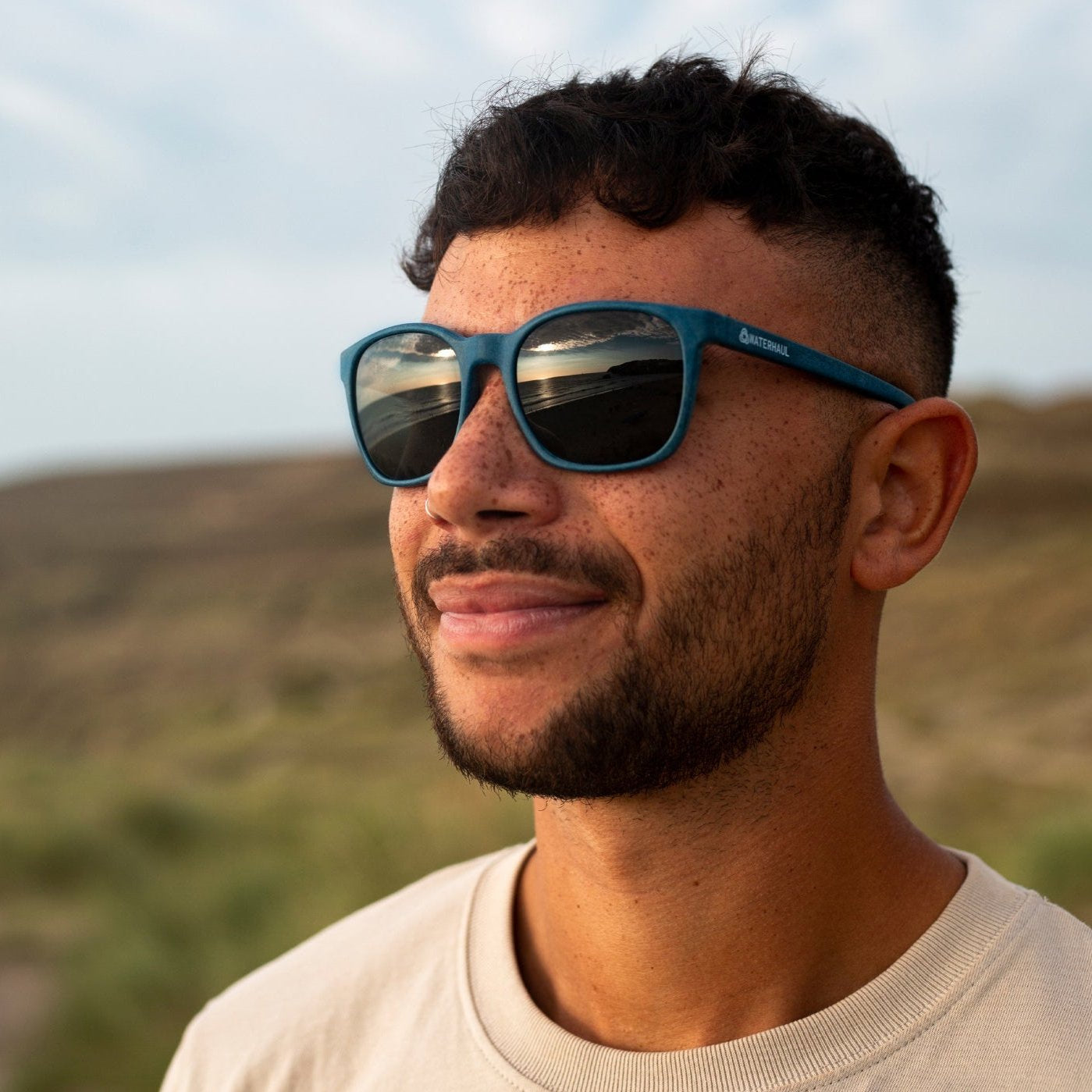
Good sunglasses shouldn’t fall apart by August. These durable sunglasses for adults and kids are built to handle real life - dropped bags, scratched lenses, sudden downpours. Sturdy, well-designed and made with planet-friendly materials, they’re proof you don’t need to keep buying new ones each year. Backed by a lifetime guarantee, so you can buy once and carry on.

FAQ: Sunglasses Built to Last
What does it mean when sunglasses are polarised?
When sunglasses are polarised, their lenses have a special filter that blocks horizontal light waves, so glare from water, roads or snow is reduced. Polarised sunglasses improve clarity and comfort, especially in bright or reflective conditions. They don't increase UV protection, but they do make a sunny day a lot easier on the eyes. Whether you're driving, skiing or just out for a walk, they're a clever upgrade for visual comfort.
How can I tell if my sunglasses are truly polarised?
To check if your sunglasses are truly polarised, tilt them while looking at a reflective surface - if glare changes or dims, that's a good sign. Another trick is to look at an LCD screen and rotate the lenses. Polarised glasses will usually darken or distort the screen due to how they block light. If in doubt, check the label - trusted manufacturers will confirm polarisation clearly.
Which are the most durable sunglasses that won’t break easily?
The most durable sunglasses use sturdy materials like metal alloys or reinforced acetate, paired with scratch-resistant lenses. Look for long-wearing brands that offer repairable parts and at least a 10-year warranty. Some even include lifetime repair services - talk about sticking around for the long haul. Frames should handle daily use, minor drops and bendy bits like hinges should stay firm.
How do I care for sunglasses to prevent scratches and damage?
To keep sunglasses in top shape, store them in a hard case, not your glove box (heat warps them). Clean lenses with microfibre cloth and proper lens spray - never your jumper sleeve. Avoid dropping them face-down and check the hinges regularly. Small habits, big difference. For extra help, visit our Product Care & Repair hub.
What sunglasses styles suit different face shapes best?
The best sunglasses for your face shape balance your features. Got a round face? Try angular frames. Square jaw? Softer, round styles add contrast. Heart-shaped? Cat-eyes or wider bottoms work well. Oval faces tend to suit most styles (lucky thing). But rules aside, go for comfort, fit and frames you feel good in.
When were sunglasses first invented?
Sunglasses go back as far as ancient China, where smoky quartz lenses helped judges hide their expressions. But modern sun-protective sunglasses took off in the 20th century - with mass production in the 1920s and polarised lenses joining the party in the 1930s. Today’s long-lasting sunglasses blend that early brilliance with hardy materials and high-grade UV defence.
Why do people who are blind sometimes wear sunglasses?
People who are blind sometimes wear sunglasses to reduce light sensitivity, protect against debris, or simply to help avoid unwanted attention. For some, they offer physical protection where blinking is impaired. For others, it’s about comfort and dignity. In short, sunglasses serve plenty of practical purposes beyond just sun shade.
Looking for sunglasses built to last with timeless styles and repairable parts?
Discover our curated collection of sunglasses made to last a lifetime, featuring polarised lenses, durable frames and brands offering lifetime repairs.
