
Recycled Iron & Steel
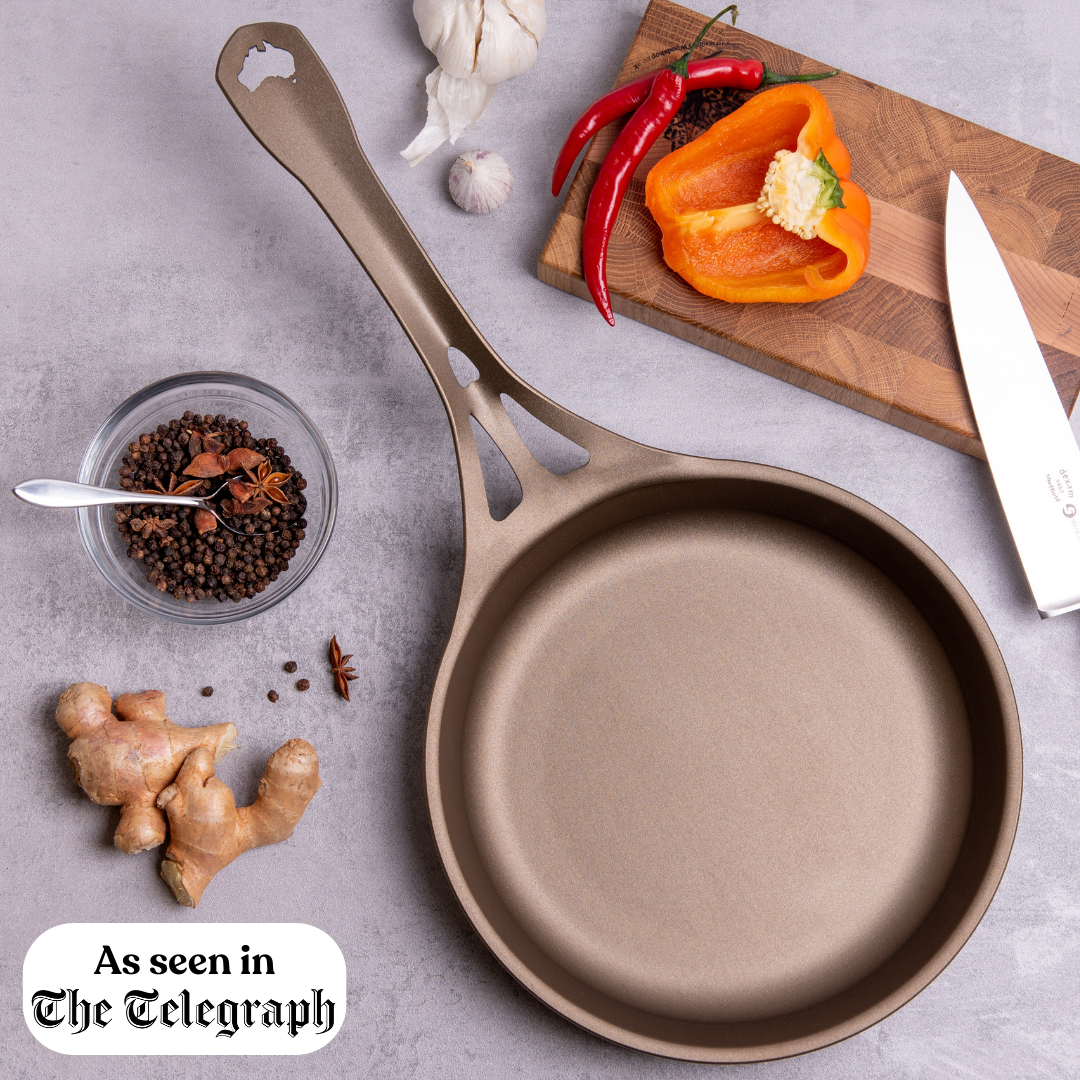
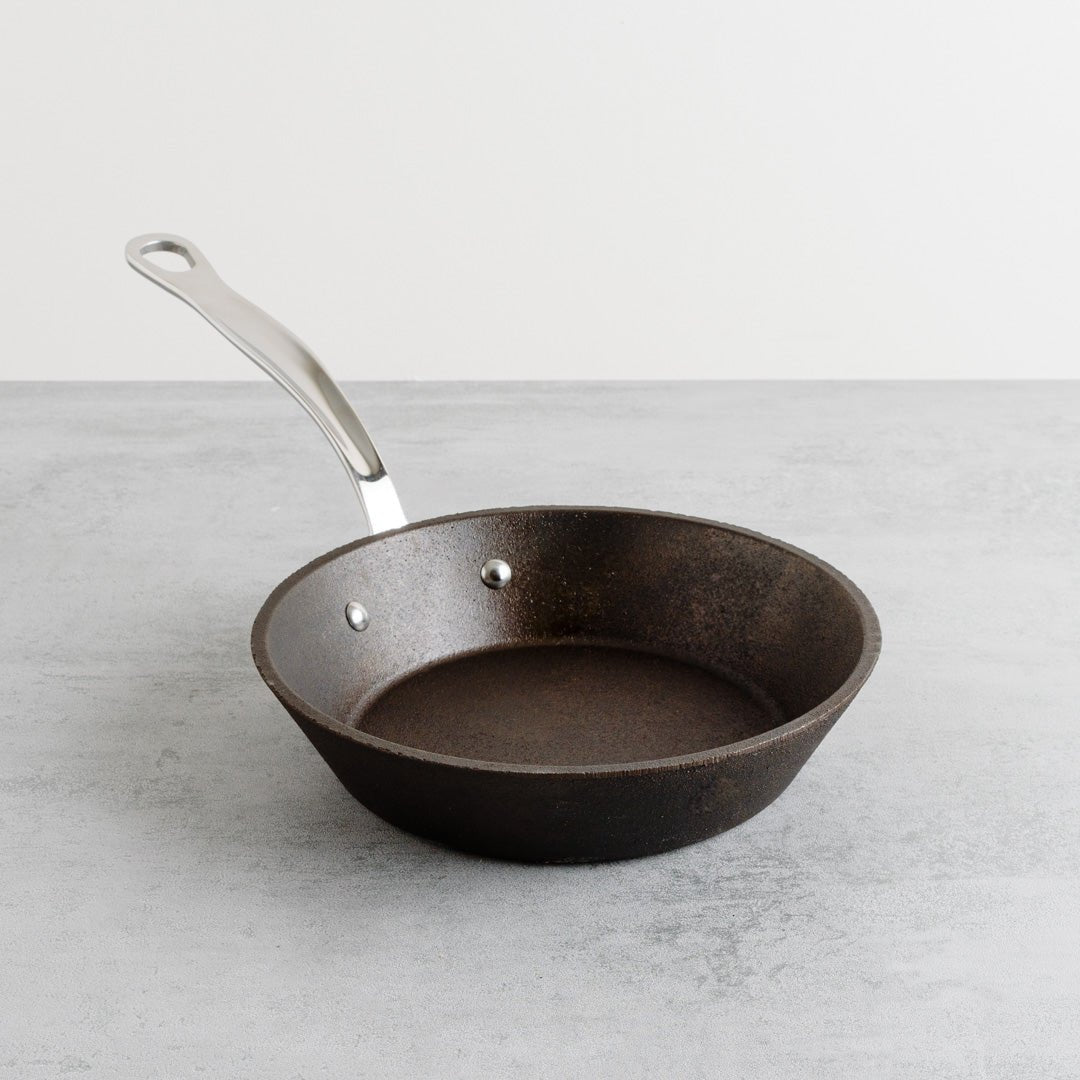
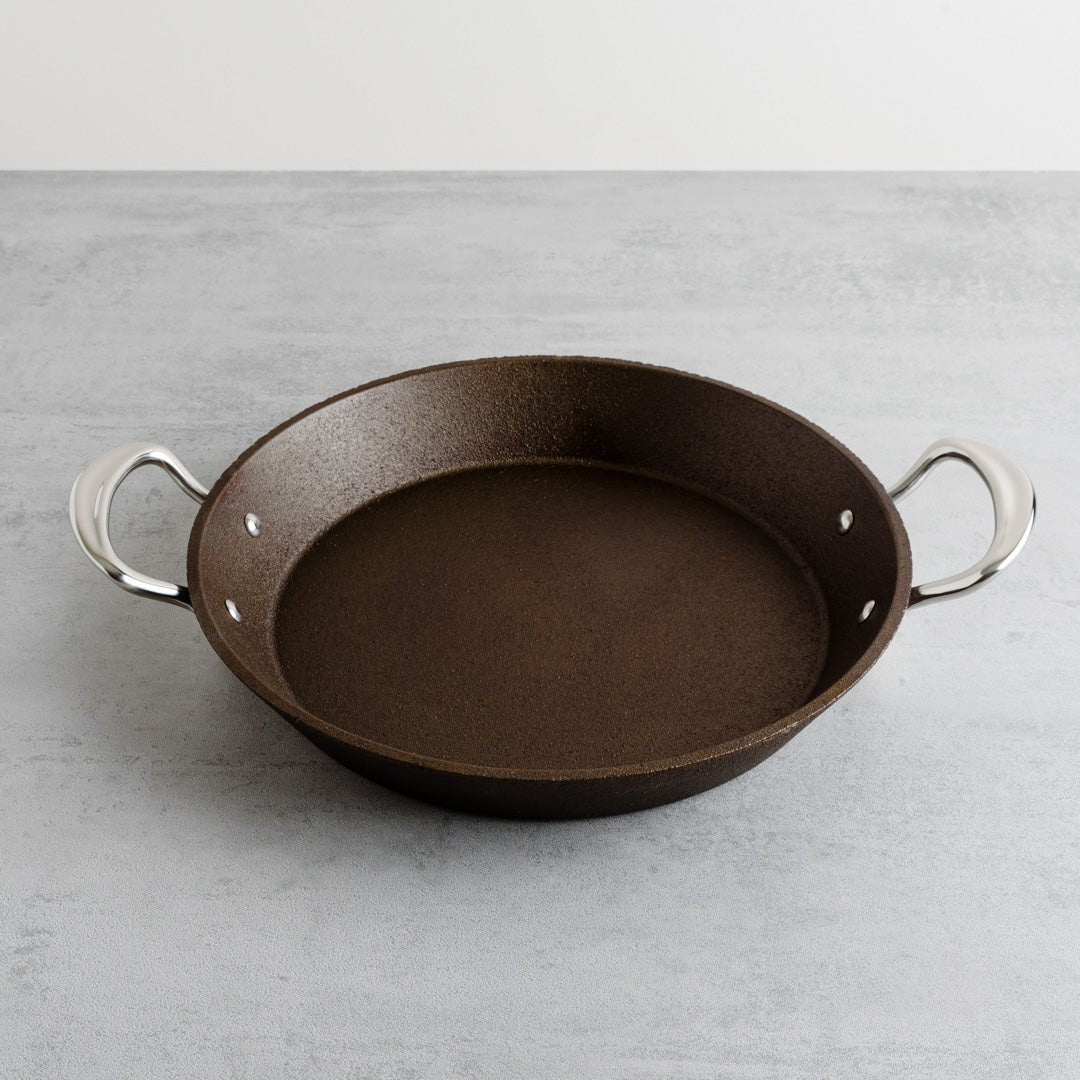
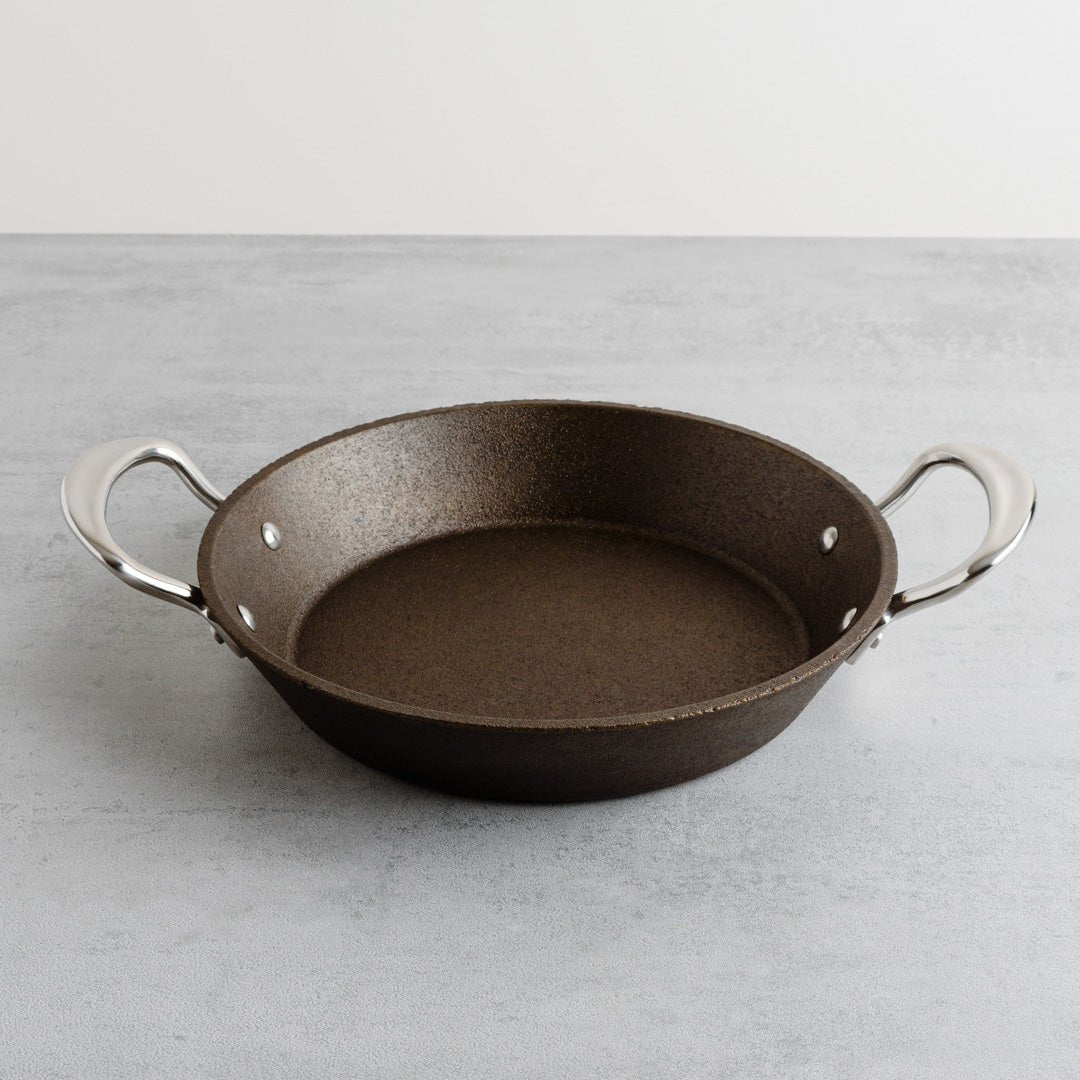
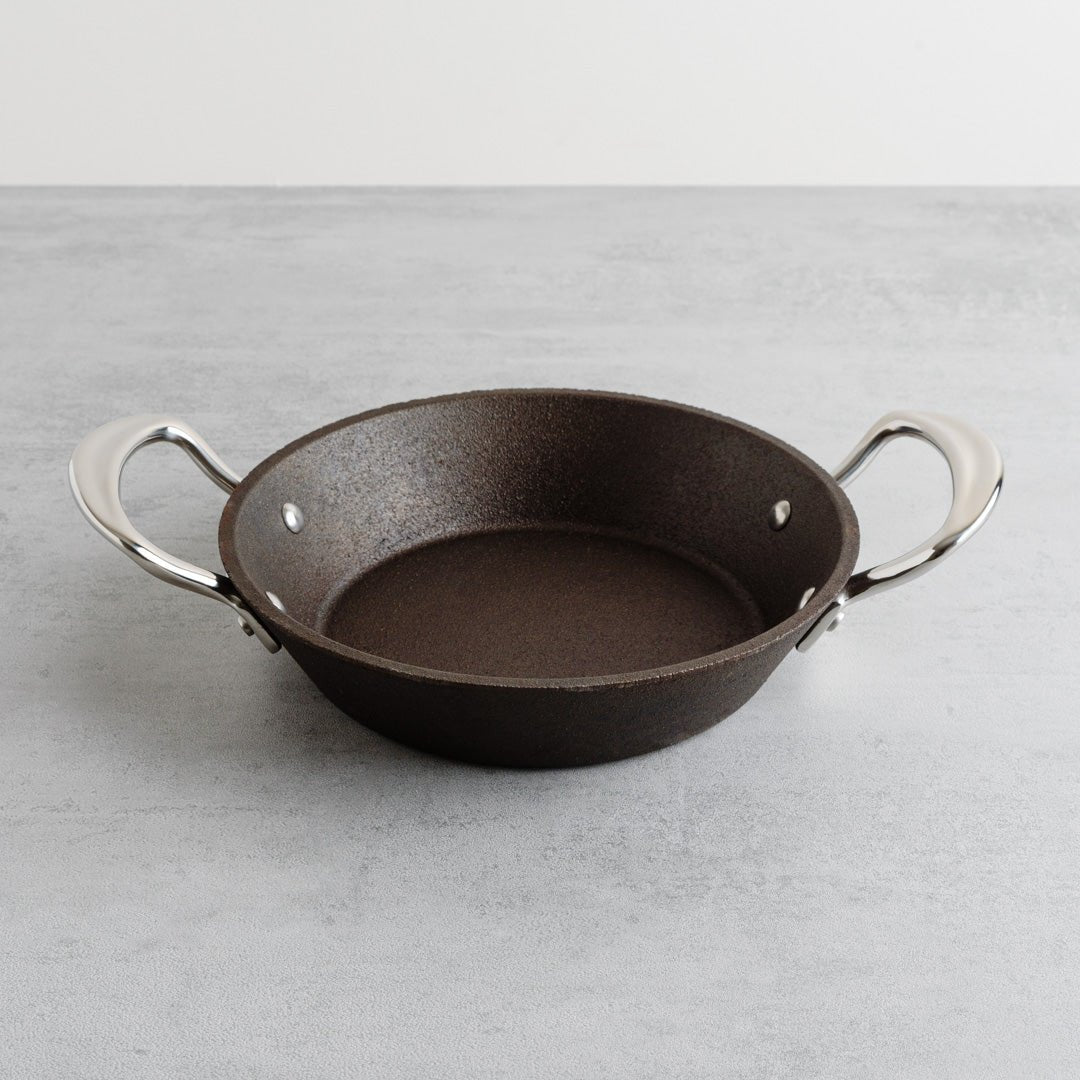
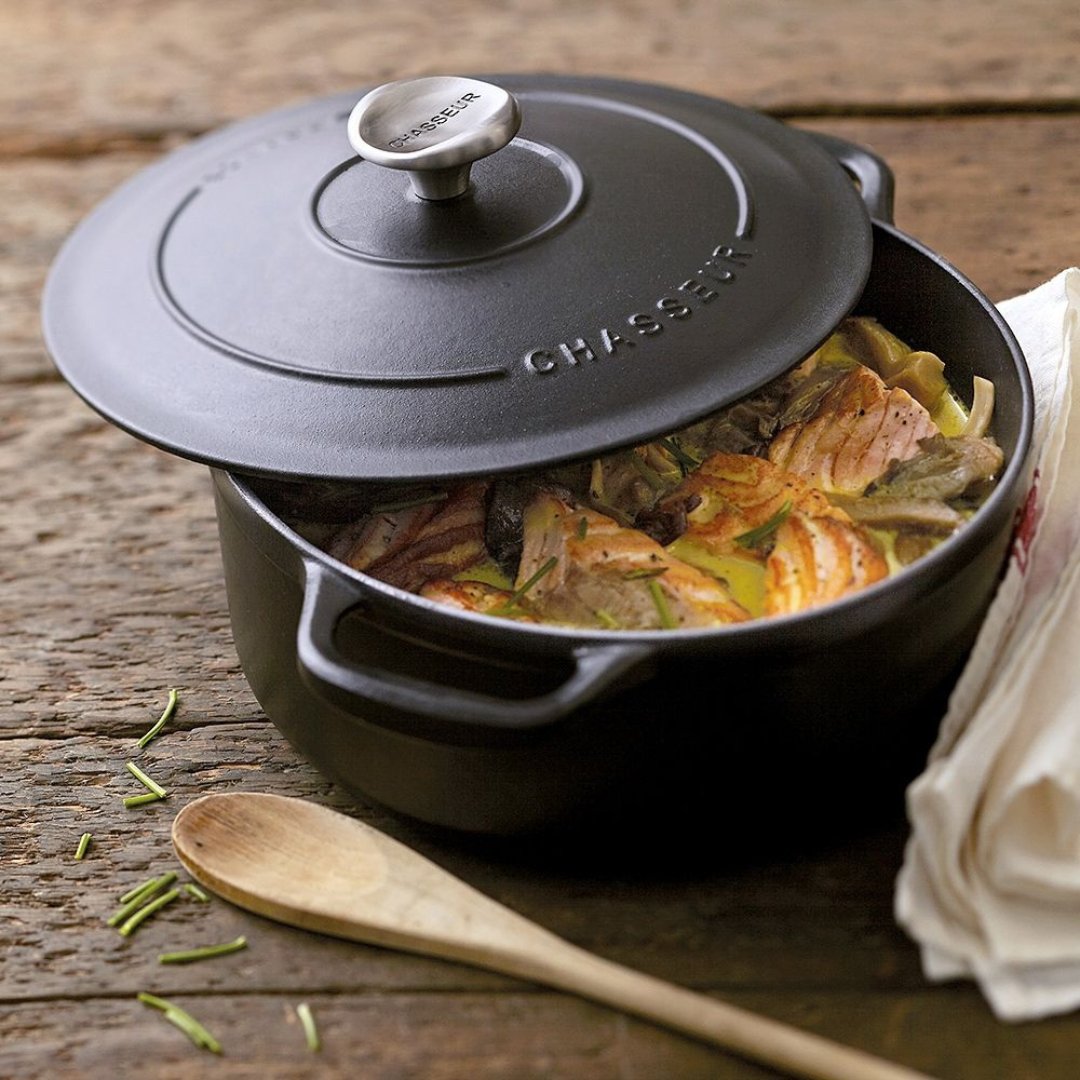
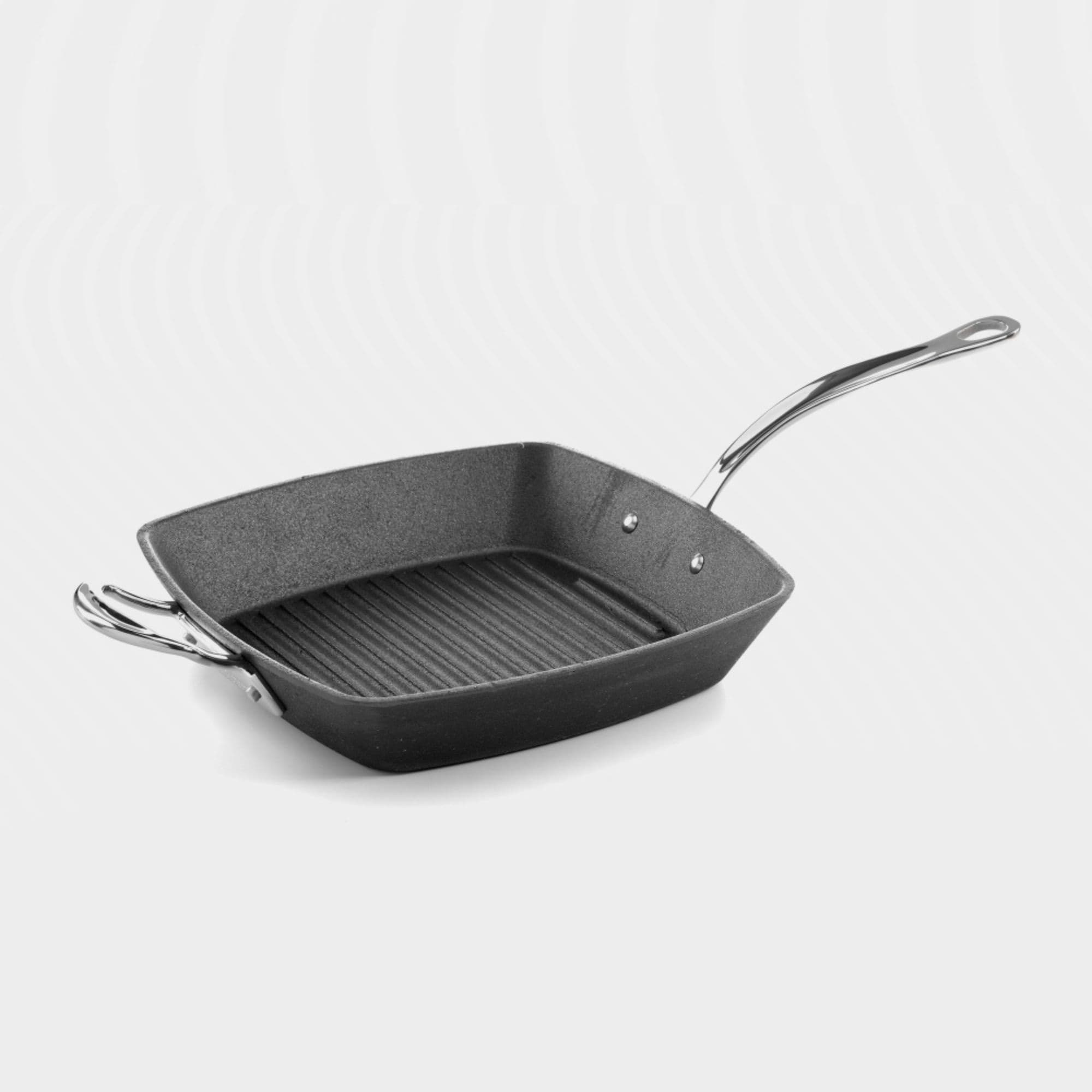
Recycled iron and steel kitchenware that lasts - without costing the earth. Made from 100% recycled metal, these skillets, saucepans and casserole pots save energy, cut emissions and waste nothing. Steel never wears out, so it can be reused endlessly without losing strength. That means solid, dependable performance you can count on for years, plus peace of mind knowing you're supporting a more circular way of making things.
FAQs about Recycled Iron & Steel Cookware
What are the longest-lasting recycled iron or steel pans?
The longest-lasting recycled iron or steel pans are thick, heavy-duty ones made from 100% recycled materials and built without non-stick coatings. Look for pans with repairable parts or lifetime guarantees - some come with warranties stretching decades. Cast iron especially is a heavyweight champion, often passed down through generations. Treated well, it can outlive most of your kitchen. Have a nosy at our research process to see how we choose these workhorses.
How do I clean and maintain recycled steel cookware properly?
To clean recycled steel cookware, hand-wash with warm water and a soft brush or cloth - no vigorous scrubbing needed. Using the dishwasher can dull or damage the finish over time. If it’s carbon steel, dry thoroughly and add a little oil after each wash to stop rust. Stainless steel likes a bit of baking soda paste for stuck bits. Consistent care keeps these pans going strong. For full how-tos, visit our Product Care & Repair hub.
Can I put recycled iron or steel pans in the oven?
Yes, most recycled iron or steel pans are oven-safe, especially if they’ve got all-metal handles. Cast iron and carbon steel don’t flinch at high heat - usually up to 260°C. Just avoid pans with wooden or plastic bits unless stated otherwise. Perfect for roasting, baking, or just finishing a steak. To be safe, always check with the maker. Here’s more in our frying pans and oven use guide.
How should I season a recycled cast iron frying pan?
To season a recycled cast iron frying pan, clean and dry it, then rub a thin layer of neutral oil over the whole surface. Bake it upside-down at 200°C for about an hour, then let it cool in the oven. This hardens the oil into a natural non-stick layer. Do this a few times at first, and your pan will reward you with years of faithful frying. Full guide here: how to season your new cast iron skillet.
What's the best way to cook steak in a recycled frying pan?
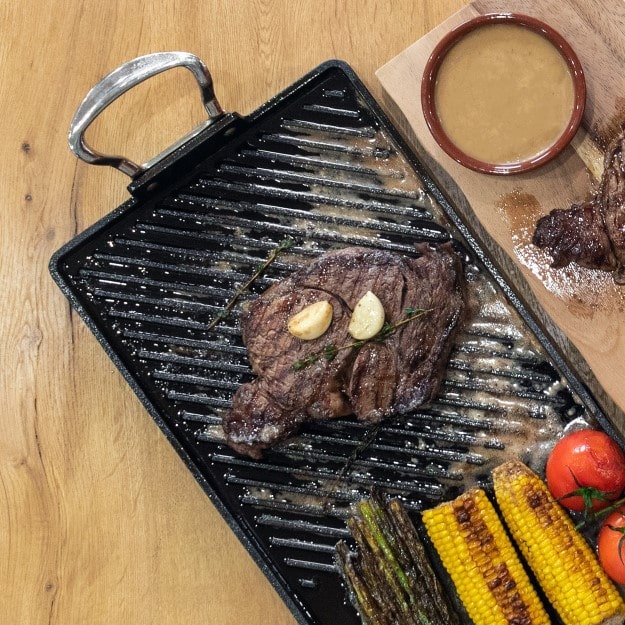
For top results cooking steak in a recycled frying pan, crank the heat up high and use a smidge of oil. Once the pan’s sizzling hot, sear your dry, room-temp steak for 2–3 minutes each side. Cast iron and carbon steel pans hold their heat beautifully, giving a brilliant crust. Thicker cuts can finish in the oven. Best to avoid non-stick pans here - they simply can’t take the heat.
Are recycled iron and steel pans safe for everyday cooking?
Yes, recycled iron and steel pans are completely safe for everyday cooking. They’re made from reclaimed metal that’s rigorously cleaned and reprocessed, then shaped into sturdy, chemical-free cookware. There are no synthetic coatings to flake off, and cast iron can even add a touch of dietary iron to your meals. With a bit of care, they’ll serve you dinner after dinner for decades.
How does recycled metal cookware compare to new in terms of performance?
Recycled metal cookware performs just as well as new - and often has the durability to prove it. The recycled iron or steel still offers top-notch heat retention, strength, and longevity. Many trusted brands use industrial-grade reclaimed materials and stand by them with lifetime guarantees. It’s sustainable cooking, with nothing skimpy about its performance. Have a browse through our collection of long-lasting pans to see what’s cooking.
