

Eco Living
Well-made, plastic-free essentials for your home. Eco Living products are built to last using natural materials like FSC-certified beech wood and tampico bristles. No hidden plastics, not even in the packaging. Dependable tools for kitchens and bathrooms that do the job, without adding to the waste pile. Ethically made, carbon neutral and cleverly designed to work hard and tread lightly.
Eco Living FAQs
Which Eco Living products are truly buy-it-for-life?
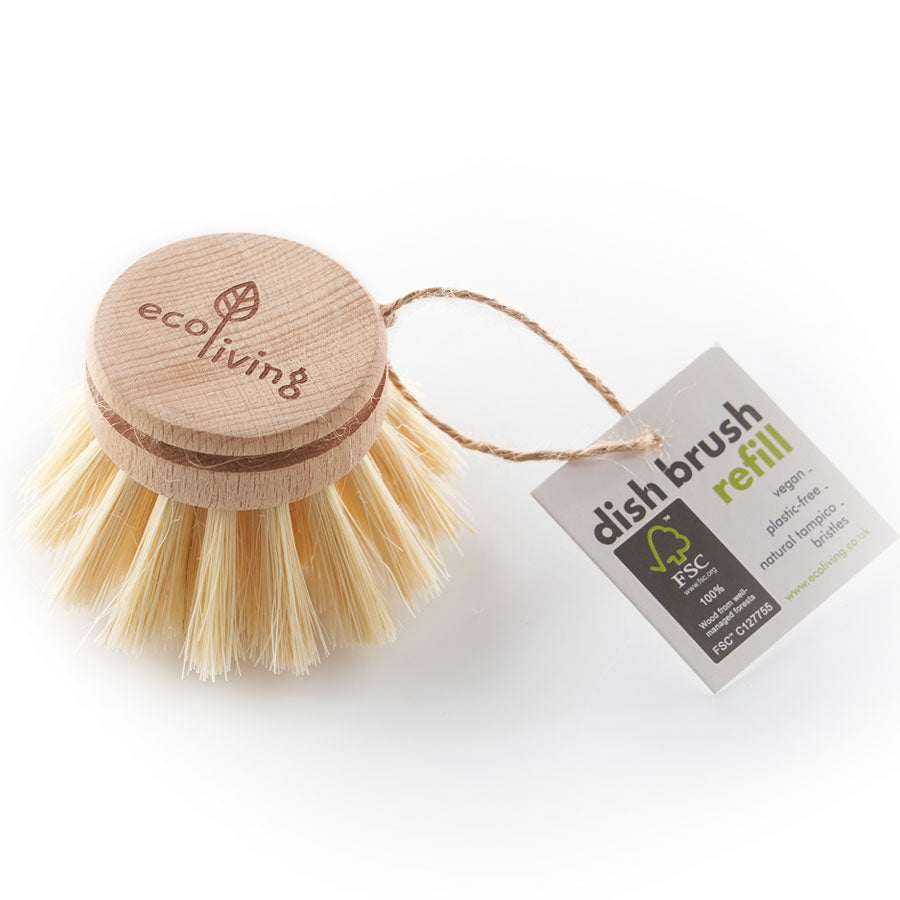
The Eco Living products that are truly buy-it-for-life include stainless steel cleaning tools, wood-handled brushes with replaceable heads, and refillable containers. These are made from sturdy materials like FSC-certified wood and metal, chosen for longevity and ease of repair. For example, many brushes have swappable heads to cut waste and boost their lifespan. Unlike single-use items, they offer better value over time. Some even come with repair options or extended warranties. Johnstons, for instance, offers free re-darning for life. Learn more about how we select long-lasting, repairable products here.
How should I care for wooden brushes and natural bristles?
To keep wooden brushes and natural bristles in top nick, let them dry fully between uses, bristles facing down. Never soak them or leave them in standing water, as this can damage both the wood and bristles. Gently wash the bristles now and then with warm water and natural soap, then rinse well. If the wood starts looking parched, a dab of olive or linseed oil helps it stay smooth and crack-free. With a bit of care, these tools can last for donkey’s years. For more tips, see our guide on caring for wooden furniture.
Are Eco Living products safe to use around pets and children?
Most Eco Living products are safe to use around pets and children, especially those made with gentle, natural materials. Always check labels if you’re using cleaning products - many are non-toxic, plant-based, and free from harsh chemicals. That said, keep anything with sharp bits or small parts (like razors or bottle brushes) out of reach. If you're adding essential oils to homemade cleaners, double-check - some can be risky for pets. A little caution keeps everyone safe, tails and all.
What should I avoid mixing with natural cleaning products?
When using natural cleaning products, avoid mixing vinegar with castile soap or bicarbonate of soda directly. These combos may look clever but often backfire by cancelling each other out or leaving a residue behind. Never mix natural cleaners with chemical ones - this won’t ramp up cleaning power and can create nasty fumes. If you’re switching products, just rinse surfaces with water in between. For fuss-free cleaning: vinegar for limescale, soap for dirt, and bicarb for scrubbing.
How do I dispose of old or unwanted cleaning products responsibly?
To dispose of old or unwanted cleaning products responsibly, steer clear of the drain unless the label says it’s safe. Even natural chemicals can upset water systems. Your local council or recycling centre usually offers hazardous waste disposal - worth checking for details. For empty packaging, give it a rinse and recycle according to your area’s rules. Going forward, you might try refillable products and long-lasting cleaning accessories to cut waste at the source.
Can I make my own natural cleaners to use with these tools?
Yes, you can absolutely make your own natural cleaners to use with Eco Living tools. Many of our brushes, cloths, and spray bottles pair nicely with homemade mixes. Try white vinegar with water for streak-free windows, or bicarbonate of soda with castile soap for a gentle scrub. Just be mindful with essential oils - some aren’t great for pets, even in tiny amounts. Use glass spray bottles for vinegar-based recipes to keep your creations fresh (and your plastic safe).
Do Eco Living products expire or lose effectiveness over time?
Some Eco Living products, like solid cleaning bars or plant-based sponges, may lose effectiveness if stored too long. That said, tools like wooden brushes and stainless steel scourers are often built to last, especially if well cared for. Natural cloths might wear thin eventually, but many are compostable when they give up the ghost. For cleaners, check best-before dates if they include active ingredients. Storing everything in a cool, dry cupboard helps them go the distance.
