
Natural Fibers
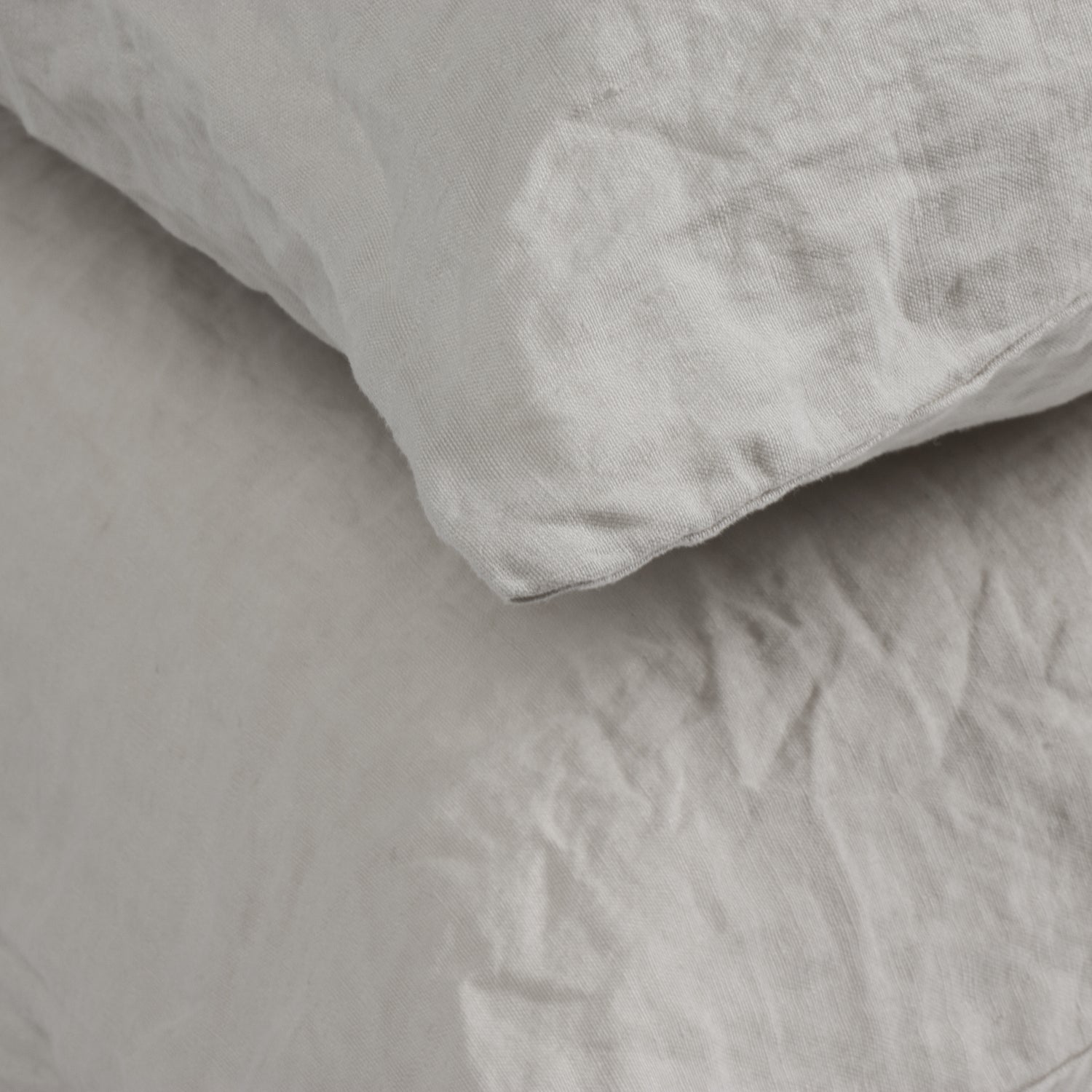
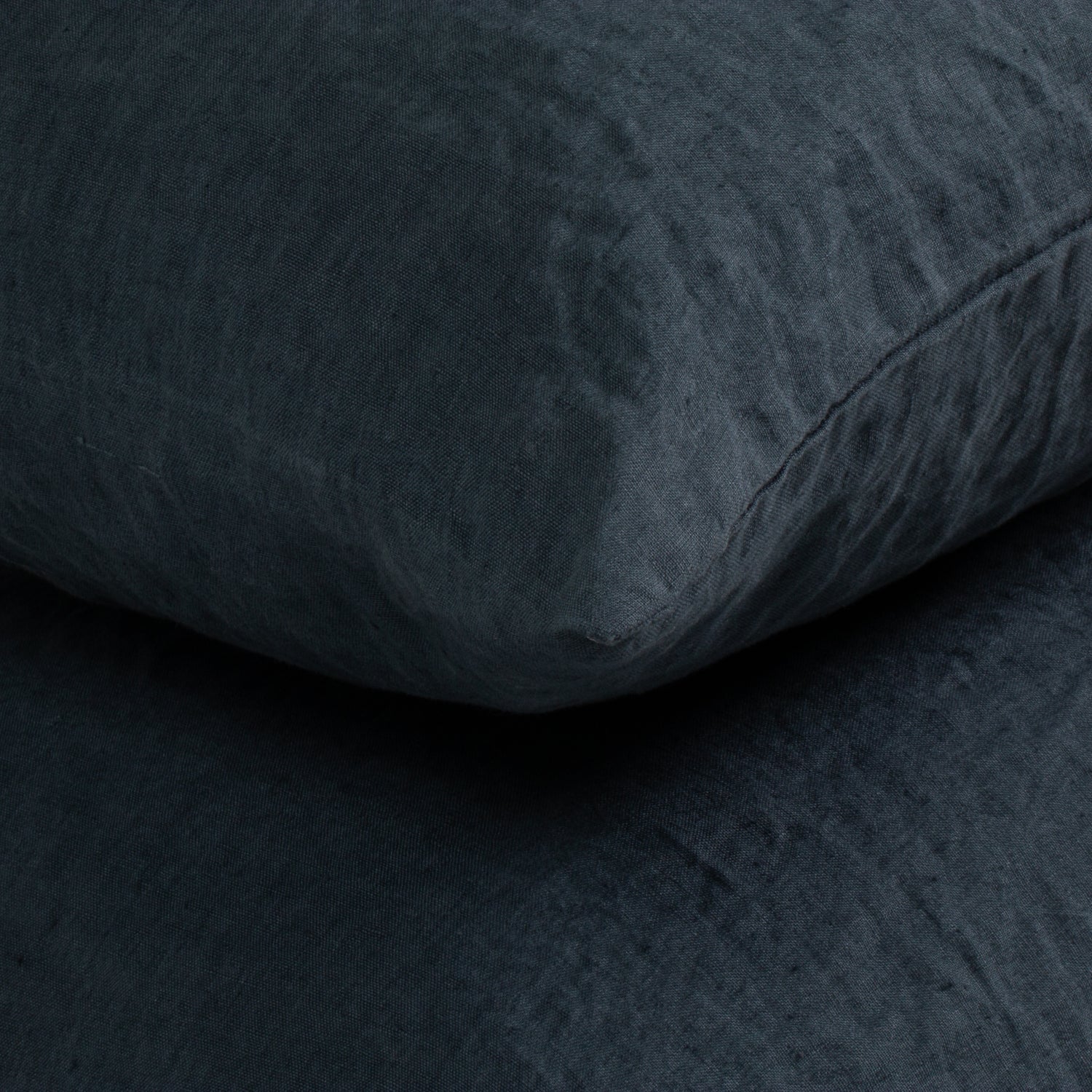
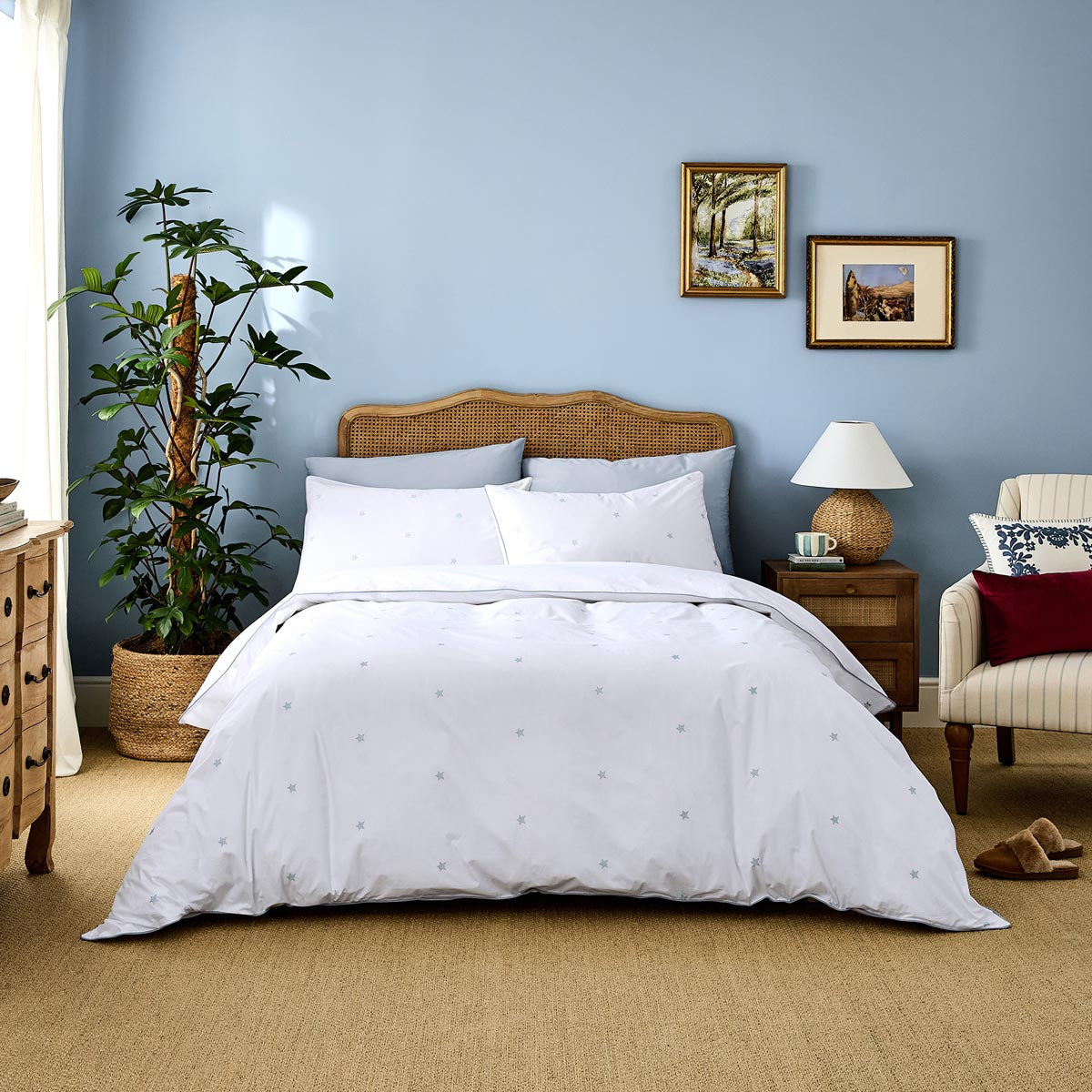
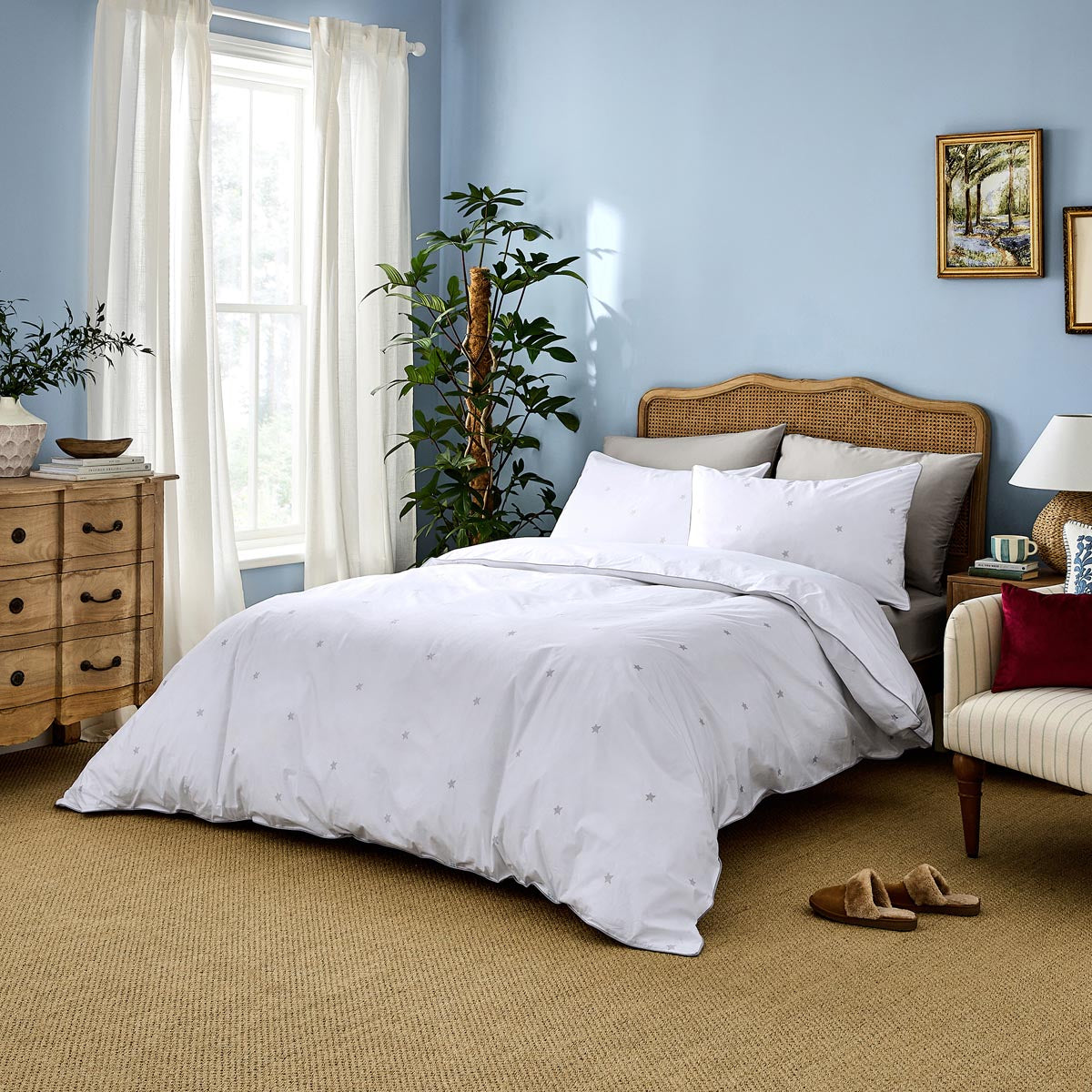
Natural fibres that feel better – and wear better – over time. Think breathable cotton, cosy wool, relaxed linen and soft silk that all move with you through the seasons. These fibres don’t just feel good on the skin – they’re renewable, biodegradable and grown with the long haul in mind. Cool in summer. Warm in winter. Softer with every wash.







FAQs about Natural Fibres
What exactly are natural fibres, and where do they come from?
Natural fibres are materials that come straight from plants, animals, or minerals. Cotton, wool, linen, hemp, and silk are some of the best-known. These fibres are spun into fabric without synthetic processing, making them renewable, biodegradable, and breathable. Because they’re bio-based, natural fibres tend to feel softer and regulate temperature better than synthetics. Over centuries, they've stood the test of time for comfort and strength - not just a pretty face, then.
How do natural fibres differ from synthetic ones in comfort and sustainability?
Natural fibres differ from synthetic ones by feeling more breathable and comfortable against the skin. While synthetics like polyester stem from petrochemicals, natural materials are biodegradable and renewable. They don’t shed microplastics and generally have a smaller environmental footprint. Many, like wool or linen, wear in rather than out. Learn how we find buy-it-for-life products.
What are the main types of natural fibres used in clothing and homeware?
The main types of natural fibres used in clothing and homeware include cotton, wool, linen, hemp, and silk. Cotton and linen are breathable and hard-working. Wool adds warmth and lasts brilliantly in blankets and knitwear. Hemp’s tough stuff, and silk brings a touch of luxury. Each fibre comes with its own perks, like moisture-wicking, breathability or natural antibacterial properties. Handy, that.
Which natural fibres are truly buy-it-for-life in terms of durability and wear?
The natural fibres most likely to meet buy-it-for-life standards include wool, hemp, and linen. Wool is tough and naturally resists wear - some brands even offer lifetime repairs. Hemp is famously strong and softens over time without wearing thin. And linen? It just gets better with age. With a bit of care, these fibres earn their keep over the years.
How should I care for natural fibre items to keep them looking and feeling great?
To care for natural fibre items and maintain their durability, wash them gently and steer clear of high heat. Use a mild detergent and air dry where you can - tumble dryers aren’t always kind. Wool loves a cool hand wash and reshaping while damp. Linen and hemp can handle the machine, but stick to lower temperatures. For more tips, see our guide on product care and repair.
Why are natural fibres considered more eco-friendly than synthetic alternatives?
Natural fibres are generally more eco-friendly because they come from renewable sources and break down naturally. Unlike synthetics, they don’t shed microplastics and tend to require fewer chemicals. Hemp and linen even grow with little fuss - less water, fewer pesticides. While no fibre is perfect, naturals usually win out over a product’s full lifespan. Especially if you’re in it for the long haul.
How do natural fabrics like hemp or linen change over time with wear and washing?
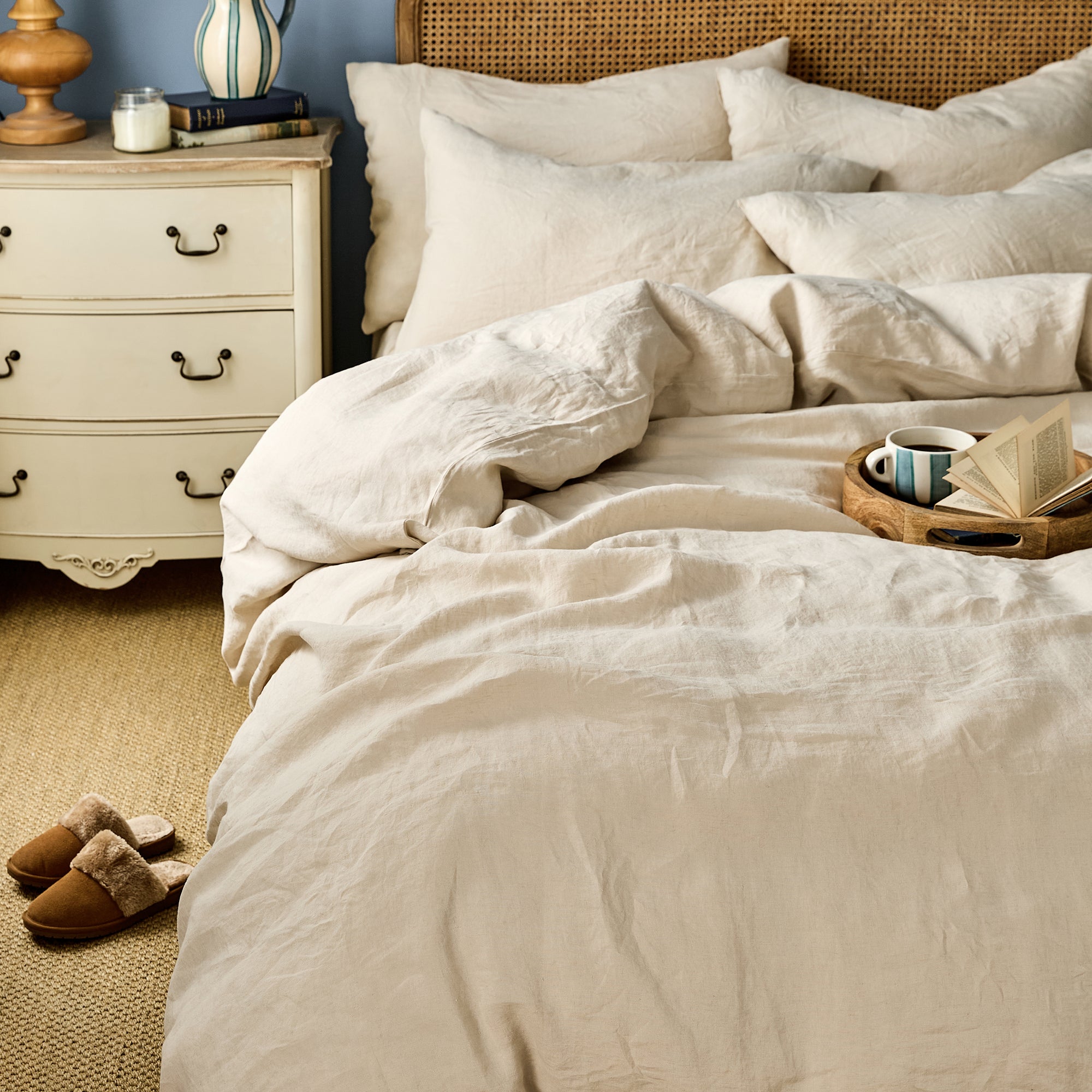
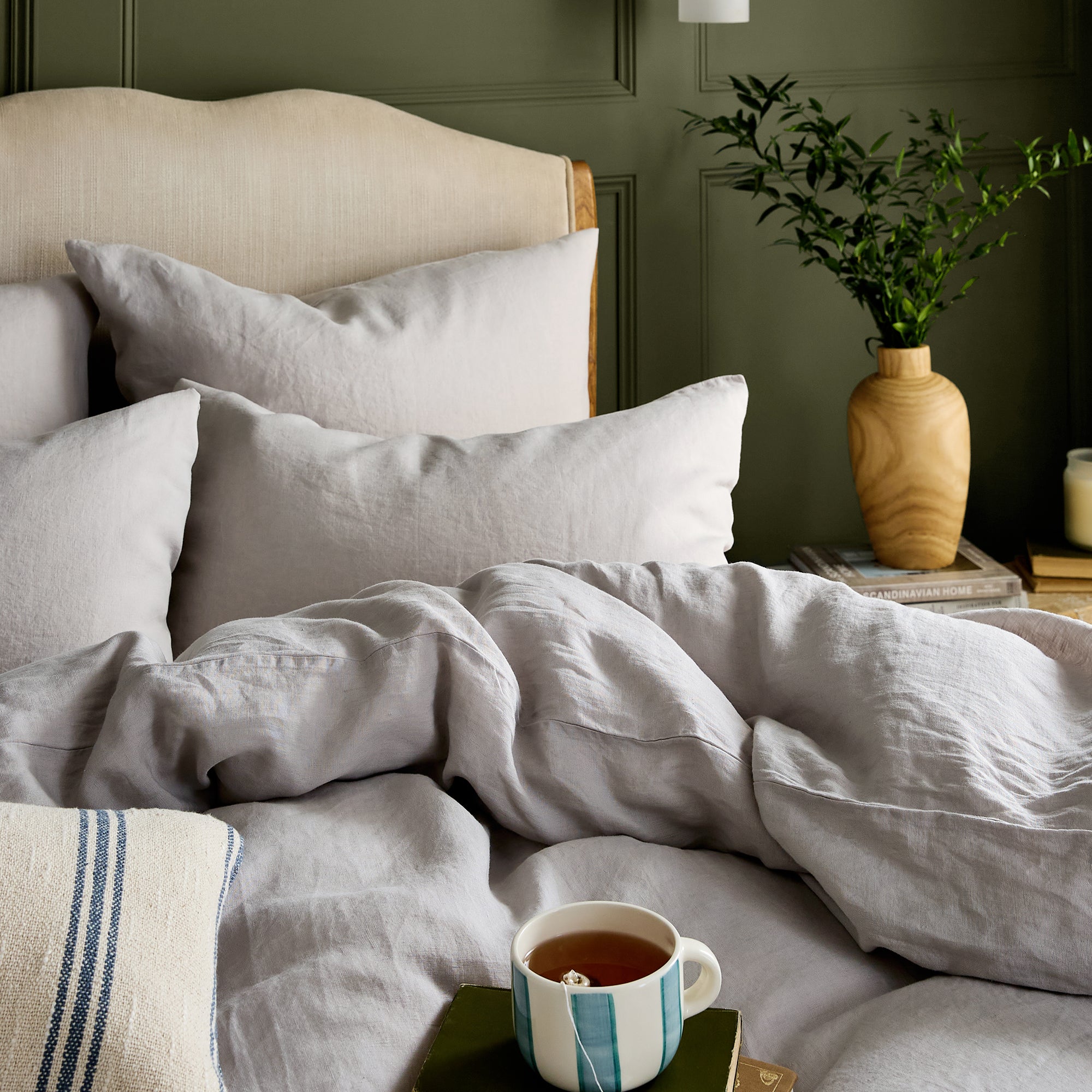
Natural fabrics like hemp or linen tend to soften and develop character over time. Linen starts sturdy, then relaxes into something smoother and a bit cosier. Hemp also mellows with age, while staying impressively strong. Rather than breaking down, these fabrics break in - so with good care, they’ll look better with every wash. Browse our For Life Linen Collection to see some made to go the distance.
