

Glass
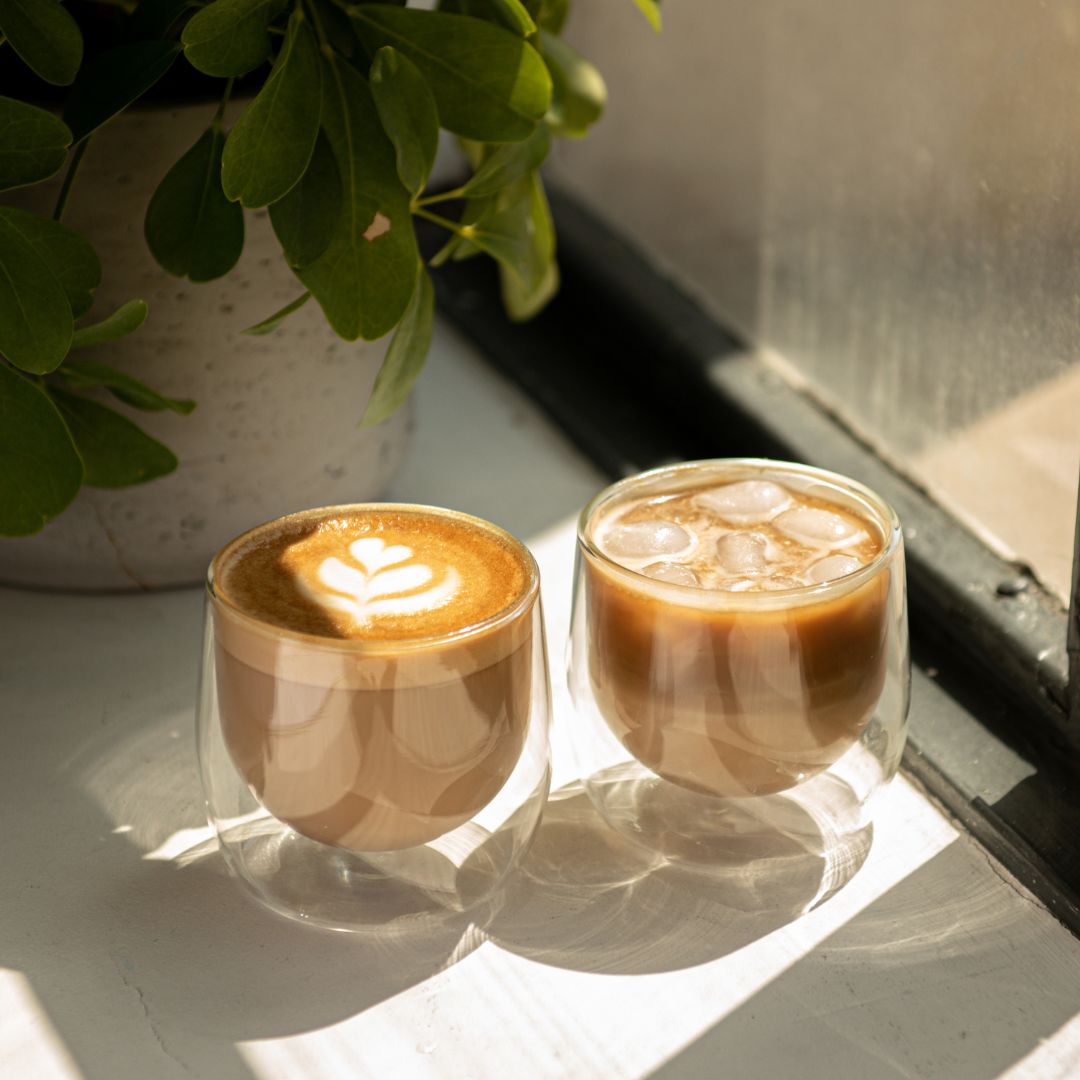
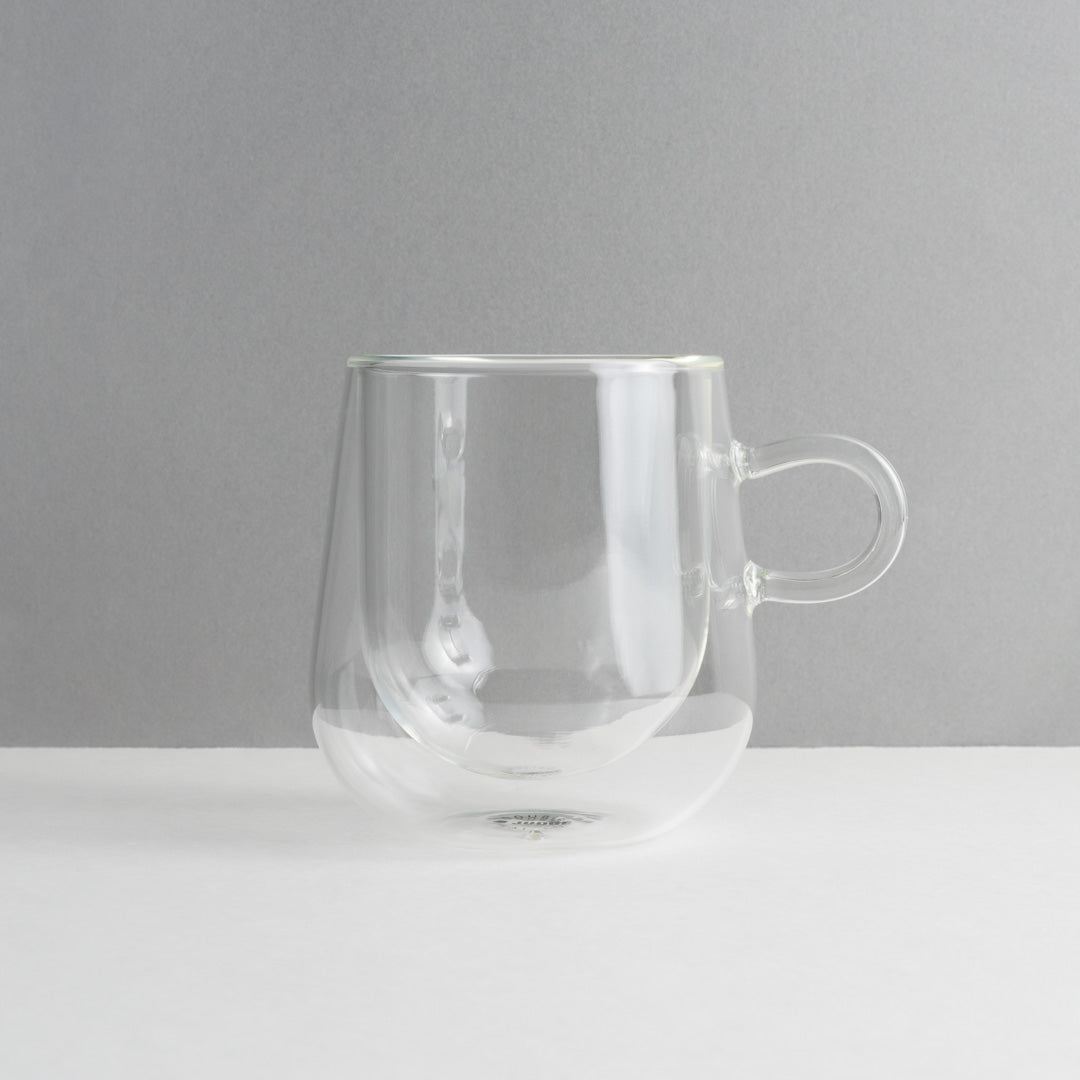
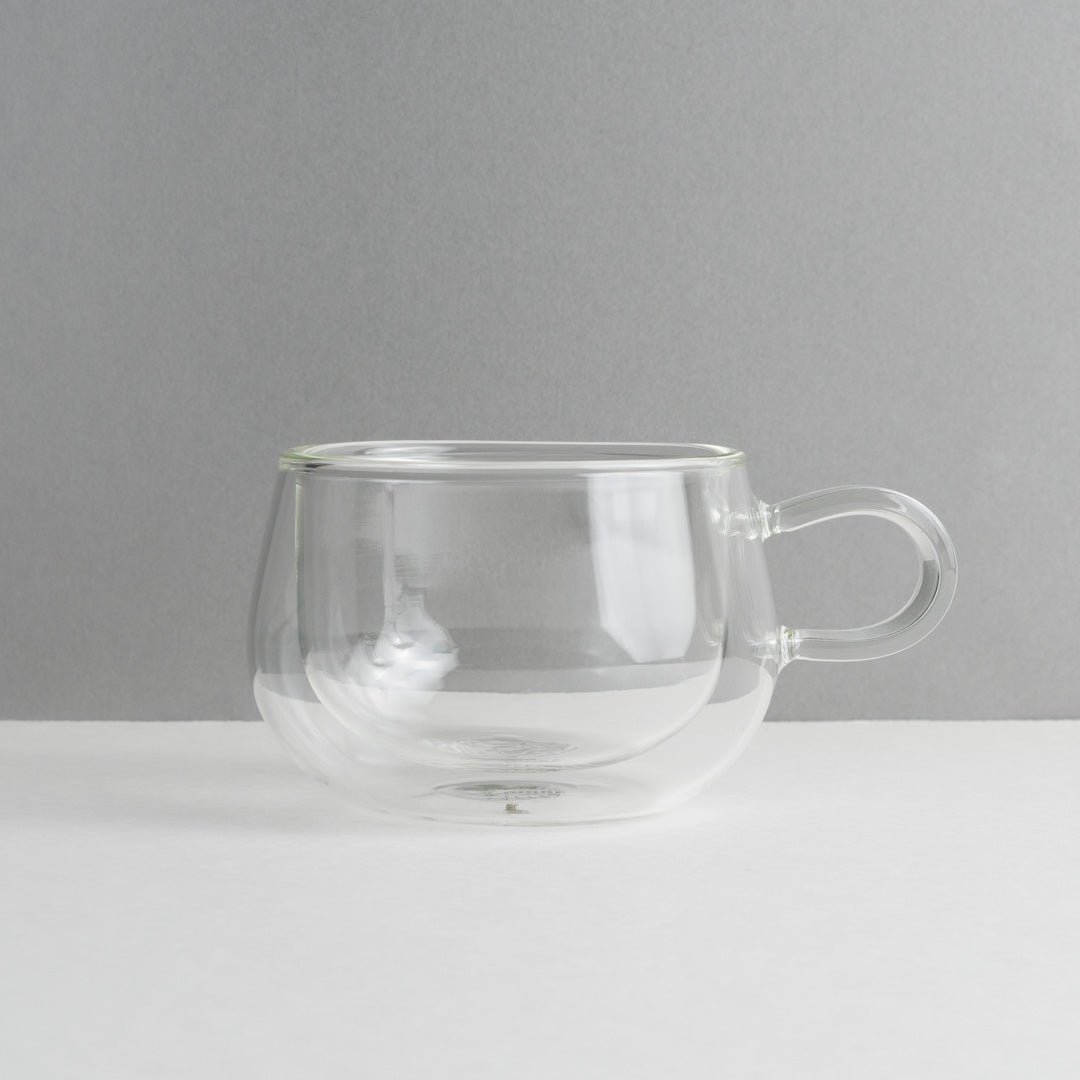
Toughened glasses that take everyday knocks in stride. Whether it's coffee in the morning or a glass of wine at the weekend, these are made to last. We’ve chosen tempered, borosilicate, and Tritan Crystal glassware that’s noticeably sturdier than most - resistant to chips, cracks and sudden temperature changes. Properly strong glasses with a clean, timeless look.
FAQs about Our Glassware
What are the longest-lasting types of glassware available?
The longest-lasting types of glassware are usually made from tempered or borosilicate glass, thanks to their high resistance to breakage and thermal shock. You’ll also want to look for designs with thick bases or reinforced rims, as they’re less likely to chip. Some even come with manufacturer warranties for extra reassurance. We prioritise glassware that's not just tough but also repairable or recyclable where possible. It’s all part of our mission to help you buy things once and buy them well. Learn more about how we find the most durable ‘buy it for life’ products.
How do I properly clean and maintain glassware to keep it clear?
To keep glassware clear and long-lasting, stick to warm soapy water and a soft cloth for drying. Avoid abrasive pads, which can leave microscopic scratches. Cloudiness from hard water? A soak in white vinegar usually sorts it. If you use a dishwasher, space things out and pick a gentle cycle. It’s all fairly faff-free really. You’ll find more tips like this on our product care blog hub.
Can your glassware go in the microwave or dishwasher safely?
Most of our glassware is dishwasher-safe, and several pieces are fine in the microwave too. Always double-check the care instructions first. Glass made from tempered or borosilicate varieties handles heat and sudden temperature shifts better than standard glass. That said, a gentle hand wash will help your pieces stay clearer, longer.
What’s the difference between crystal and regular glassware?
Crystal glassware contains minerals such as lead oxide or barium, giving it extra clarity and sparkle. It’s often finer and more refractive than regular glassware, but surprisingly strong if tempered. For daily use, sturdy soda-lime glass is usually the better bet. Go for crystal if you want a bit of brilliance at the dinner table - or just enjoy a posh G&T on a Tuesday.
How do I safely remove stickers or residue from glassware?
To remove stickers or residue from glassware, soak the item in warm soapy water for 10–15 minutes. Still sticky? A paste of baking soda or a splash of white vinegar usually does the trick. Avoid metal scrapers - just no. For the really stubborn stuff, a dab of cooking oil can loosen glue without scratching the surface.
Is your glassware recyclable or easily disposed of sustainably?
Most glassware is technically recyclable, including tempered types, but local kerbside collections often won’t take them due to different melting points. If that’s the case, check nearby recycling centres or reuse schemes. We stock glassware that’s long-lasting by design - so you’ll likely be sipping from it for many years before you need to think about disposal.
How do I protect glassware when packing it for a move?
To protect glassware during a move, wrap each item individually using recycled paper or soft cloth, padding well inside and out. Pack them upright in a sturdy box - heaviest at the bottom, lightest on top - and fill any gaps to stop rattling. Double-walled boxes and a bold “fragile” label? Worth their weight in bubble wrap.
