

Tanner Bates
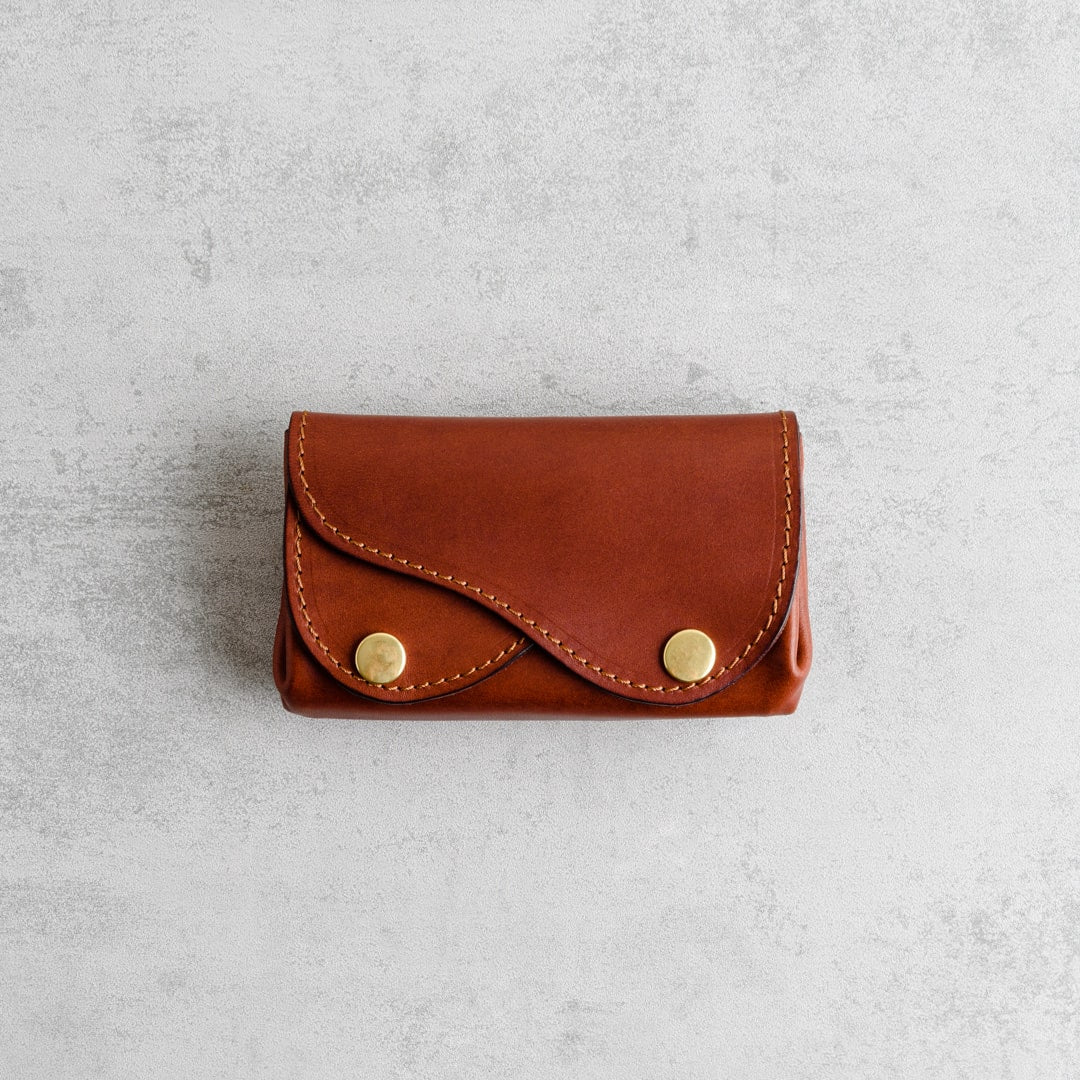
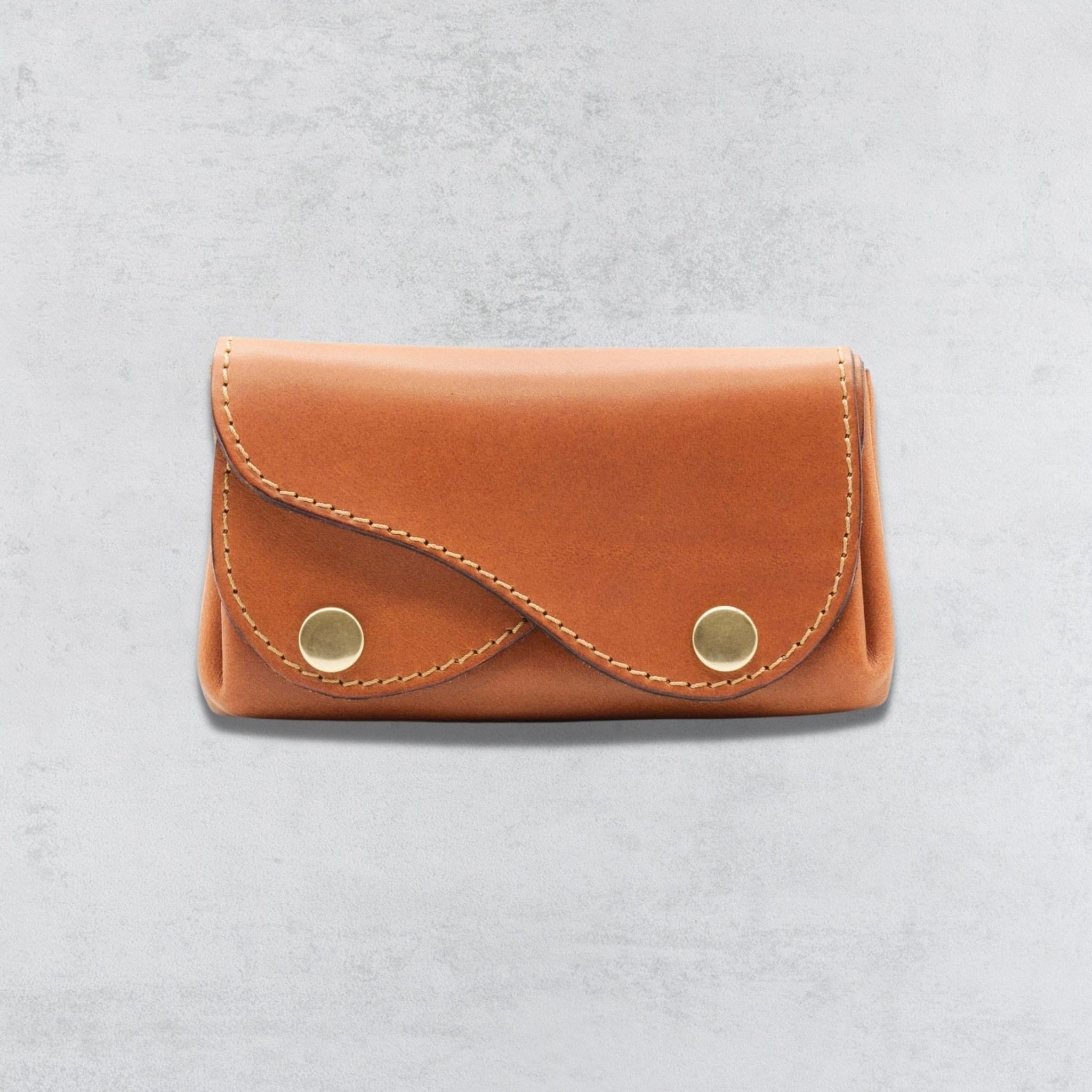
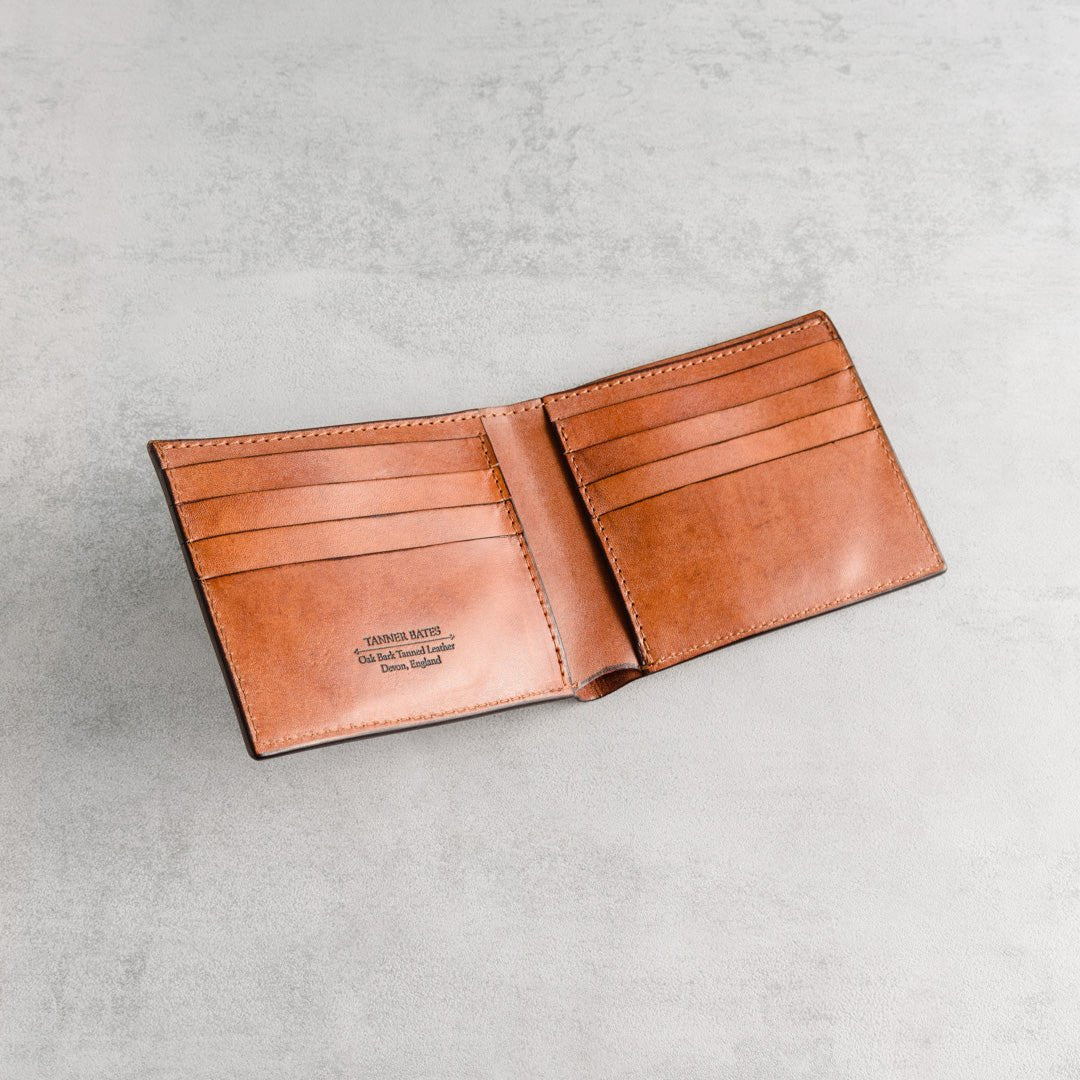
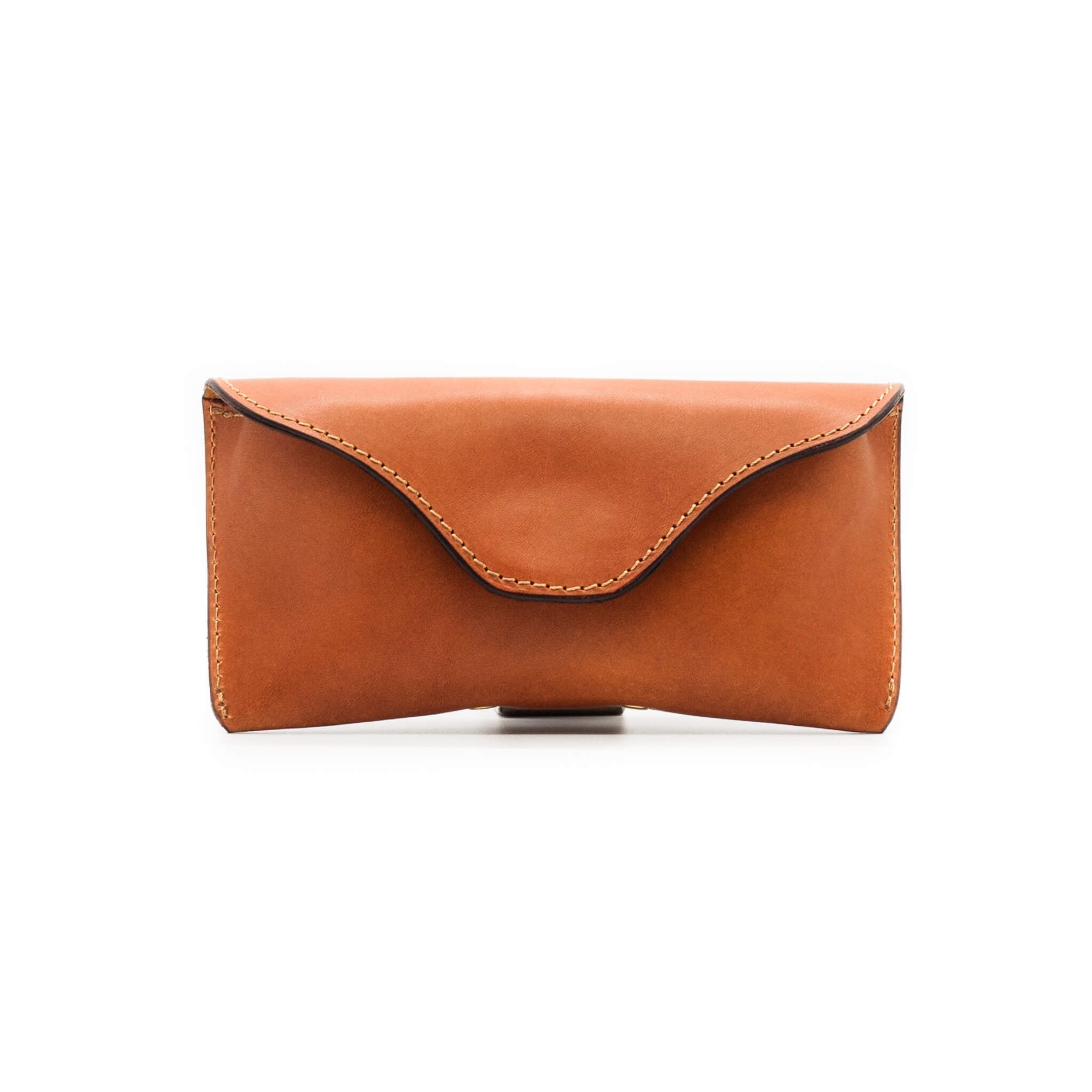
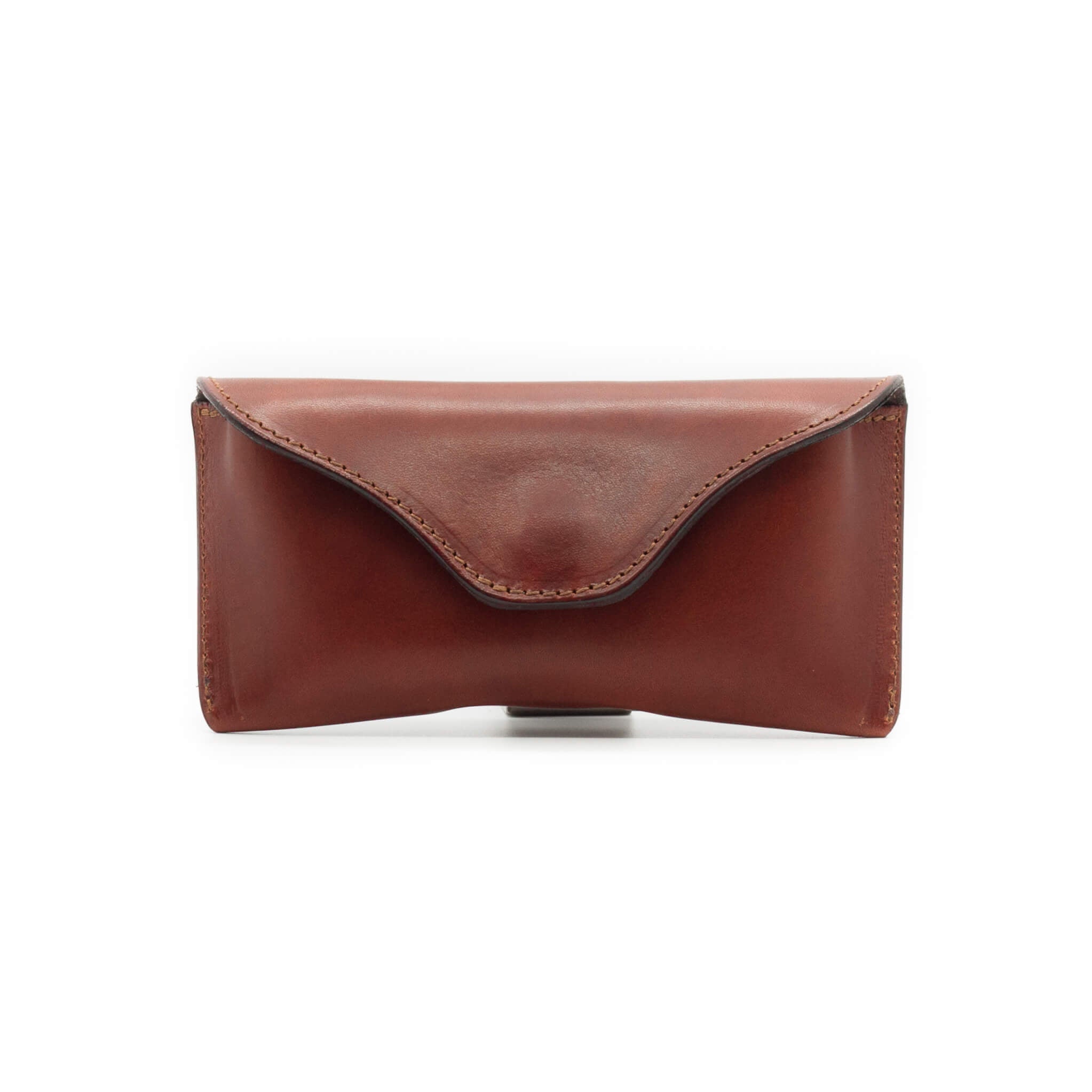
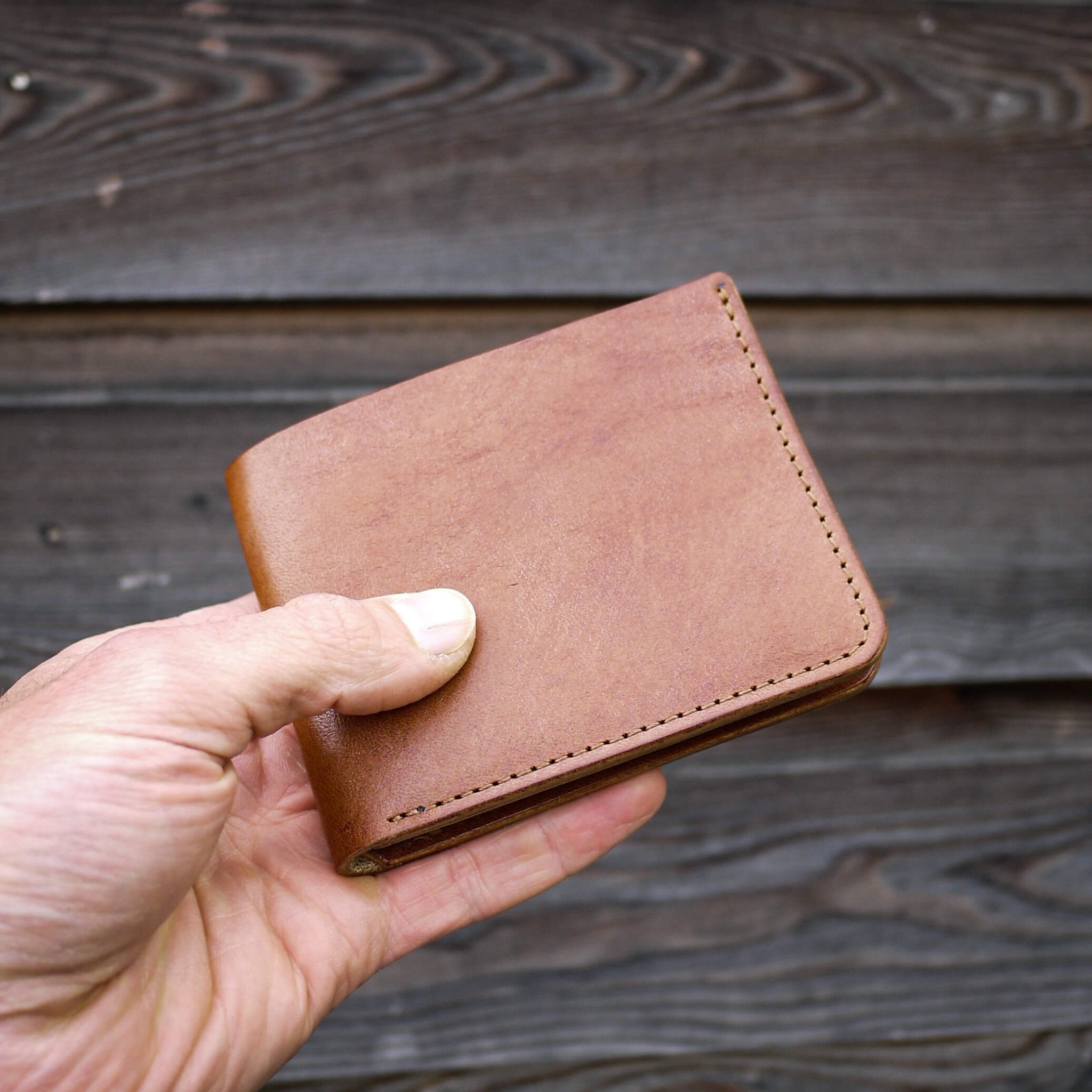
Proper leather. Made slowly, to last. Tanner Bates use traditional saddlery skills to handmake belts, bags and wallets from full-grain leather in their Devon workshop. Each piece feels solid, smells like real leather, and picks up character as it’s used. This is leatherwork the old-fashioned way – no shortcuts, no gloss, just well-made things built to wear in beautifully over time.

Tanner Bates Leather Goods FAQs
What makes Tanner Bates leather belts unique?
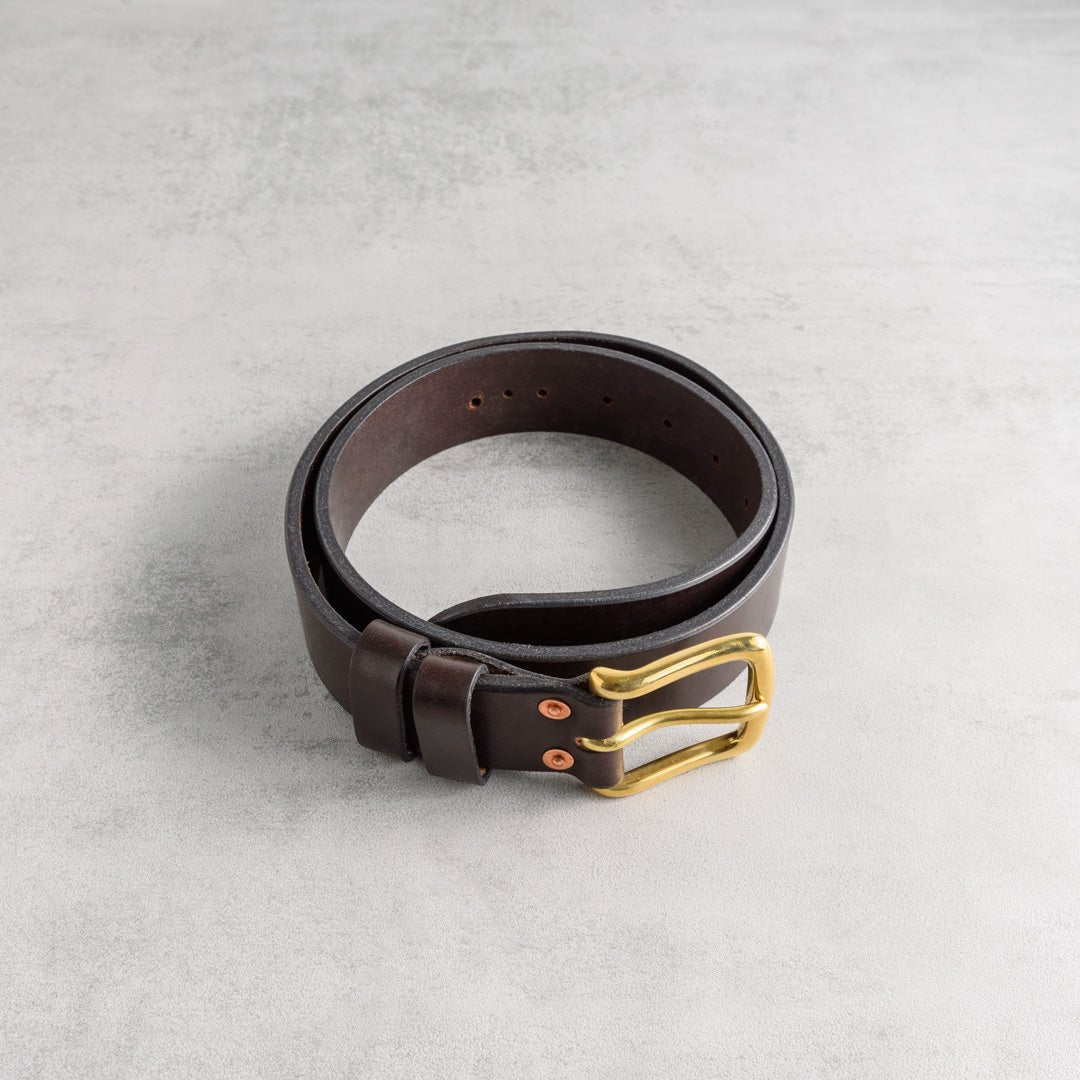
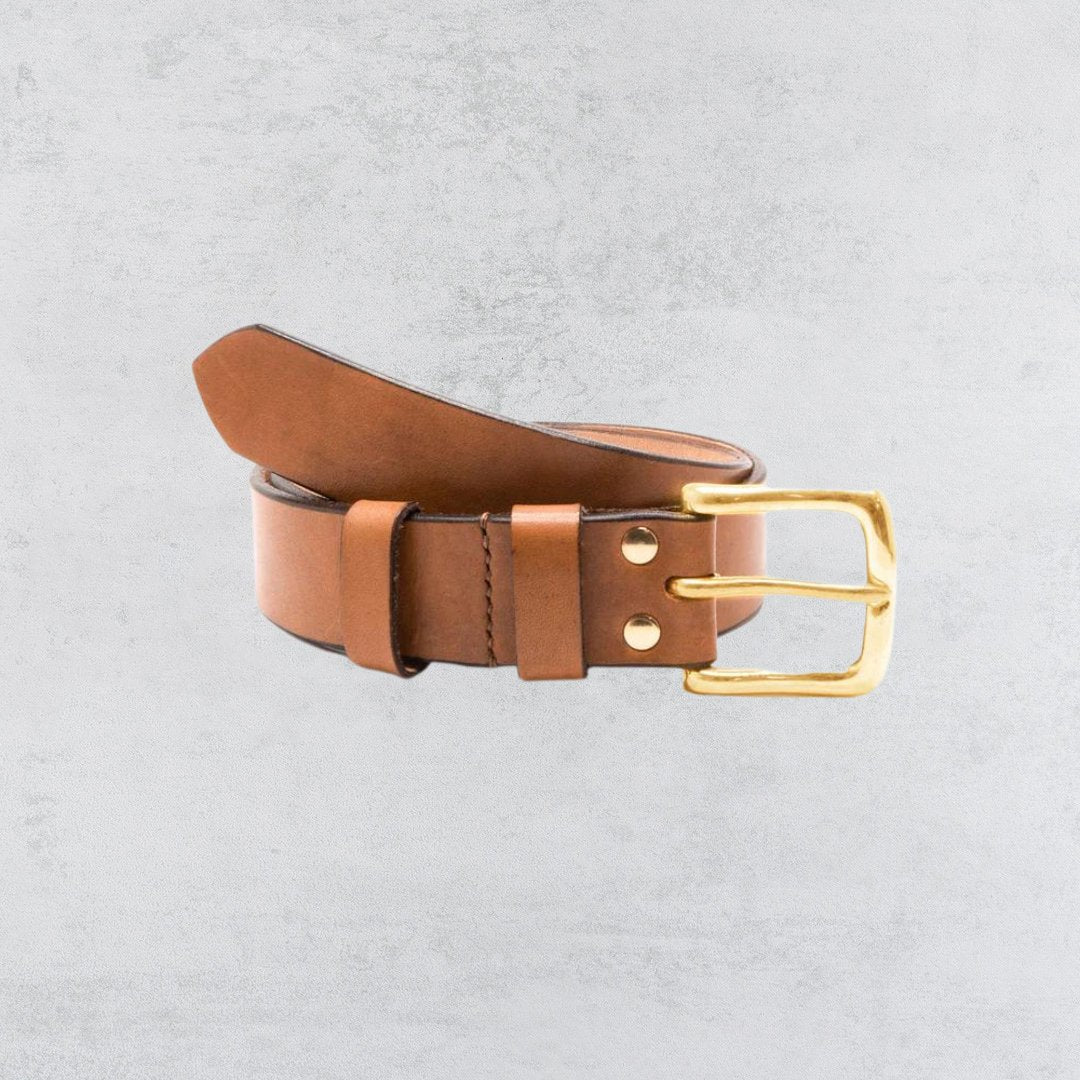
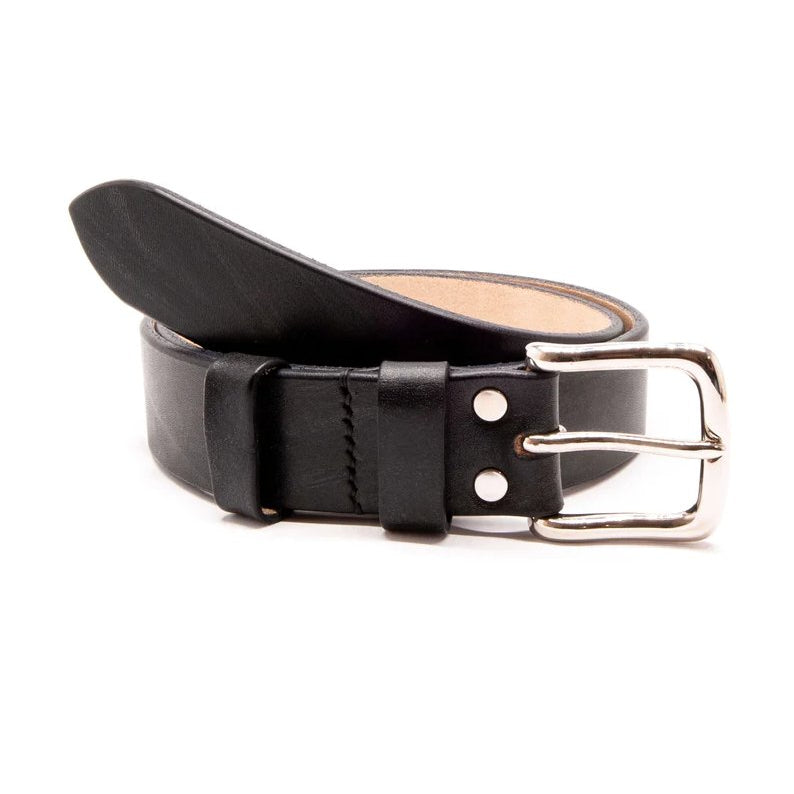
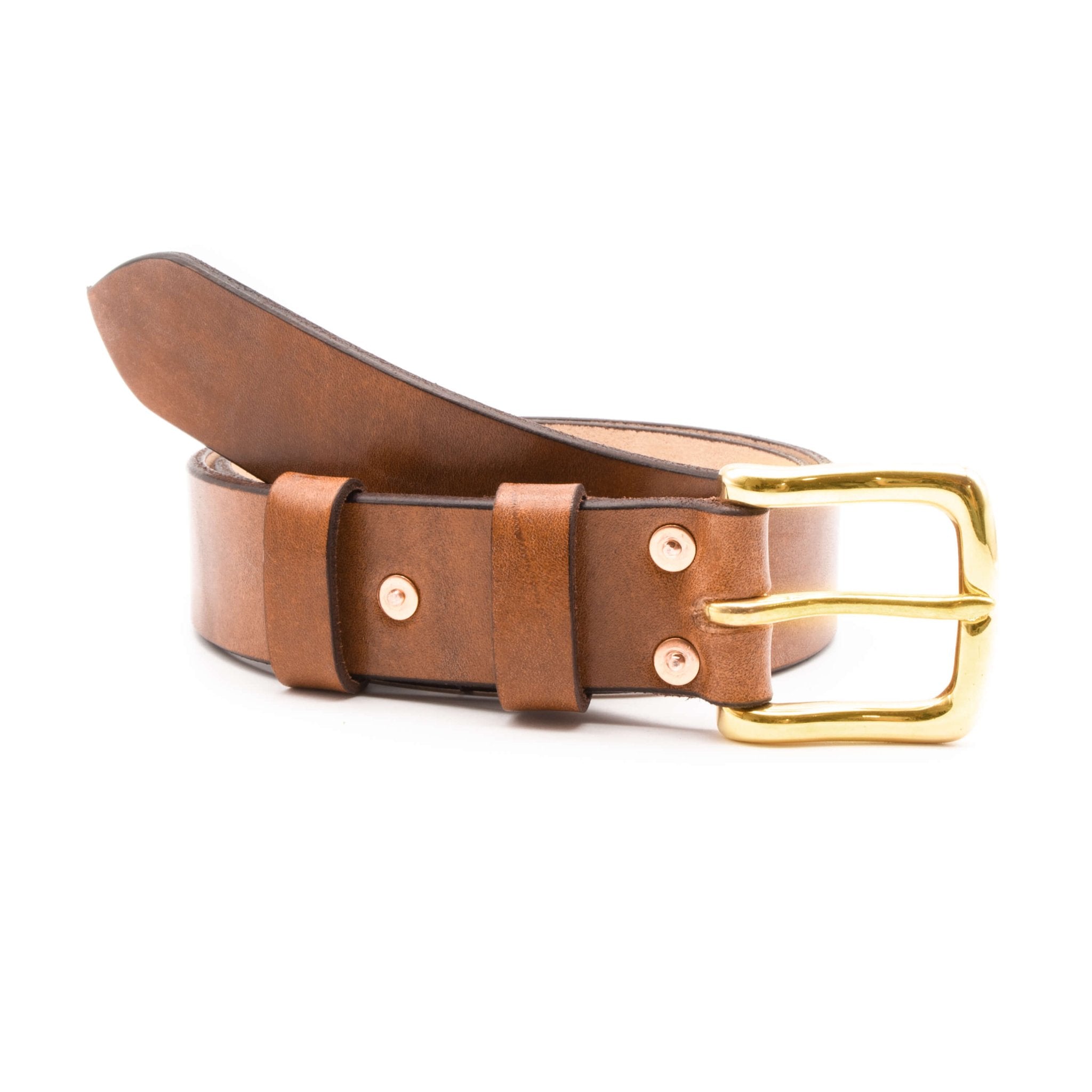
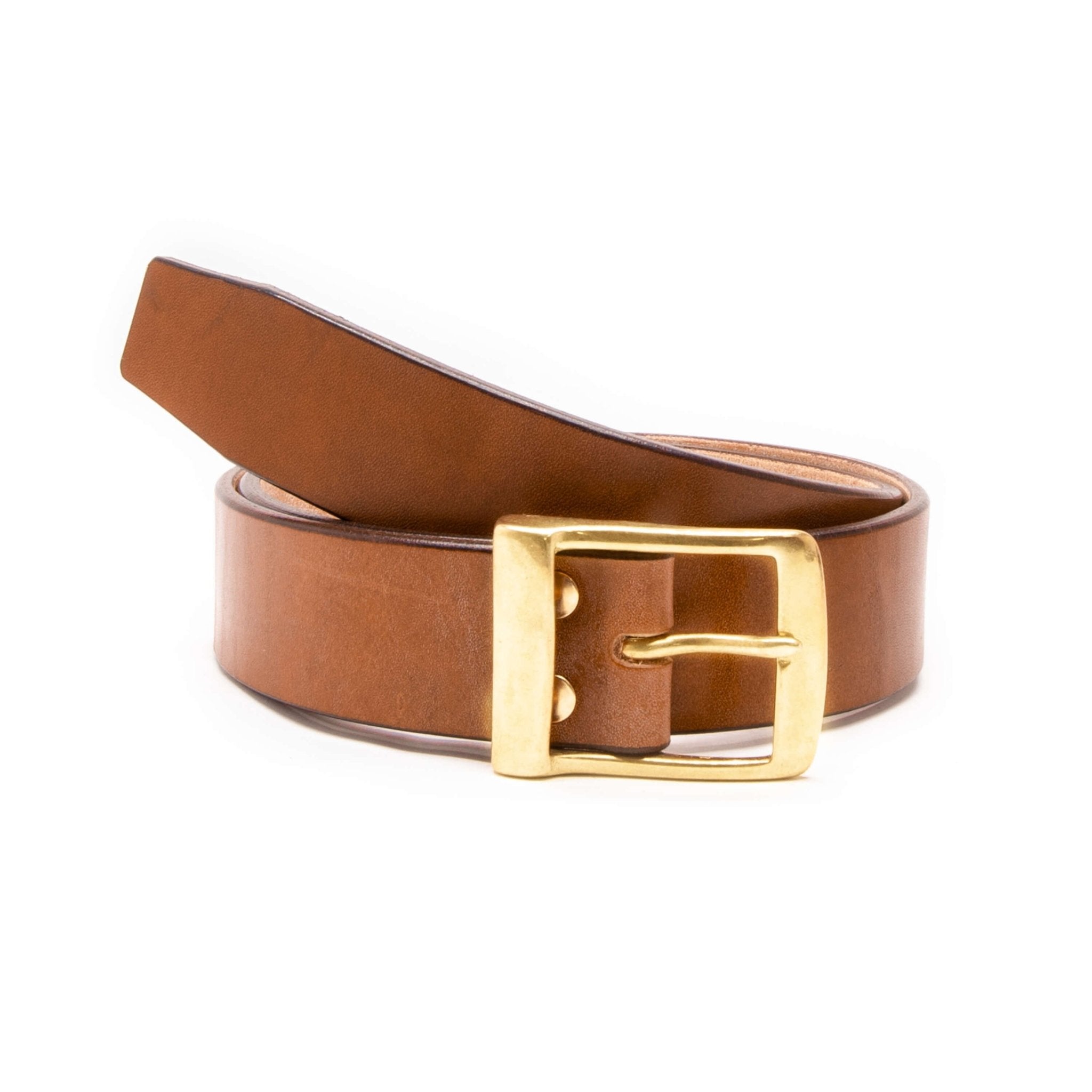
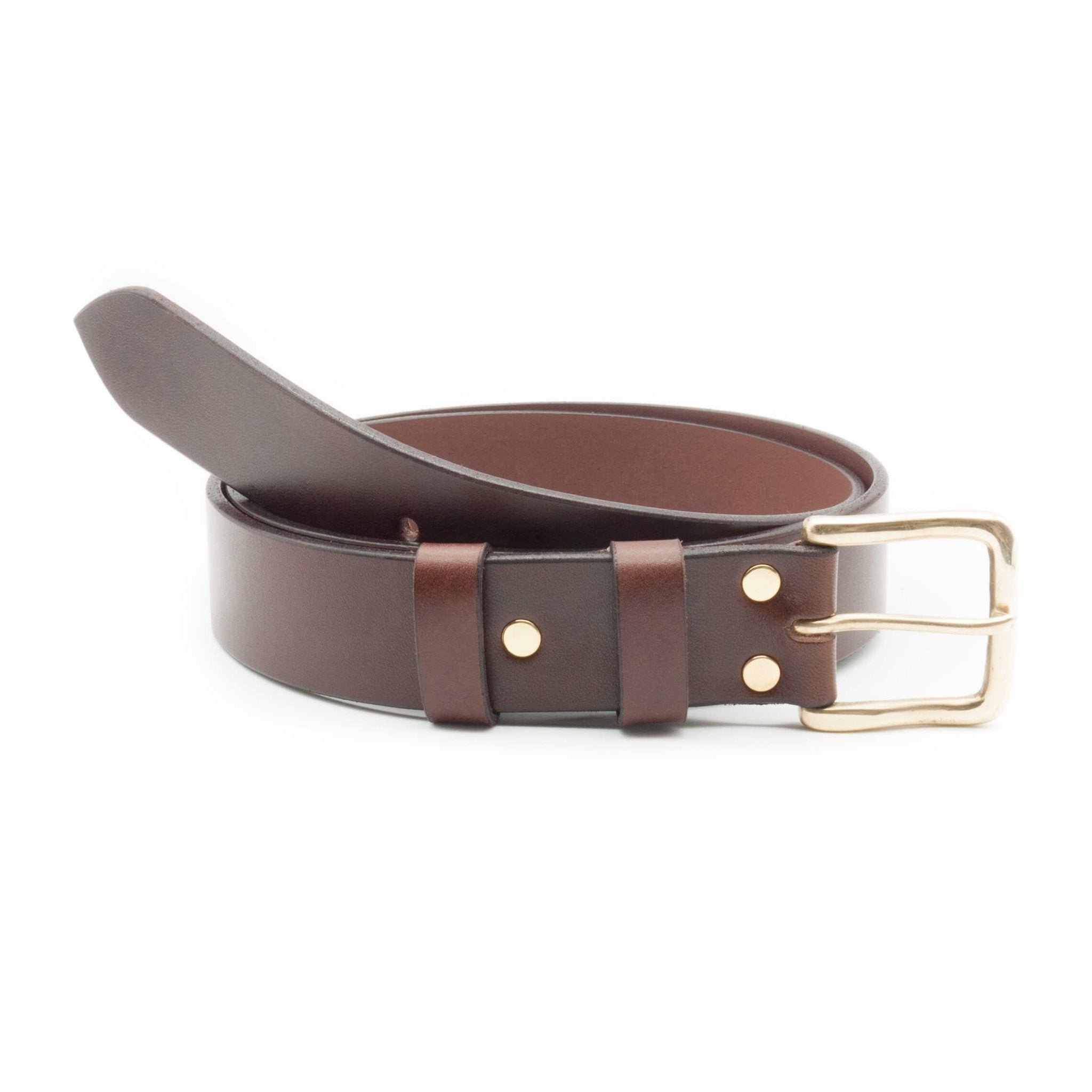
Tanner Bates leather belts are unique thanks to their use of full-grain, oak bark-tanned leather – one of the strongest and most traditional leathers around. Each one is made by hand using classic saddlery methods, with no glue, fillers or mass production. The leather comes from a rare oak bark tannery in Devon and takes over a year to develop its rich strength. With time, your belt softens and forms a handsome patina. It’s heritage in belt form. Learn more about how we find the most durable, buy-it-for-life products here.
How should I care for my leather belt to keep it supple and strong?
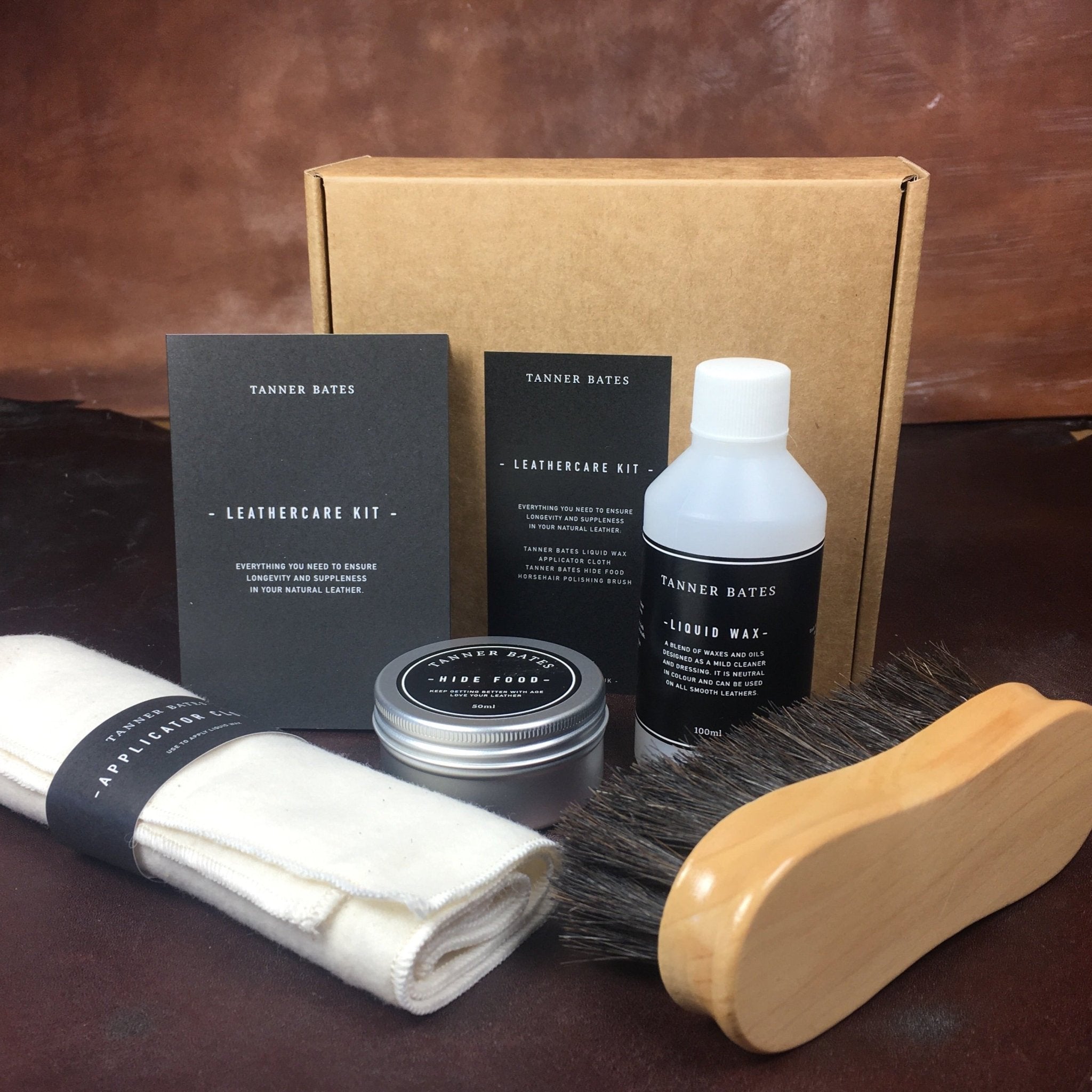
To keep your leather belt supple and strong, wipe it gently with a damp cloth and use a natural conditioning balm a few times a year. Store it rolled or flat in a dry spot, away from radiators or direct sun – leather isn’t a fan of extremes. Like a good pair of shoes, regular care goes a long way in preventing cracks and keeping things limber. For more detailed tips, read what you need to know about leather care.
What are the longest-lasting leather belts you offer?
The longest-lasting leather belts we offer are made from full-grain, oak bark-tanned leather – a time-honoured British tanning process that takes over 12 months. This creates an incredibly tough yet supple hide that develops character with age. Add solid brass buckles and saddle stitching, and you’ve got a belt built to outlast the lot. With proper care, these are the kind of belts you might hand down rather than throw out. Learn about how we choose products for longevity.
Can leather belts be recycled or repurposed?
Yes, leather belts can be repurposed, especially high-quality ones like Tanner Bates. While traditional recycling for leather is limited, old belts can live on as key fobs, drawer pulls, or decorative loops in crafty hands. Because they’re made from solid full-grain leather with no synthetic fillers, they’re perfect for reuse. It’s one more reason to buy better in the first place.
How are Tanner Bates belts and bags traditionally made?
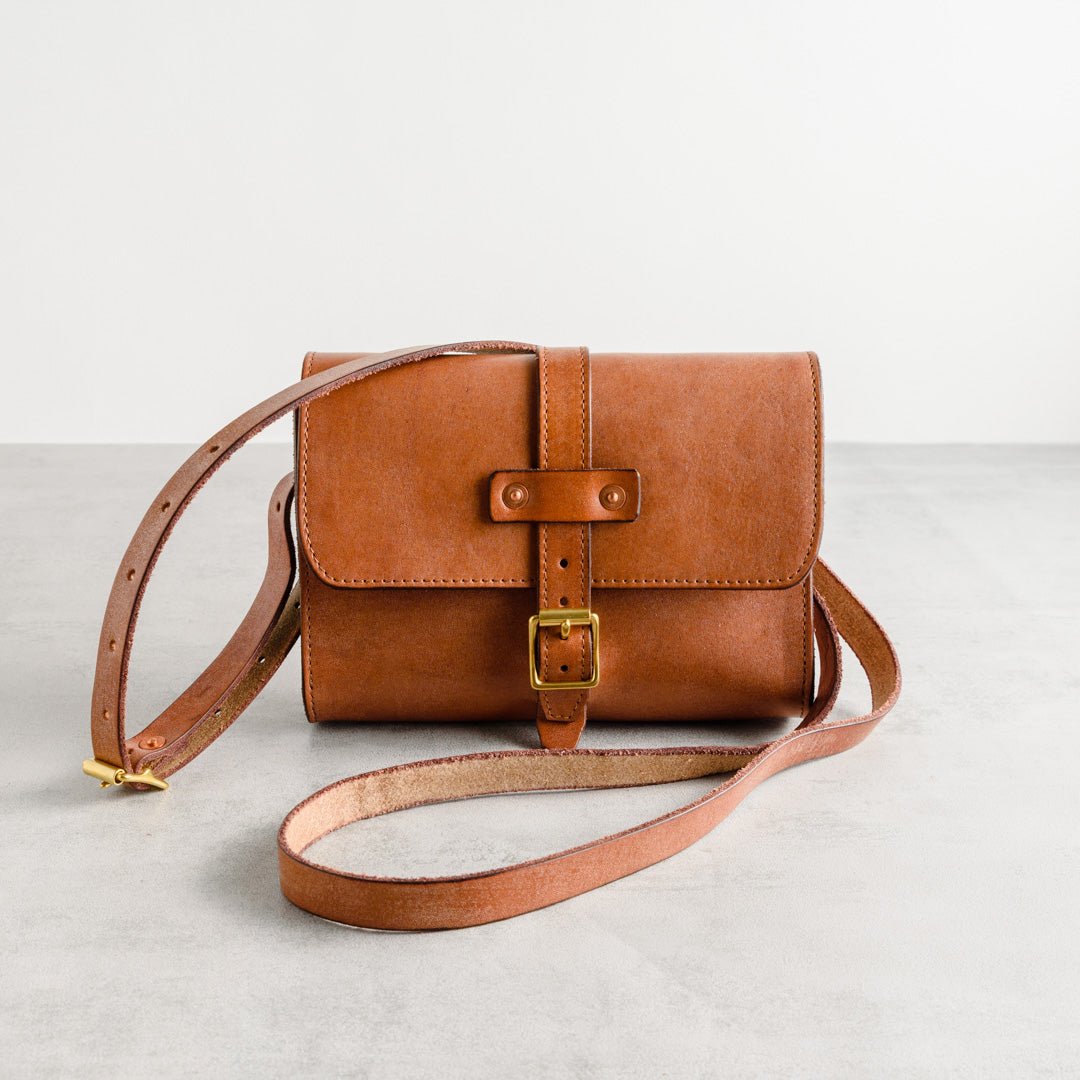
Tanner Bates belts and bags are traditionally made using time-served saddle-making techniques and honest hand tools. Every item is hand-cut, stitched, and edge-finished using leather from a West Country oak bark tannery – a process that takes over a year. Solid metal buckles and slow, careful work mean each piece is built to last and repair beautifully. Find more in our durable-mens-accessories collection.
Why do leather belts sometimes crack, and how can I prevent it?
Leather belts sometimes crack when they dry out or face too much sun, heat or low-grade materials. To prevent it, go for a high-quality full-grain leather belt (like Tanner Bates offers) and use leather balm a few times a year. Avoid leaving it on the radiator or in the car during a heatwave. A little care now saves grief and splitting later on.
Can leather belts get wet, and what should I do if they do?
Leather belts can get wet now and again, but it’s best to keep them dry when you can. If yours does get soggy, pat it dry with a cloth and let it air dry slowly – no hairdryers, please. Once dry, rub in a leather balm to keep it supple. Full-grain leather like Tanner Bates uses can bounce back well, as long as it’s not drenched every other day.
