

Cleaning & Bins
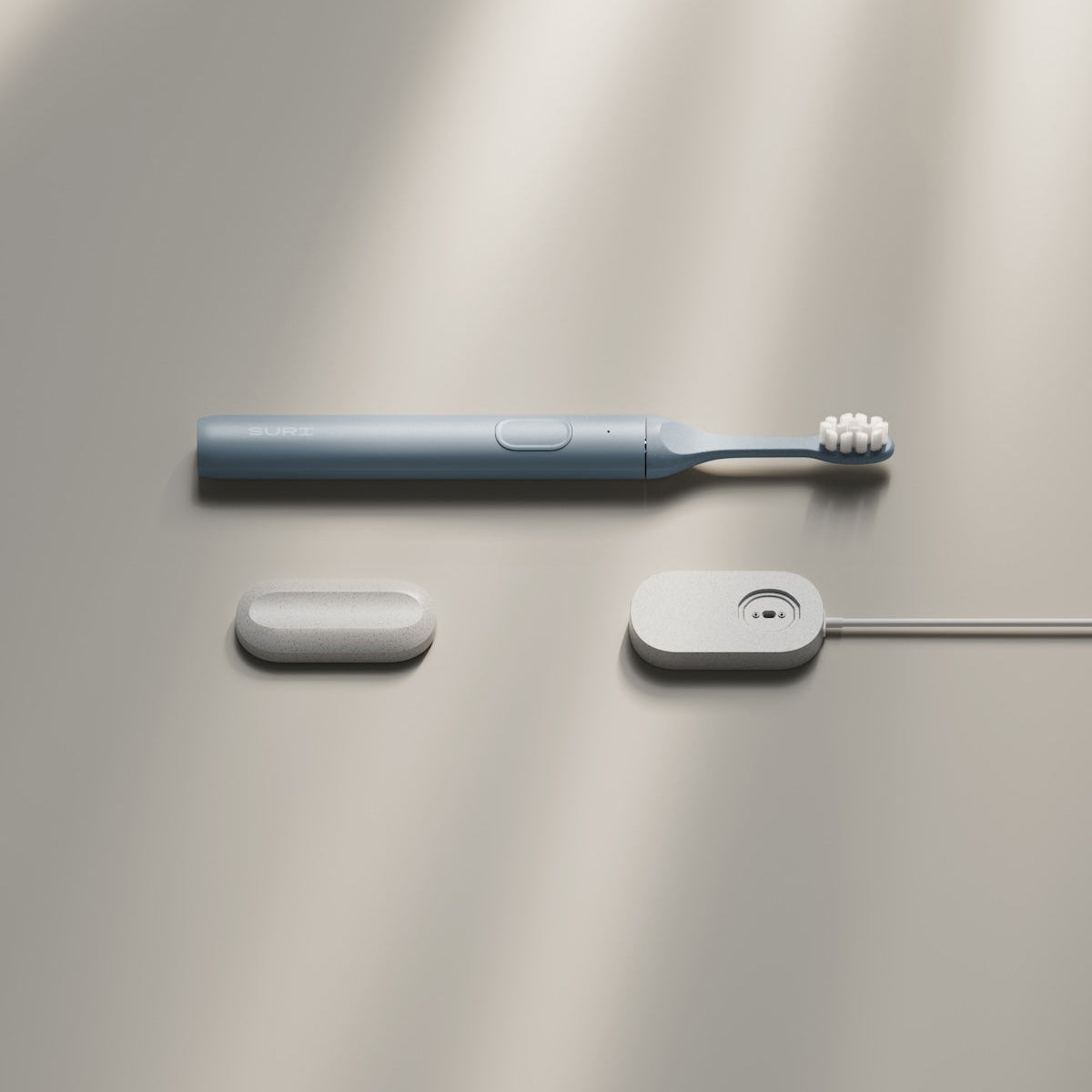
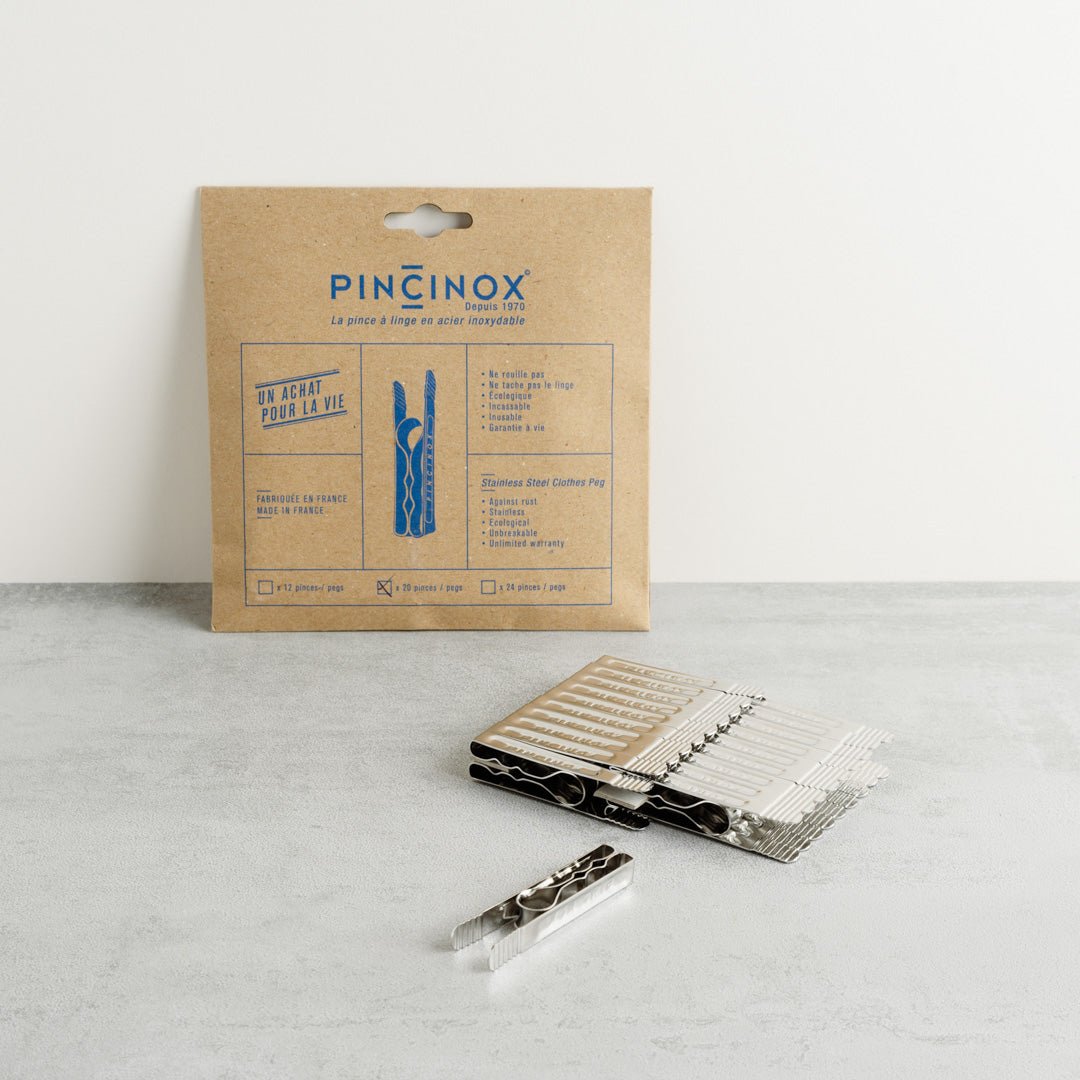
Reliable, long-lasting bin and cleaning essentials that won't let you down. From solid wheelie bins to cleverly tough pegs and plant-based cleaners, everything here is made to work well - and keep working. No flimsy plastic, no faff. Just dependable cleaning gear that does its job without fuss. Good for your home, better for the planet.


Cleaning & Bins FAQs
What cleaning products are safe to use around pets and children?
The best cleaning products for homes with pets and children are non-toxic, fragrance-free, and free from harsh chemicals like bleach and ammonia. Look for natural options with safety certifications, and keep them well out of reach. Even plant-based cleaners can be risky if swallowed, so it’s worth checking the label. Bicarbonate of soda and vinegar are safe household staples. For extra peace of mind, go for formulas that list all their ingredients - no greenwash, thanks.
Which is the most reliable cleaning brand for long-term household use?
The most reliable cleaning brands for long-term use tend to offer refillable bottles, solid formulas, and proper eco credentials. Look for brands that use concentrates or tablets in reusable containers. B-Corp status, Ecolabels, and transparent sourcing are all good signs. A decent cost-per-use and proven performance help too - especially for the daily grime battlers. Our cleaning range is full of resilient options, all vetted for durability. Learn more on our product testing page.
How do I store cleaning products to keep them effective and safe?
Store your cleaning products somewhere cool, dry, and out of reach of little hands or paws. Heat and humidity can degrade their ingredients, making them less effective. Keep bottles sealed tightly to avoid leaks or product evaporation. Original labels are worth holding onto for safety instructions. It’s also handy to group products by room or use - no one wants to rummage mid-scrub. And steer clear of stashing them near any food.
Are natural cleaning solutions as effective as chemical ones?
Natural cleaning solutions can be surprisingly effective for day-to-day jobs like wiping surfaces or tackling limescale. They’re gentler on skin, homes, and the planet. That said, if you're disinfecting after illness or prepping food, stronger chemical cleaners may be better suited. Many natural brands now test their products in labs, so check for verified claims. It’s all about choosing the right tool for the task, really.
Can I make my own eco-friendly cleaning products at home?
Yes, making your own eco-friendly cleaning products at home is simple and satisfying. Basic ingredients like white vinegar, bicarbonate of soda, lemon, and castile soap can tackle most messes. DIY formulas work well on surfaces and windows, though they’re less reliable for serious disinfecting. Always label your creations properly and check surface compatibility - vinegar can damage stone, for example. For more tips, our mindful spring cleaning guide is a great place to start.
What are the best ways to dispose of old or unused cleaning products?
To dispose of cleaning products safely, check if your local council runs a hazardous waste collection. Never pour liquids down the sink unless the label says it’s safe - some ingredients can harm wildlife. If you’ve only got a bit left, a neighbour might take it off your hands. Rinse out empty bottles before recycling, especially if they’re PET or HDPE plastic. Pump tops usually can’t be recycled, so check your local rules or bin them separately.
Where can I find durable, long-lasting bins that won’t crack or rust?
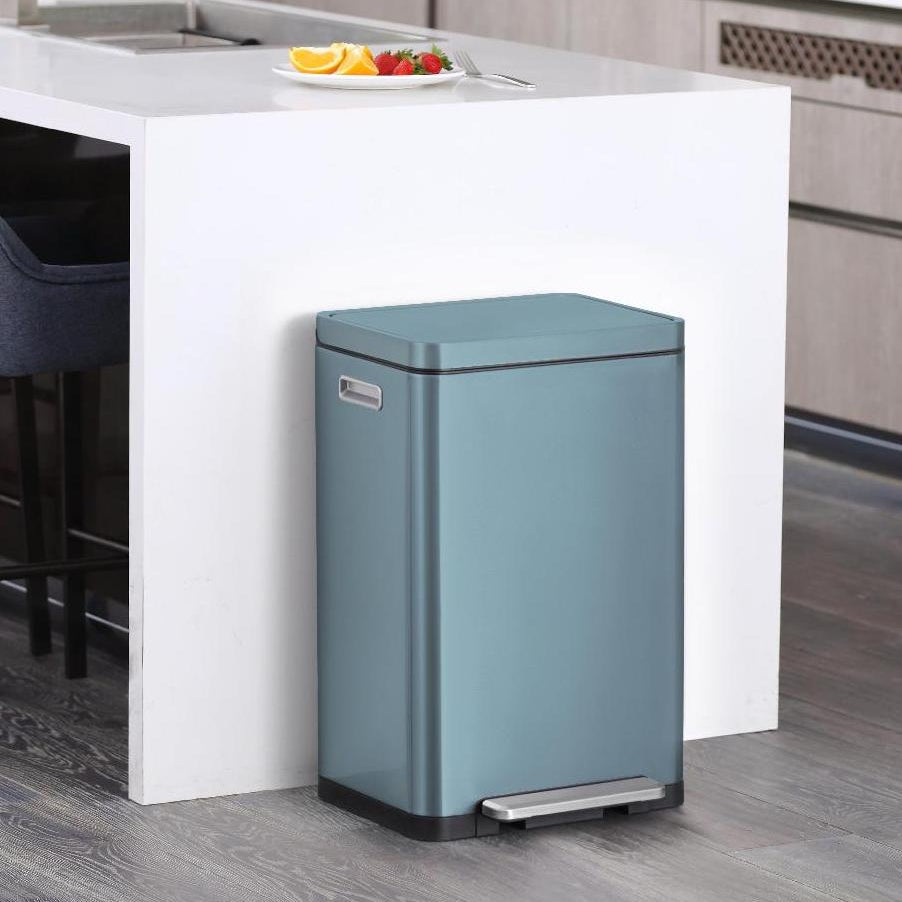
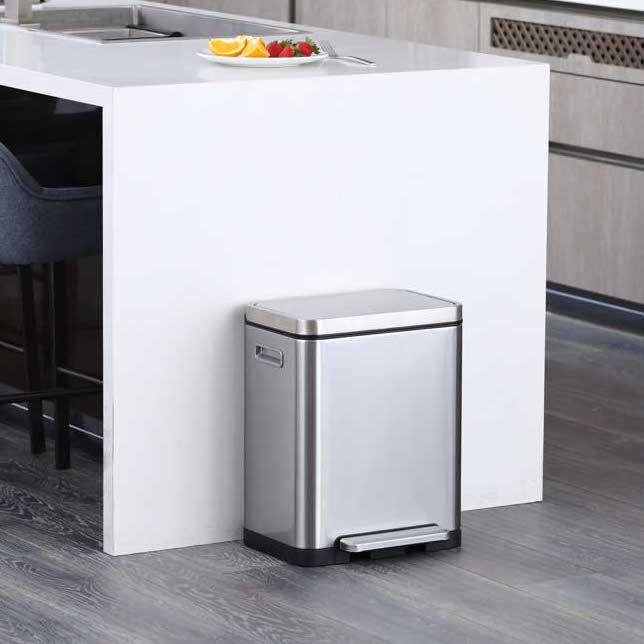
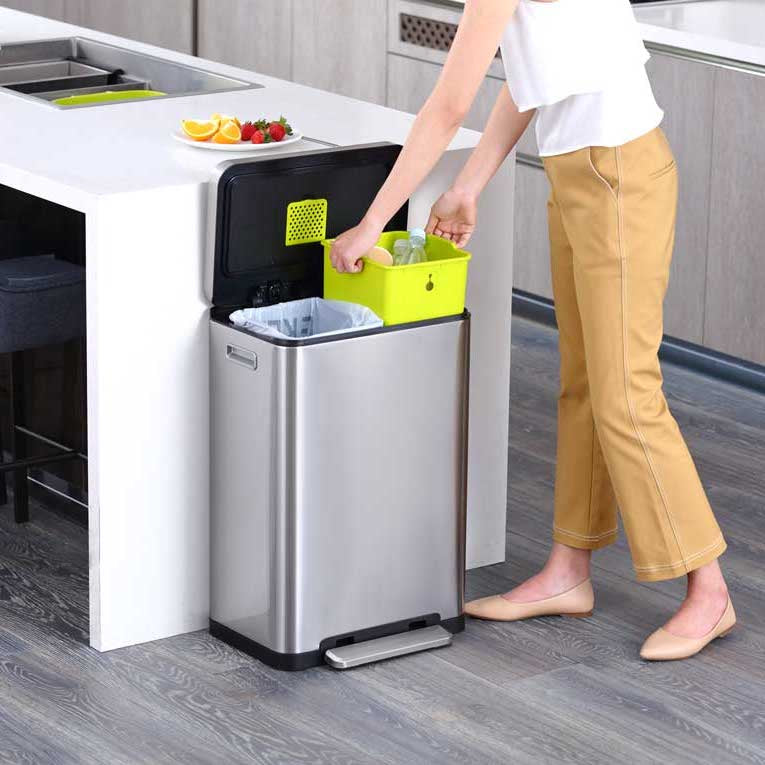
For bins that go the distance, look for high-grade stainless steel or tough recycled plastic - both resist wear and tear. Stainless steel doesn’t rust or dent easily, and quality plastic won’t split under pressure. Features like wipe-clean surfaces and replaceable parts (like lids or pedals) make life easier and cleaner. Some brands even offer 10-year guarantees, which is always a good sign. Have a browse through our cleaning & bins collection for trusted options.
