
Discover Materials
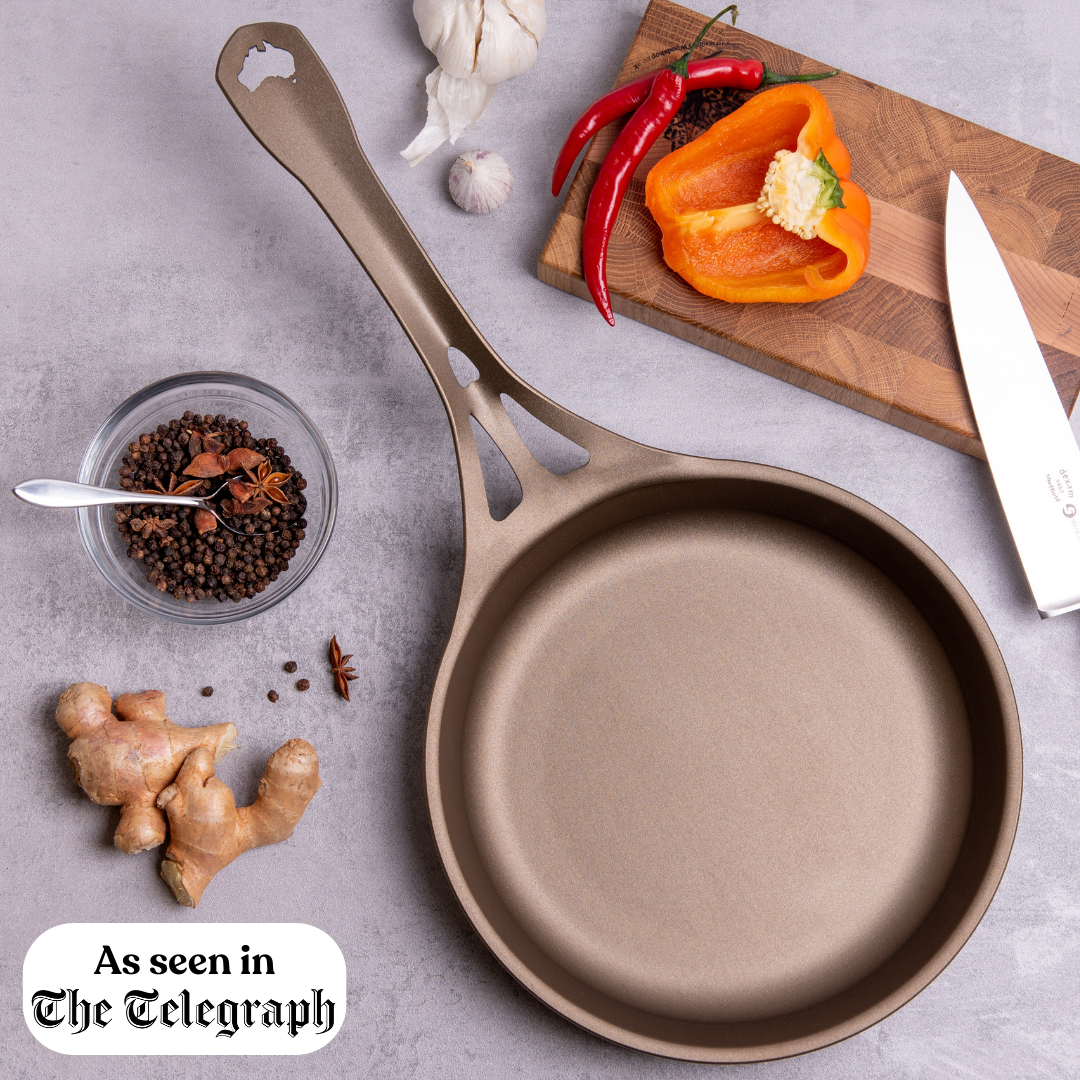
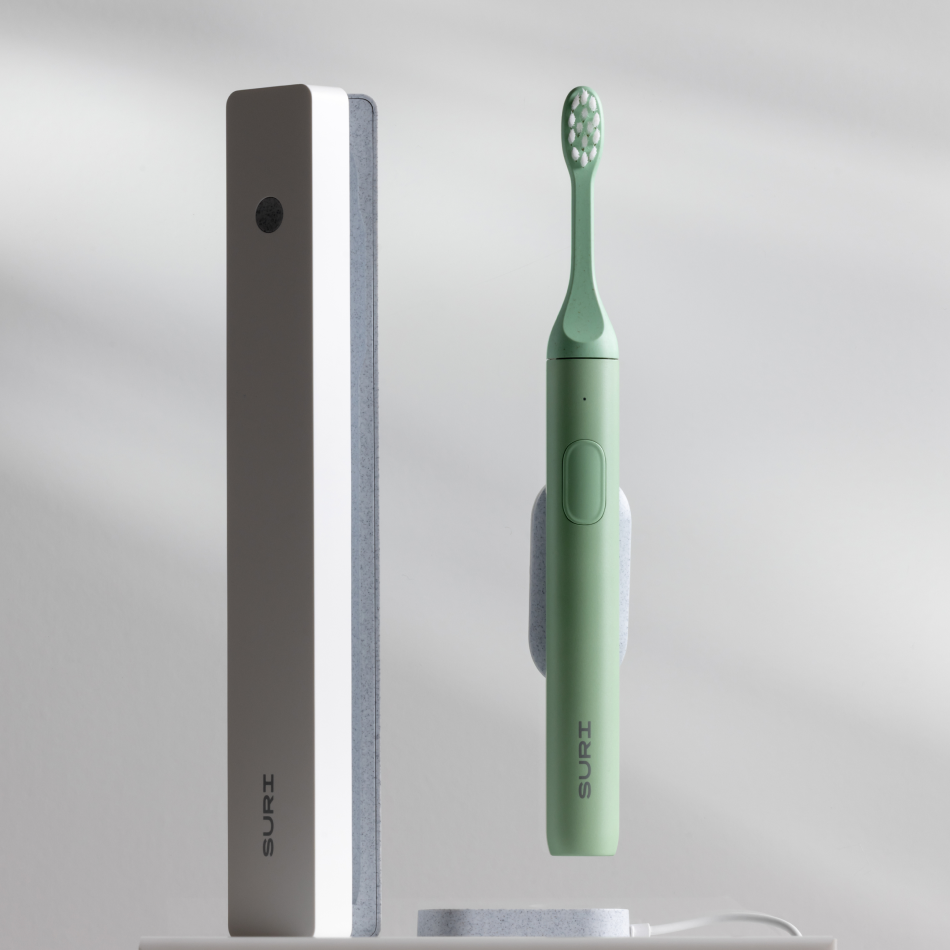
Materials that are made to last. From solid cast iron to crisp linen and raw denim, we choose materials that earn their keep. Nothing flimsy. Nothing throwaway. Just dependable stuff with proper heft and staying power. If it’s in this range, it’s here for a reason – and built to be used again and again.







FAQs about Durable Materials
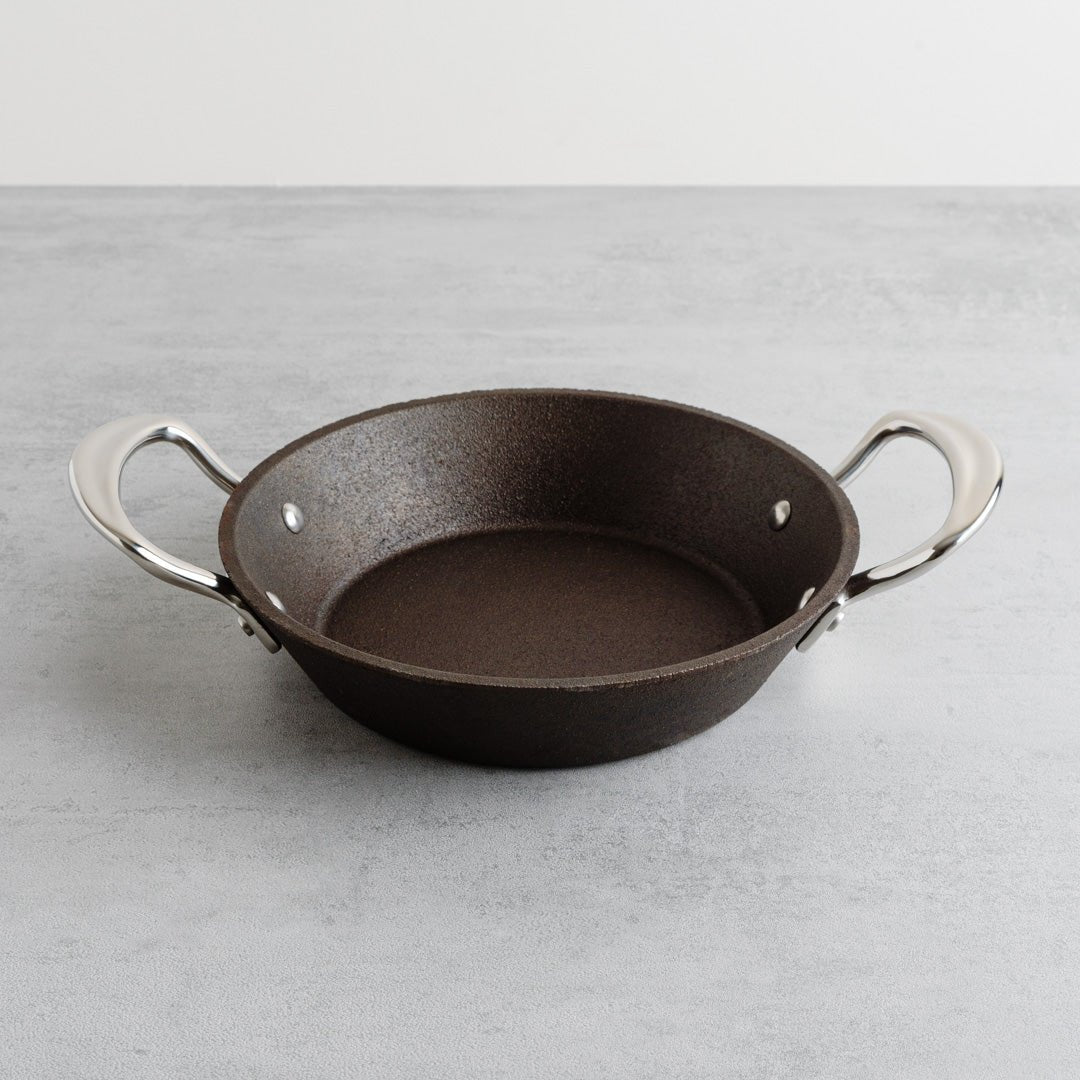
How do you season a cast iron pan properly?
To season cast iron properly, wash and dry it thoroughly, then rub on a thin layer of neutral oil (like flaxseed or rapeseed). Pop it upside down in the oven at 230°C for an hour, with a tray underneath to catch any drips. Leave it to cool inside the oven. This hardens into a slick, non-stick coating known as seasoning. If your pan’s brand new or recently stripped, repeat the process a couple of times. Avoid using olive oil or slapping on too much – less really is more. For step-by-step tips, visit our how to season your cast iron skillet guide.
What's the best way to clean a rusty cast iron pan?
The best way to clean a rusty cast iron pan is to scrub off the rust with steel wool or a stiff brush, then rinse and dry it thoroughly. Once you see bare metal, it’s time to re-season by oiling lightly and baking at 230°C for an hour. This brings back the pan’s protective, non-stick coating. Cast iron really is built for life, but it does like a bit of TLC now and then. Need help? Our care and repair blog hub has your back.
Which are the most durable materials for long-lasting kitchenware?
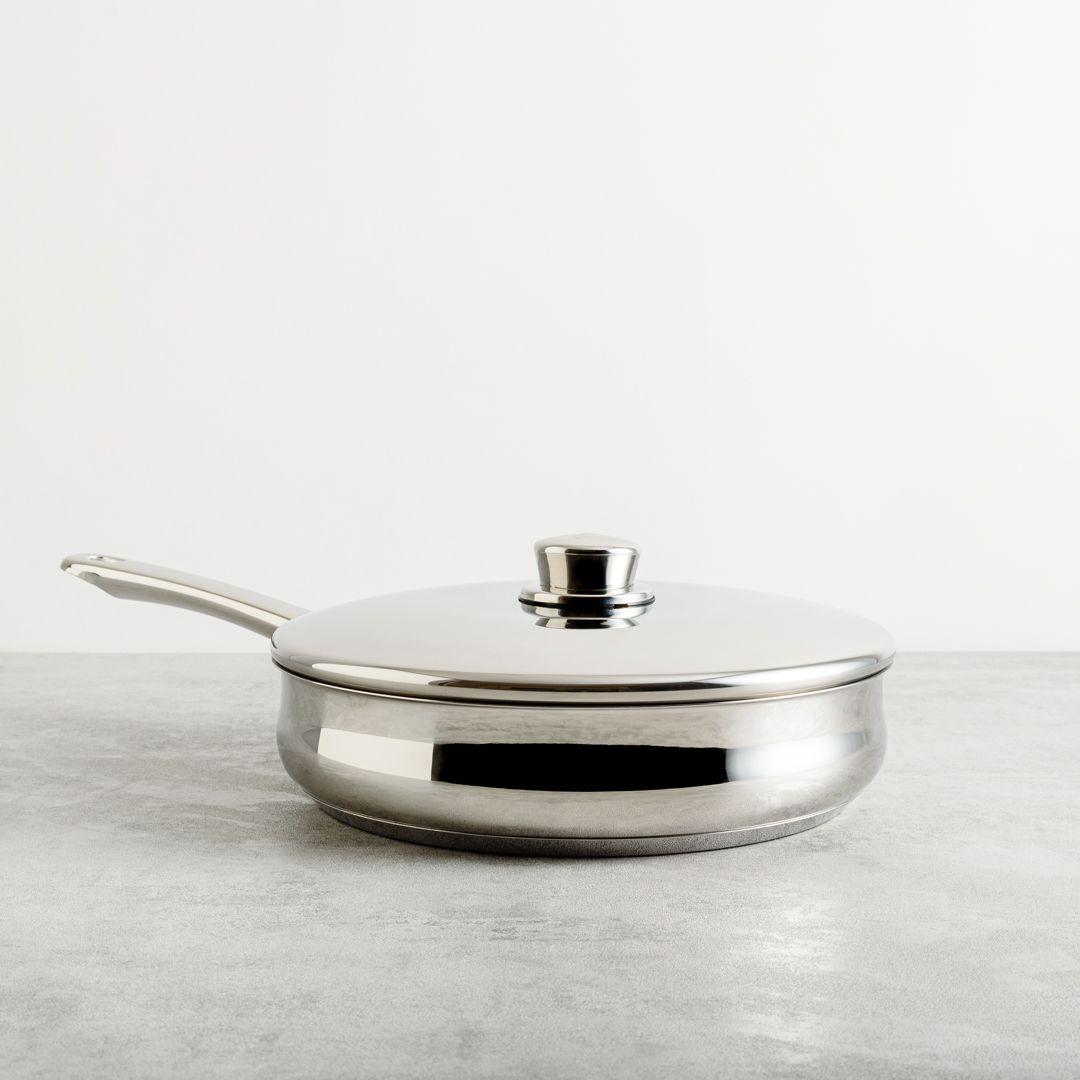
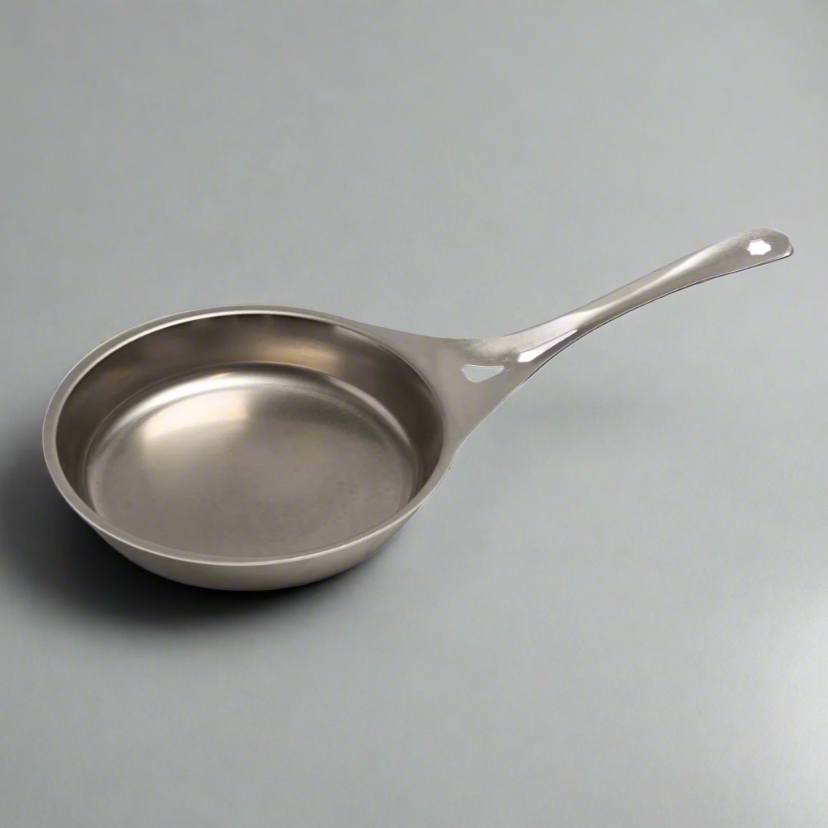
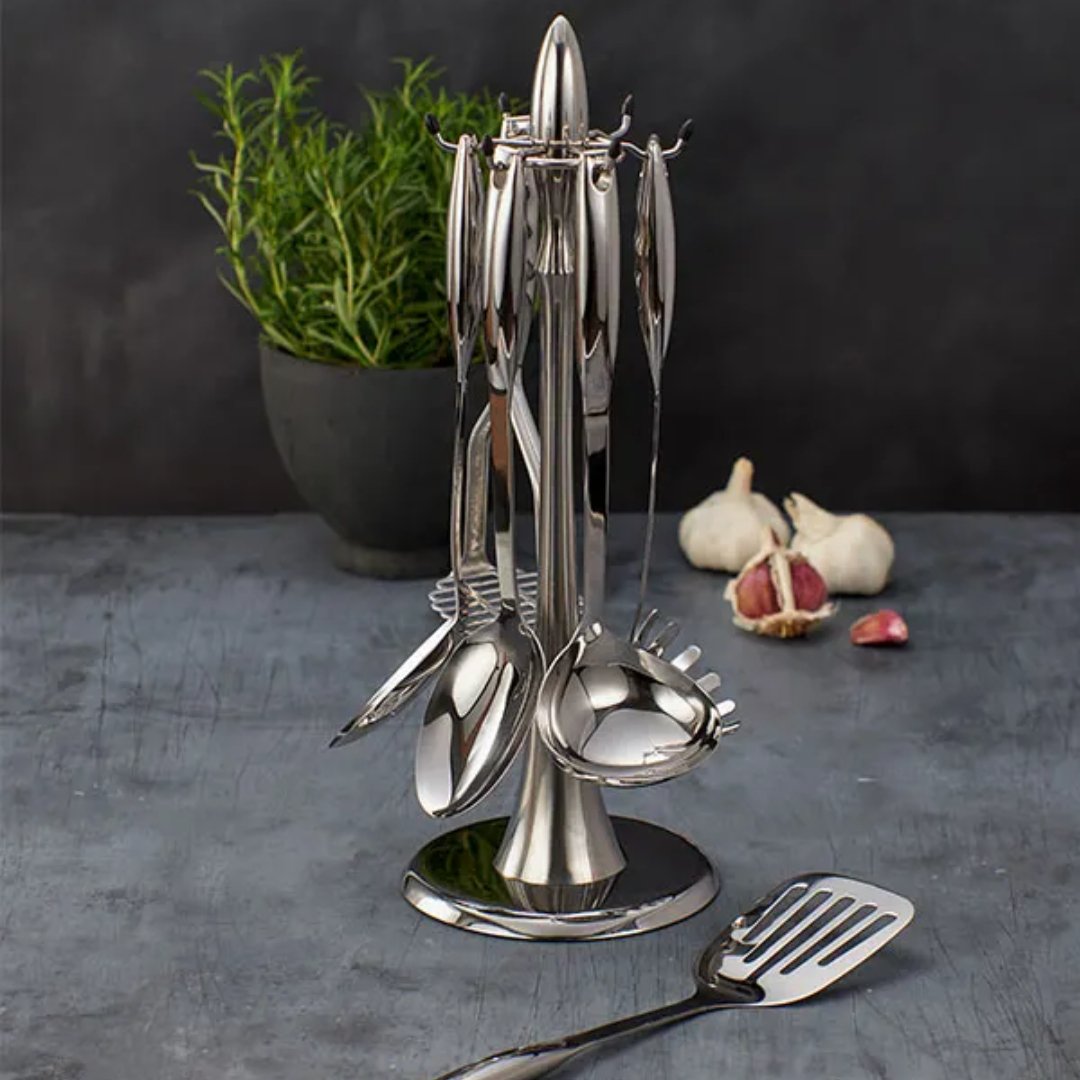
The most durable materials for long-lasting kitchenware include cast iron, carbon steel, stainless steel, and borosilicate glass. These stalwarts can handle high heat, resist wear, and some even carry lifetime guarantees. Cast iron holds heat beautifully, stainless steel is tough as old boots, and good glass won’t crack under pressure. With proper care, they can see you through decades of dinners. Explore our high-quality-durable-kitchenware collection, or peek behind the curtain on how we pick them.
Can cast iron be used on induction hobs?
Yes, cast iron can be used on induction hobs with no fuss at all. It’s magnetic, so it heats up nicely and holds that heat like a champ. Just watch the weight – cast iron can scratch glass surfaces if dragged rather than lifted. A quick wipe-down before cooking helps keep things spotless. For versatility and staying power, cast iron’s a proper star across all hob types, including induction.
What’s the correct way to care for cast iron over time?
The correct way to care for cast iron over time is to wash it by hand without soap, dry it straight away, and oil it now and then to keep the seasoning strong. Skip the dishwasher and resist soaking – both invite rust. If rust does sneak in, it’s usually reversible. With a bit of regular upkeep, cast iron will stick with you for decades. For more tips, visit our Product Care & Repair articles.
What makes raw denim different from regular denim?
Raw denim, also known as dry denim, hasn’t been washed or pre-faded, which helps it last longer than regular denim. It’s tougher at the start, but shapes itself to you over time, showing unique wear patterns. While it asks for less washing, it gives back in years of wear if you treat it right. Many raw denim fans wear the same pair for months before washing – if that’s your cup of tea.
Is stainless steel really maintenance-free?
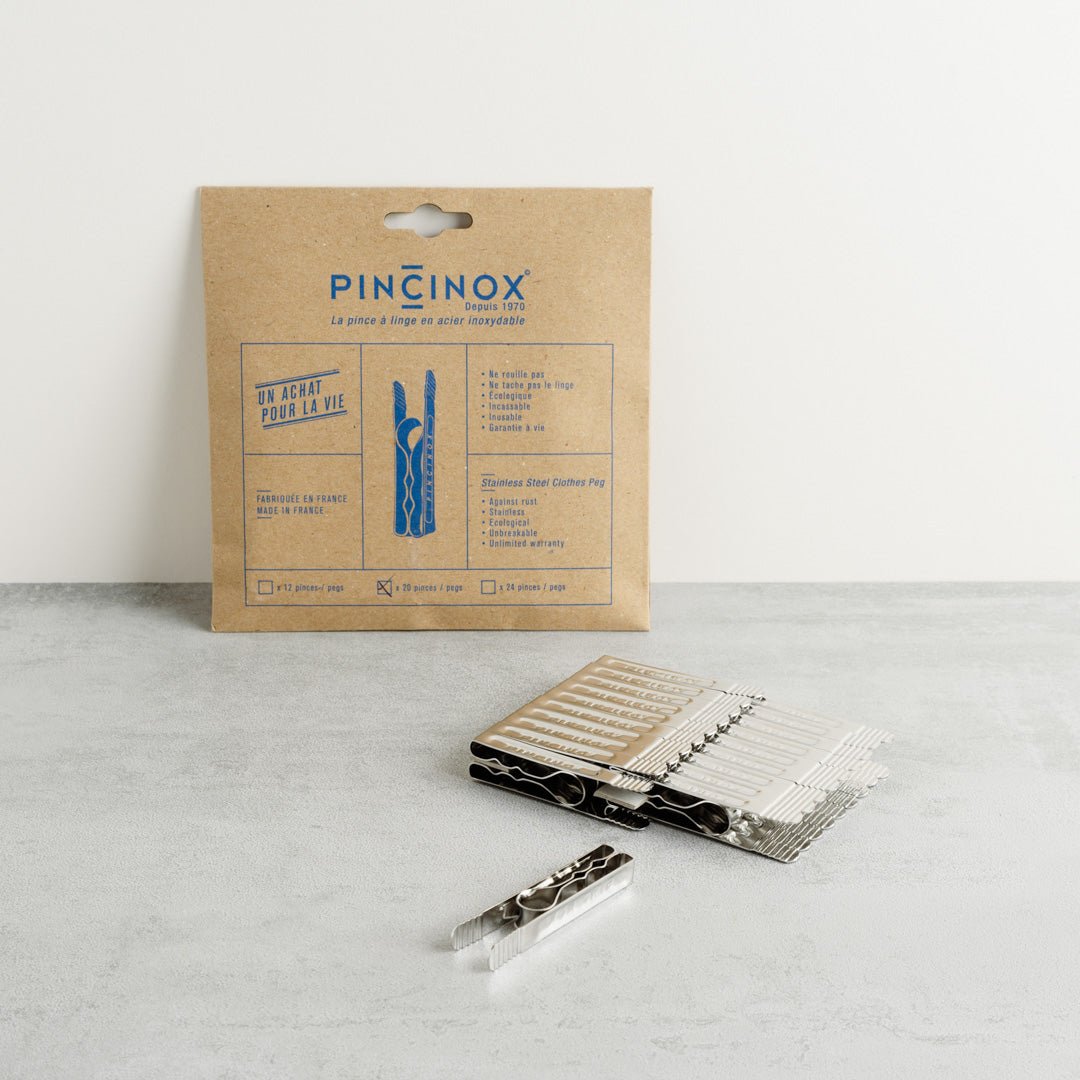
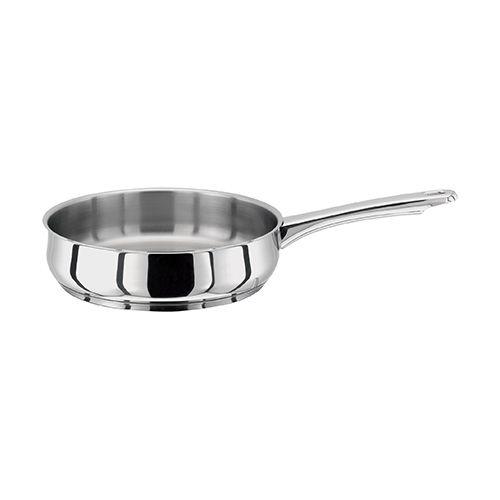
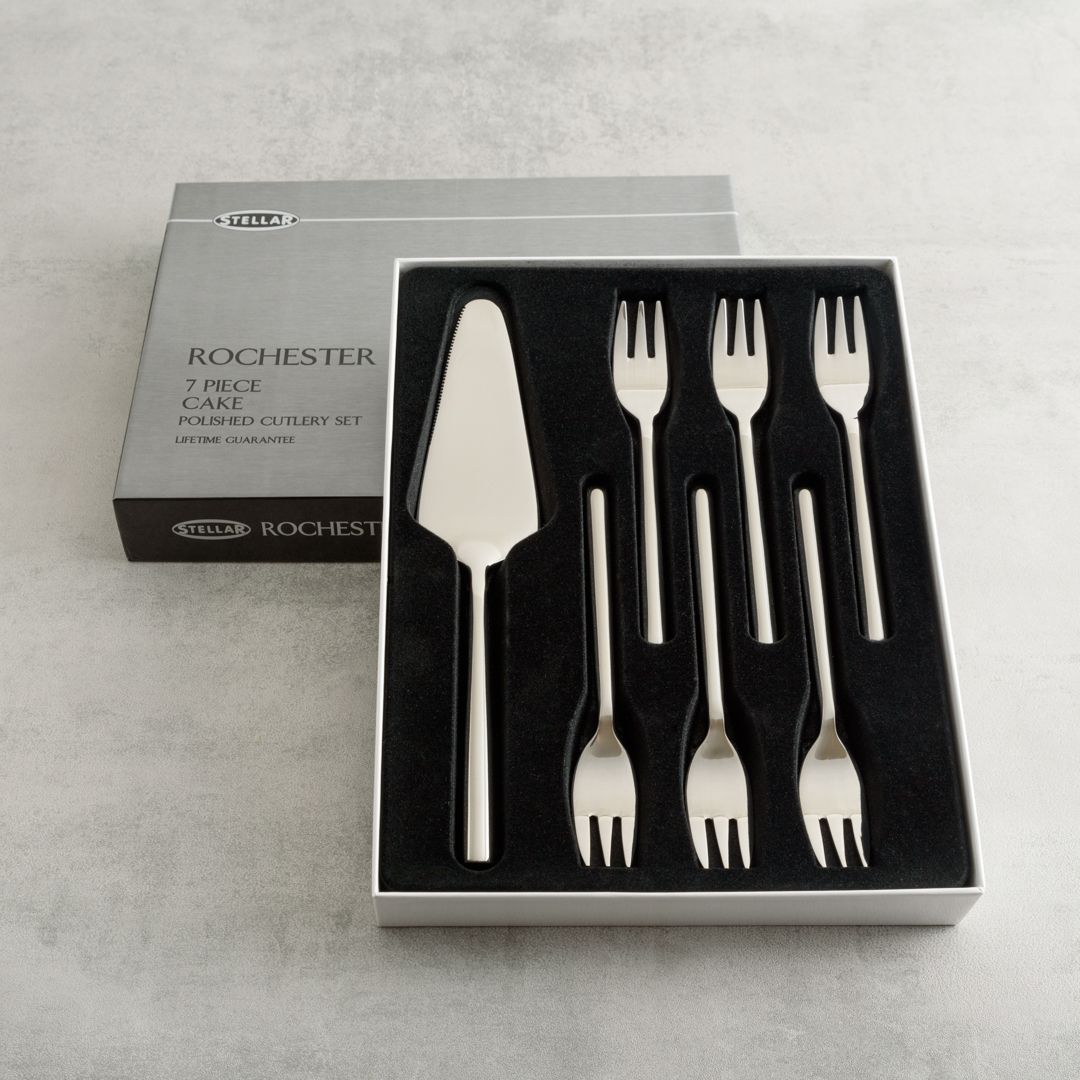
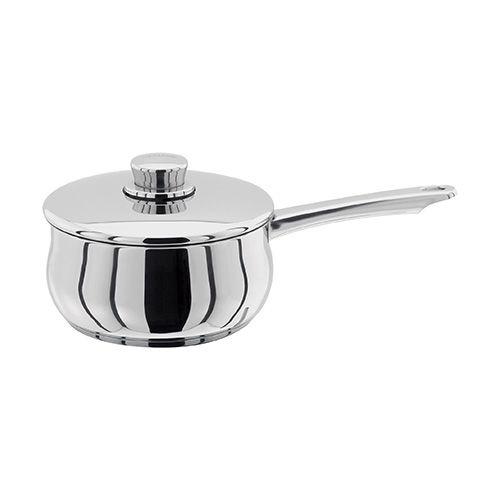
Stainless steel is wonderfully low-maintenance, but not quite maintenance-free. It shrugs off rust and staining well, especially if cleaned soon after use. Give it a gentle wash and avoid harsh scourers or letting salty stews sit too long. Look after it, and it’ll repay you in decades of dependable use – many stainless steel products even come with lifetime guarantees.
