
For Klaviyo - Not on sale
Women’s jumpers and cardigans that feel good from the first wear - and for many winters after. We look for well-made knits in dependable shapes, using natural fibres where it counts. These are layers that hold their fit, keep you warm, and still look tidy by spring. No fuss, no flimsy fabric - just proper knitwear you’ll come back to.


FAQs About Durable Cookware
What are the longest-lasting types of cookware?
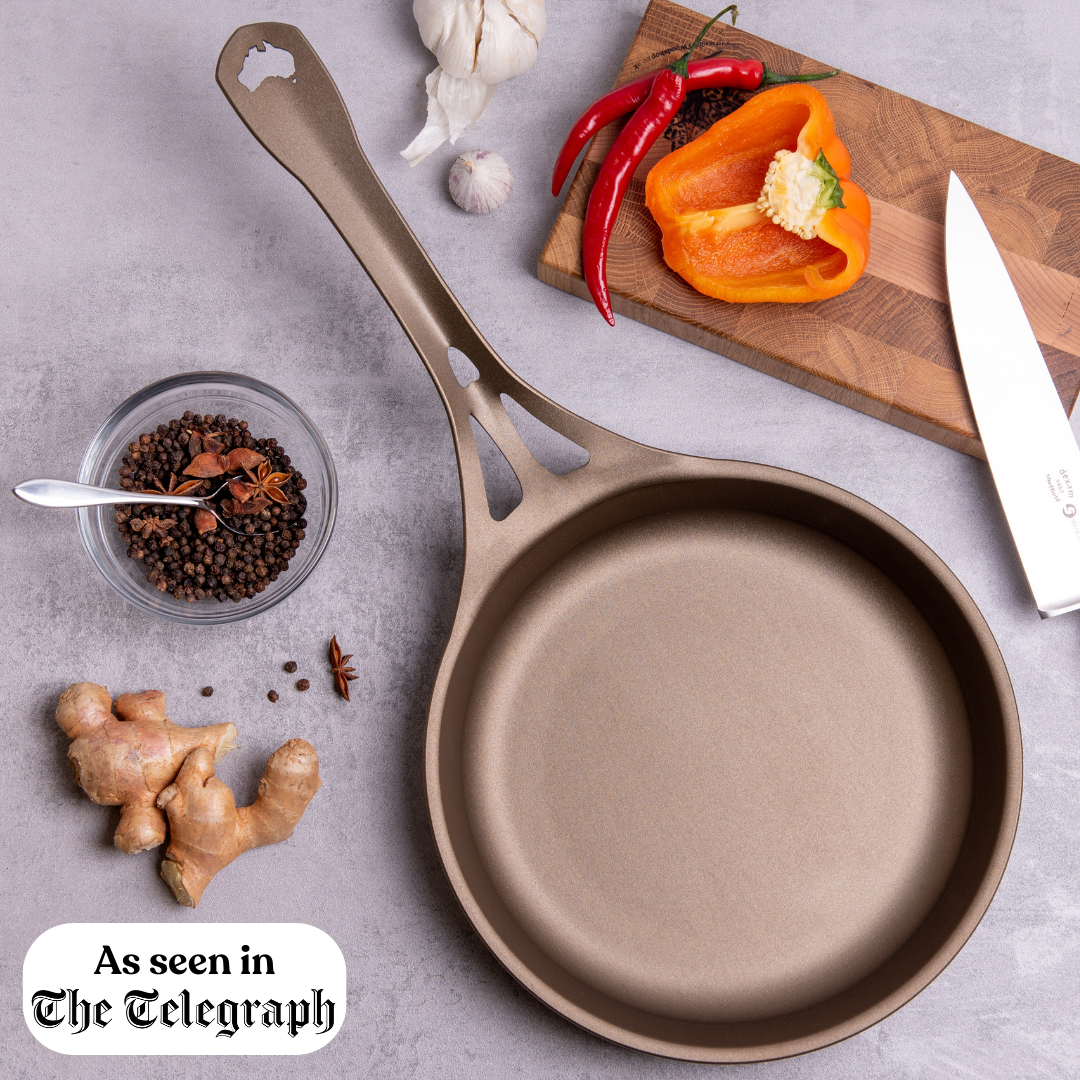
The longest-lasting types of cookware are cast iron, stainless steel and copper, especially when they’re thick and solidly made. Cast iron can last a lifetime (or three) and builds up a natural non-stick layer with use. Stainless steel is rust-resistant and often backed by lifetime guarantees. Copper offers superb heat control, particularly when lined with stainless steel for added strength. All three reward good care with decades of service. Find out how we choose top-notch materials in our Buy Me Once research process.
How can I properly clean and maintain different types of cookware?
To clean your cookware properly, match the method to the material. Cast iron loves a quick hand wash, followed by drying and a touch of oil. Stainless steel? Warm soapy water, non-abrasive scrubbers, and a sprinkle of baking soda for stubborn stains. Treat non-stick gently - no scouring pads. Never rinse hot pans in cold water or you’ll risk warping. For full instructions, head to our Product Care & Repair hub.
What cookware is safe to use with induction hobs?
The best cookware for induction hobs is made from magnetic materials like cast iron or stainless steel with ferrous bases. A quick test: if a magnet sticks to the bottom, you’re good to go. Many modern stainless steel pans now work brilliantly on induction, and you’ll often find a compatibility symbol underneath. Aluminium and copper won’t work unless bonded with a magnetic layer. Look for a flat, weighty base for best results.
How do you season cast iron and stainless steel pans?
To season cast iron, rub it with a bit of oil and bake it in the oven at 180–200°C for about an hour. This forms a tough, natural non-stick layer. Stainless steel doesn’t need full seasoning, but “conditioning” helps - heat the pan, add oil, then cool it down. This prevents sticking and boosts longevity. With a little routine care, both types can stay slick and strong for decades. See our full how to season your new cast iron skillet guide for more tips.
Is ceramic non-stick cookware safe to cook with?
Ceramic non-stick cookware is safe to cook with, as it’s free from PTFE and PFOA chemicals. Its coating is usually made from sand-derived silica, which offers a non-toxic, slick surface. That said, ceramic doesn't last as long as cast iron or stainless steel, so treat it kindly - no metal utensils or roaring flames. If looked after, it’s a healthier non-stick option with a lighter footprint. See our picks in the cookware collection.
What’s the best way to remove burnt residue from cookware bottoms?
The best way to remove burnt residue depends on what the pan’s made of. For stainless steel or enamel, try a simmer of water with baking soda or vinegar, then scrub gently. Cast iron fares well with coarse salt and a stiff brush - skip the soap. For non-stick, use a soft sponge only to avoid damaging the surface. A little patience goes a long way, and your pans will thank you for it.
Which cookware materials do professional chefs prefer?
Professional chefs often favour stainless steel, carbon steel and cast iron for their toughness and top-tier performance. Stainless steel gets the nod for even heat and kitchen-hardened durability - it’s a restaurant staple and often comes with lifetime guarantees. Cast iron and carbon steel win points for heat retention and longevity, especially when well-seasoned. Want the good stuff? Browse our durable cookware collection.
