
Globo basis collection - Do not delete
Well-made women’s boots that earn their place by the door. This collection is full of dependable pairs built for regular wear – not just special occasions. Expect solid soles, quality leather, and styles that walk the line between smart and practical. No fuss, no wobble. Just boots that fit well, feel right, and last properly.



FAQs about Long-Lasting Cookware
Which cookware options are truly buy-it-for-life?
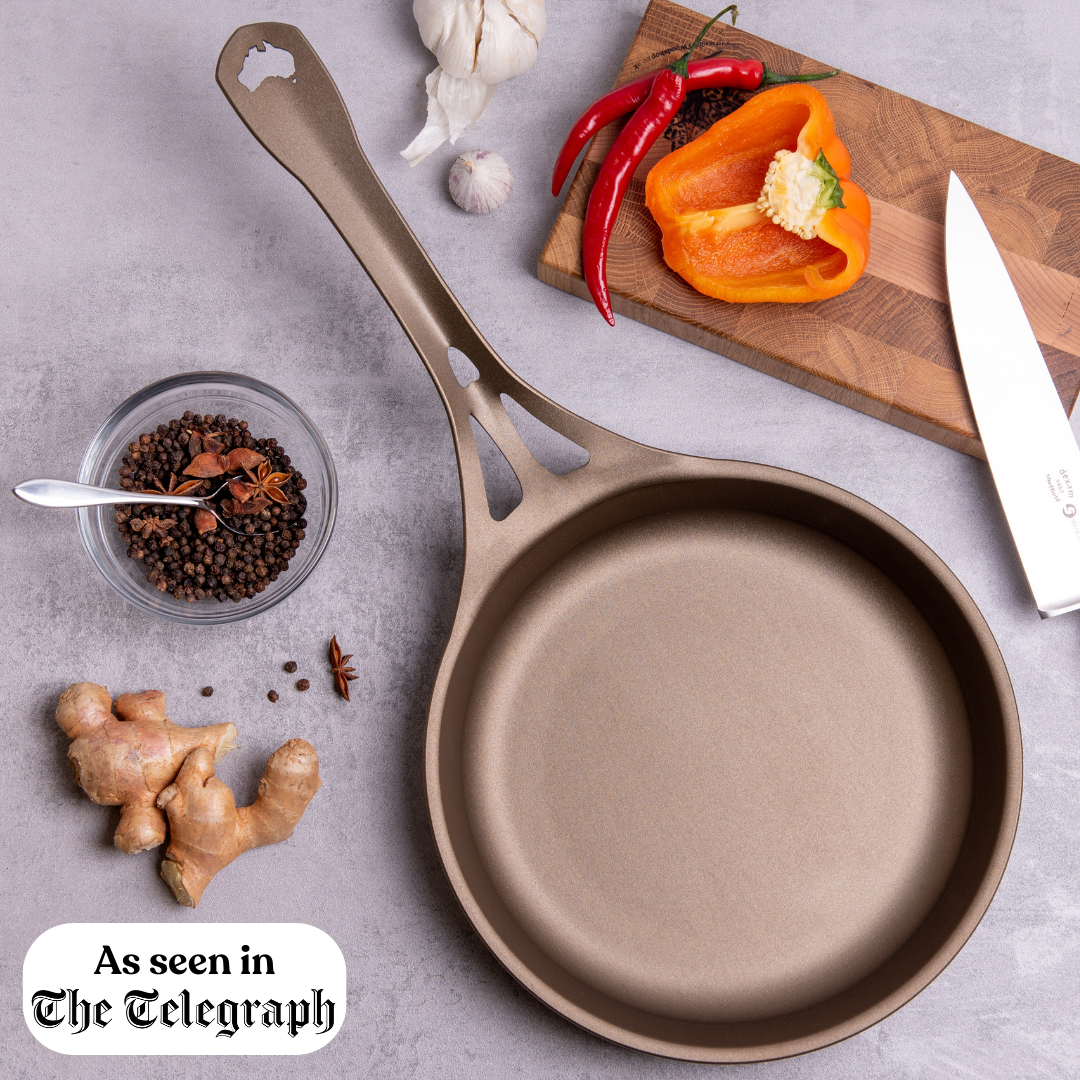
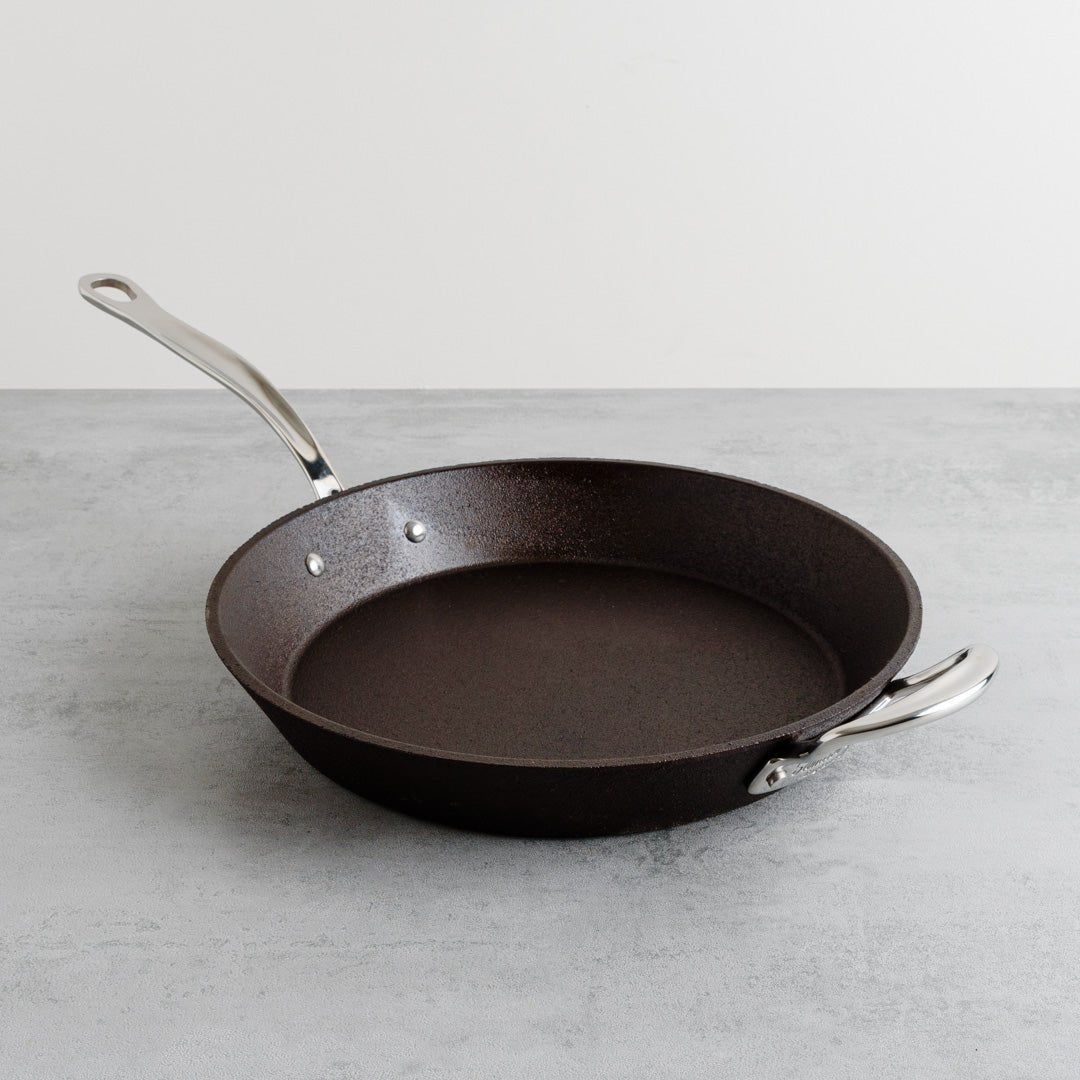
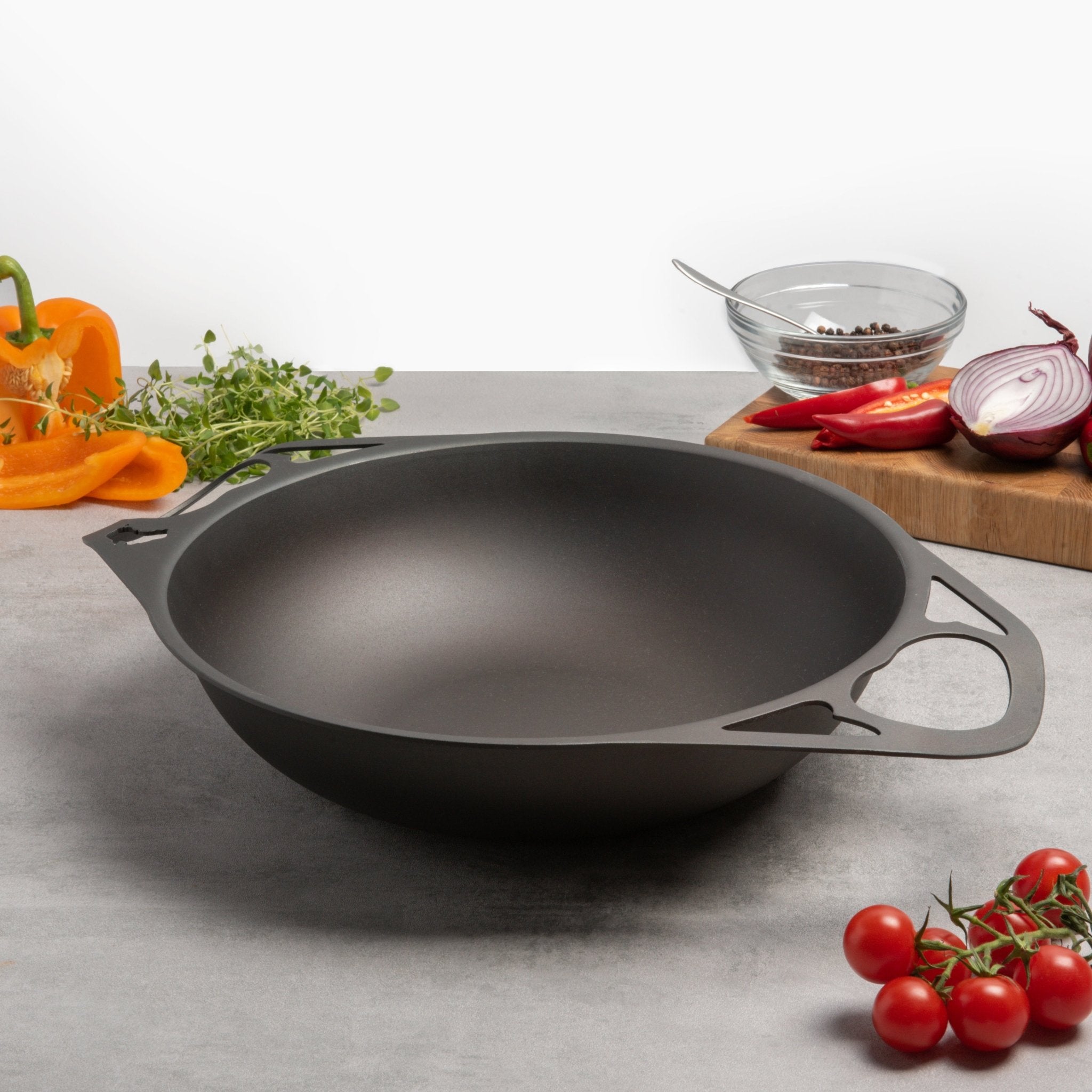
The best buy-it-for-life cookware is made from tough materials like cast iron, stainless steel or copper. These pans tend to be repairable, recyclable, and often come with lifetime guarantees. With a bit of care (and no microwave mishaps), they can last for generations. Cast iron, for instance, just gets better with age if seasoned well. Steer clear of most non-stick coatings – they wear out after a few years. You’ll find our toughest pans in the cookware collection.
Curious how we rate cookware? Peek at our research methods.
How can I properly clean stainless steel, cast iron or copper pans?
To clean long-lasting cookware, match your method to the material. Stainless steel likes warm water and a soft sponge (or baking soda paste for burnt bits). Cast iron prefers hot water, no soap, quick drying, and a dab of oil. Copper scrubs up well with lemon and salt, but skip the scouring pads or you’ll lose the shine.
Need more details? Have a look at our guide on how to care for iron pans.
What’s the best way to season cast iron or stainless steel cookware?
To keep the most durable cooking surface in top form, season cast iron regularly. Clean it, heat it, rub on a thin oil layer, then bake it at 200°C for an hour. Done. Repeat if needed. Stainless steel doesn’t need full seasoning, but warming a little oil before use creates a helpful semi-non-stick layer. Always dry both types thoroughly – nothing ruins a well-seasoned pan like leftover steam.
Which types of cookware work on induction hobs?
Only cookware with a ferrous base will work on an induction hob, making cast iron and many stainless steel pans ideal. Simply test with a fridge magnet – if it sticks to the base, you’re in business. Copper and aluminium pans usually won’t work unless they’ve been specially bonded with a magnetic plate underneath. A handy trick and no need to stare confusedly at the hob.
Is ceramic or non-stick cookware safe to use long term?
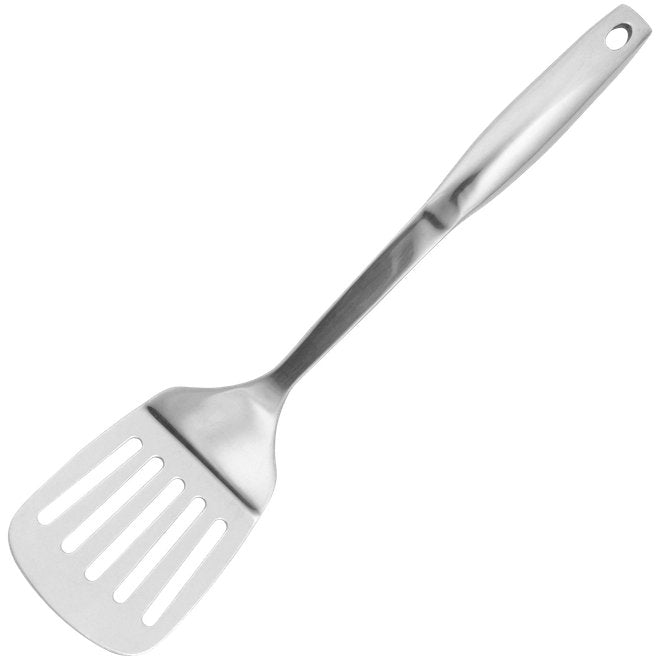
Ceramic and non-stick cookware aren’t the best choices for long-term use. Most non-stick coatings wear out in a few years, especially if you’re heavy-handed with heat or metal spatulas. Ceramic is PFAS-free but chips easily, often lasting just a year or two. Looking for long-lasting and safer? Cast iron or stainless steel are your best bet. You’ll find our top picks in the non-toxic cookware alternatives collection.
How do I prevent and remove rust from cast iron pans?
To keep cast iron rust-free, dry it on the spot after washing and rub a little oil on the surface. Moisture is the enemy here. If rust sneaks in, scrub with steel wool, rinse, dry, and re-season by baking with oil at 200°C. Proper seasoning forms a protective layer that helps prevent rust and gives cast iron its famously long-lasting surface.
There’s more in our product care and repair hub.
Are aluminium and granite cookware safe and durable choices?
Aluminium is good for fast heating, but it’s a soft metal and warps easily. Most aluminium pans have coatings, which tend to scratch and wear out. Granite cookware usually means aluminium with a synthetic finish – it’s not actual granite, sadly. While both are safe when intact, they aren’t winning any awards for longevity. For cookware that truly goes the distance, stick with cast iron or stainless steel.
