
Iron Cookware Sale
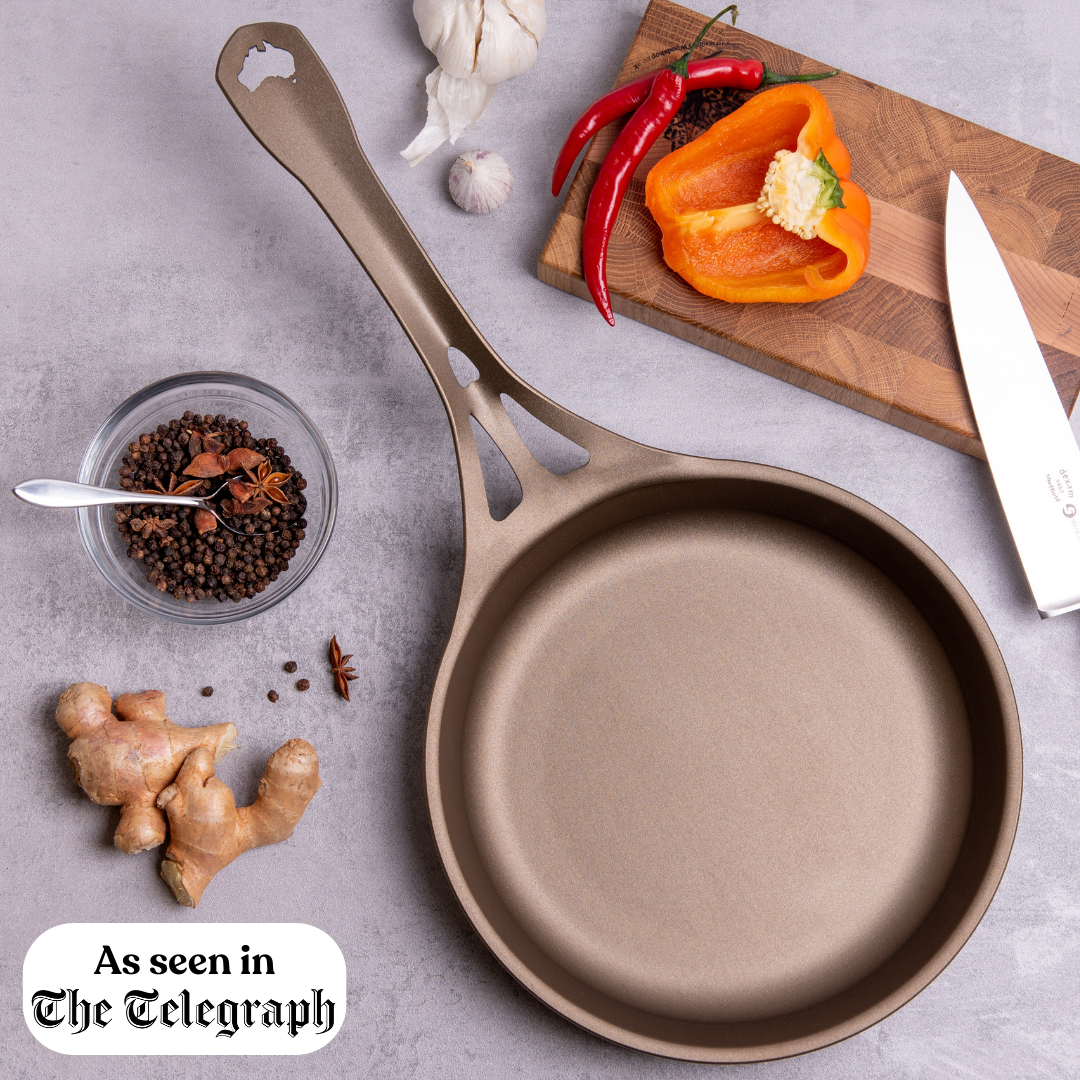
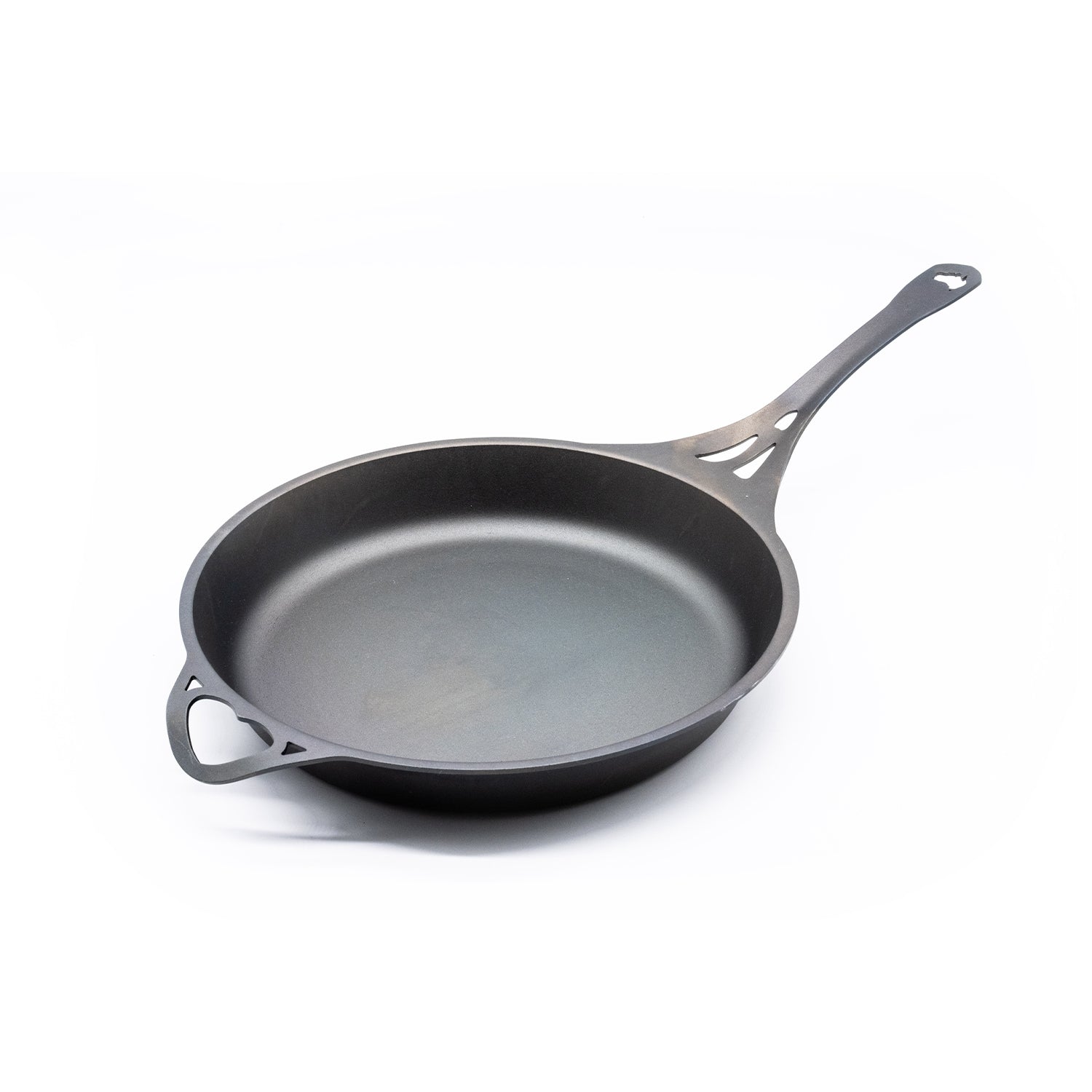
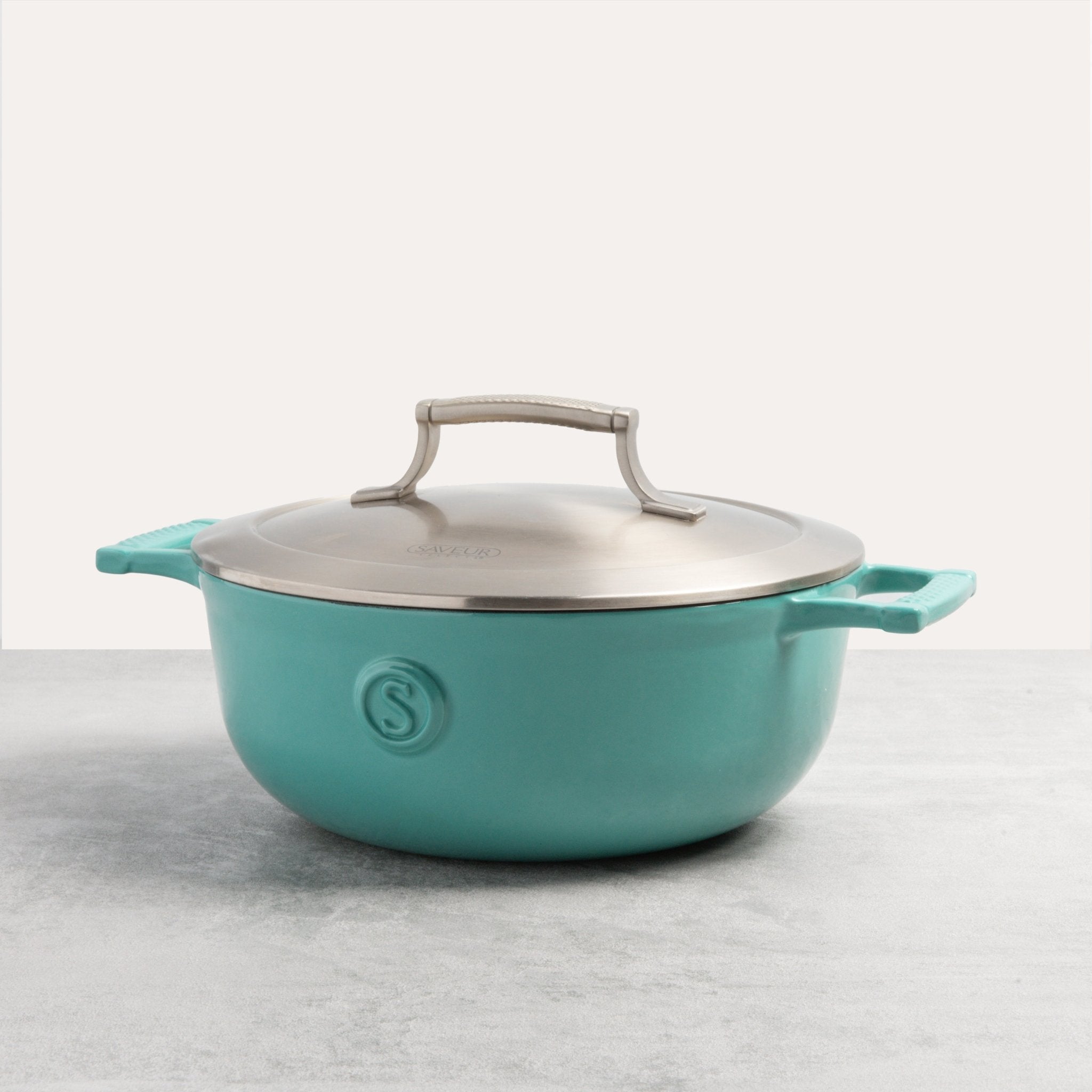
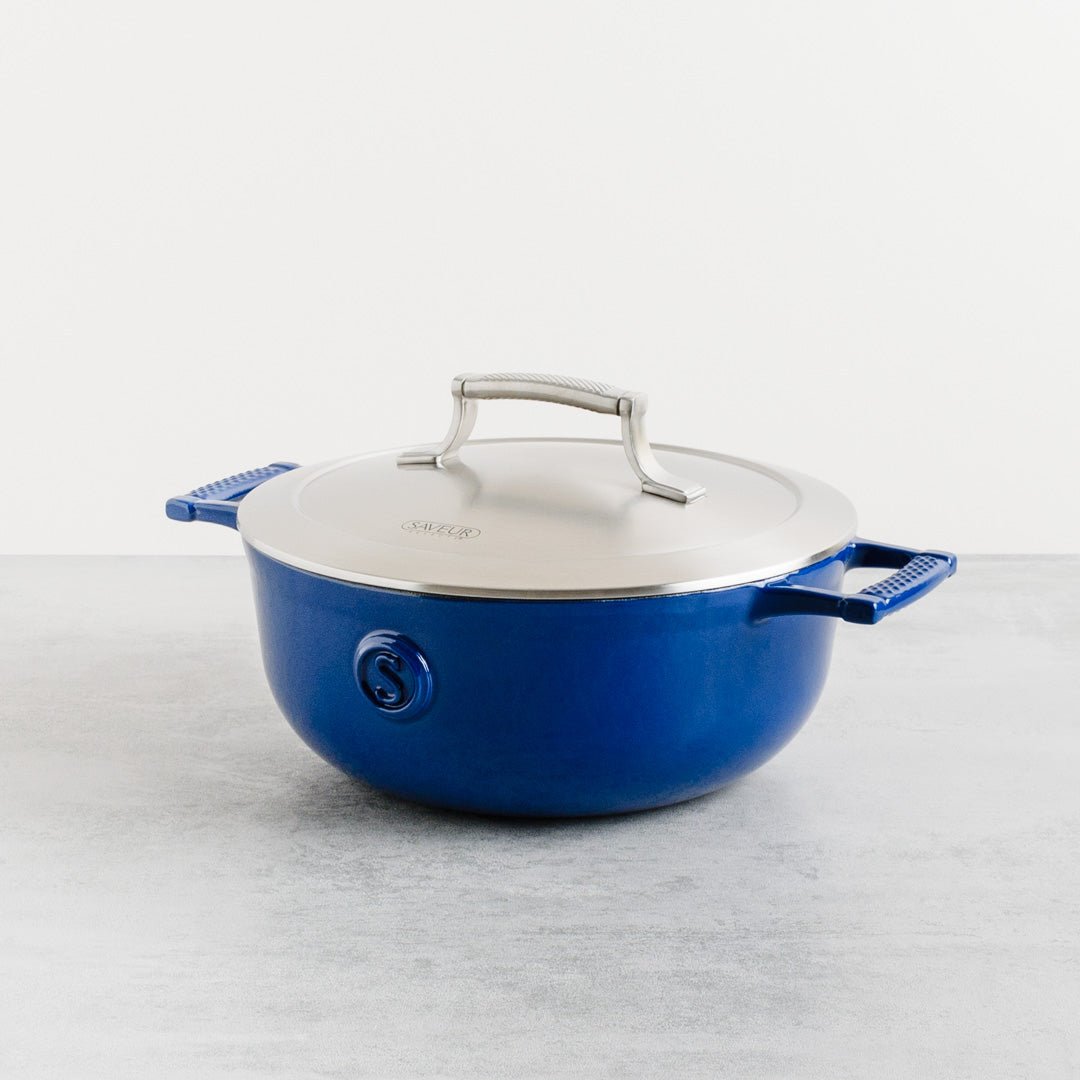
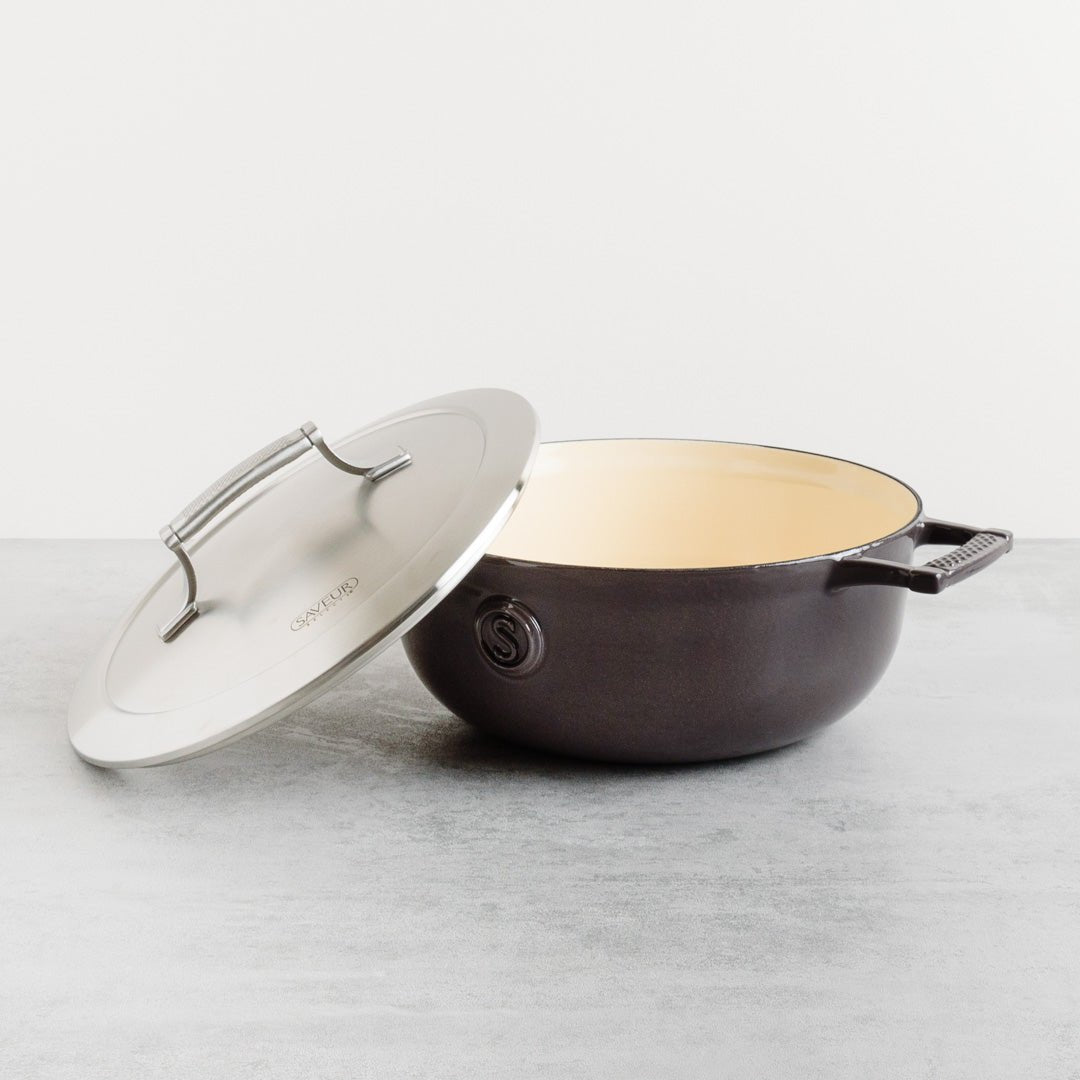
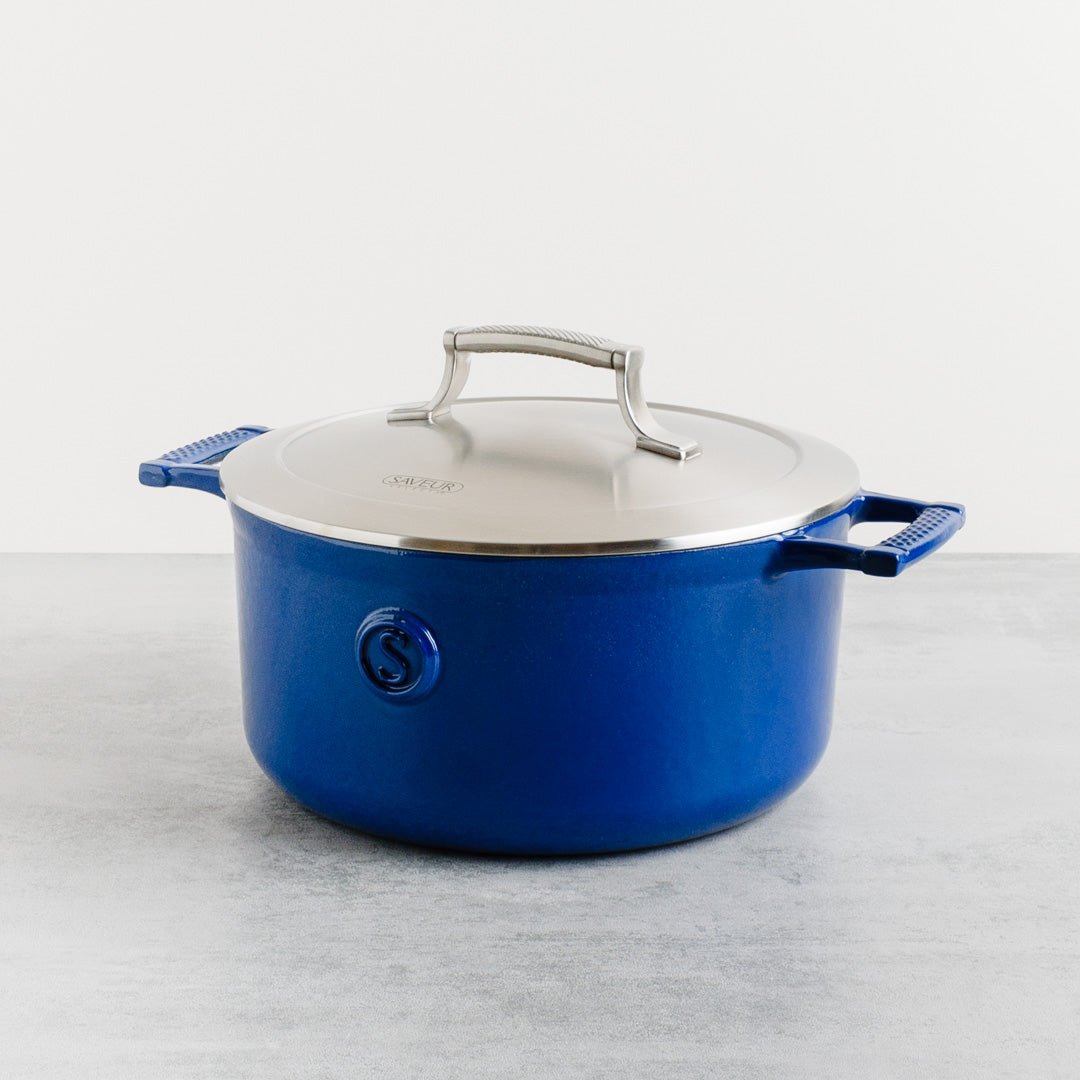
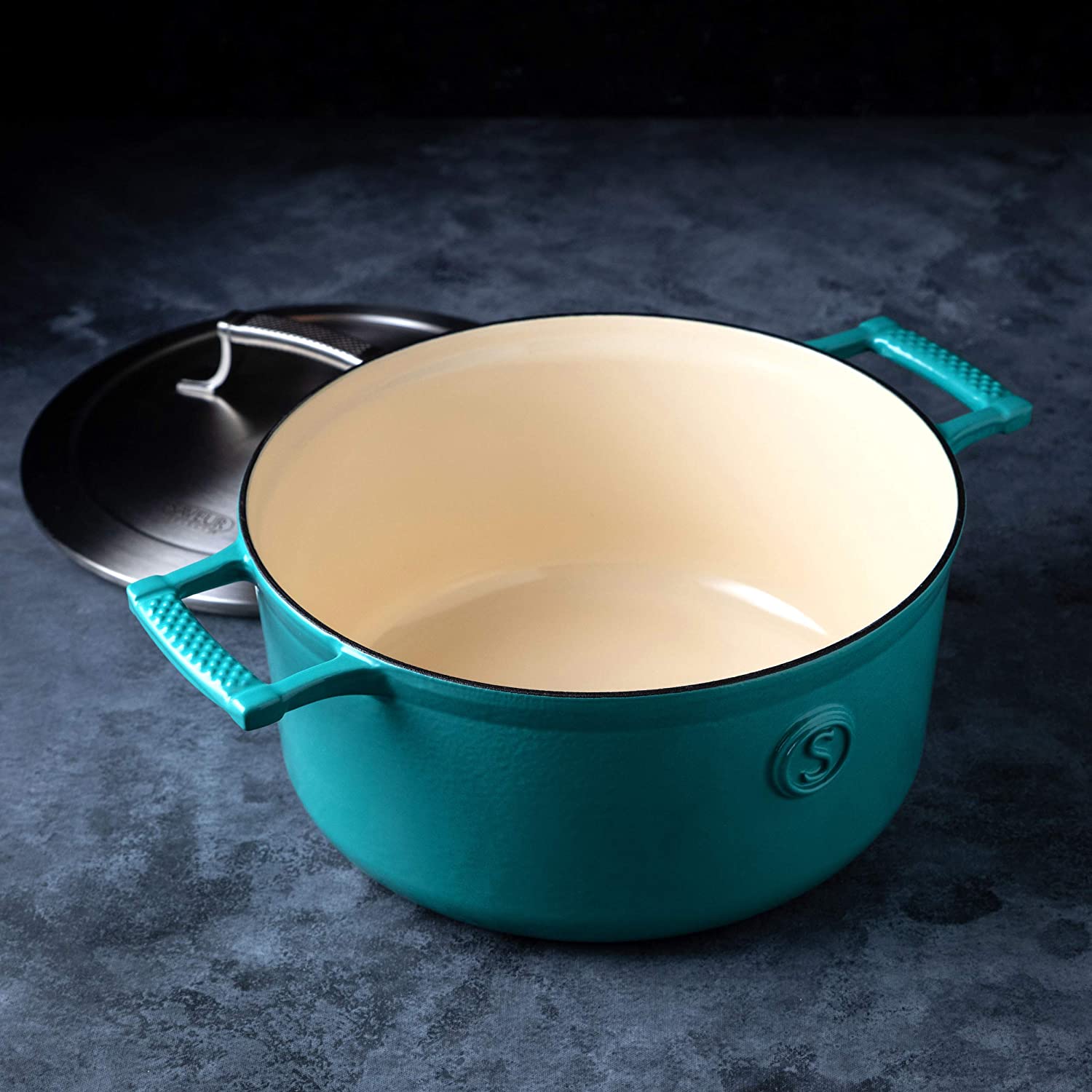
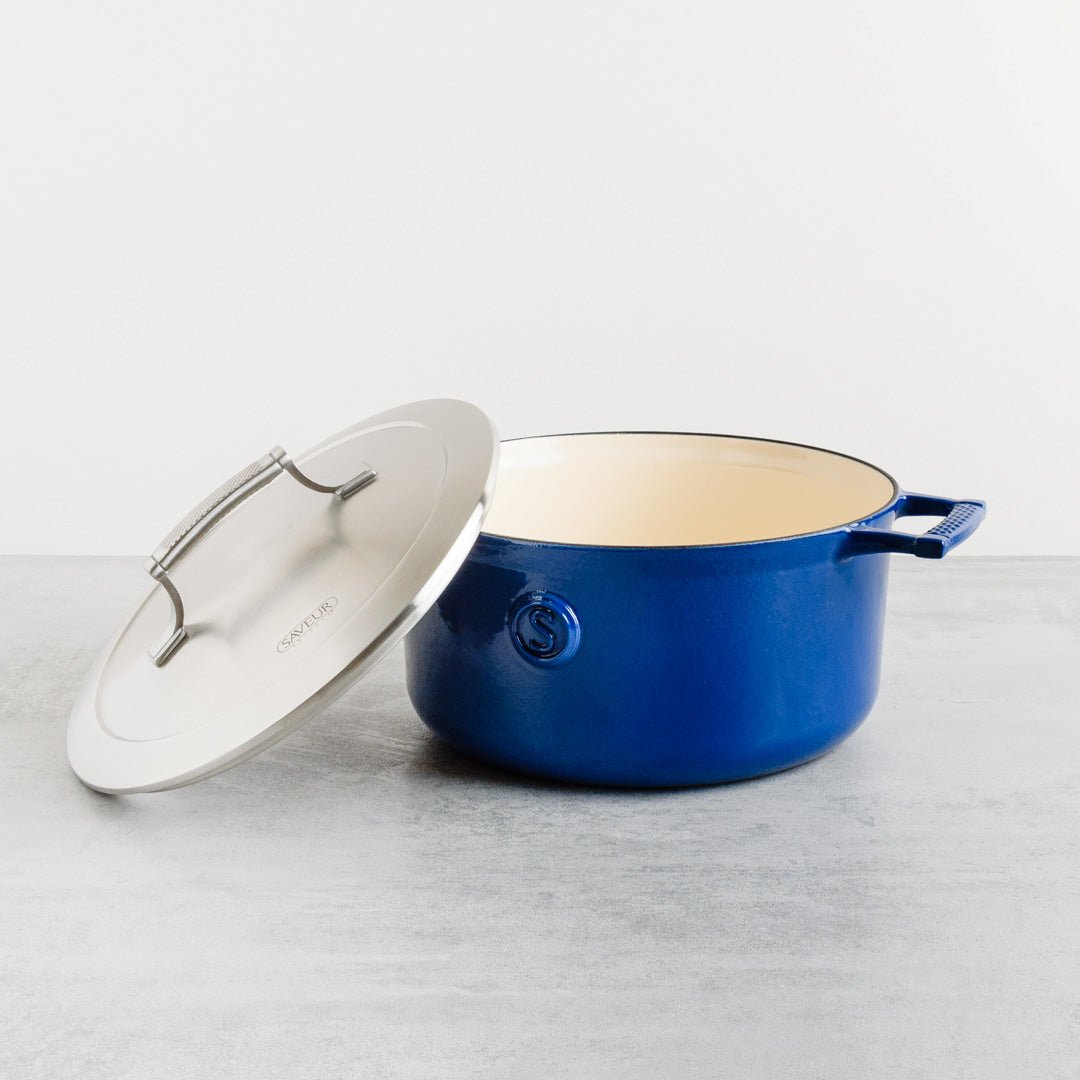
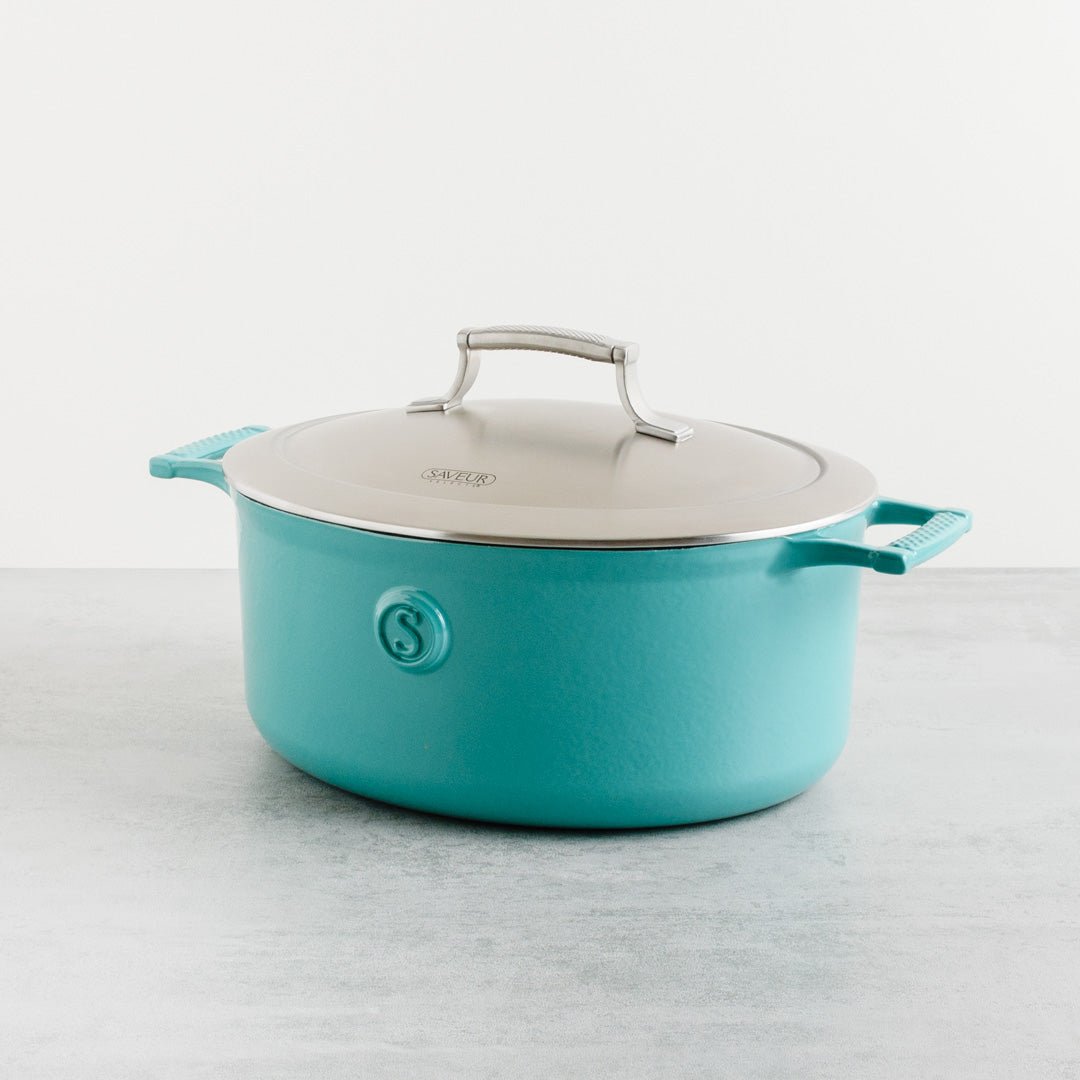
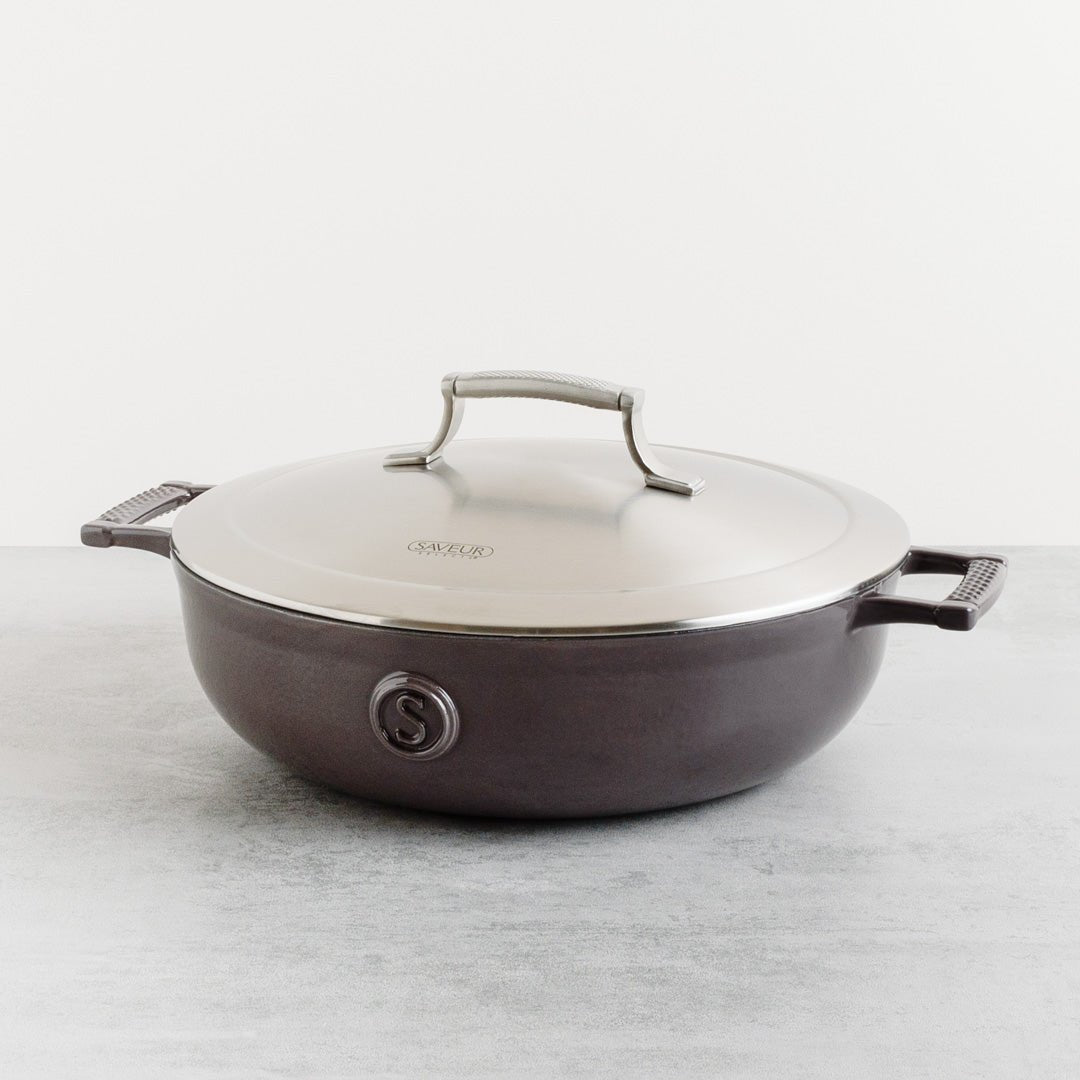
Reliable, long-lasting cast iron cookware that’s built to do it all. These solid pans and skillets handle searing, slow cooking and roasting with ease, thanks to excellent heat retention and even cooking. They go straight from hob to oven to table without fuss – proper kitchen workhorses you'll use again and again.
Shop the cast iron cookware sale below and pick up dependable kit that’s made to last.
FAQs about Cast Iron Cookware
What are the longest-lasting cast iron cookware pieces?
The longest-lasting cast iron cookware pieces are made from thick, high-quality iron in a single-piece construction, meaning no joints to fail over time. These beauties resist cracking, warping, and uneven heating. With a bit of care, they’ll outlive most of us - many come with lifetime guarantees or even re-seasoning services. Avoid thin or poorly cast pans, which are more likely to rust or chip. You can see how we assess real longevity on our research process page.
How do you properly season a cast iron pan?
To properly season cast iron, rub it all over with a thin layer of flaxseed or vegetable oil, then bake it upside down at 200°C for an hour. Let it cool fully afterward. This process builds a tough, naturally non-stick coating that helps prevent rust and makes cooking a breeze. If food starts sticking or rust shows up, just repeat. Think of it like giving your pan a fresh polish - no elbow grease required. More help here: How to Season Your New Cast Iron Skillet.
What’s the best way to clean cast iron without damaging it?
The best way to clean cast iron without damaging it is to scrub with warm water and a stiff brush - ditch the soap. For burnt-on bits, scrub with coarse salt. Always dry thoroughly and rub in a little oil before storing. Steer clear of dishwashers or soaking, as these can strip the precious seasoned layer. Done right, your pan develops a hardy non-stick finish, like a good cuppa - better with age.
Can cast iron cookware be used on all hob types, including induction?
Yes, cast iron cookware works on all hob types, including induction. Its hefty magnetic base makes it ideal for induction, and just as dependable on gas, electric, ceramic, and even campfires. Do take care on glass-topped hobs - don’t drag it about, or you might end up with scratches. It’s this versatility, alongside its sheer resilience, that makes cast iron such a reliable kitchen staple.
Is cast iron cookware naturally non-stick?
Cast iron cookware becomes naturally non-stick through seasoning - heating thin layers of oil to form a tough coating. It isn’t ready out of the box, but with a little use and care, the pan builds a surface that repels food beautifully. It may not rival Teflon’s slipperiness, but it’s free from nasties and repairable if scratched. Just cook with it regularly, clean gently, and give it the odd oil rub.
How do I restore a rusty cast iron pan?
To restore a rusty cast iron pan, scrub the rust off with steel wool until you're back to bare metal. Wash it, dry it thoroughly, then re-season with oil and pop it in the oven at 200°C for an hour. Repeat if needed - it’s amazingly resilient stuff. Even pans that look a bit beyond it can be brought back to life with this simple routine. For more help, see our care and repair advice.
What makes cast iron cookware a buy-it-for-life investment?
Cast iron cookware is a true buy-it-for-life investment because it lasts for decades, gets better with use, and can be restored if damaged. Many pieces come with lifetime guarantees and don’t rely on chemical coatings to stay effective. Cast iron thrives on any hob, handles high heat, and shrugs off daily wear. With such solid performance and near-endless service life, it’s brilliant value - and easy on the planet too. See our durable, high-quality cookware collection.
