

Spring Cleaning
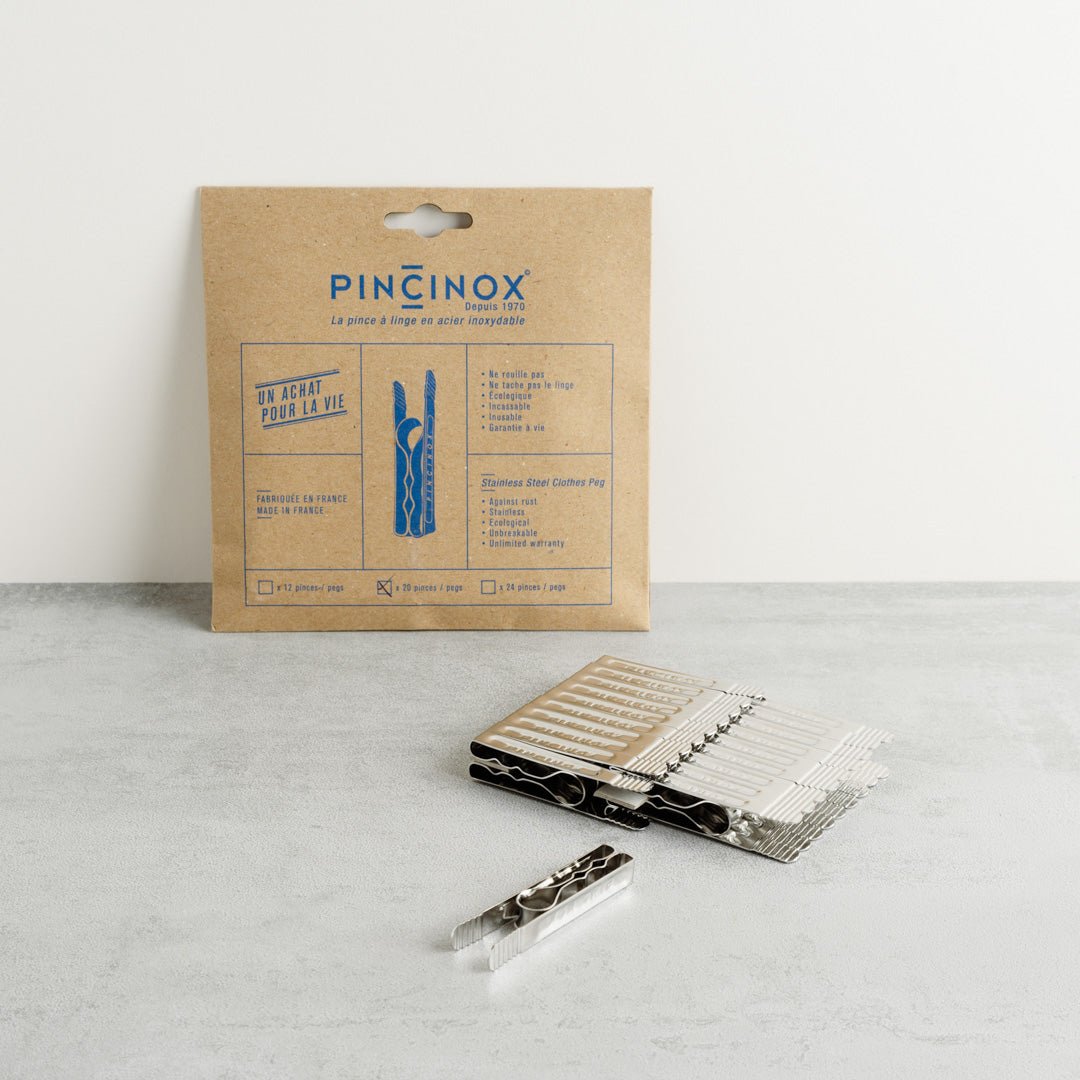
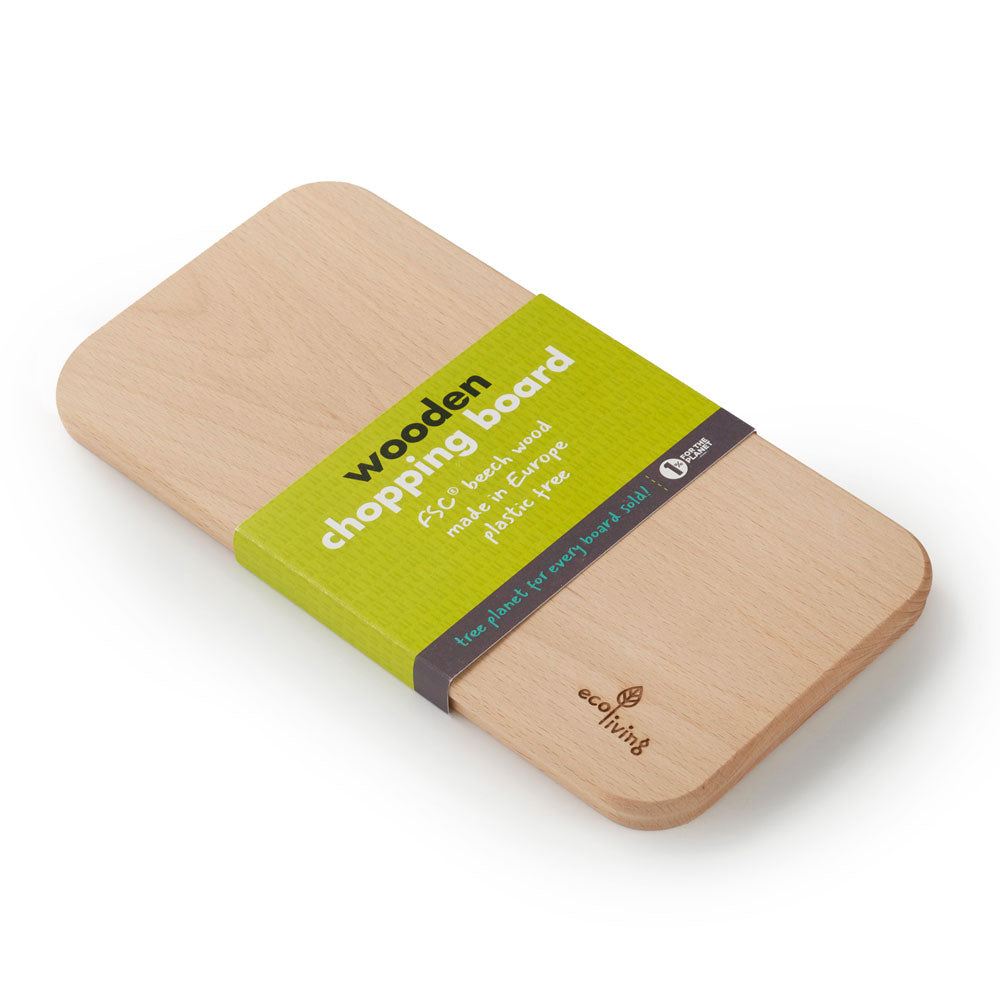
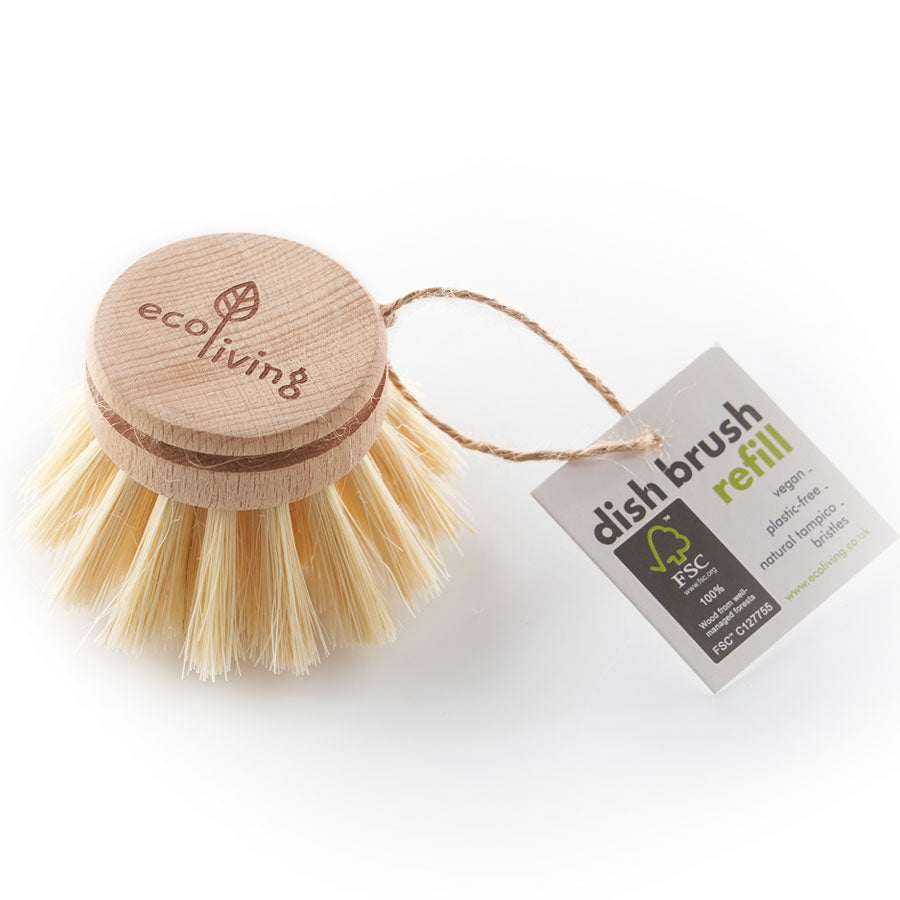
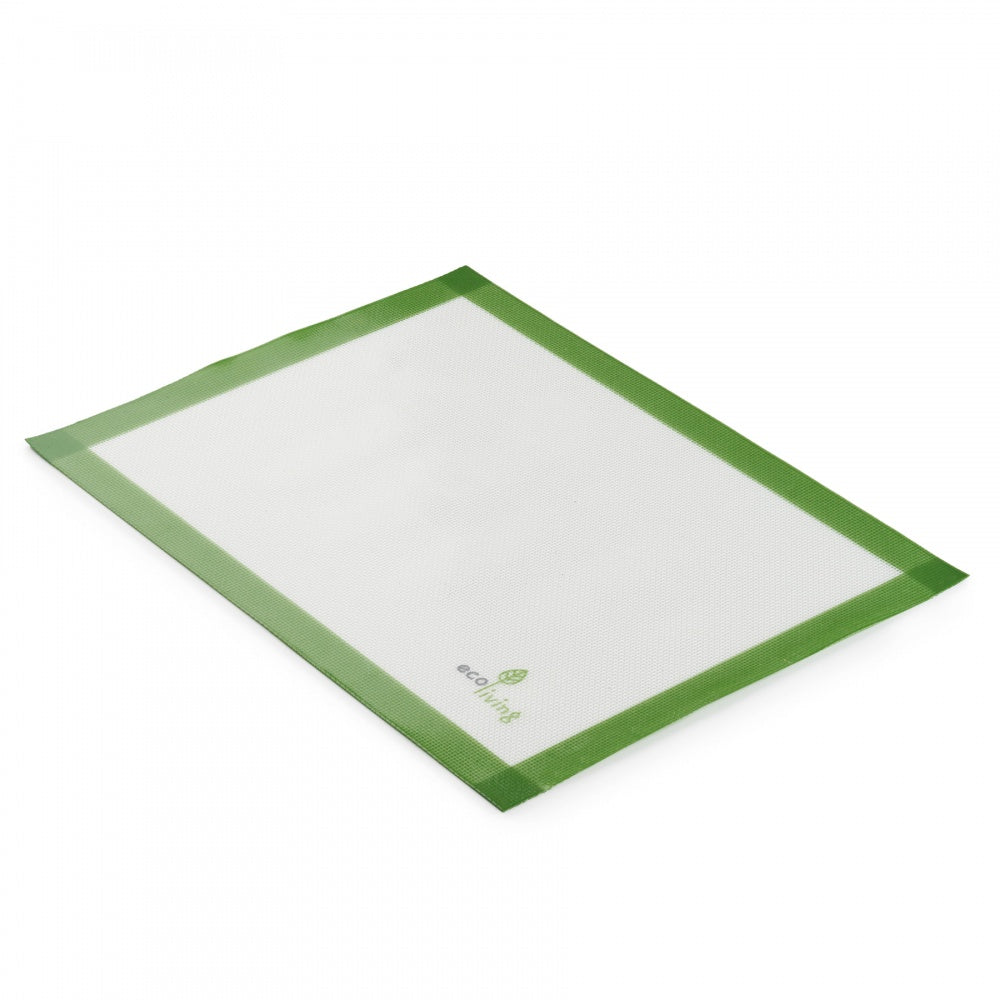
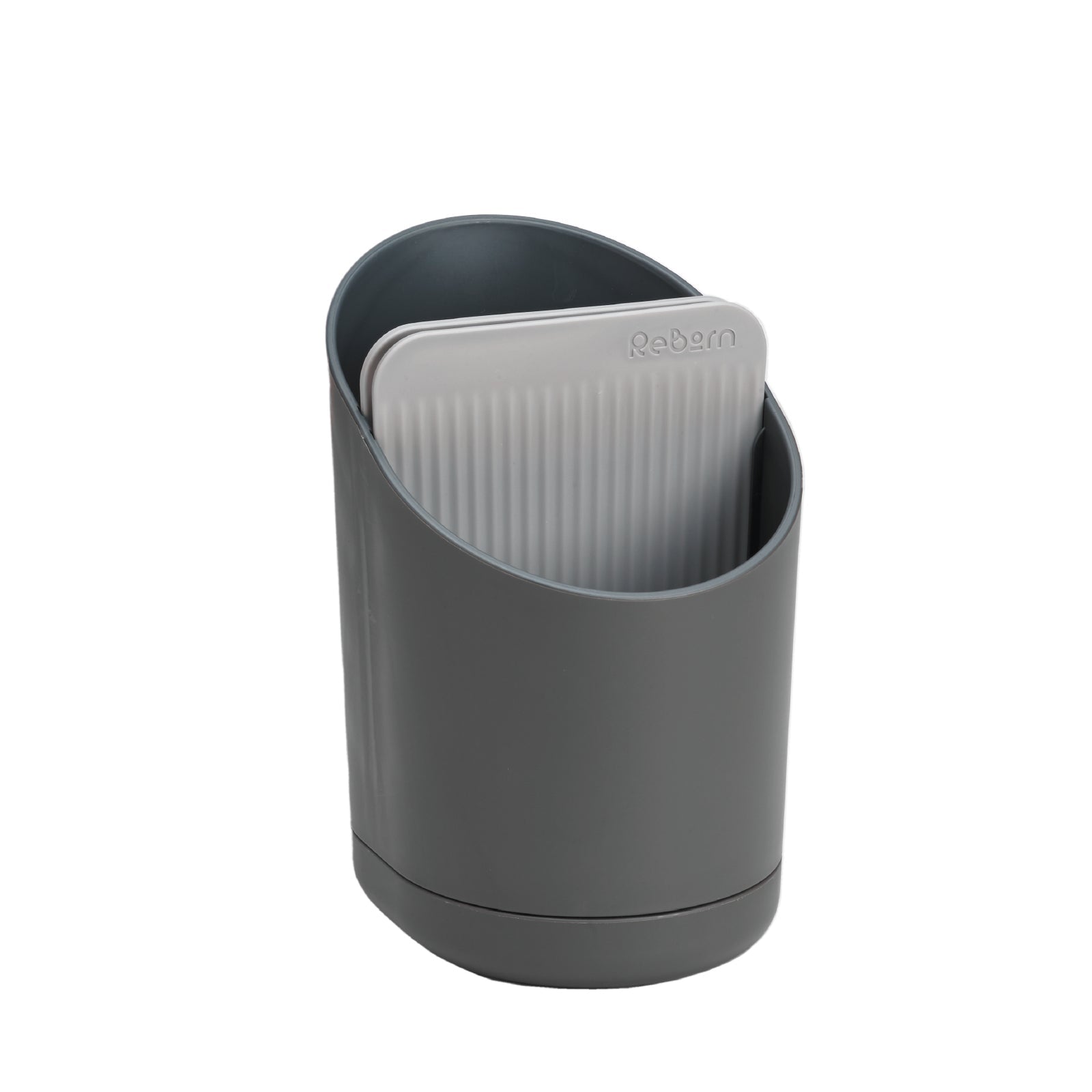
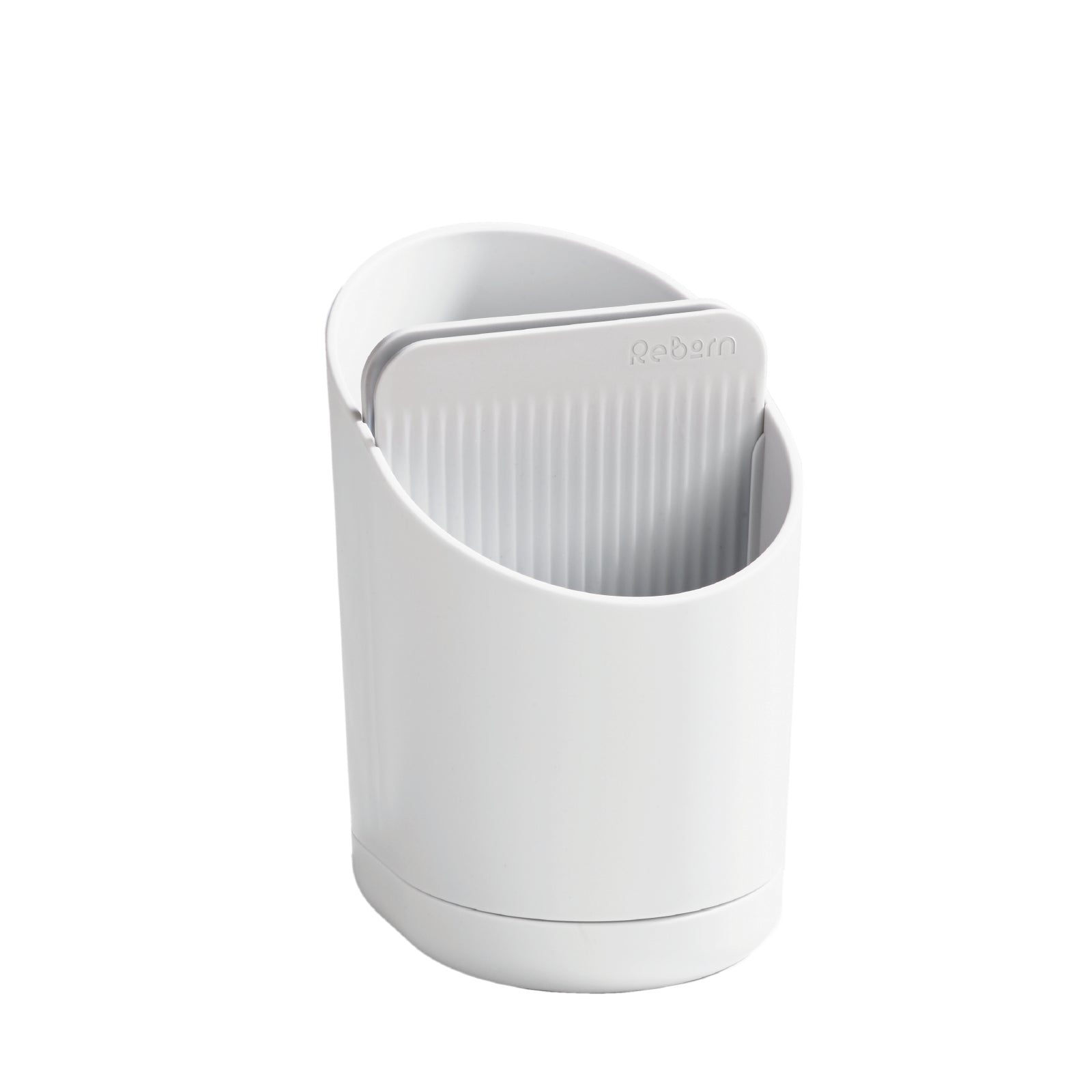
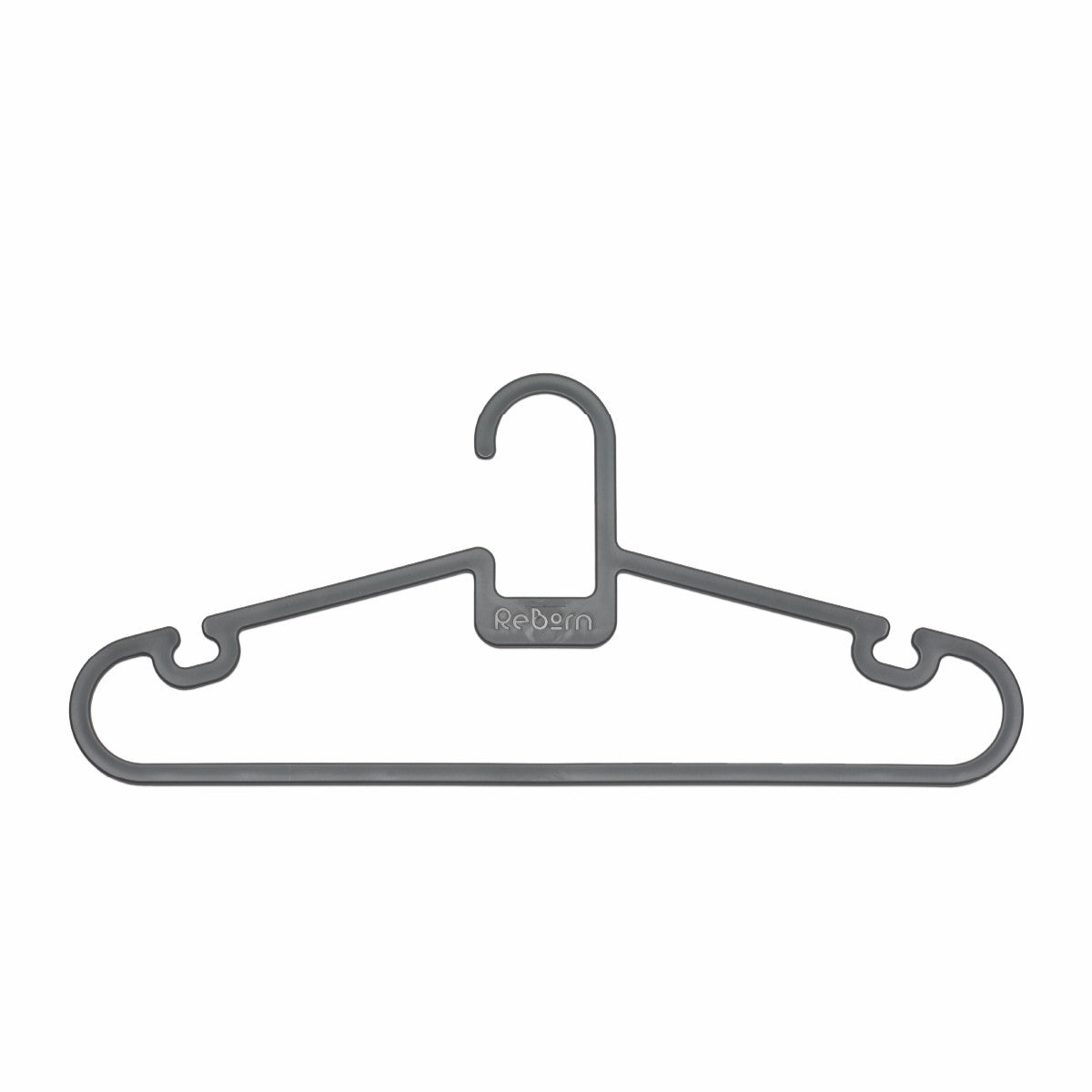
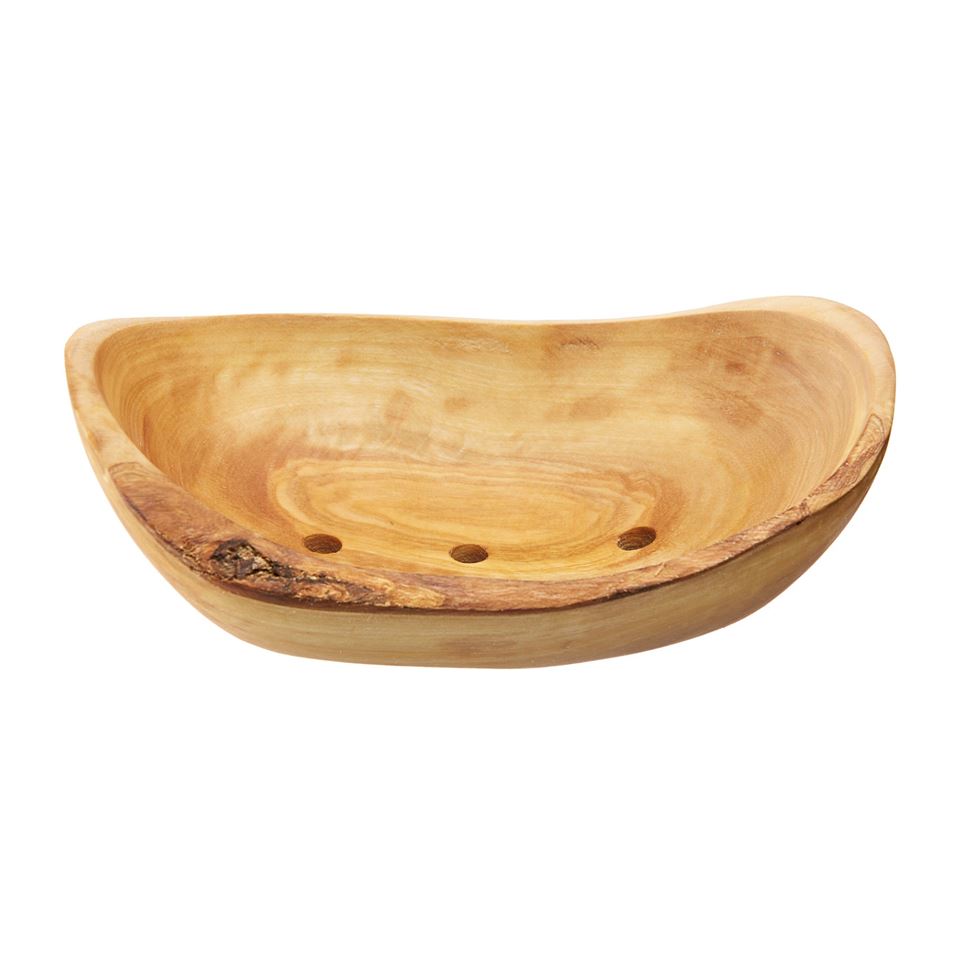
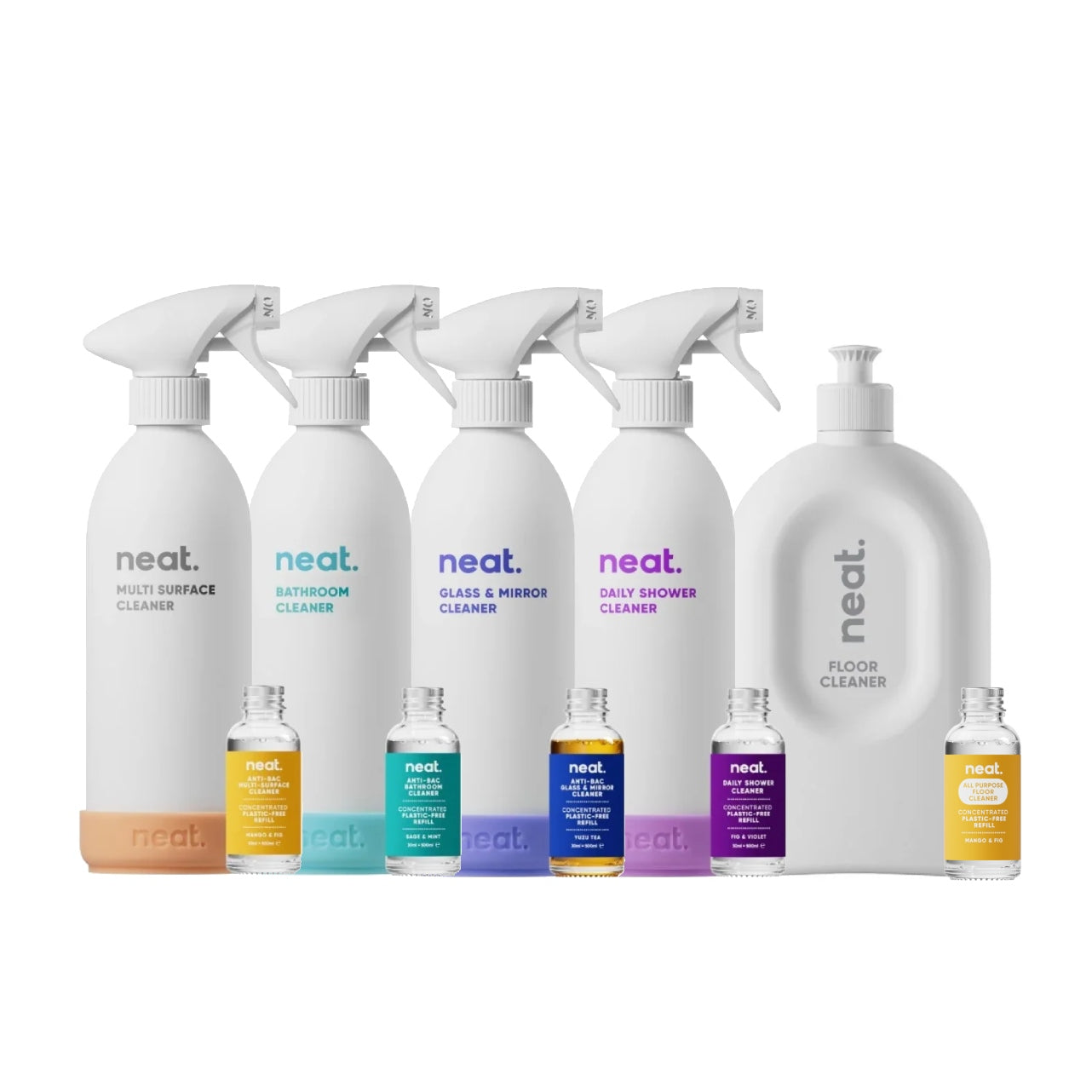
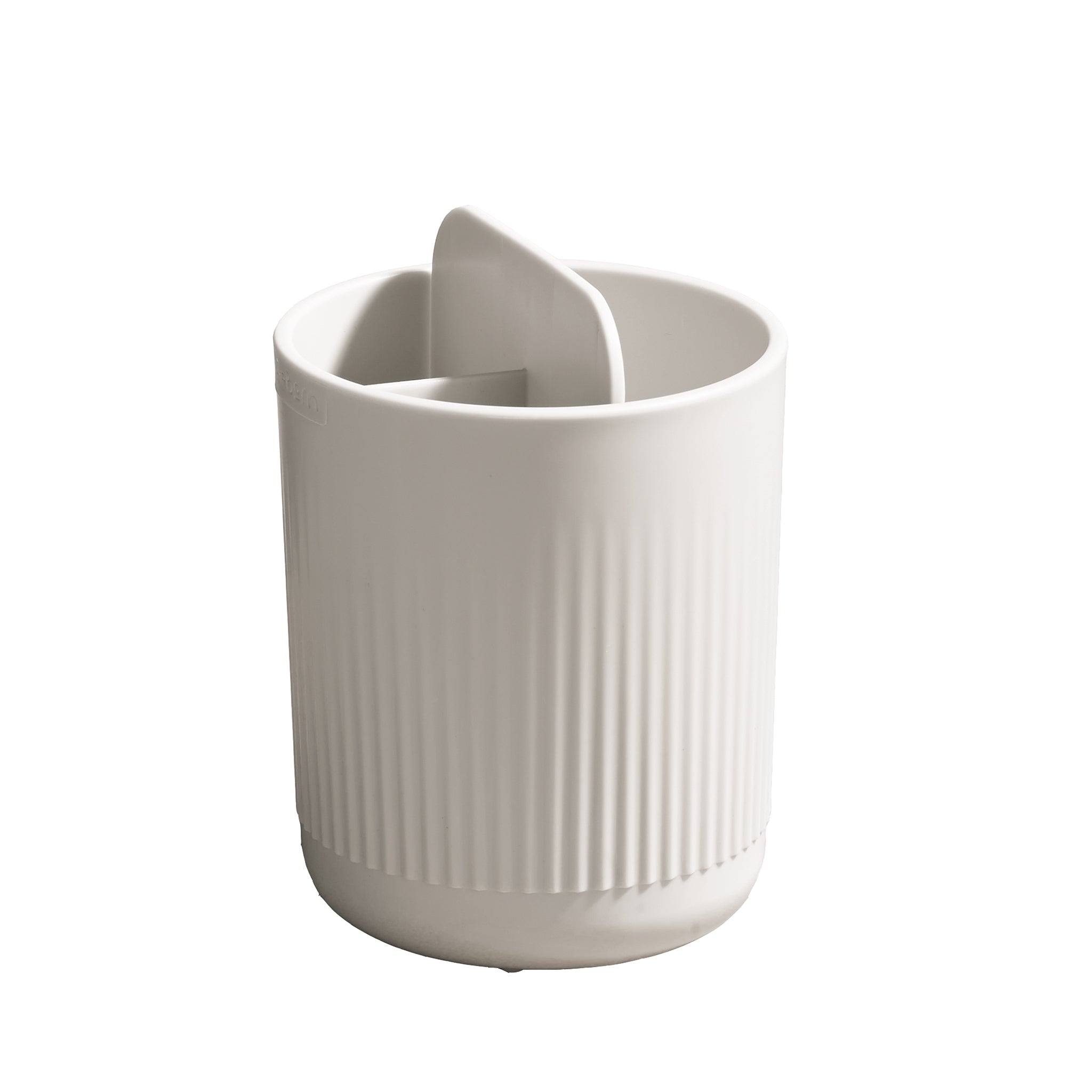
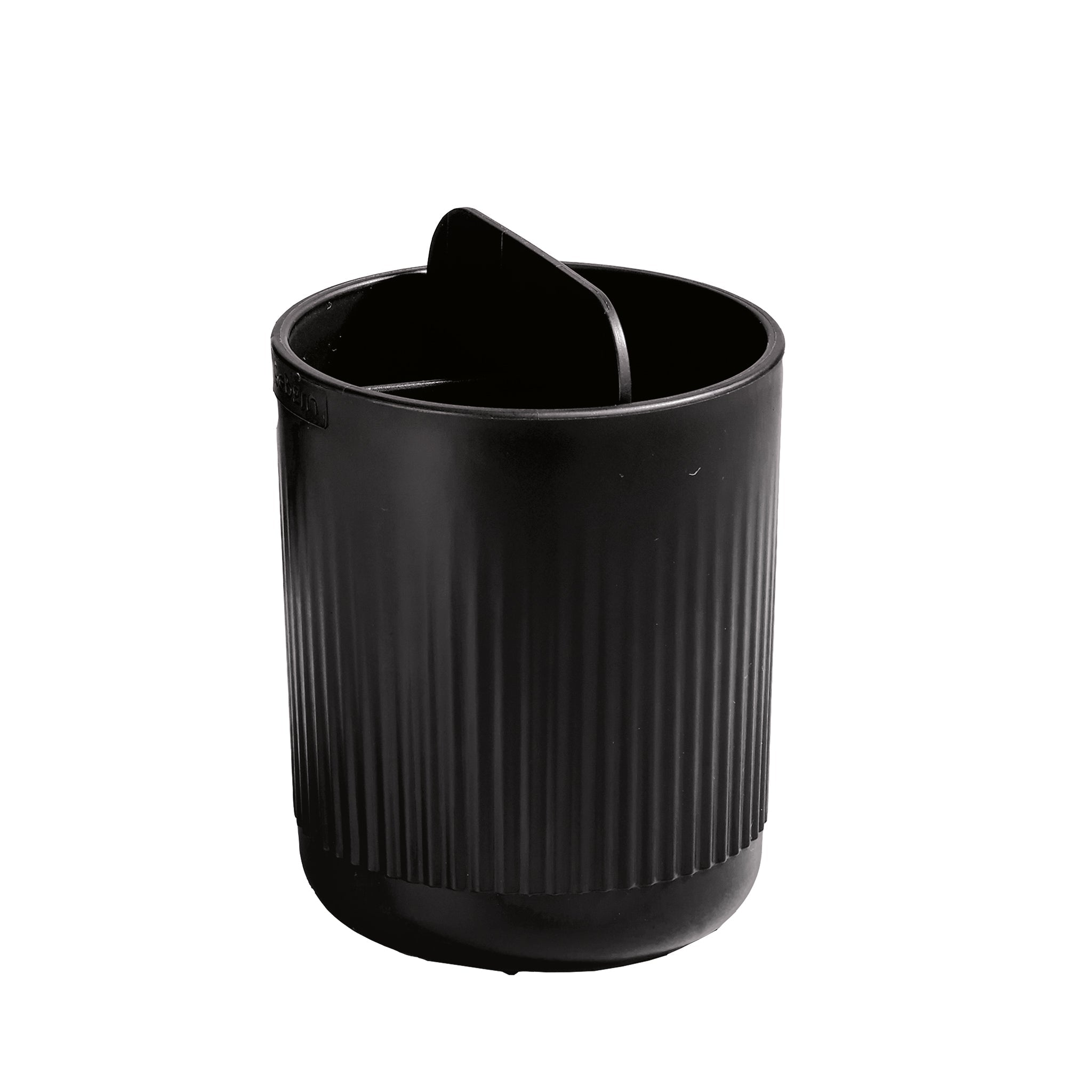
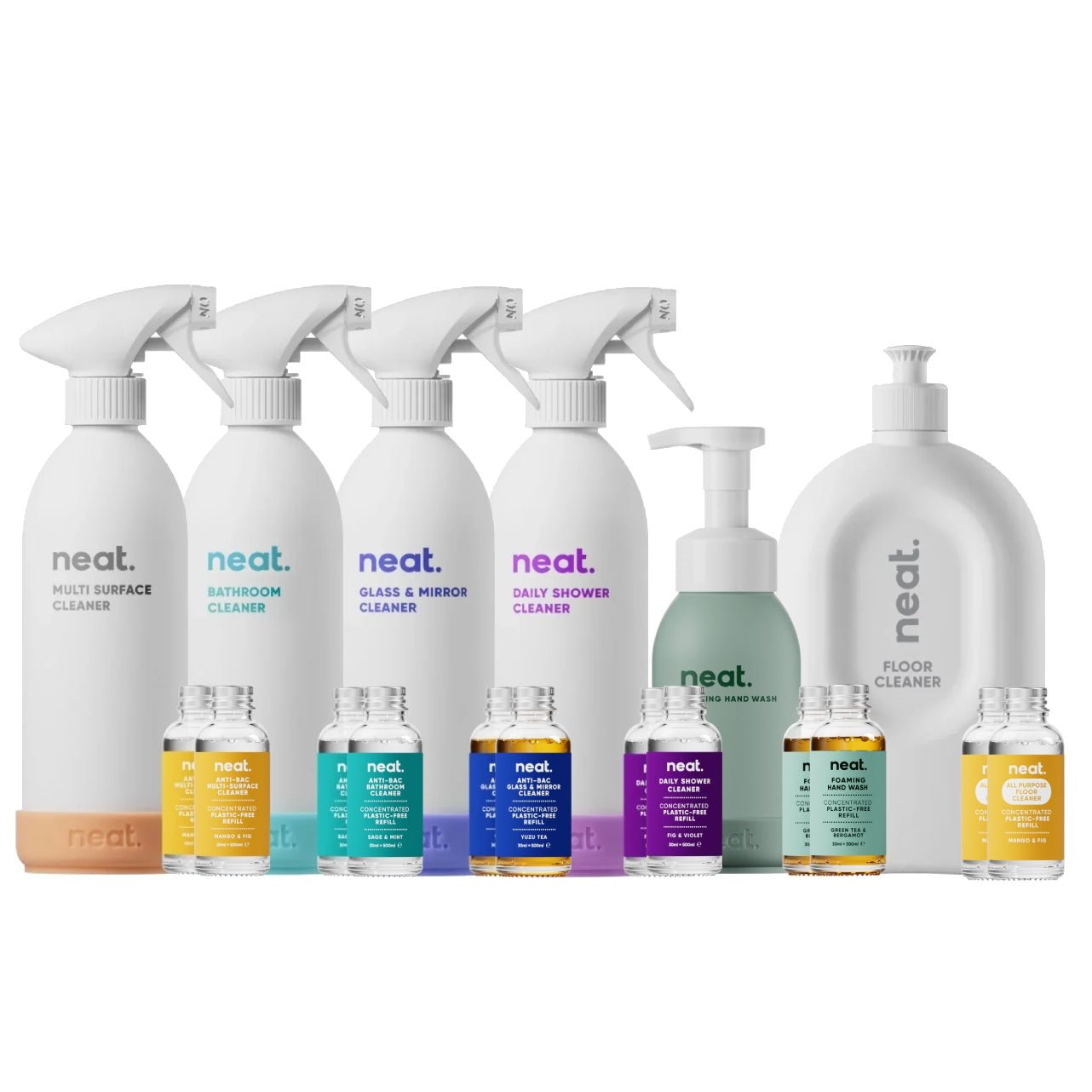
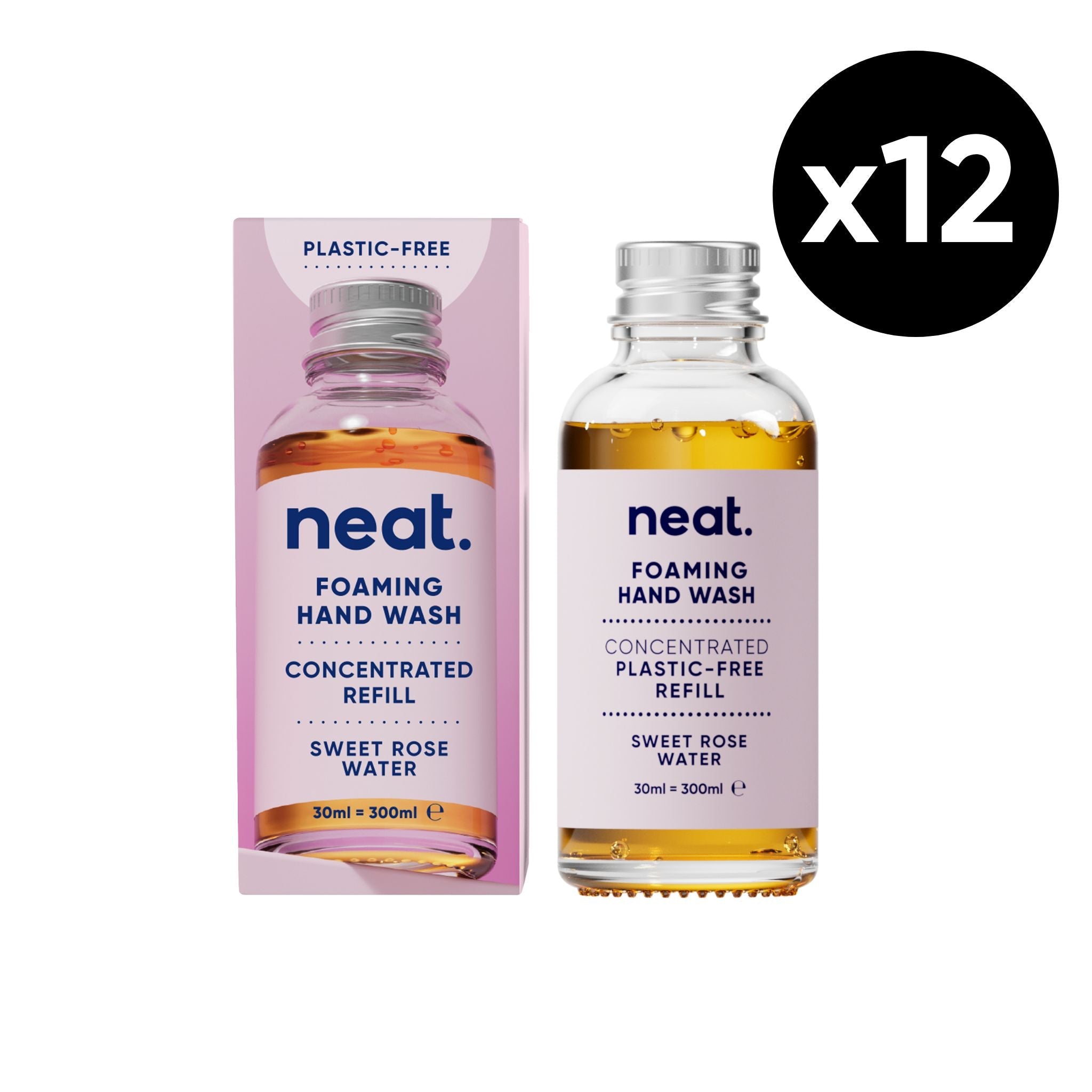
Cleaning essentials that work hard without creating waste. This collection brings together solid, sustainable tools for every cupboard, counter and corner. From refillable sprays to plastic-free brushes, each piece is dependable, well-made and built to last. No throwaway extras - just proper cleaning gear you can feel good about using.
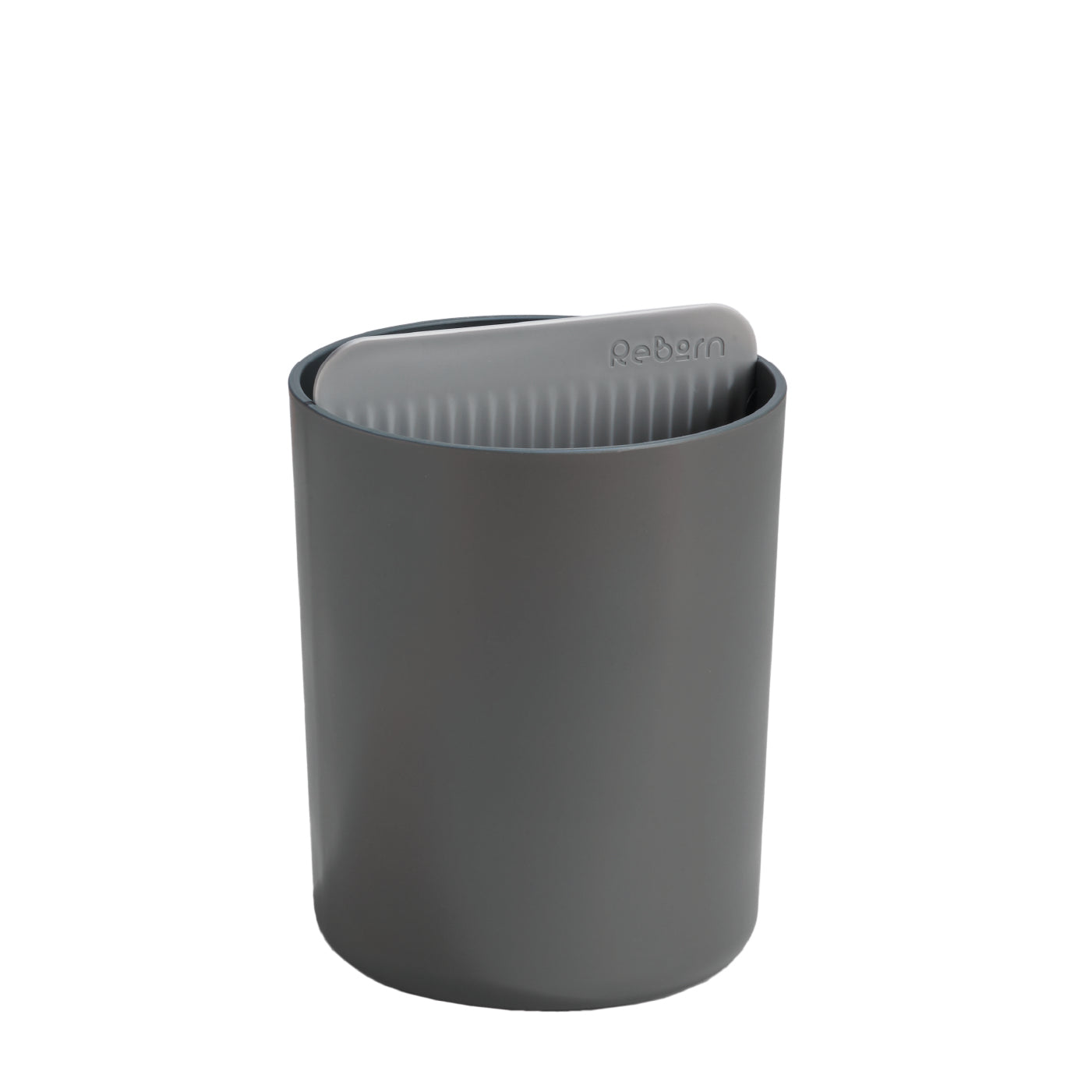
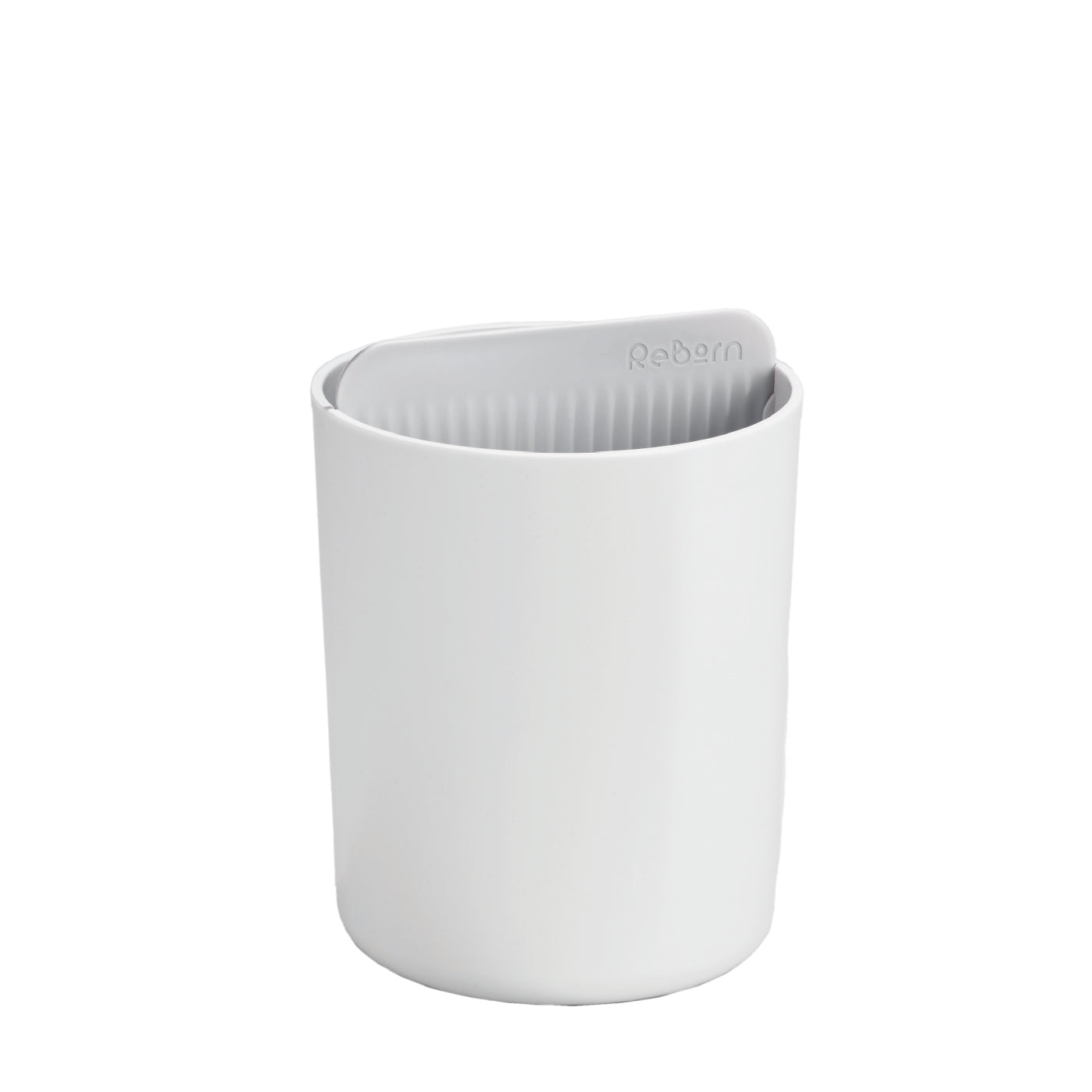
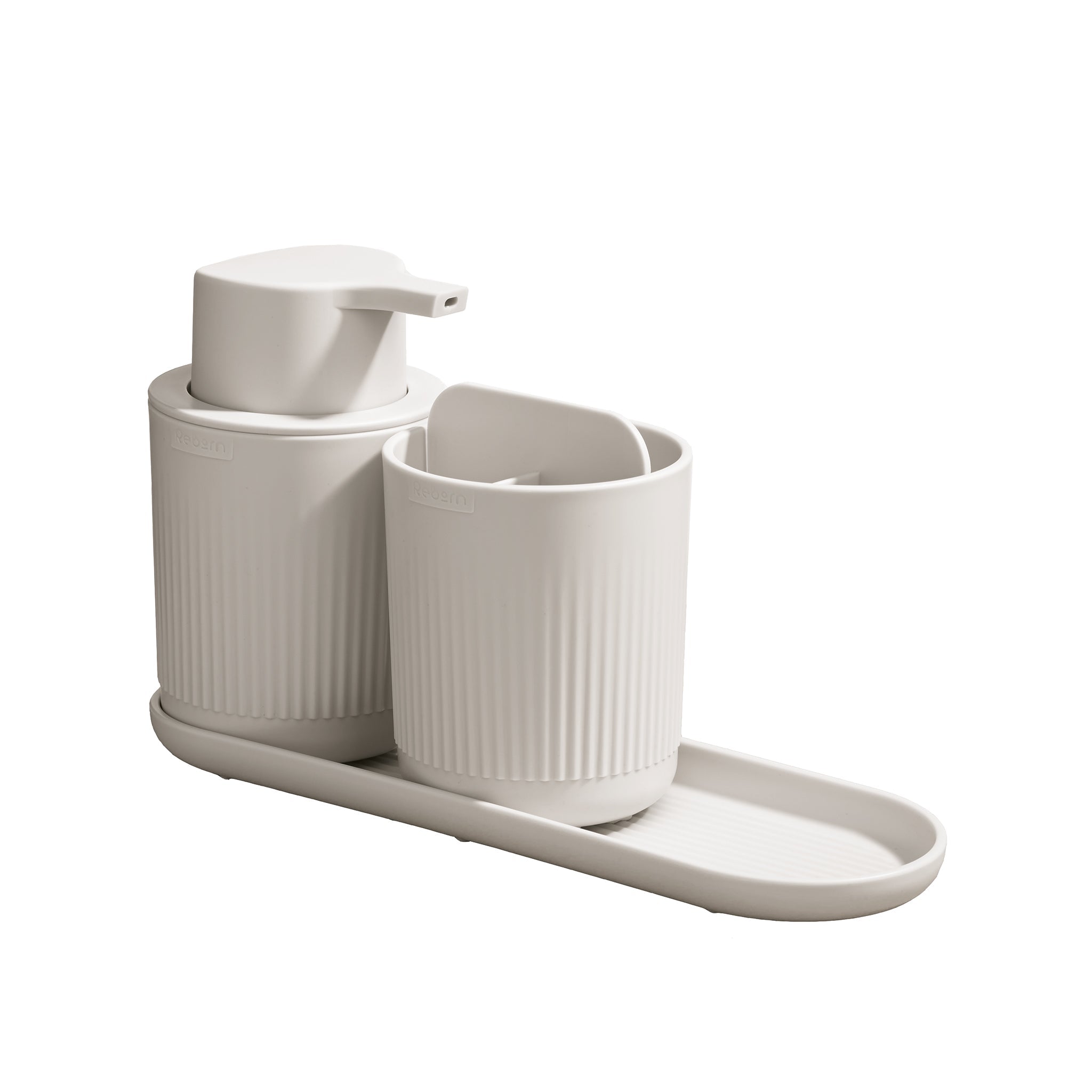
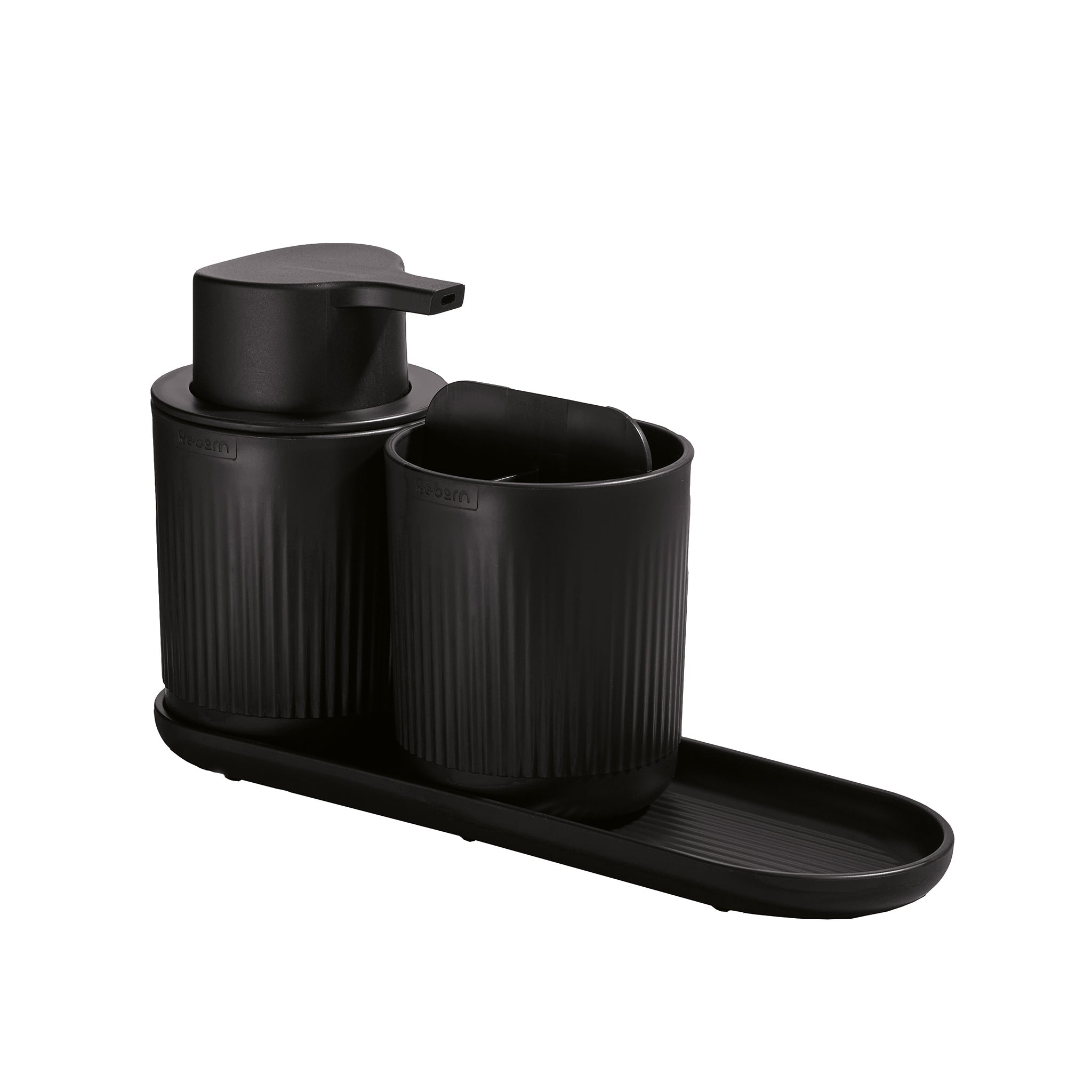
FAQs about Sustainable Spring Cleaning
What are the essential eco-friendly products for spring cleaning?
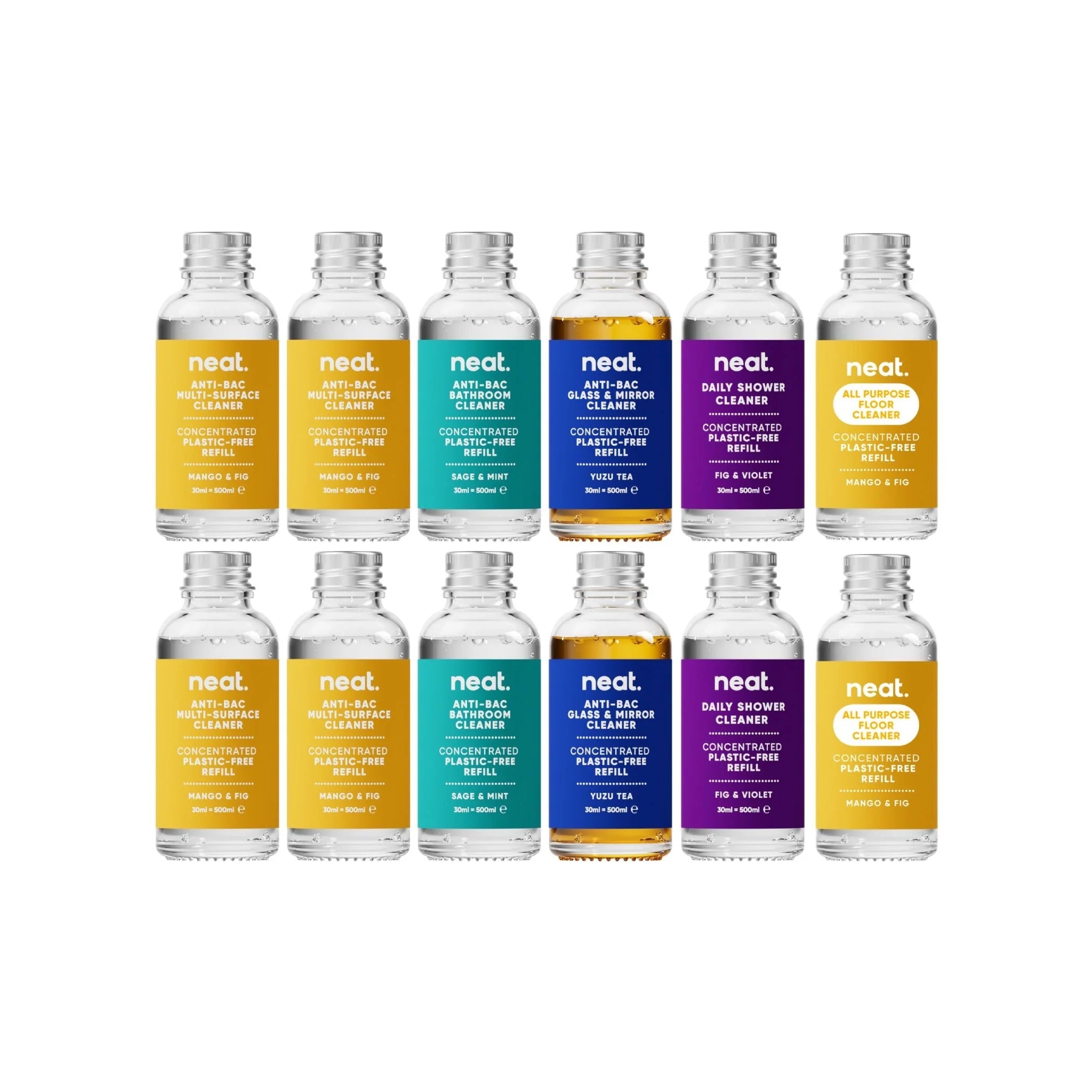
The essential eco-friendly products for spring cleaning include refillable sprays, plastic-free cloths, and natural scourers. Look for items made from stainless steel, bamboo, or organic cotton – they’re sturdy and biodegradable. Plant-based detergents and concentrated cleaners also cut waste and last longer. Bonus points if the brand offers refills. Even small swaps make a difference, like switching to compostable sponges or vinegar-based cleaners. For reusable tools that go the distance, browse our eco-living collection.
Which cleaning products should never be mixed together?
Bleach is best left alone – never mix it with vinegar, ammonia, or alcohol-based cleaners. These combos can release dangerous gases like chlorine or chloramine. Even natural-sounding ingredients can react badly, so it’s safest to stick to one cleaner at a time unless you're following trusted advice. Check labels, open a window, and don’t get too experimental with your mop cupboard chemistry.
How do I make my own natural cleaning solutions at home?
To make your own natural cleaning solutions at home, start with cupboard basics like vinegar, bicarbonate of soda, and lemon juice. For a surface spray, blend equal parts vinegar and water with a few drops of essential oil. Bicarb adds gentle grit for scrubbing, while lemon cuts grease and smells fresh. These mixes are cheap, non-toxic, and surprisingly effective. Just avoid vinegar on stone – it’s not so kind to granite. More mindful ideas await in our spring cleaning guide.
Which are the most durable and long-lasting cleaning tools?
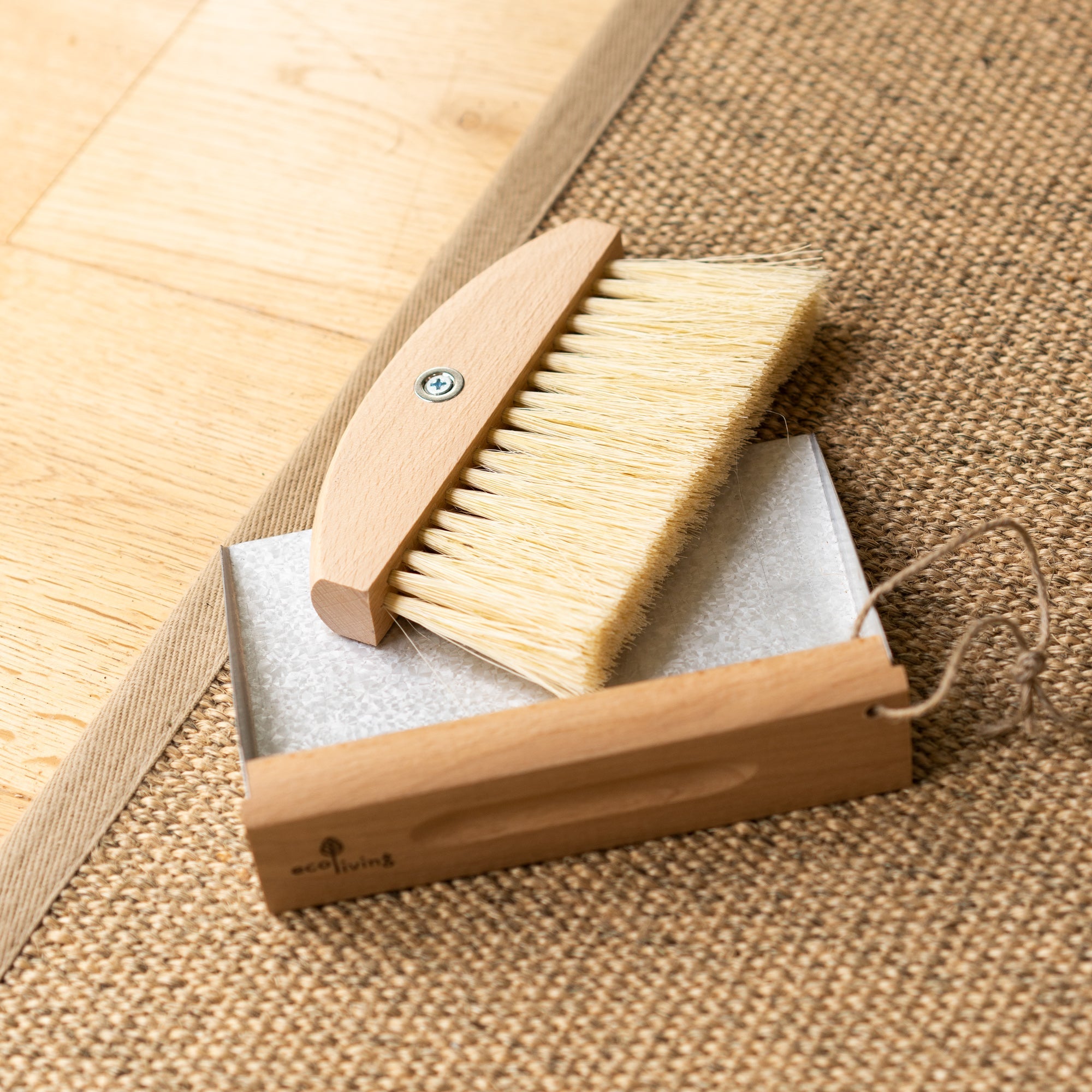
The most durable and long-lasting cleaning tools use stainless steel, natural fibres, and responsibly sourced wood. Try brushes with replaceable heads, dishcloths built for hundreds of washes, or a metal scourer that won’t rust. A well-made wooden broom can even be re-bristled. Keep an eye out for lifetime guarantees – they’re a good sign a product is engineered to last. Discover our trusted cleaning collection or peek behind the scenes at how we choose lasting products.
How should I care for and maintain reusable cleaning supplies?
To care for reusable cleaning supplies and make them last, rinse thoroughly and let them dry between uses. Wash cloths and natural sponges regularly – microfibre prefers a hot cycle with no fabric softener. Wooden brushes do best if stored dry, and metal scourers can be de-gunked with a vinegar soak. Some items can even go in the dishwasher (check first). A little care goes a long way. For detailed tips, visit our Product Care and Repair hub.
Are there safe cleaning products for homes with pets?
Yes, there are safe cleaning products for homes with pets – just steer clear of ammonia, bleach, and certain essential oils like tea tree or eucalyptus. Choose fragrance-free or plant-based cleaners made from food-safe ingredients. These are gentler on paws and tums if your pet licks a surface. Let things dry before your animals roam freely, and always store products securely. Some brands even offer formulations approved by vets for extra reassurance.
How do I properly dispose of old or unwanted cleaning products?
To properly dispose of old or unwanted cleaning products, don’t chuck them down the loo or sink – many contain harmful chemicals. Check with your local council for a hazardous waste facility or collection day. If it's mostly used up and safe, finish it off first. Rinse and recycle empty containers if accepted locally. Choosing concentrated, refillable cleaners helps cut future waste and avoids a cupboard full of half-used bottles.
