
Stainless Steel Kitchen & Homeware
Stainless steel kitchenware that lasts, looks better and works harder. It doesn’t warp, stain or hold onto smells like plastic can. Just solid, low-fuss tools that do their job well - from unbreakable drinkware to long-lasting food containers and washing up bowls. Less waste, fewer replacements, and a kitchen that feels a bit more sorted.
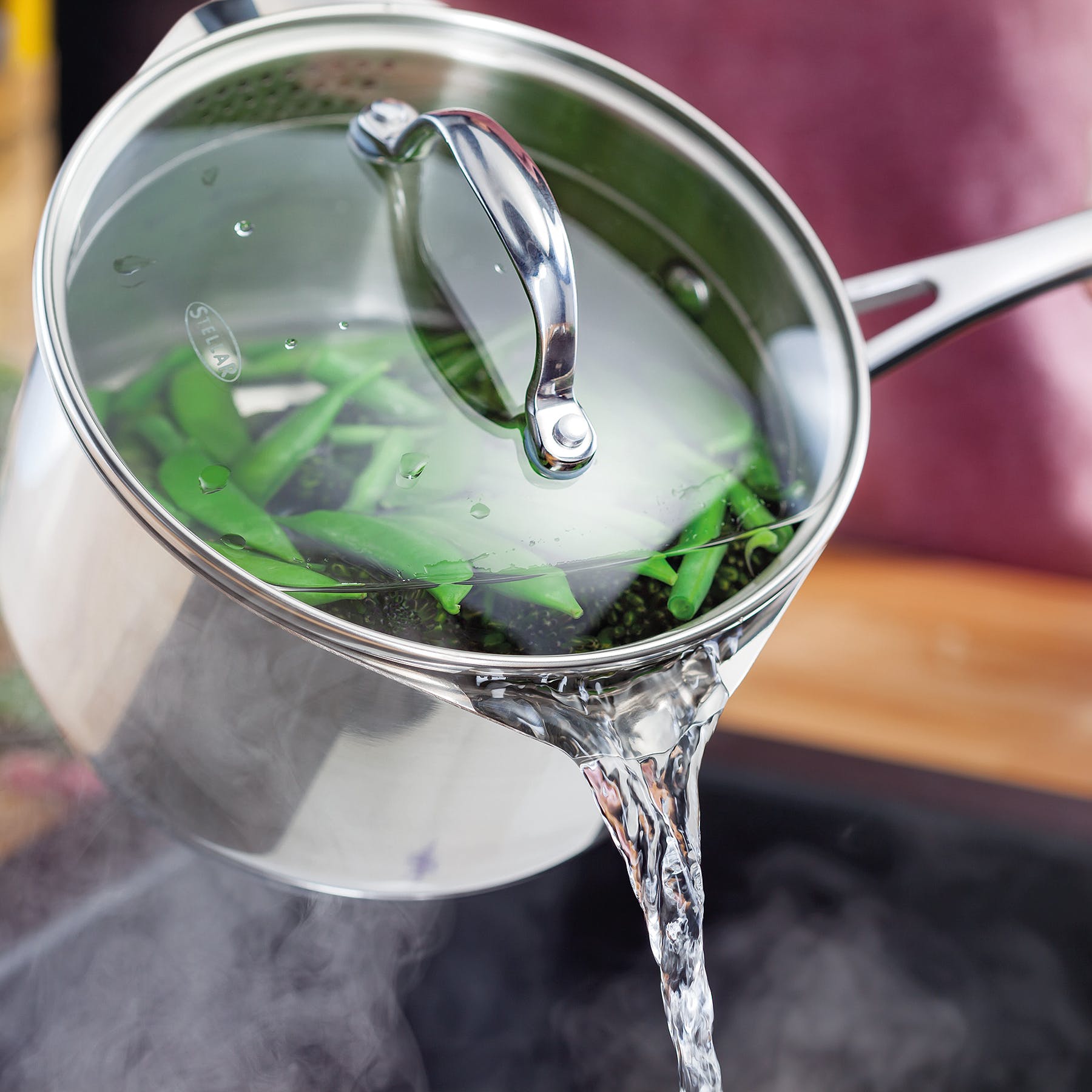
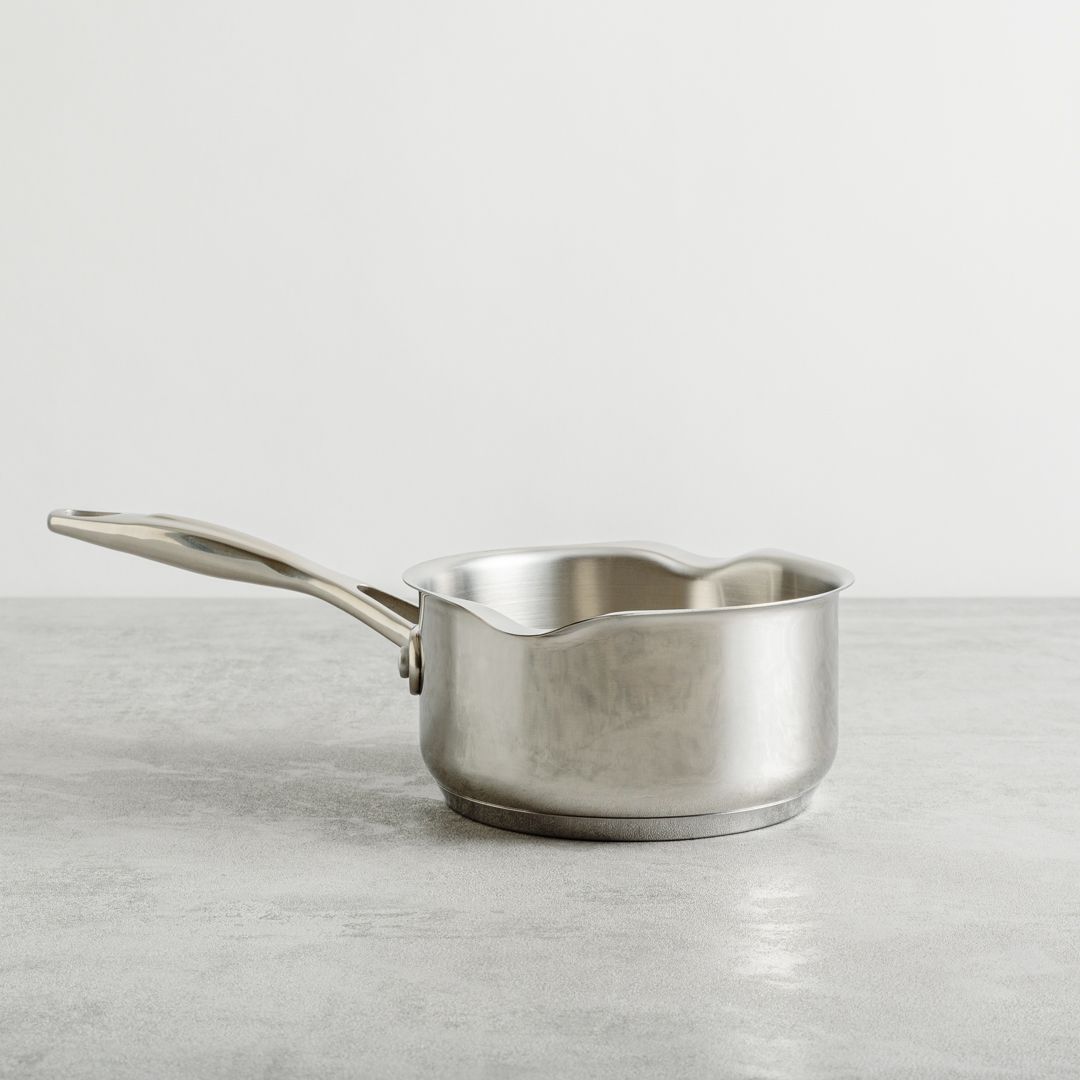
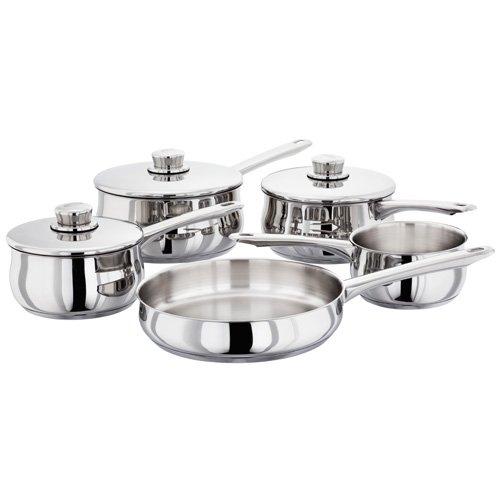
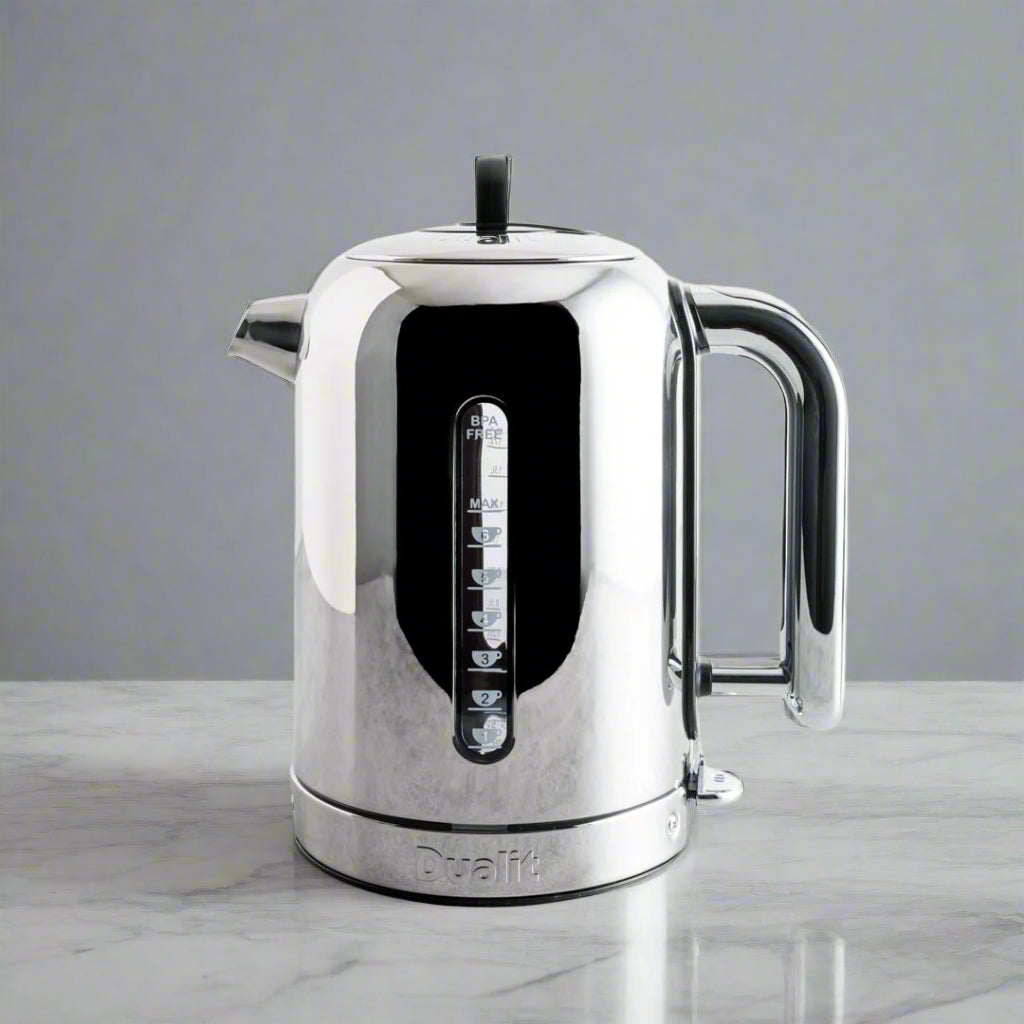
Stainless Steel Kitchen & Homeware FAQs
What are the longest-lasting stainless steel items for the home?
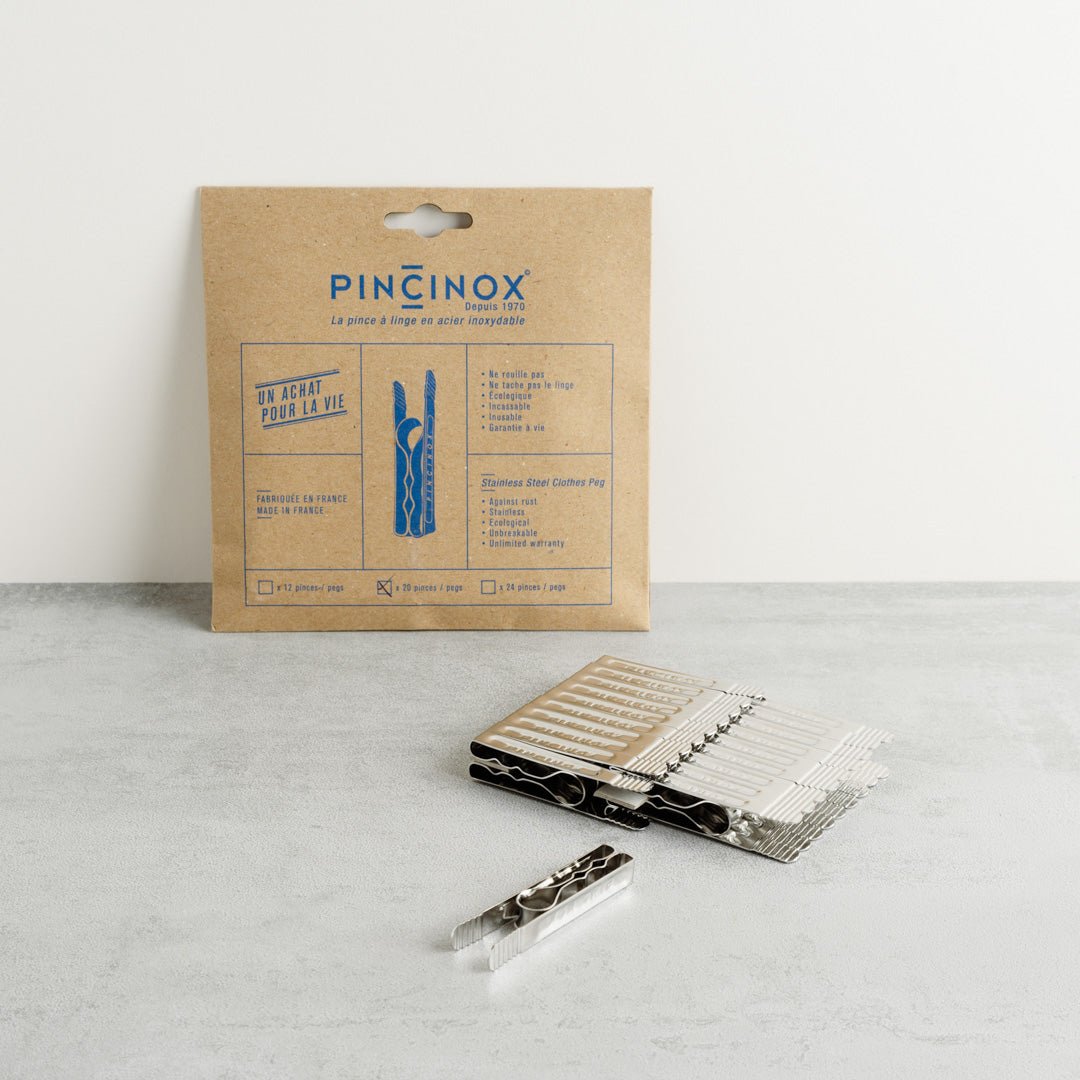
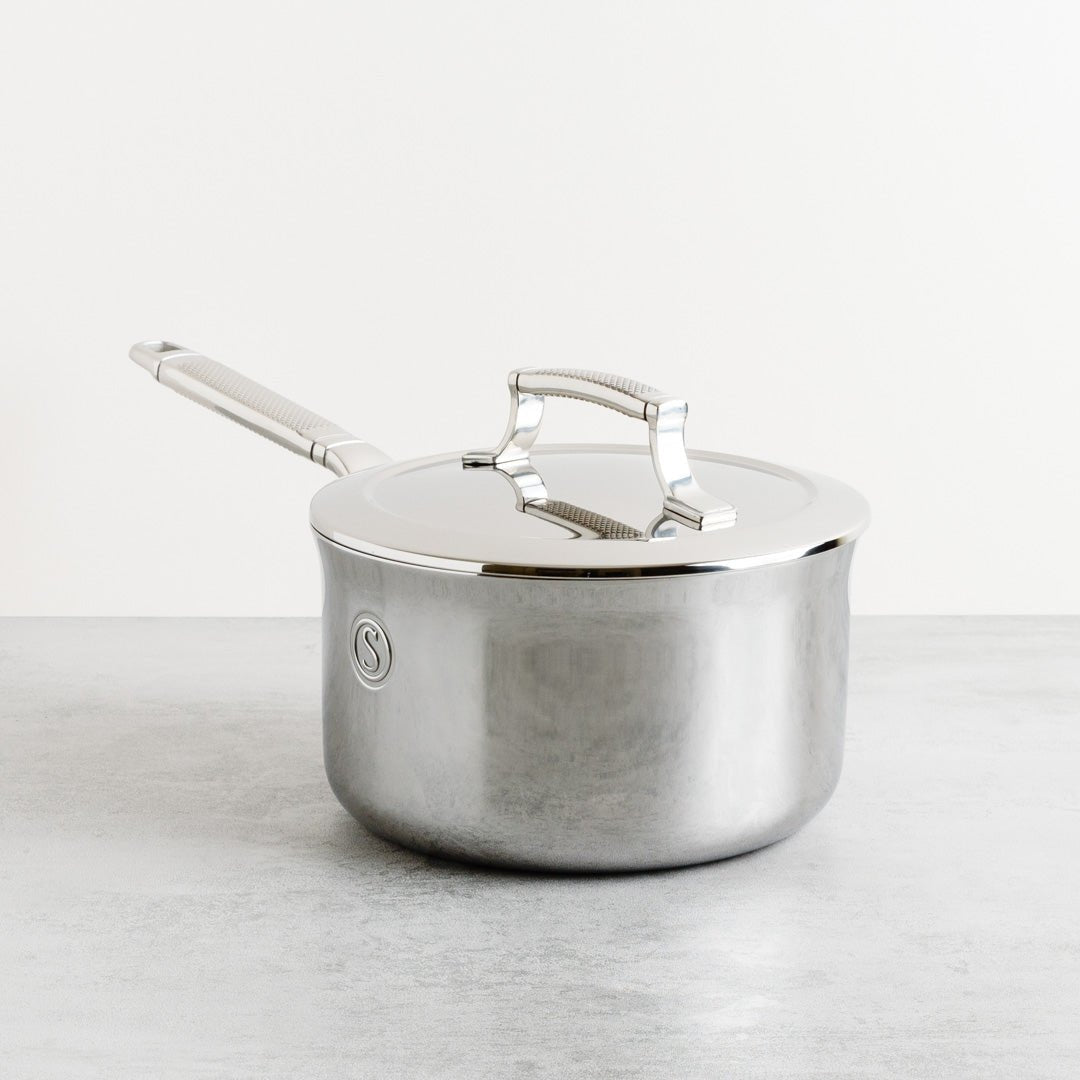
The longest-lasting stainless steel items for the home include cookware, pegs, food containers, and reusable bottles. These are typically made from 18/8 or 18/10 stainless steel, which resists rust and everyday bumps. Choose products with lifetime guarantees or spare parts - it’s a good sign they’re built to last. Unlike plastic, stainless steel won’t crack, stain, or absorb smells. With a bit of care, it’ll still be going strong when your kettle’s on its fifth life. Learn more on our research process page.
How do I keep stainless steel cookware looking shiny and new?
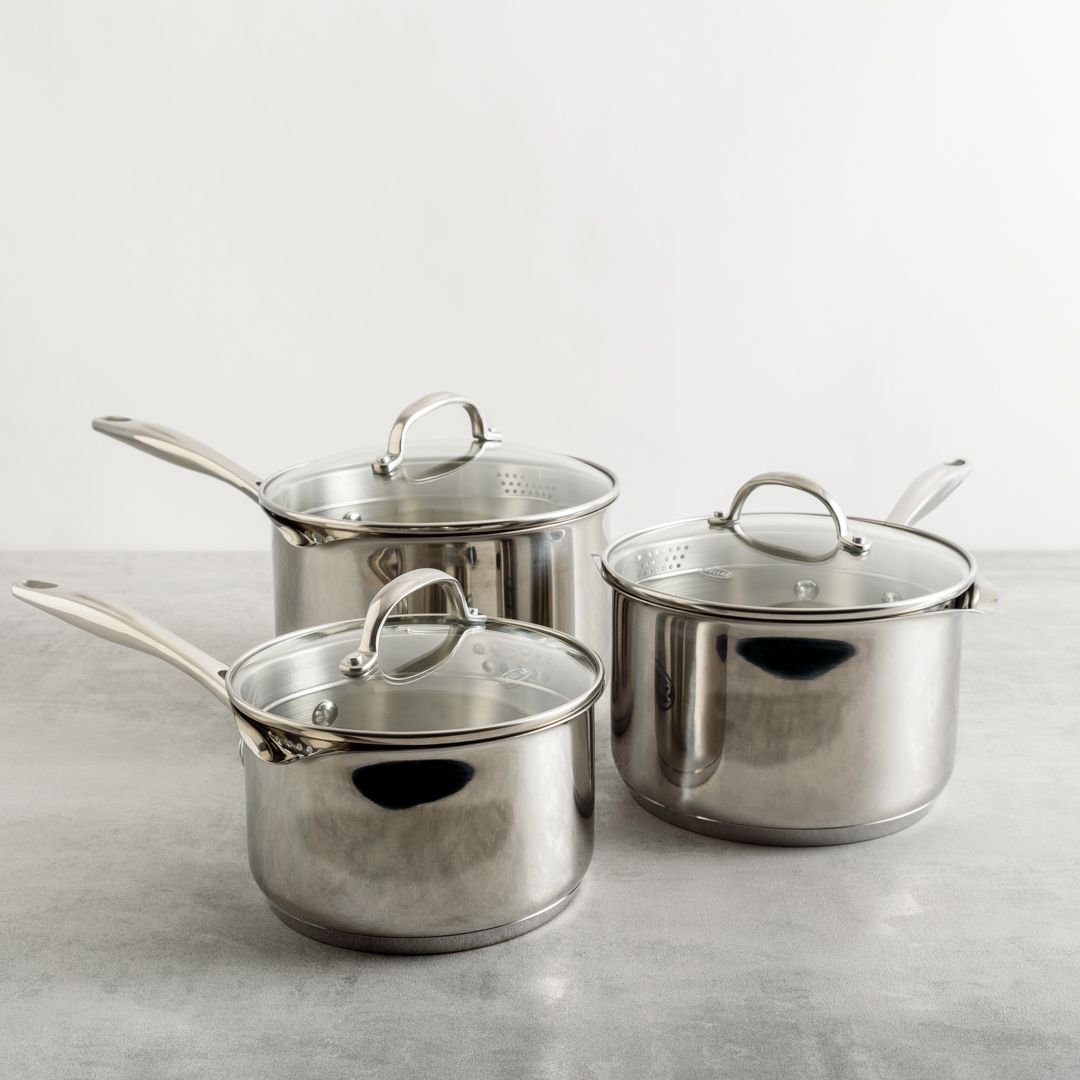
To keep stainless steel cookware looking shiny and new, wash it by hand with warm soapy water and a soft cloth. For a deeper clean, a baking soda paste lifts stains without scratching. Avoid scouring pads or overheating, which can leave marks harder to shift than a rainy picnic. Dry it off straight away to dodge water spots, and once in a while, use a stainless steel cleaner to bring back the sparkle. More natural tips in our cleaning guide.
Is stainless steel better than plastic for food storage?
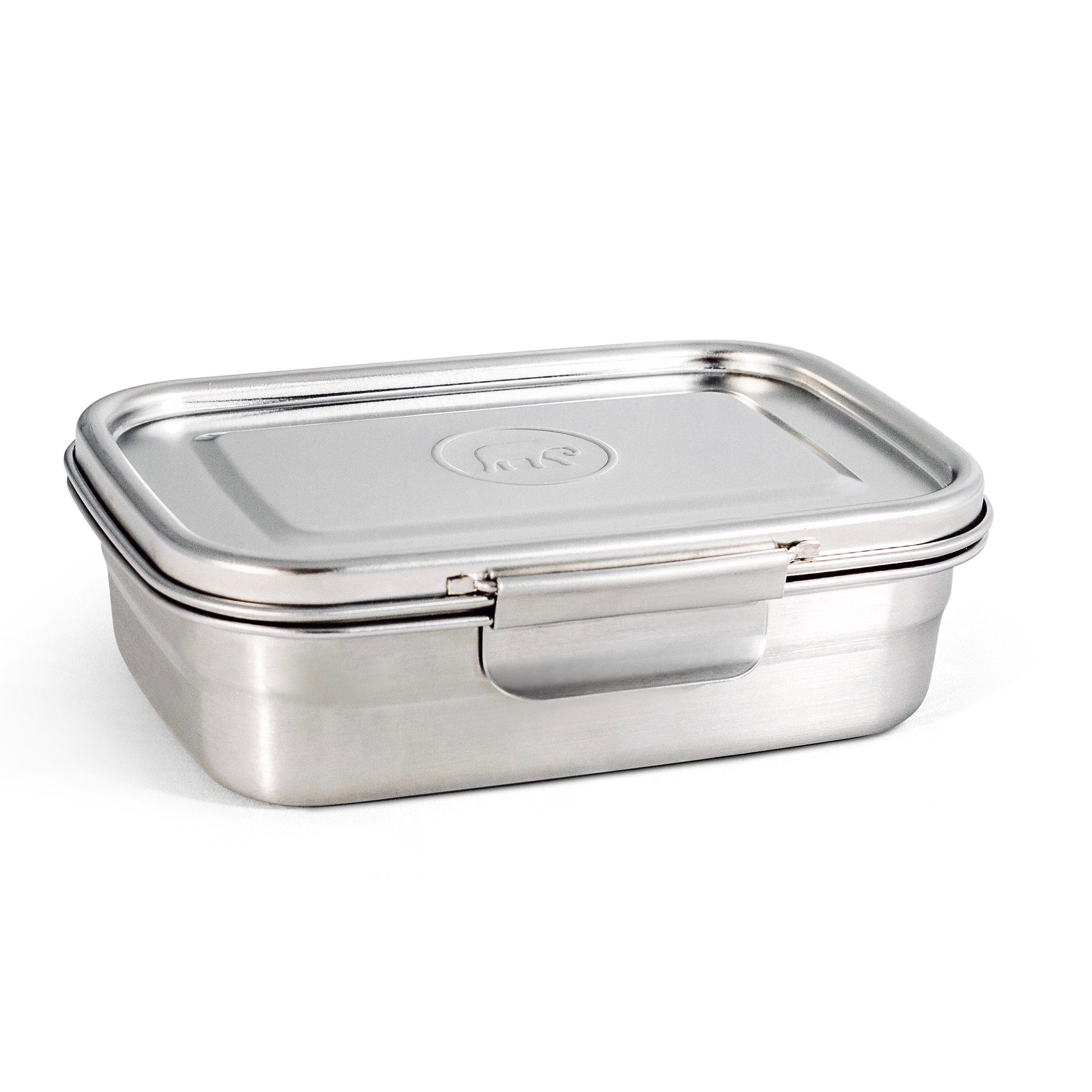
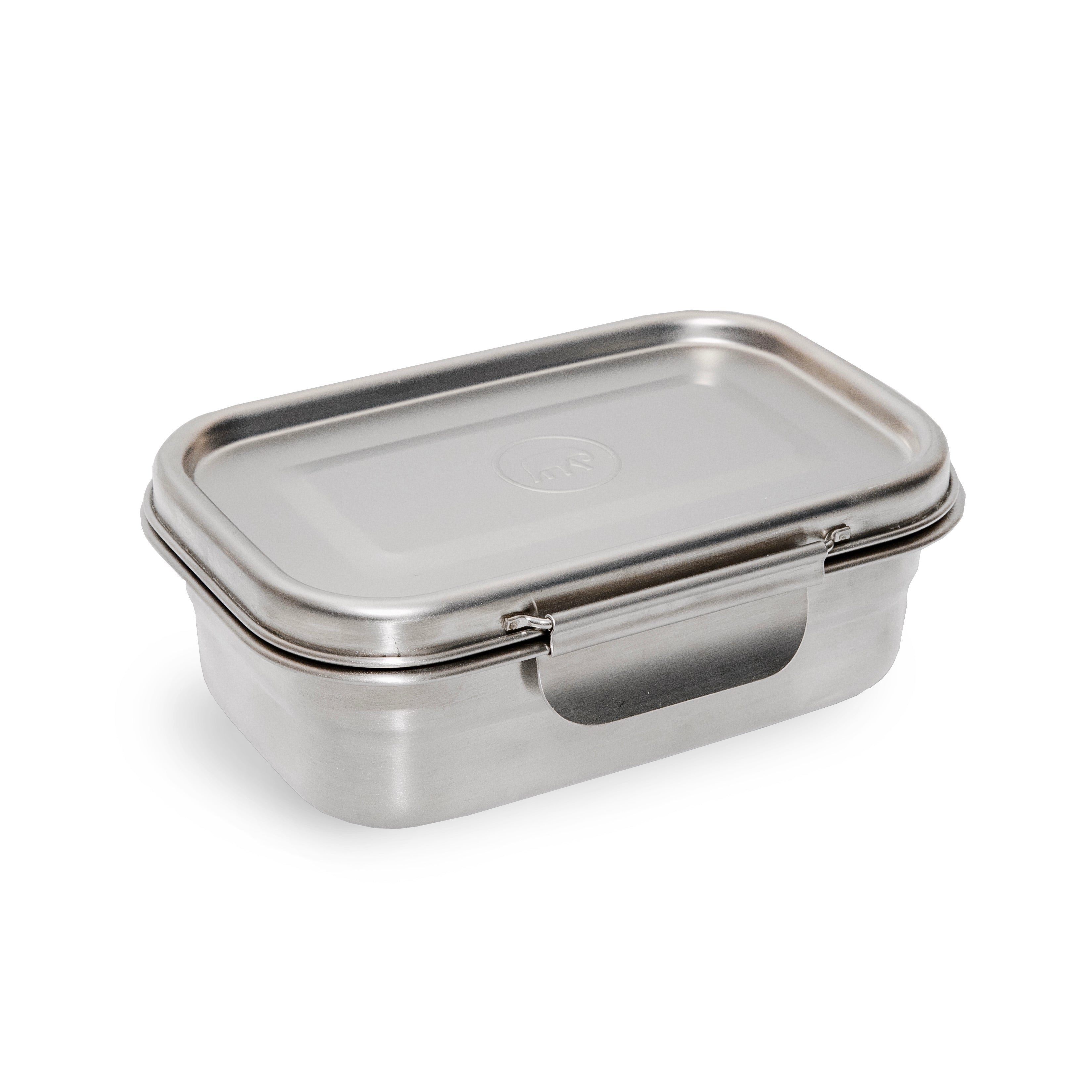
Yes, stainless steel is better than plastic for food storage if you’re after durability and safety. It doesn’t stain, absorb smells, or leach nasties. Unlike plastic, it laughs in the face of drops, heat, and decades of leftovers. Better yet, well-made stainless steel boxes often have repairable seals and can be fully recycled. It costs more up front, but you’ll likely never need to replace it. Have a look at our stainless steel food storage options.
Can stainless steel pegs and bowls be recycled?
Yes, stainless steel pegs and bowls can be recycled, just not through your usual kerbside collection. They need to go to a specialist metal recycling point. Stainless steel is 100% recyclable and retains its quality, even after multiple rounds. That said, it’s not something you’ll need to do in a hurry - proper 18/8 or 18/10 stainless steel can last for decades without rusting, bending, or calling it a day.
Are stainless steel drink bottles safe for hot and cold drinks?
Stainless steel drink bottles are perfectly safe for hot and cold drinks, as long as they’re made from food-grade stainless steel - look for 18/8 on the label. The best ones are vacuum-insulated to keep drinks at temperature for hours. They’re BPA-free, odour-resistant, and tougher than an old boot. Just check if yours is dishwasher safe before chucking it in. A well-made one should handle daily use without any fuss.
Which stainless steel kitchen essentials are best for everyday use?
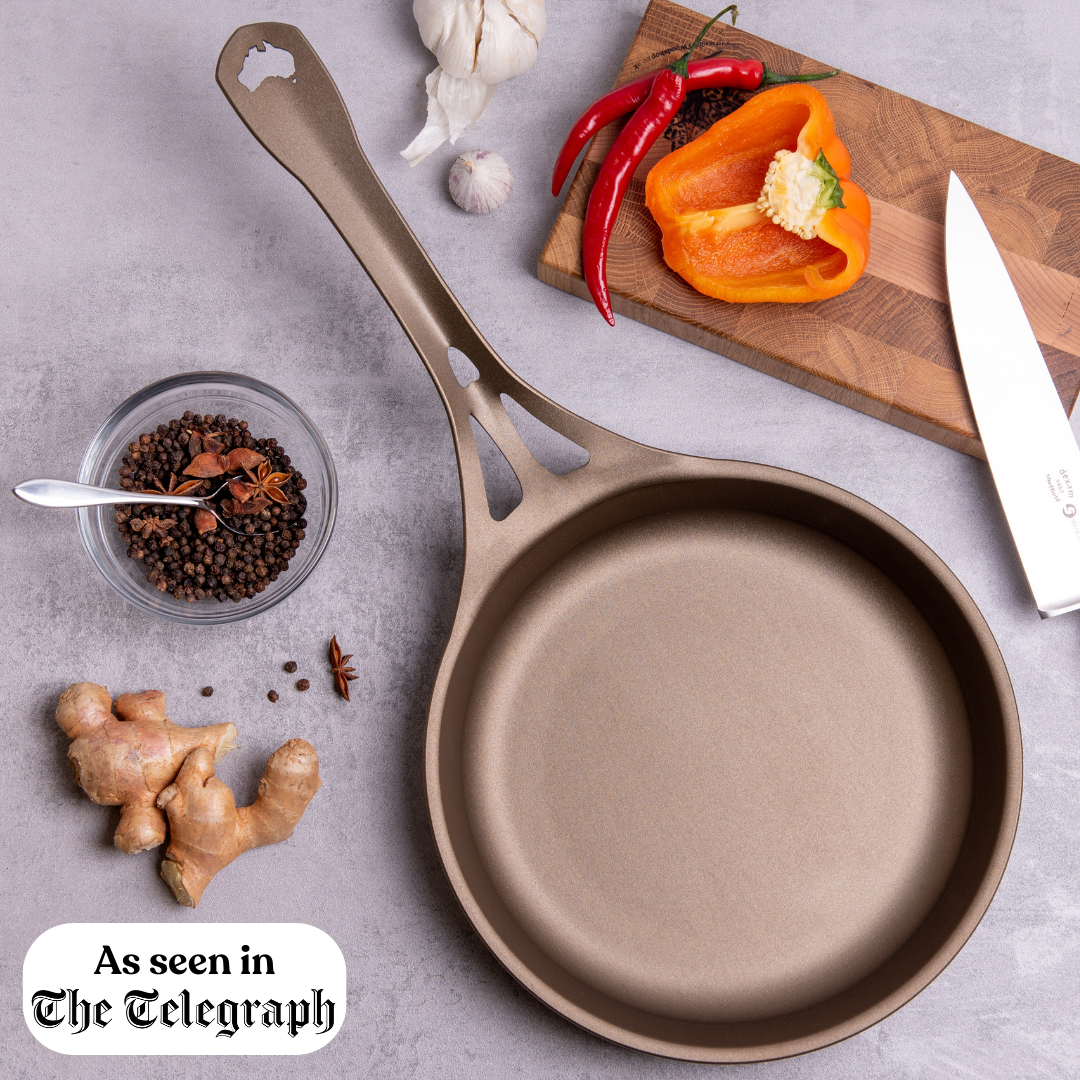
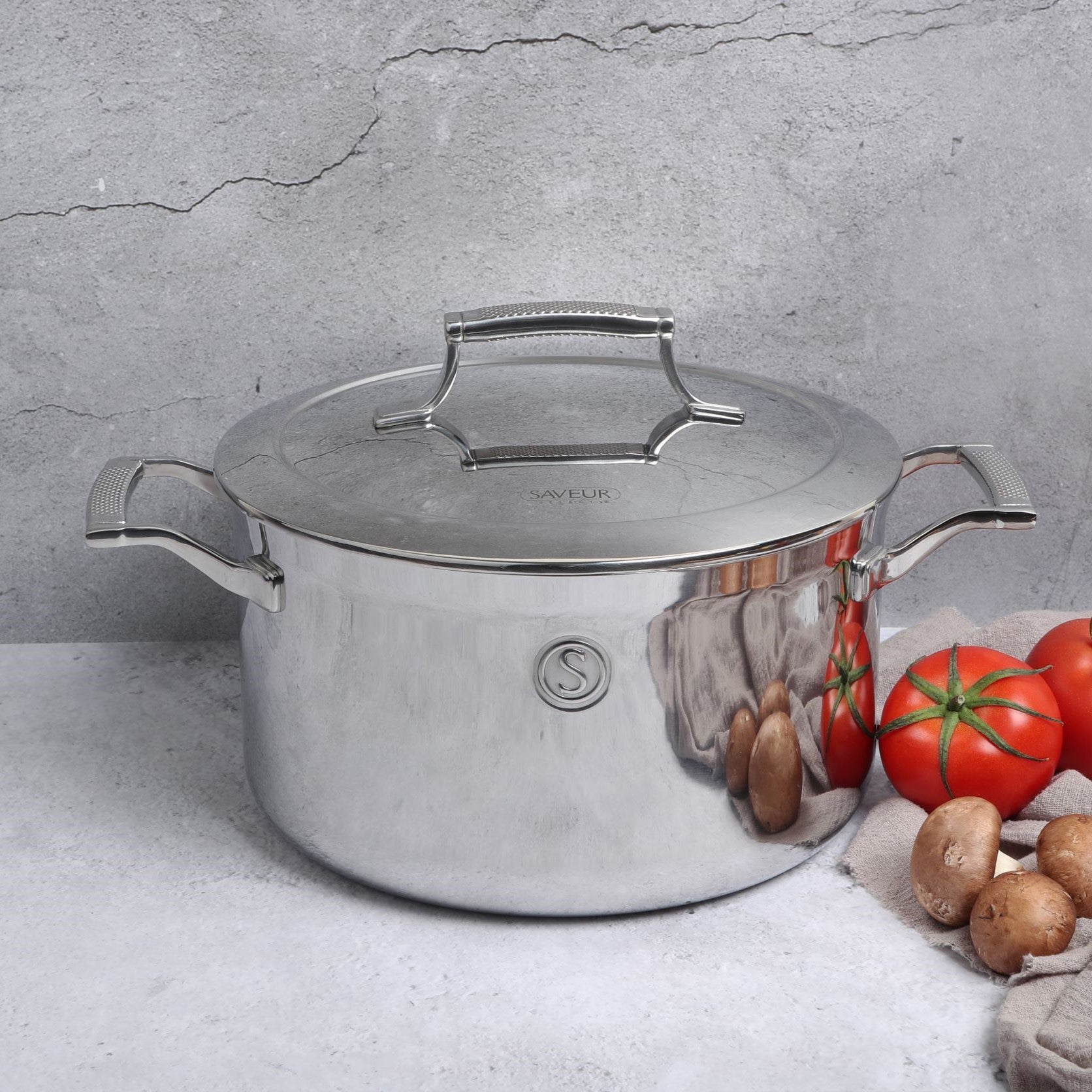
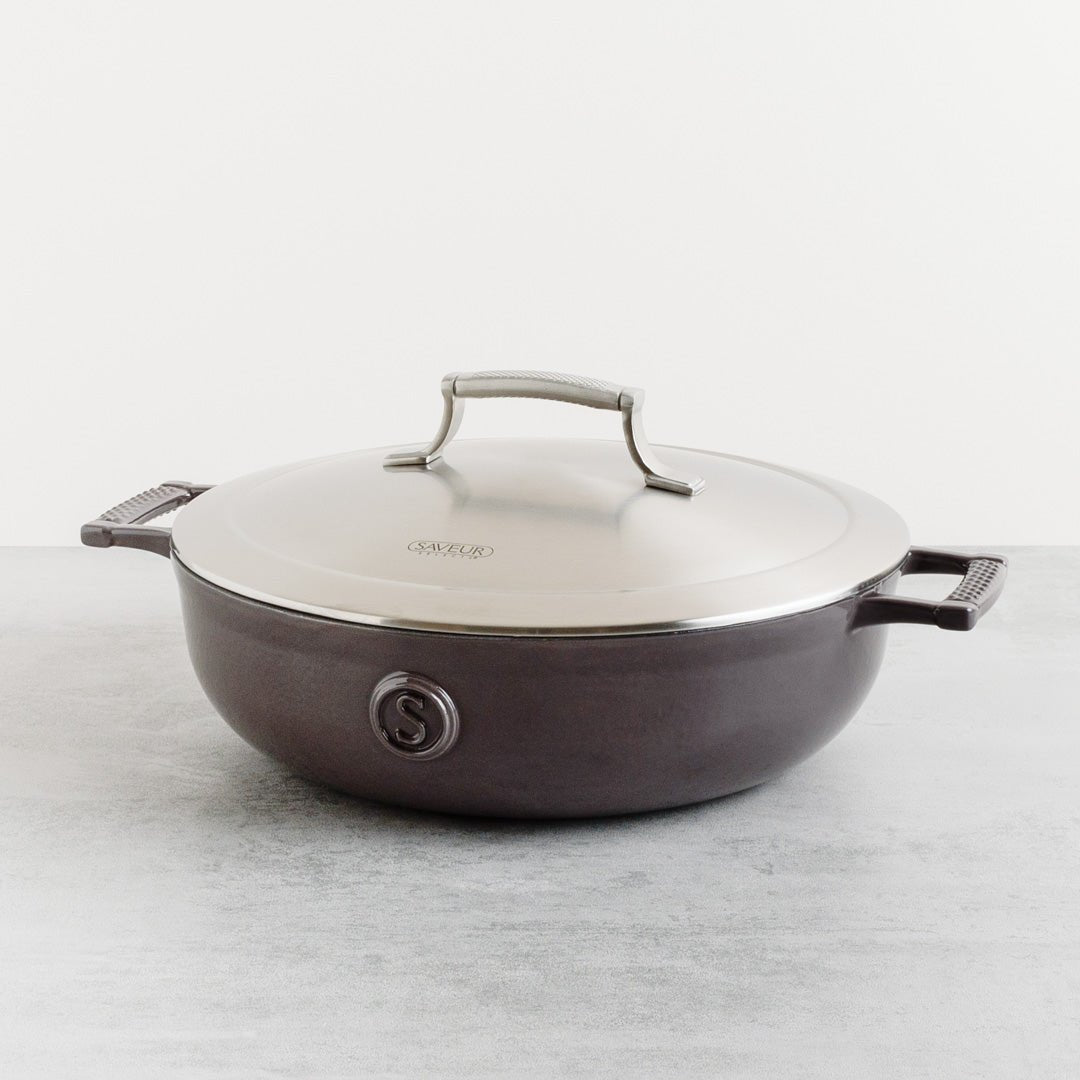
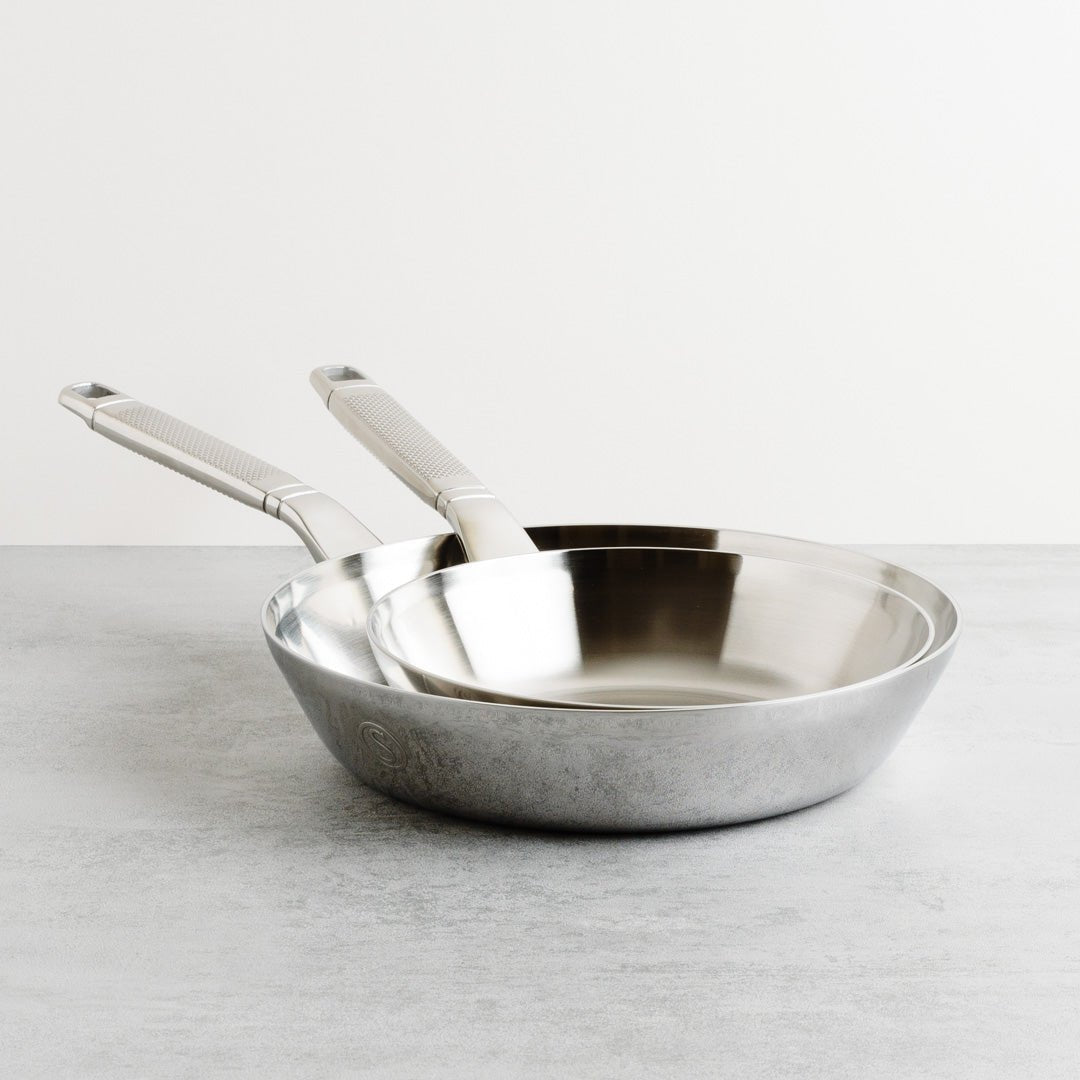
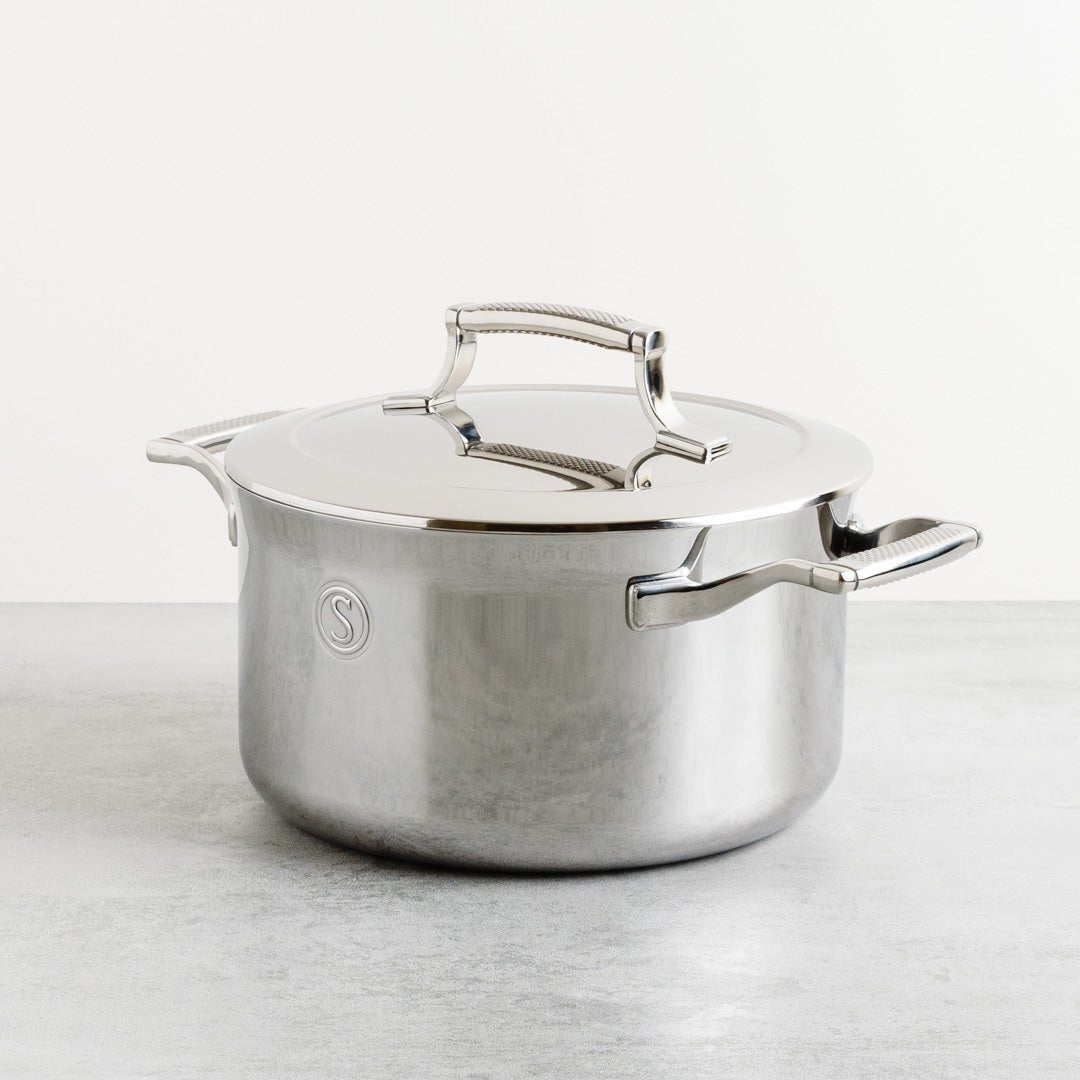
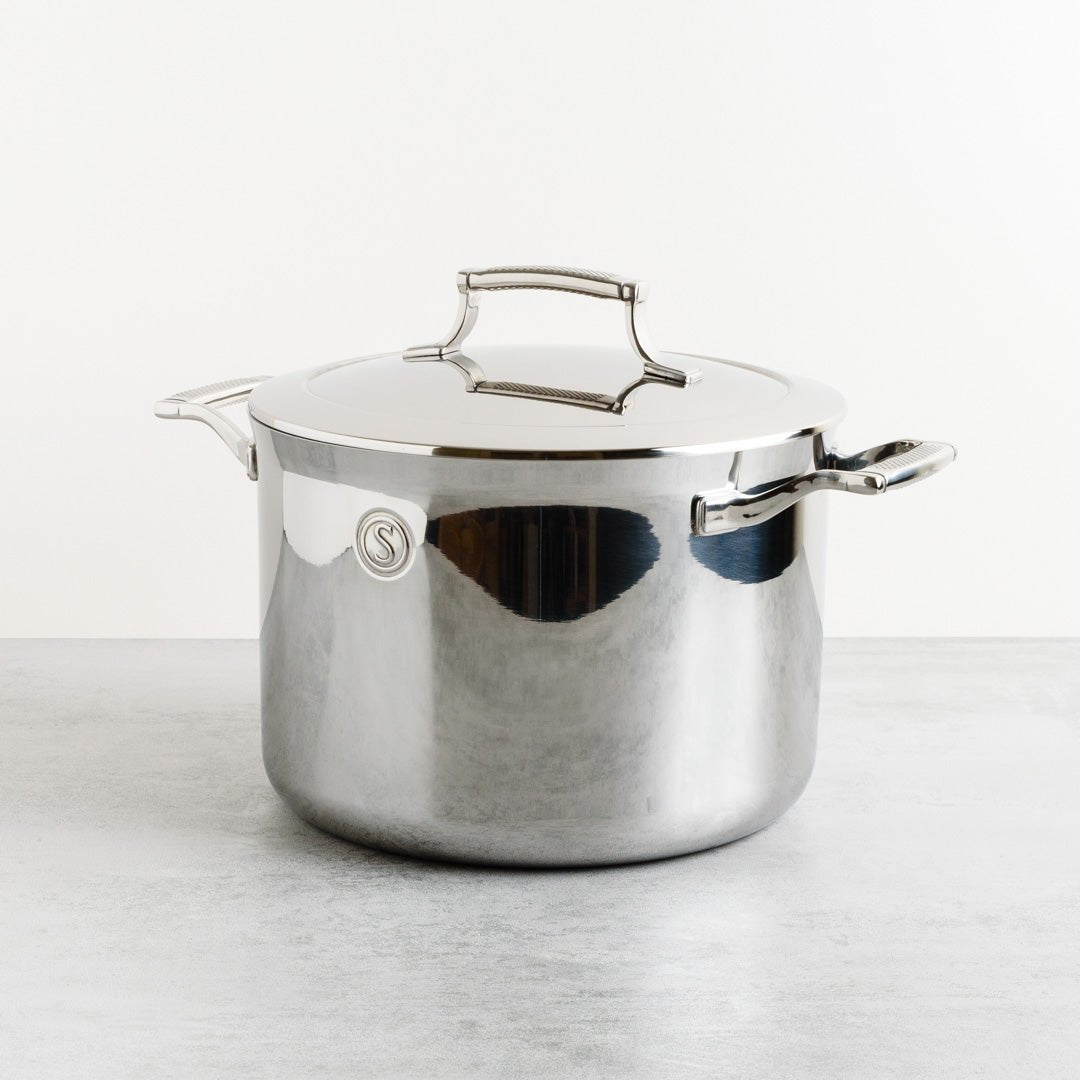
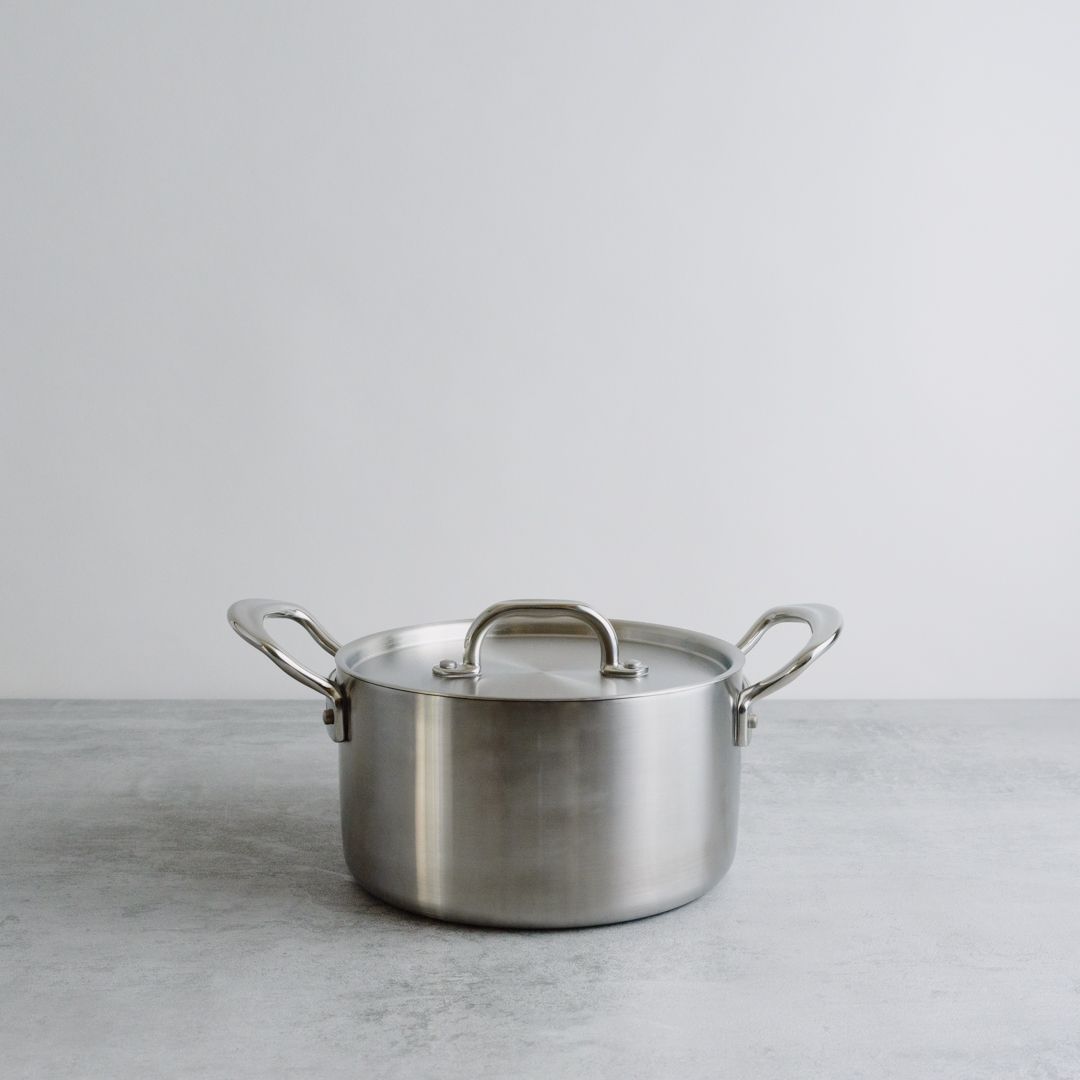
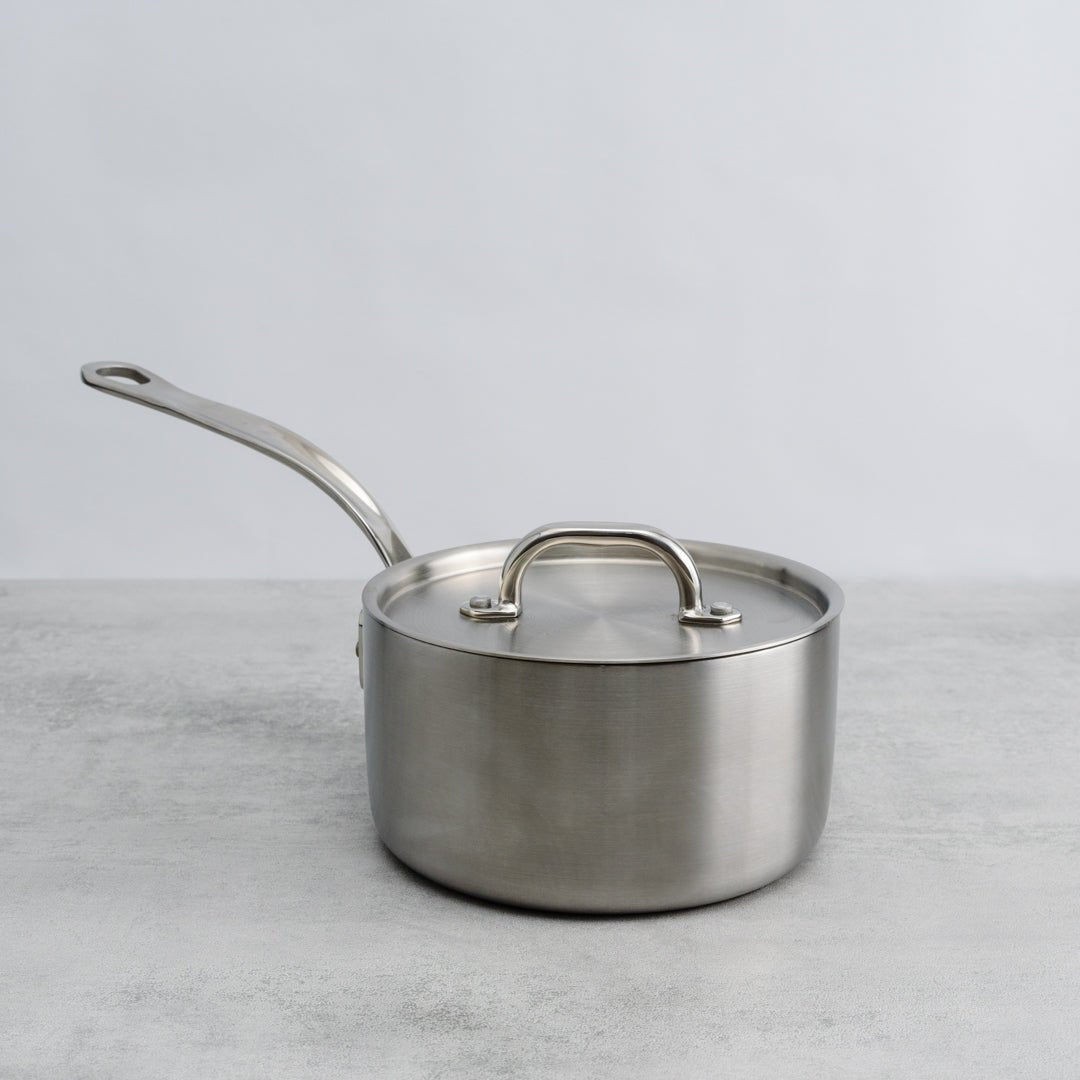
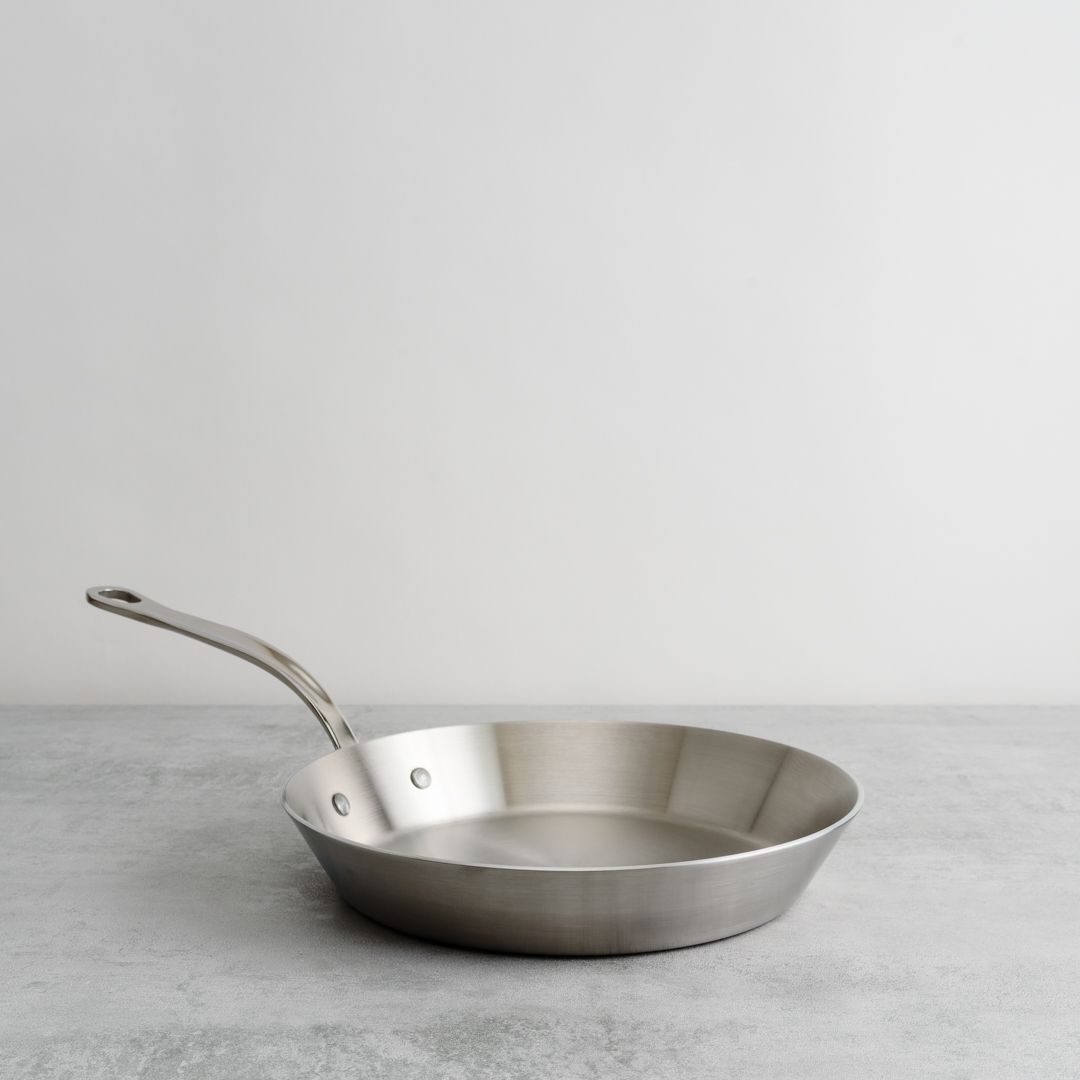
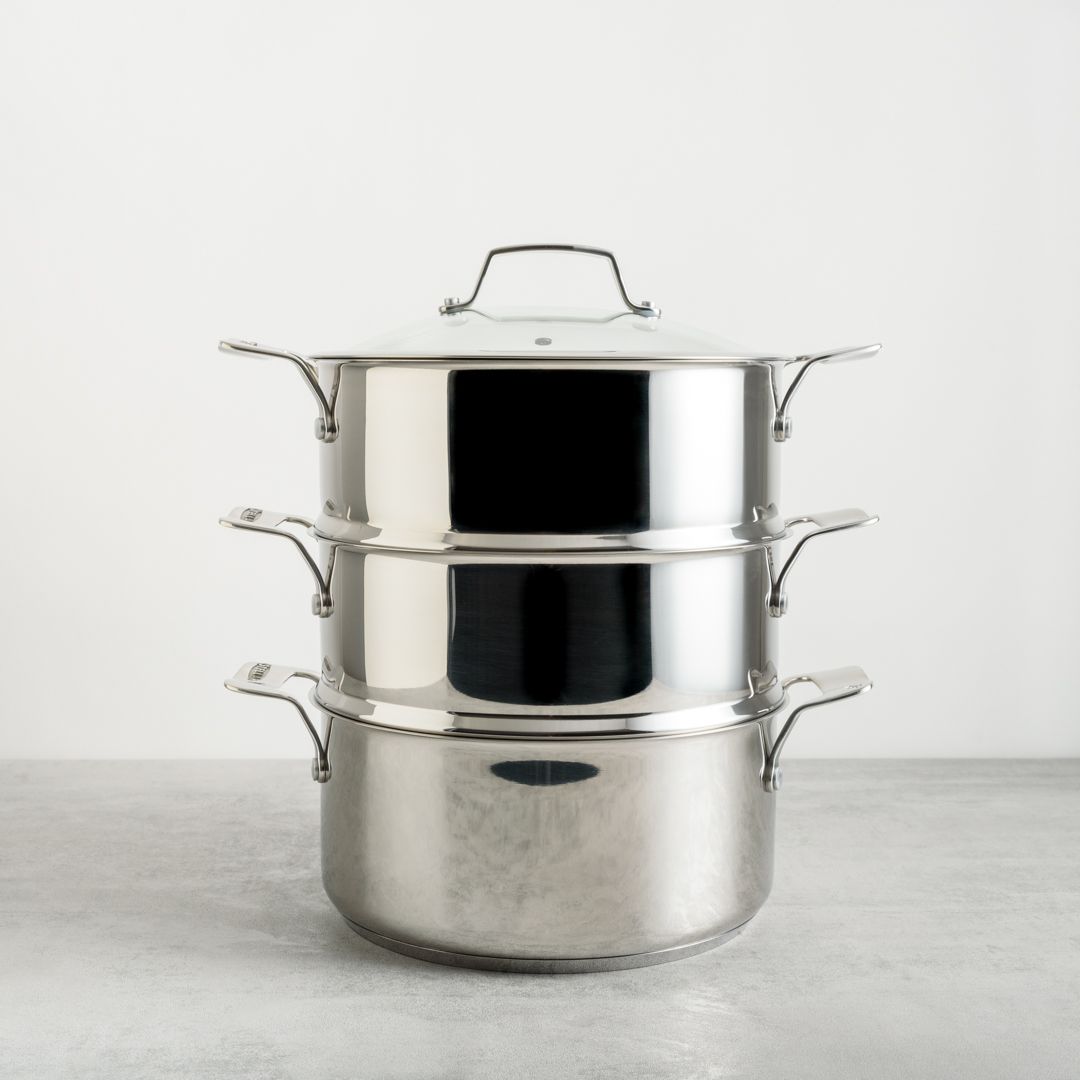
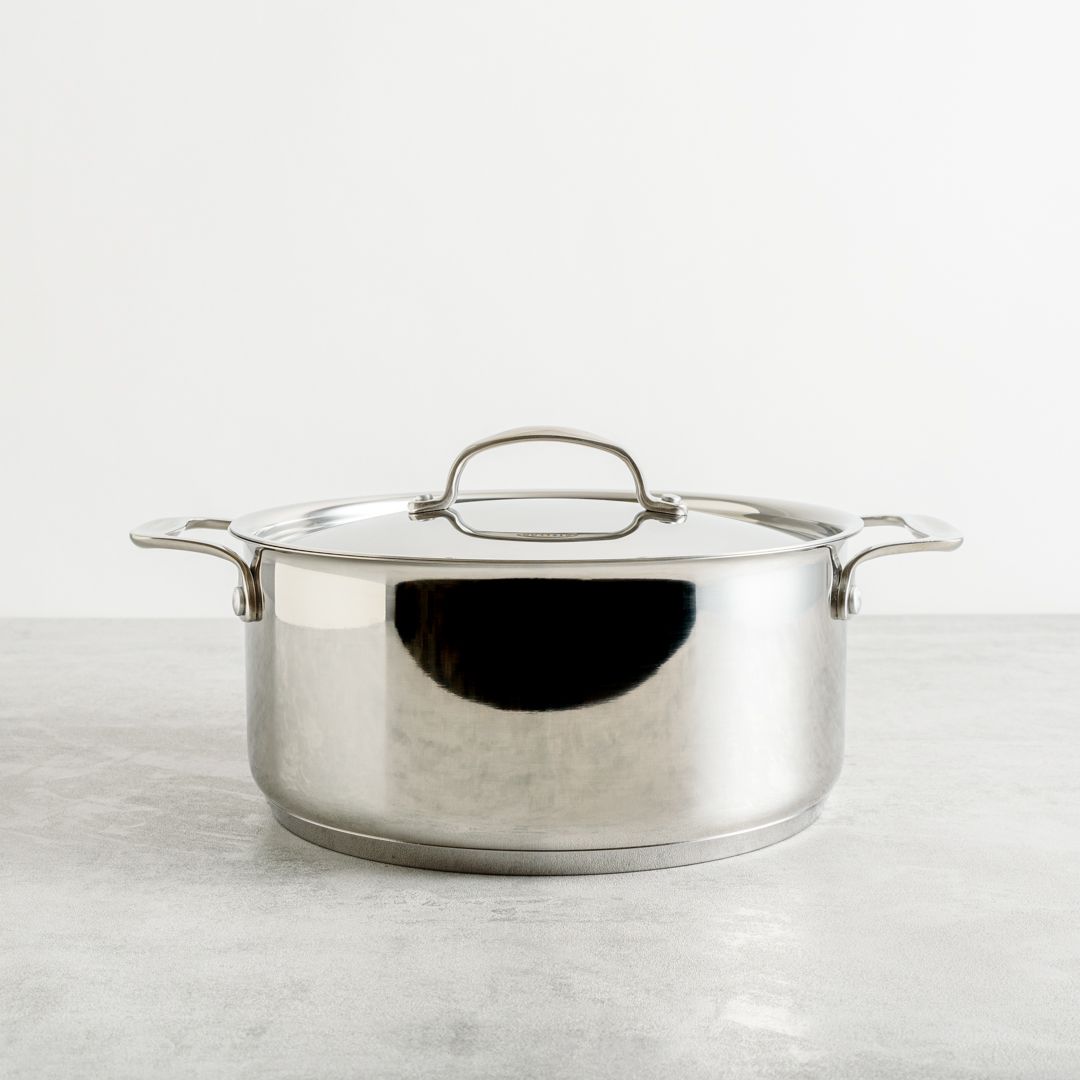
The best stainless steel kitchen essentials for everyday use are things like frying pans, stock pots, tongs, and mixing bowls. Go for 18/10 stainless steel, which offers strength and a nice shine. These bits are heatproof, rust-resistant, and usually happy in the dishwasher. Look out for lifetime guarantees or replaceable parts for even better long-term value. You can browse our favourites in the durable kitchenware collection.
How do I remove stains or discolouration from stainless steel products?
To remove stains or discolouration from stainless steel products, try a baking soda paste and a soft cloth, rubbing in the grain’s direction. White vinegar works brilliantly on heat stains (those rainbowy ones). Skip the bleach or steel wool - they’ll only scuff things up. Hand-washing and drying helps keep everything looking sharp. And don’t worry - most marks are purely cosmetic. More handy techniques await in our natural stain removal guide.
