
The Slow Sale
The Slow Sale: thoughtful discounts, no rush. We've lowered prices on a wide range of solid, long-lasting products across Kitchen, Home, Clothing & Accessories, and Audio. The difference? You’ve got a full fortnight to decide – the sale runs until midnight on 21 January. No pressure. Just dependable, well-made things at prices that make sense.
FAQs about The Slow Sale
Which kitchen cookware options are truly buy-it-for-life?
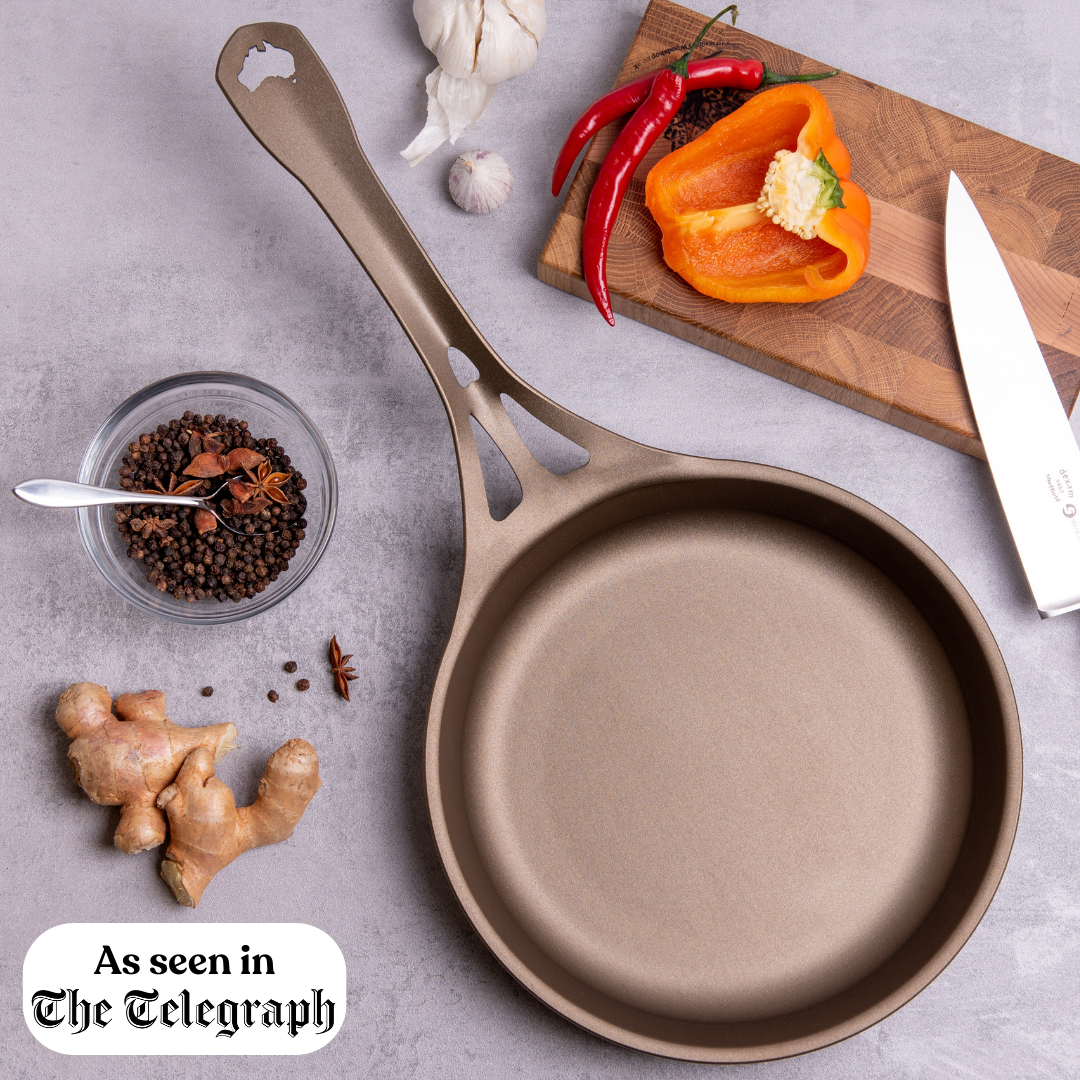
The best buy-it-for-life kitchen cookware is made from tough, repairable materials like cast iron, stainless steel, or copper. These metals offer brilliant cooking results and, with proper care, last for decades. Look out for pots and pans with lifetime guarantees or in-house repair services. Steer clear of trendy coatings that wear out quickly - non-stick layers often peel long before the pan wears out. Cast iron is especially long-lived and gets better with age, like a good cheddar. Browse our durable cookware collection or learn how we find lasting kitchen gear.
How can I keep my cast iron cookware in great shape long term?
To care for cast iron cookware long term, always dry it well after washing and rub on a little oil before storing. This protects its seasoning and helps prevent rust. Stick to warm water - no soap unless you’re planning to re-season. Avoid soaking and keep it clear of the dishwasher. If things stick, scrub gently with a stiff brush or chainmail scrubber. Do this and your pan could see you through half a dozen prime ministers. More tips in our iron pan care guide.
What’s the safest type of non-stick cookware to use?
The safest non-stick cookware uses ceramic or toxin-free coatings without PFAS, PFOA, or other forever chemicals. Ceramic gives good glide with lower risk but doesn’t last as long as bare metal. If you want longevity, try seasoned cast iron, which goes naturally non-stick and lasts donkey’s years. Whatever you choose, avoid heating past 260°C, as coatings can start to break down. Keep an eye out for newer brands offering pan recoating or part replacements too - not a bad idea if you’re playing the long game.
How do I know if cookware works on an induction hob?
To check if cookware works on an induction hob, grab a magnet. If it sticks firmly to the base, you’re good to go - induction hobs need ferrous metal to heat up. Cast iron and many stainless steel pans pass the test, but aluminium, copper, and non-magnetic stainless often don’t unless they’ve got an added induction plate. Lots of modern pans will say ‘induction compatible’, but the fridge magnet trick works a charm. Choosing induction-friendly cookware now can save you from future faff if you switch hobs later.
What’s the proper way to clean copper or stainless steel pans?
For stainless steel, use warm soapy water and a soft sponge, or baking soda paste for tougher bits. Avoid steel wool - it’ll scratch. Copper pans shine up nicely with copper polish or a homemade lemon-and-salt mix. Always hand wash copper - dishwashers can do more harm than good. With gentle treatment, both types hold their looks and cook evenly for years. Many top brands back them with 25-year or even lifetime warranties, so they’re definitely in it for the long haul.
Is ceramic-coated cookware safe and durable?
Ceramic-coated cookware is safe and free from PTFE, PFAS, and other nasties, but its durability isn’t top of the class. Ceramic can chip or wear over time, especially if you use metal tools or crank up the heat. For best results, stick to wooden utensils, hand wash, and cook on low to medium flames. If long life is your goal, seasoned cast iron or stainless steel will likely go the distance better. Ceramic has its perks - it’s light, heats well - but it’s not the toughest nut in the drawer.
How do I remove rust from my old cast iron pan?
To remove rust from cast iron, scrub it gently with steel wool or a stiff brush, rinse, then dry it completely. Next, re-season by coating with vegetable oil and baking upside down in a 200°C oven for an hour (foil underneath helps catch drips). This re-builds the natural non-stick layer and guards against future rust. A bit of rust isn’t fatal - just a sign your pan needs a little love. Even flaky old skillets can bounce back beautifully. For step-by-steps, see how to season your cast iron skillet.
