
10 Year Warranty
Dependable products, backed for a full decade. Everything here comes with a proper 10-year warranty that covers materials, faults and structural issues – not the usual short-term promise that runs out just when you need it. We’ve picked things built to last, and the makers stand behind them. It’s straightforward protection, from people who mean it.


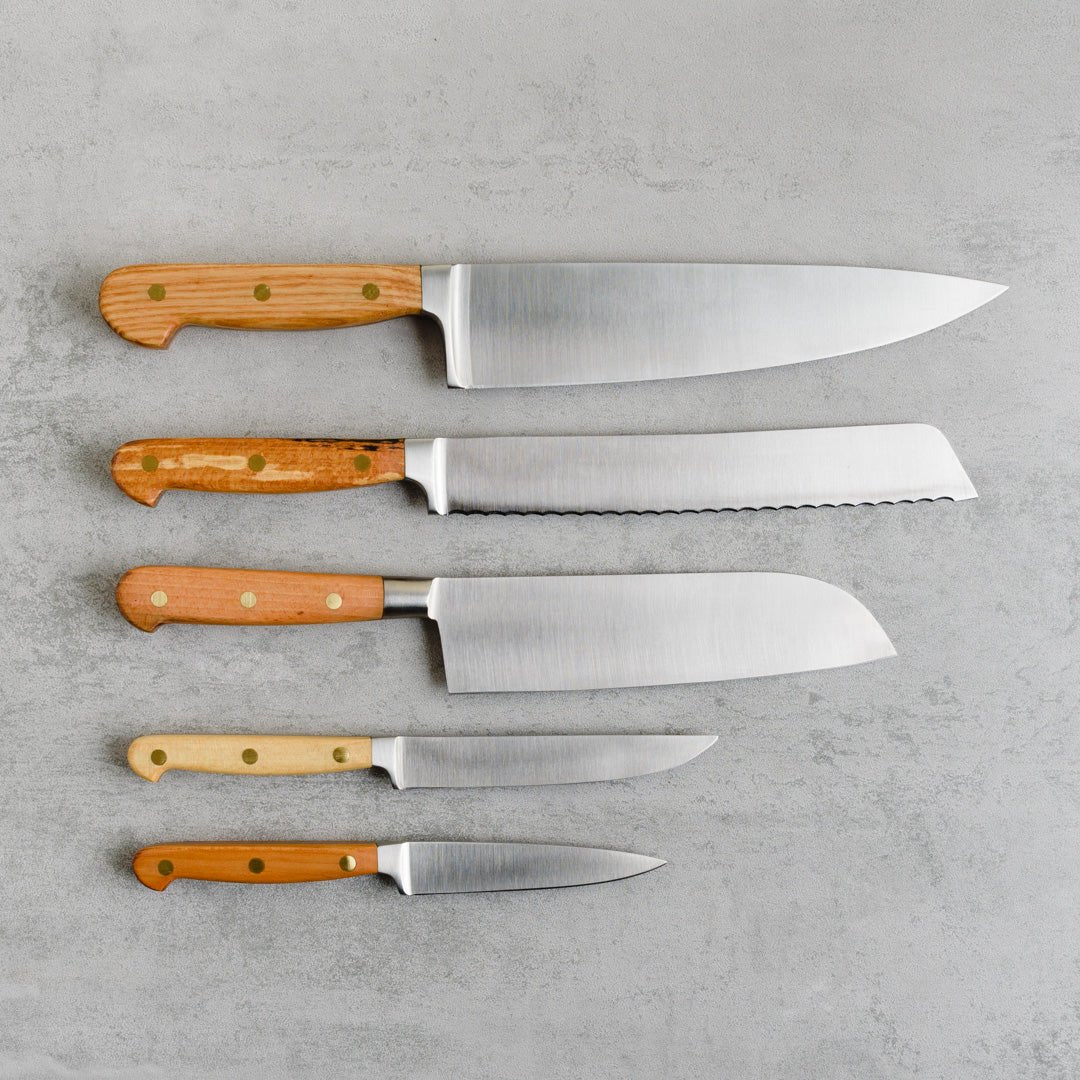
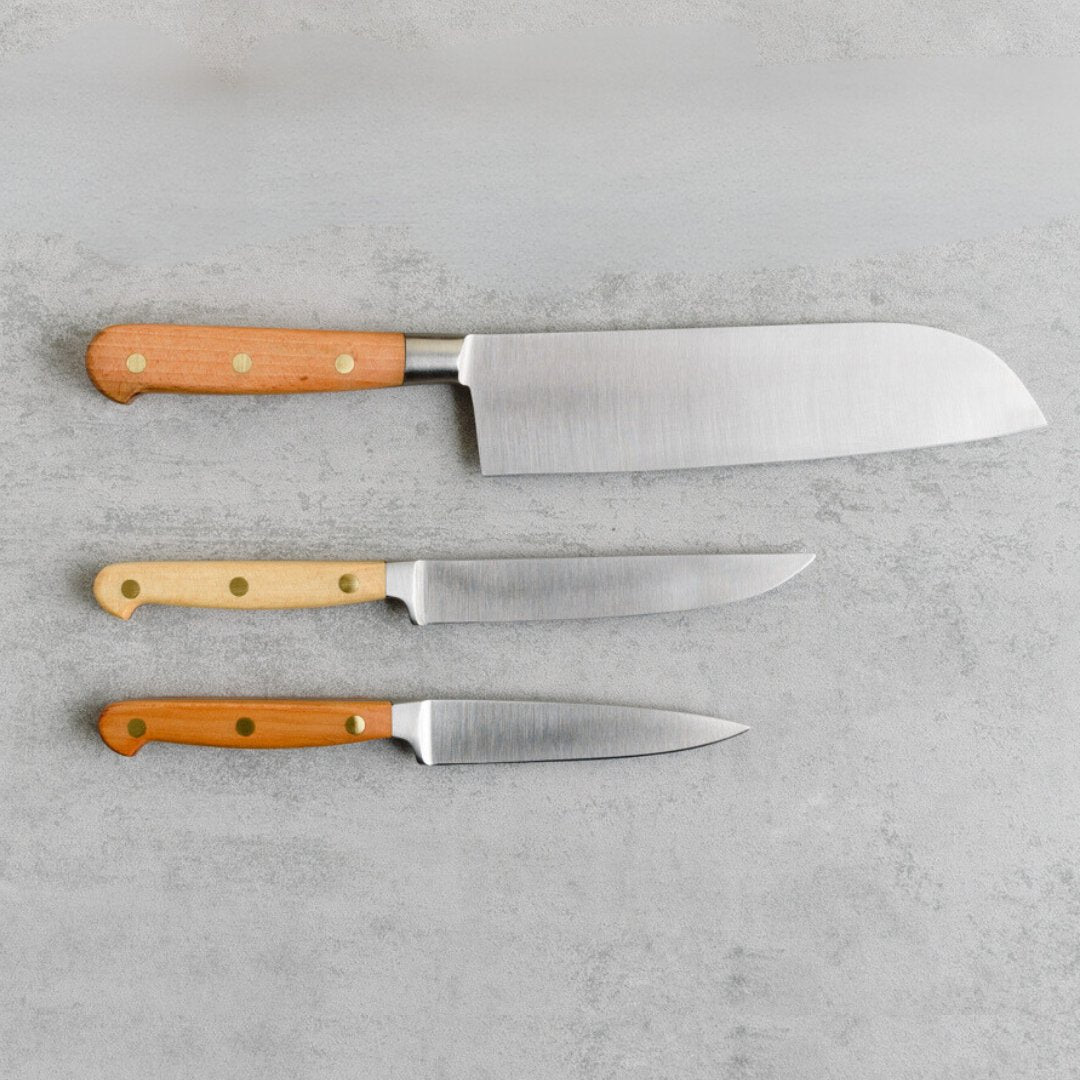
Durable Cookware FAQ: Long-Lasting Pots & Pans
Which cookware options are truly buy-it-for-life?
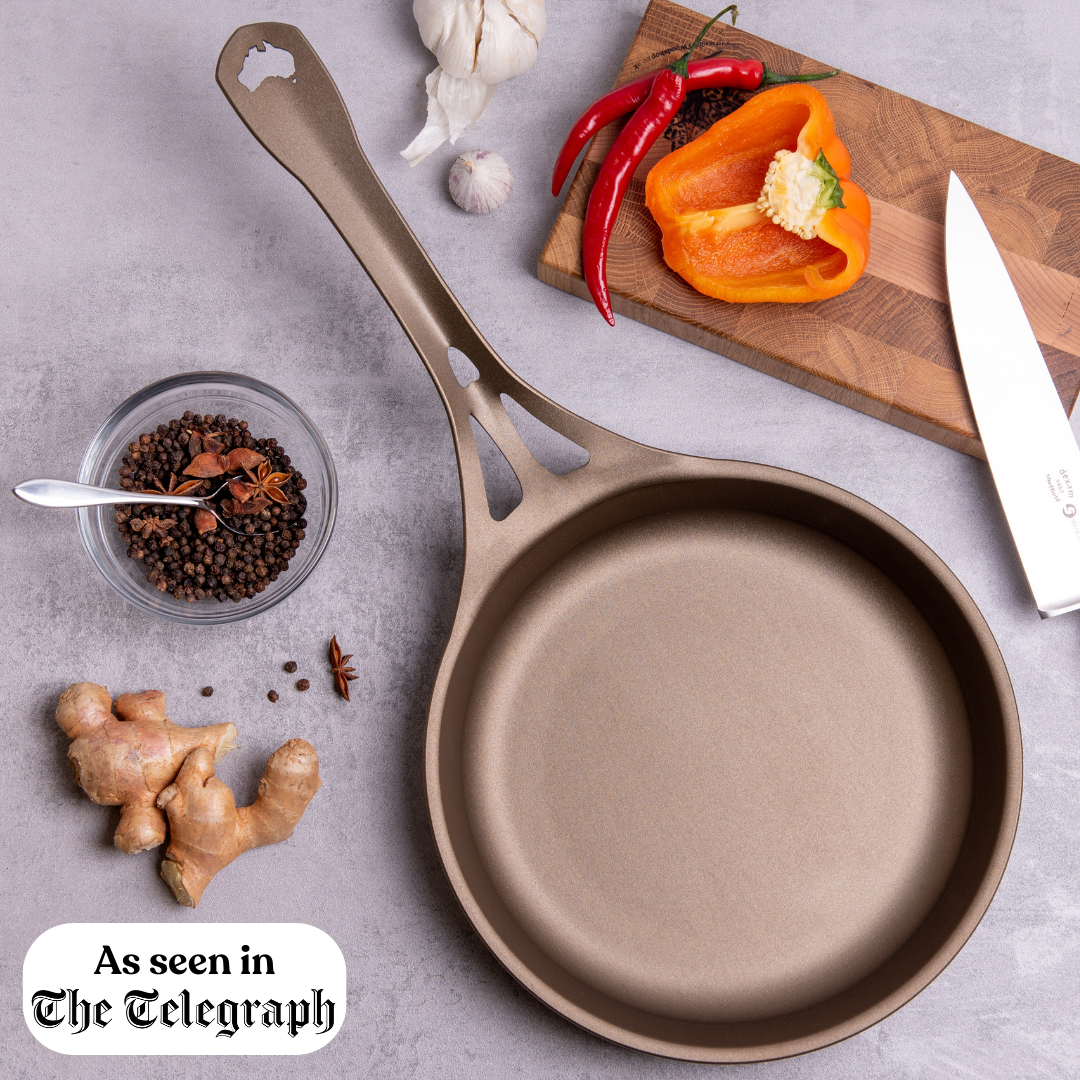
The cookware options that are truly buy-it-for-life include cast iron, stainless steel and copper. These tough materials don’t just cook brilliantly, they age gracefully too. Look for pans with riveted handles and no flimsy coatings. Cast iron can be re-seasoned forever, stainless steel shrugs off chips and warps, and copper (when lined with stainless) offers top-notch performance for life. All our cookware is vetted for serious longevity and many come with a 10-year warranty or more. Have a nose at our durable cookware collection or see how we pick them on our research page.
How can I keep my cookware in top condition for 10 years or more?
To keep your cookware in top condition for 10 years or more, treat each piece to its proper care routine. Cast iron loves seasoning and hates staying wet. Stainless steel likes a gentle scrub and steady heat. Copper needs the occasional polish to stay shiny. Non-stick coatings prefer soft utensils and a life outside the dishwasher. And never stack pans naked - use cloth or pan protectors to dodge scratches. A bit of care after cooking keeps your pans gleaming and lasting, year after year. Find full care guides in our Product Care and Repair hub.
What materials are safest for everyday cooking?
The safest materials for everyday cooking are stainless steel, cast iron, enamelled cast iron and properly lined copper. Stainless steel is non-leaching and dishwasher-friendly. Well-seasoned cast iron adds a touch of iron, but nothing harmful. Enamelled versions are easy to clean with no bare metal to worry about. Copper is excellent too when lined with stainless steel for safety and controllable heat. We steer clear of low-quality non-stick coatings that can flake or degrade - we only stock tested, trusted brands built for the long haul.
Is this cookware suitable for induction hobs?
Yes, much of our cookware is suitable for induction hobs, including top-tier buy-it-for-life options. Induction needs a magnetic base - cast iron and most stainless steel pans have you covered. Some copper cookware works too if fitted with a magnetic bottom (don’t worry, it’s all clearly marked). With the right pan, induction cooks quickly and evenly without compromising on durability. So you can futureproof your kitchen and still enjoy heirloom-quality gear.
How do I season and care for cast iron cookware?
To care for cast iron cookware, keep it seasoned and dry. After cooking, rinse with warm water (no soap if you can help it), dry completely, and rub with a light coat of oil. Then gently heat it to lock in the seasoning. This builds a natural non-stick layer and wards off rust. If it starts looking dull, give it a proper oven-seasoning: oil it up and bake for an hour. Cast iron rewards a spot of effort with decades - even generations - of faithful service. Our cast iron seasoning guide walks you through it.
Are ceramic or non-stick coatings safe and long-lasting?
High-quality ceramic and modern non-stick coatings are safe to cook on, but they’re not immortal. They can wear down if overheated, scraped with metal utensils or tossed in the dishwasher too often. That’s why care makes all the difference. We only carry non-stick pans that are lab-tested and come with robust warranties, but even the best will need replacing now and then. For lifetime cookware, stainless steel and cast iron are stronger bets. Ceramic is a good middle ground - safer than old-style non-stick and easier to clean with a gentle hand.
What’s the best way to clean stainless steel or copper cookware?
The best way to clean stainless steel or copper cookware is using warm soapy water and a soft sponge. For stainless, a paste of bicarb or splash of white vinegar helps remove rainbow marks or burnt bits. Avoid metal scourers - they’ll dull the shine. Copper loves a polish now and then to stay golden (unless you’re into that rustic patina). And always dry thoroughly to stop water spots. Some pans arrive with a protective lacquer - don’t forget to take it off before cooking. Treated kindly, these pans will stick around for donkey’s years.
