

Longer Lasting Swaps
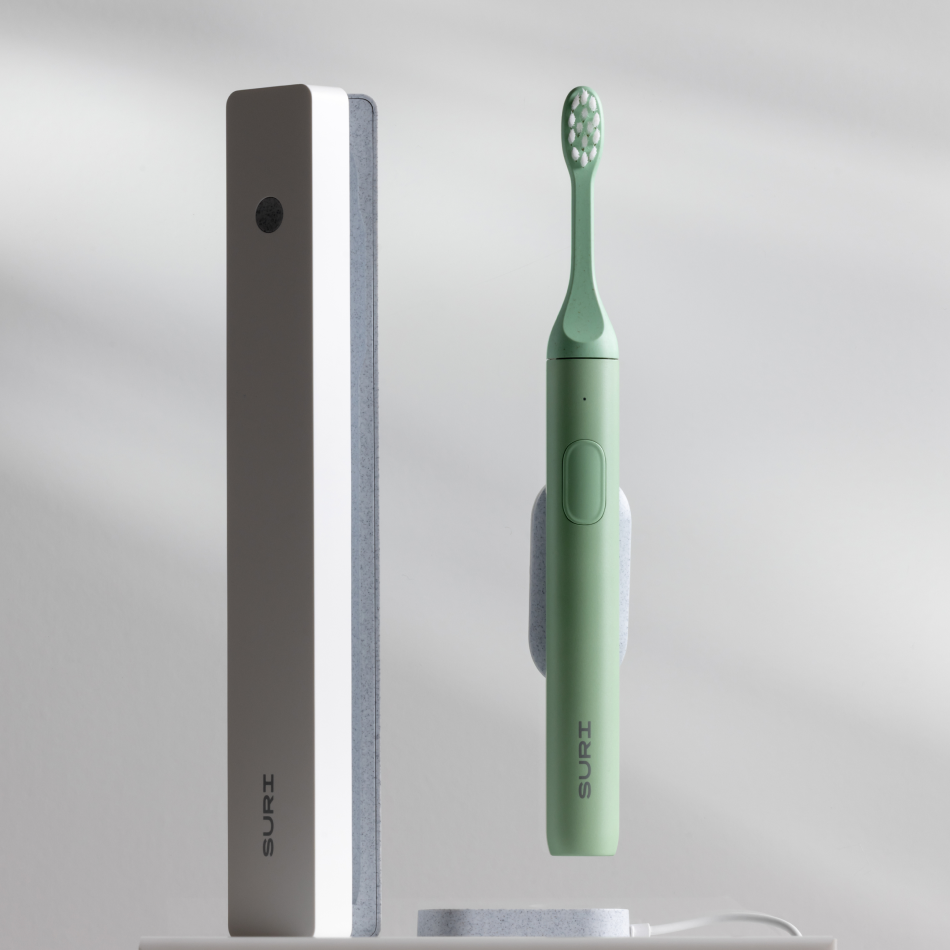
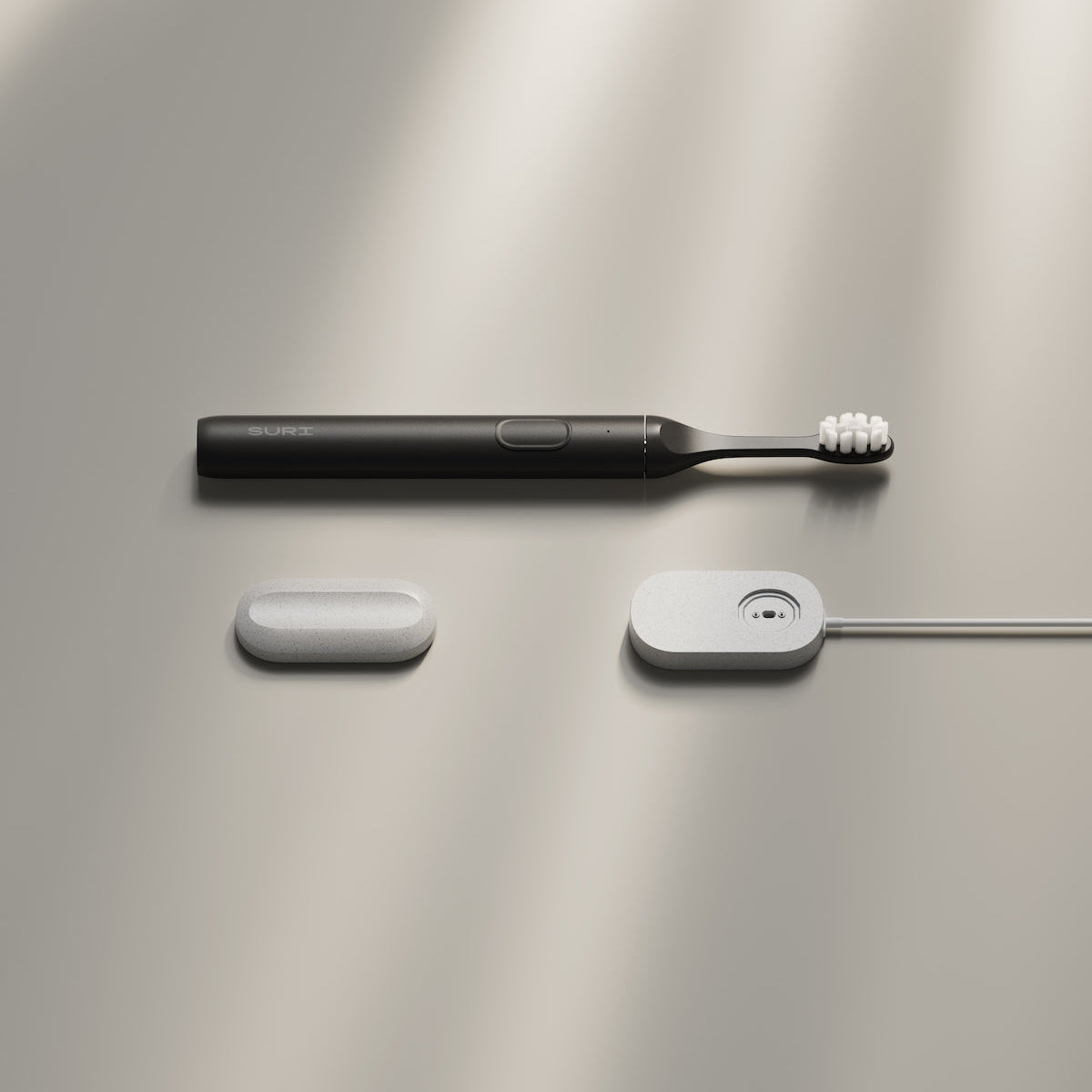
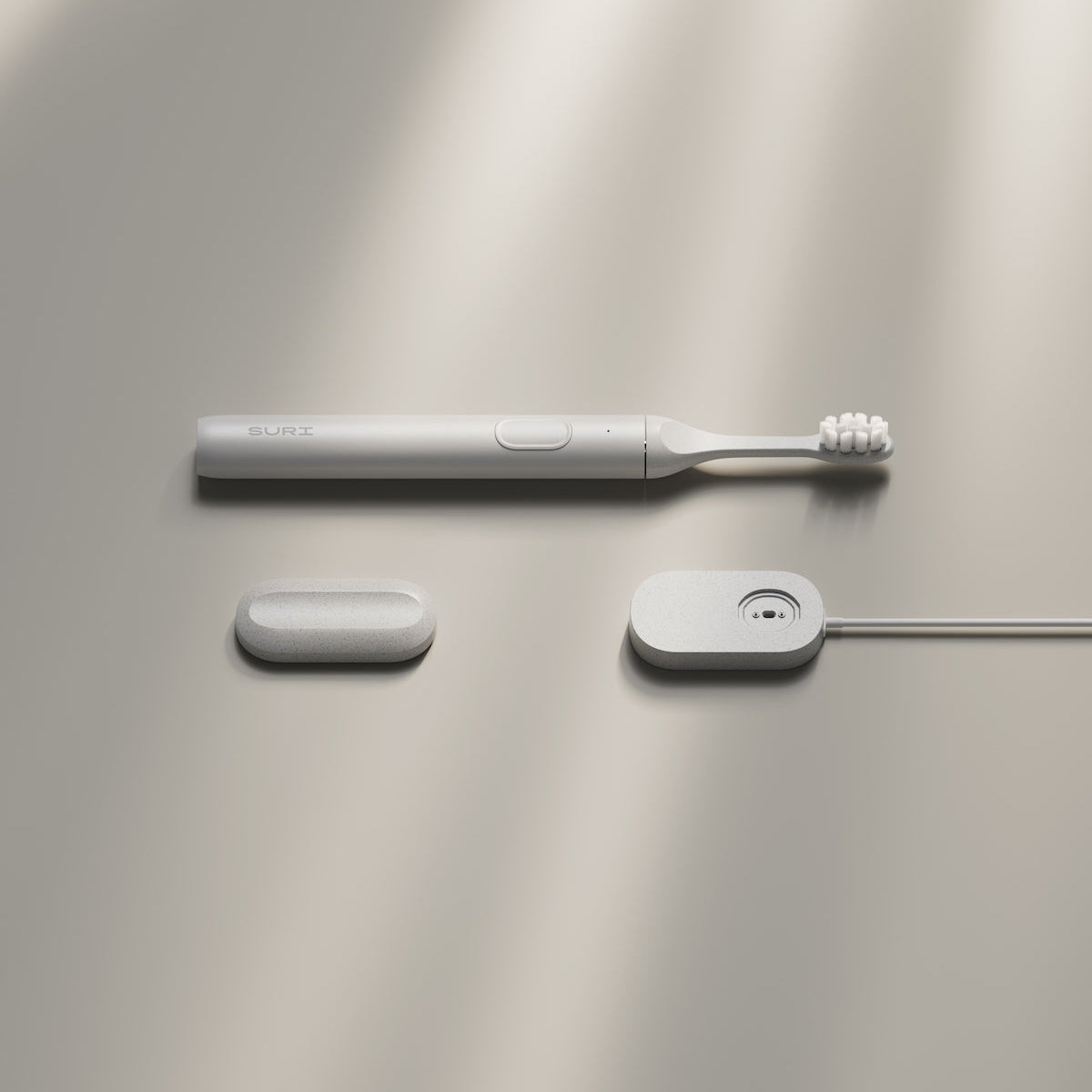
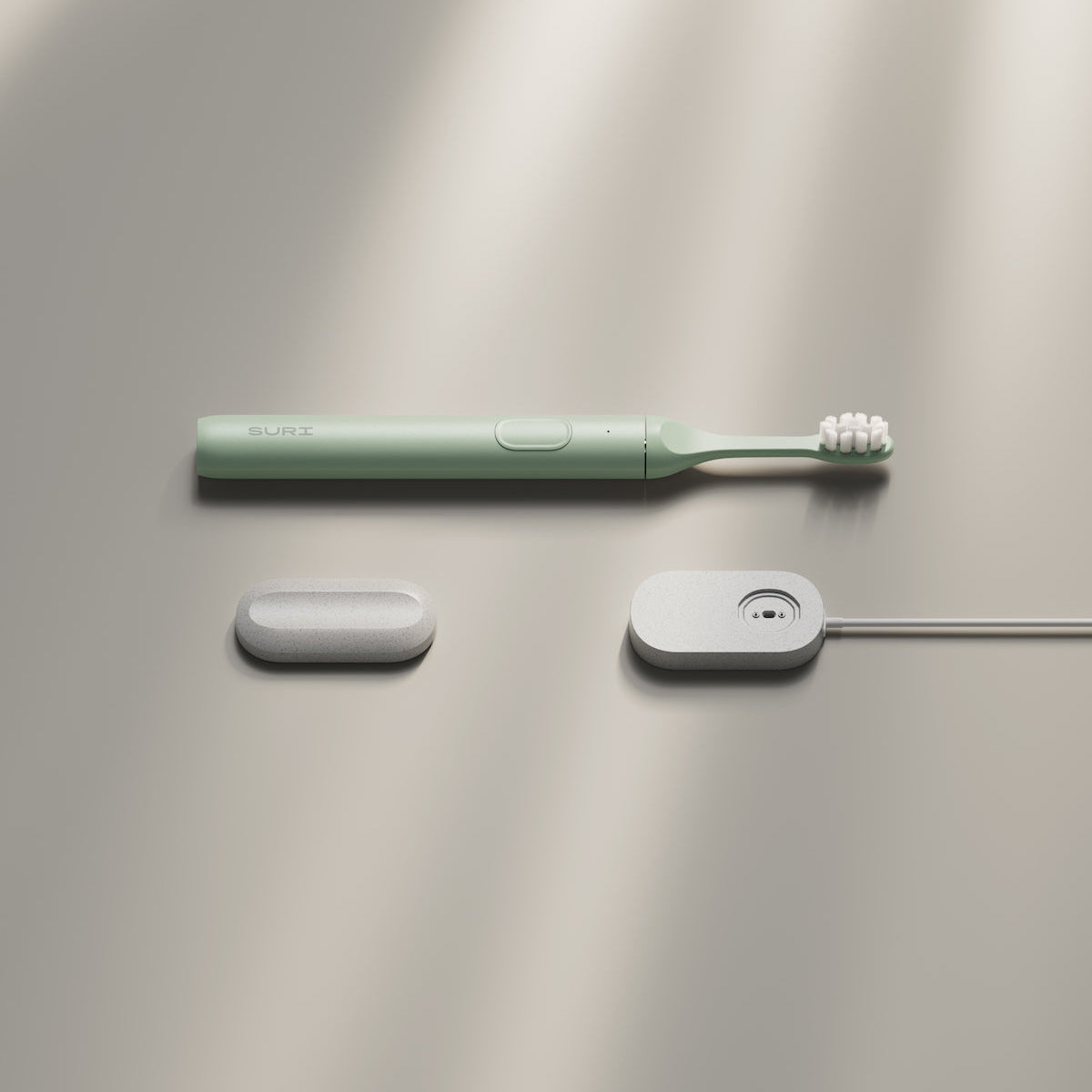
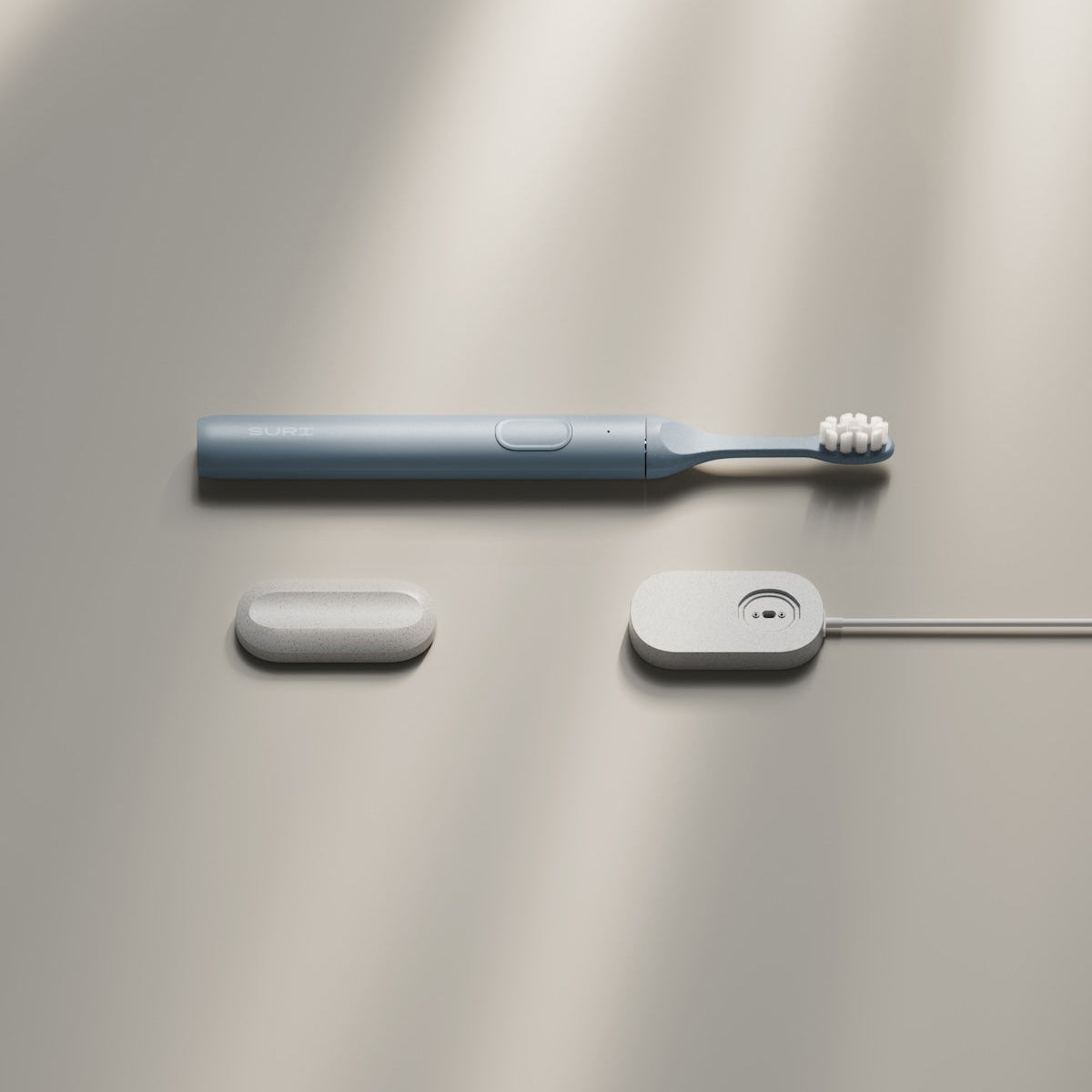
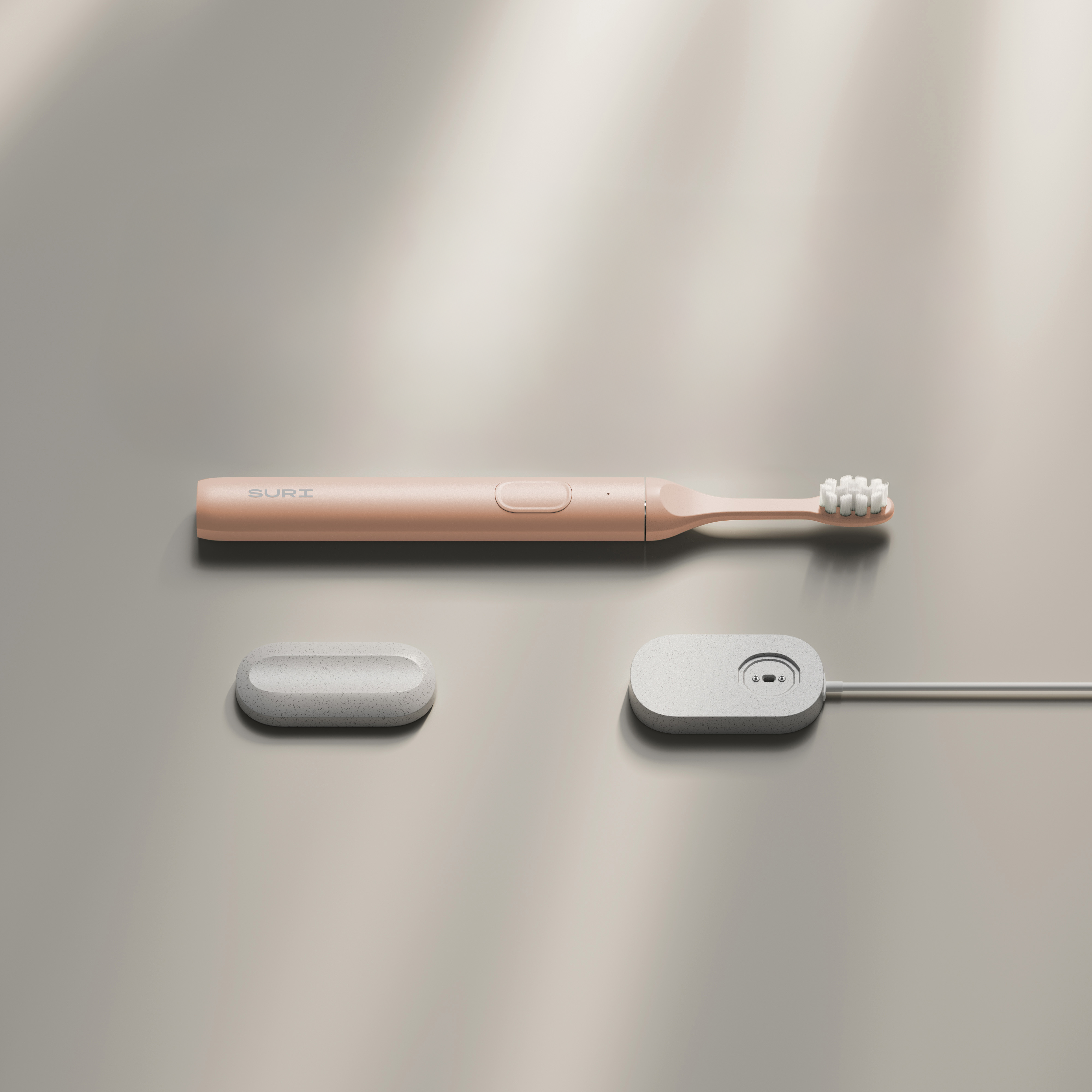
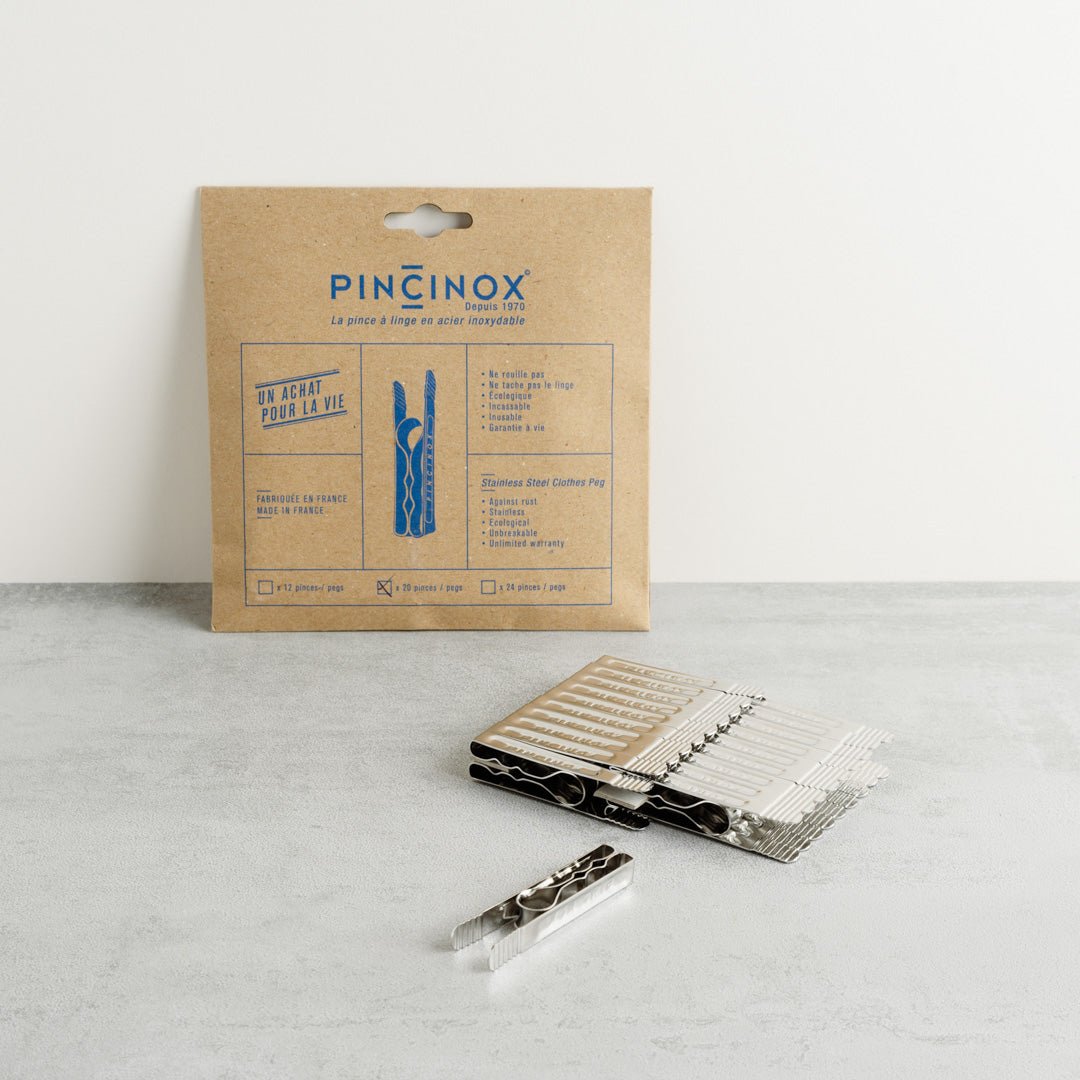
Simple, long-lasting swaps for everyday throwaways. These are practical alternatives to items that usually get binned – all tested and chosen for their durability and everyday usefulness. From solid kitchen cloths to endlessly refillable pens, each piece helps cut waste without adding fuss. Fewer replacements. Less waste. More time back.
FAQs about Longer Lasting Swaps
What are the longest-lasting alternatives to everyday cleaning products?
The longest-lasting cleaning alternatives are reusable tools made from tough, reliable materials. Think washable cloths (cotton or microfibre), solid soap bars, refillable bottles, and sturdy brushes with replaceable heads. These swaps cut waste and often work out cheaper over time. Some even come with lifetime guarantees - win-win. Refill tablets or concentrates are great for reducing plastic and transport emissions, too. Browse our long-lasting cleaning swaps for ideas that clean without compromise.
How do I care for reusable cleaning items to keep them effective?
Reusable cleaning items stay effective longer with a bit of basic care. Rinse thoroughly after use and dry completely before putting them away. Cloths and mop heads can usually go in the washing machine (30–60°C) but skip the fabric softener - it kills absorbency. Brushes should be stored bristles down so they dry properly (no one wants a mildew pong). For more tips, pop over to our Product Care & Repair hub.
Which cleaning products should never be mixed together?
Some cleaning products react dangerously when mixed, so it’s best to steer clear of any DIY concoctions. Never mix bleach with anything containing ammonia or acids like vinegar - it can release toxic chlorine gas. Hydrogen peroxide and vinegar together are also a no-go, as they form irritating peracetic acid. Even natural cleaners can clash, so stick to one at a time and rinse in between. Better safe than coughing in the cupboard.
Do eco-friendly cleaning products really work as well as conventional ones?
Eco-friendly cleaning products can work just as well for everyday tasks, especially with a bit of elbow grease. Many rely on plant-based surfactants or fruit acids to cut through grease and grime, and plenty are lab-tested for results. They might take a little longer to work, but they’re kinder on skin and the planet - with fewer nasties and better biodegradability. Think of it as cleaning with a conscience.
How can I safely dispose of old or leftover cleaning products?
To dispose of old or leftover cleaning products safely, check the label first - many shouldn't be poured down the sink. Local recycling centres often accept hazardous household waste like bleach or solvent cleaners. If the product is unopened or barely used, consider offering it to a neighbour or a community reuse group. And until it’s disposed of, store it securely away from curious kids or nosy pets.
What harmful ingredients should I avoid in household cleaners?
Ingredients to steer clear of include ammonia, bleach (sodium hypochlorite), phosphates, and synthetic fragrances - they can trigger allergies or harm marine life. Also watch for 2-butoxyethanol, a solvent linked to health issues. These aren’t just fussy chemical names - they affect your air quality and water systems. Look for brands with full ingredient lists or external certifications to make safer choices without playing chemist.
Can I make my own sustainable cleaning products at home?
Yes, and it’s surprisingly simple. Homemade cleaning mixes using vinegar, bicarbonate of soda, lemon juice, and castile soap can tackle everything from streaky mirrors to clogged drains. They’re low-waste, budget-friendly, and a lot gentler on indoor air. Just label your bottles clearly and do a quick patch test before diving in - especially on delicate surfaces like stone or wood.
How do you choose which long-lasting products to recommend?
We pick long-lasting products by testing them ourselves and digging into how they're made. We check materials, durability, repair options, refill systems, and whether the maker offers a decent guarantee. If it isn’t built to last - or backed by the brand - it doesn’t make the cut. See exactly how we vet our favourites on the Buy Me Once research process.
