

Power Banks
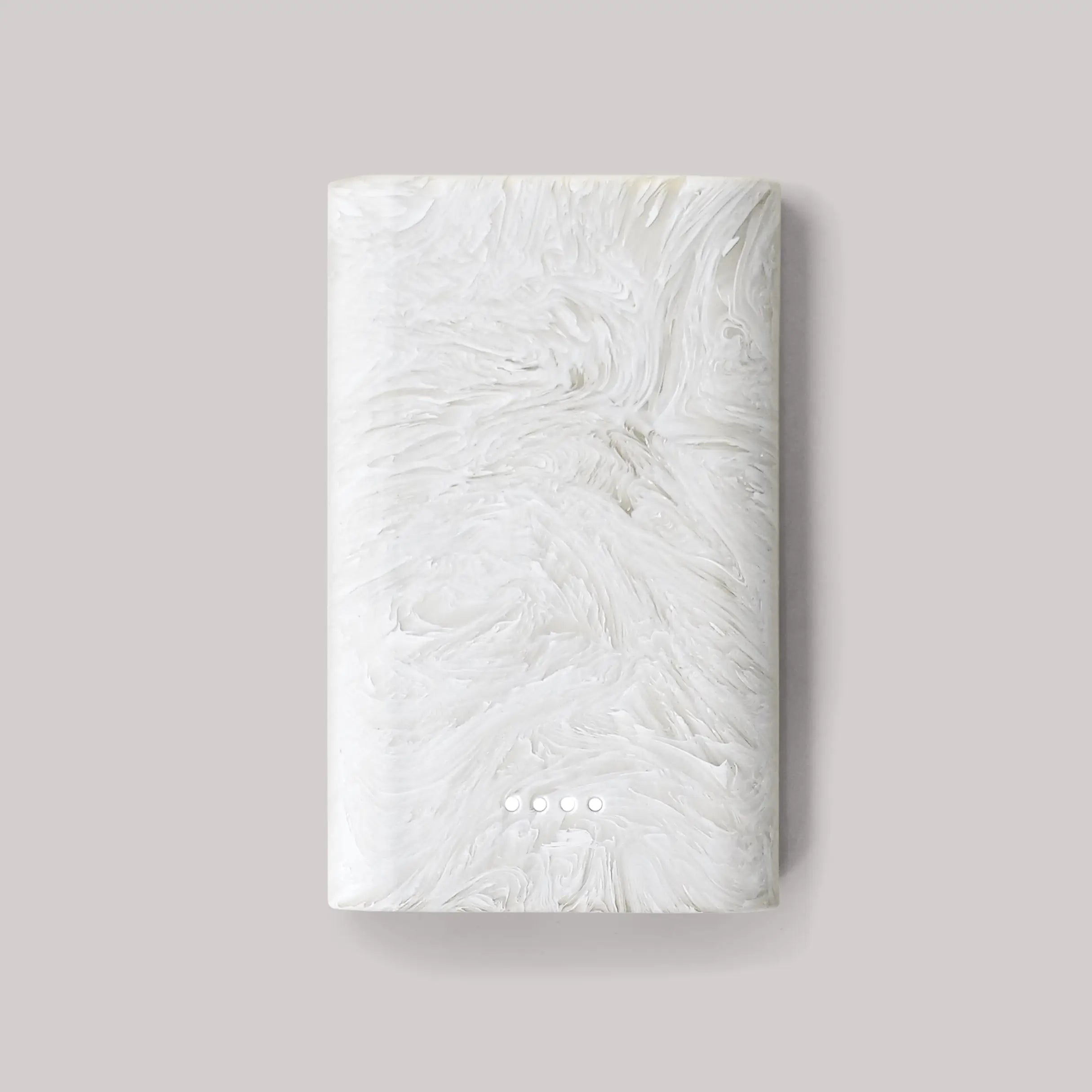
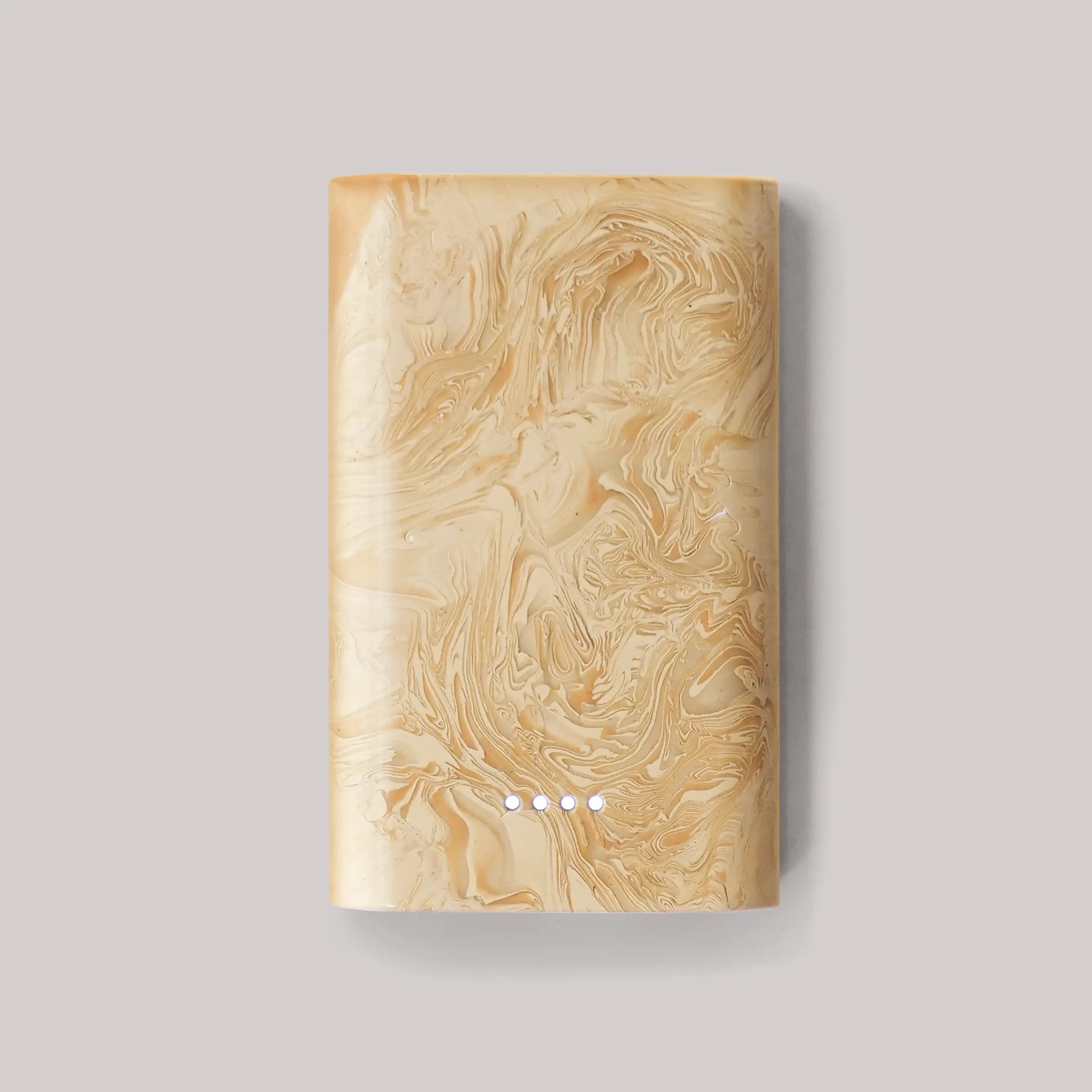
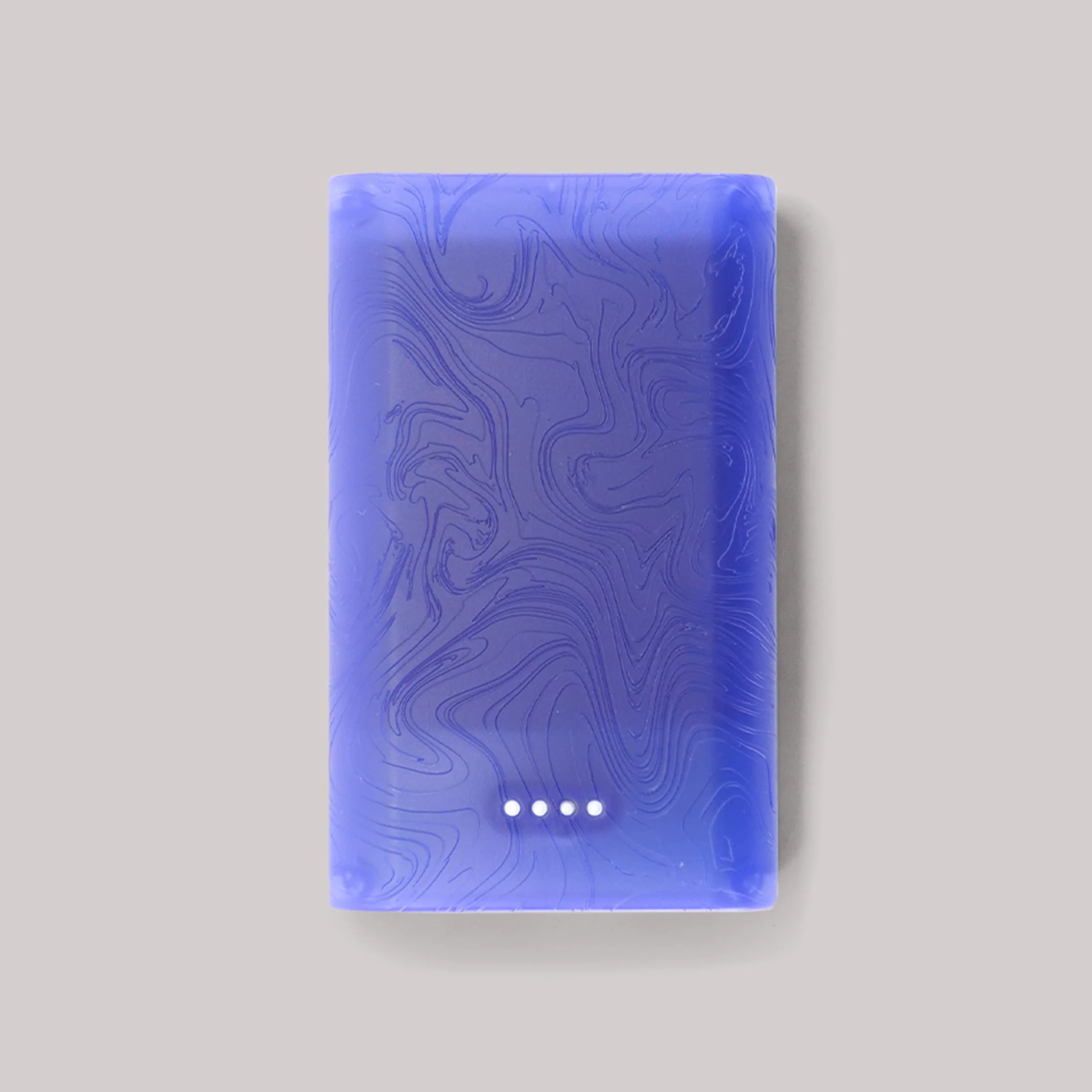
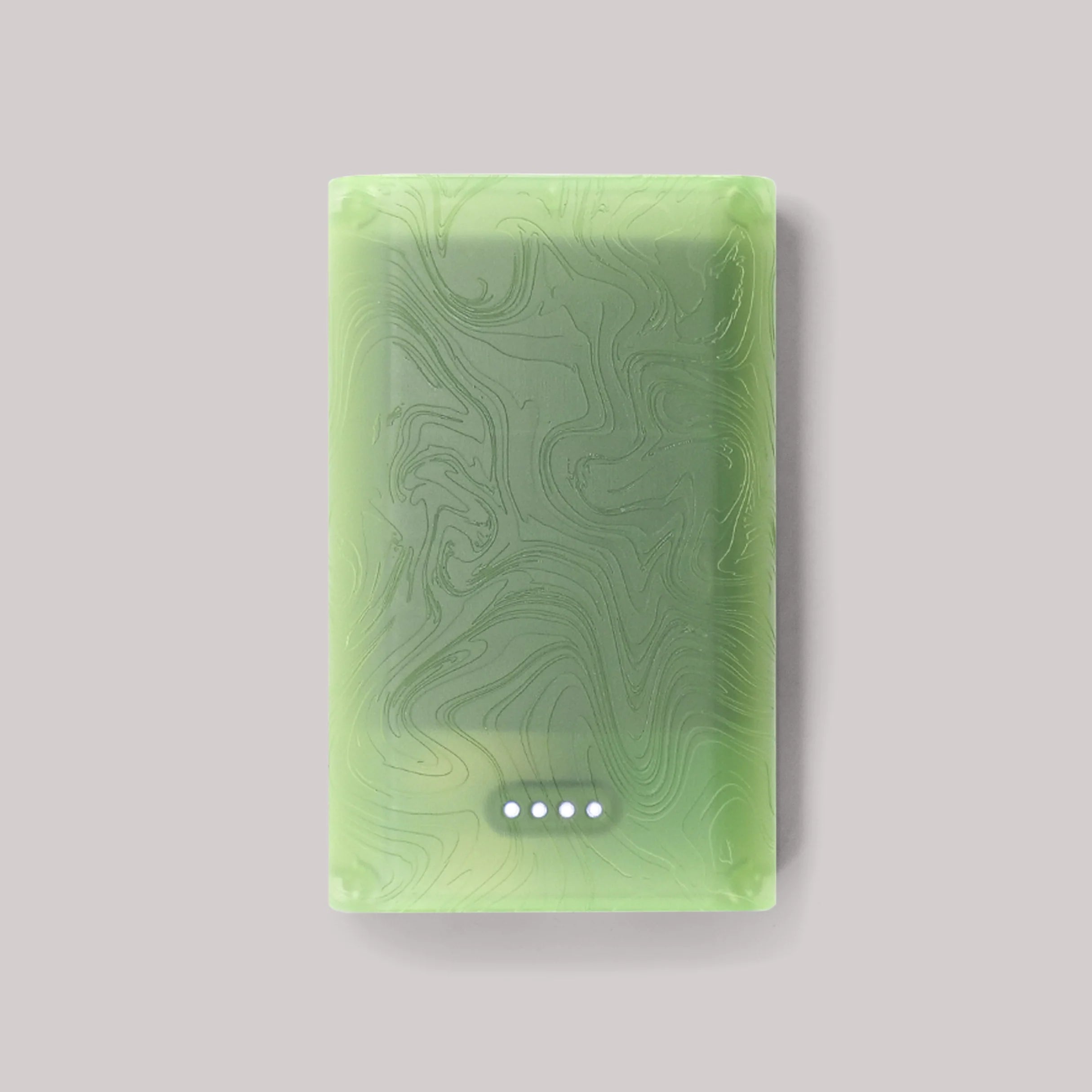
Dependable portable power, built responsibly. These 10,000mAh power banks are handmade in Brighton using 100% waste plastic and repurposed e-bike batteries, with up to 50% fewer CO₂ emissions than typical options. USB-A and USB-C fast charging, solid performance, and a lifetime repair promise make them a clever choice for travel, commuting or just staying topped up day to day.



FAQs about Power Banks
Can you take a power bank on a plane?
Yes, you can take a power bank on a plane in your carry-on - not in checked luggage. Most airlines allow power banks under 100Wh without fuss. For 100–160Wh models, you may need airline approval. Anything over 160Wh is generally a no-go. Always check the power rating on the label and confirm with your airline before heading to the airport. And remember, a power bank in your hold luggage could be confiscated faster than you can say “in-flight entertainment.”
How do you charge a power bank properly?
To charge a power bank properly, use the cable it came with (or a quality replacement) and a wall charger with suitable output. Avoid fast chargers unless your model supports it. Give it a full charge before unplugging, but don’t leave it plugged in all night. Charging via computer USB is slower and less efficient. And if you can help it, avoid running the bank totally flat every time - it’s a battery, not a heroic martyr.
What’s the best way to use a power bank for travel?
The best way to use a power bank for travel is to keep it fully charged, store it in your carry-on, and bring a sturdy short cable. A 10,000mAh model should see most phones through a day or two. Cold weather can zap performance, so tuck it somewhere warm if you're in a chilly spot. Give it a quick test before take-off, and for well-made kit that travels well, explore our travel accessories collection.
How long does a power bank typically hold its charge?
A power bank typically holds its charge for 3 to 6 months depending on quality and how it’s stored. Lithium-ion batteries slowly discharge even when not in use, so it’s savvy to top them up every couple of months. Planning to tuck it away in a drawer for a bit? Store it half-charged in a cool, dry place for best results. Premium models tend to retain power longer, so it pays to invest.
Which power banks are truly buy-it-for-life?
The power banks that are truly buy-it-for-life are built with high-grade lithium-polymer cells, rugged outer shells, and designs that favour repairability. Look for long warranties (5 years is ideal), replaceable batteries, or brands offering repair support. Safe extras like overcharge, short circuit, and temperature protection also help them last. Our long-lasting tech collection includes top picks that can take a beating and bounce back.
How can I repair or maintain my power bank over time?
To maintain your power bank, keep it dry, charge it every few months, and don’t subject it to extreme heat or cold. Cleaning the ports gently (a toothpick works well) can help with connectivity. Repairs are tough unless the model allows for battery or port swaps - but some do. If yours is under warranty, contact the manufacturer first. For tips and advice, visit our product care and repair hub.
How does a power bank actually work?
A power bank works by storing energy in an internal rechargeable battery, then sending power to your device via USB. A control board inside regulates voltage, safety, and charging speed. You plug it in to charge it up, then again to charge your gadgets later. Some of the longer-lasting models include smart tech that adapts energy output to suit your devices - clever stuff that keeps them safer in the long run.
