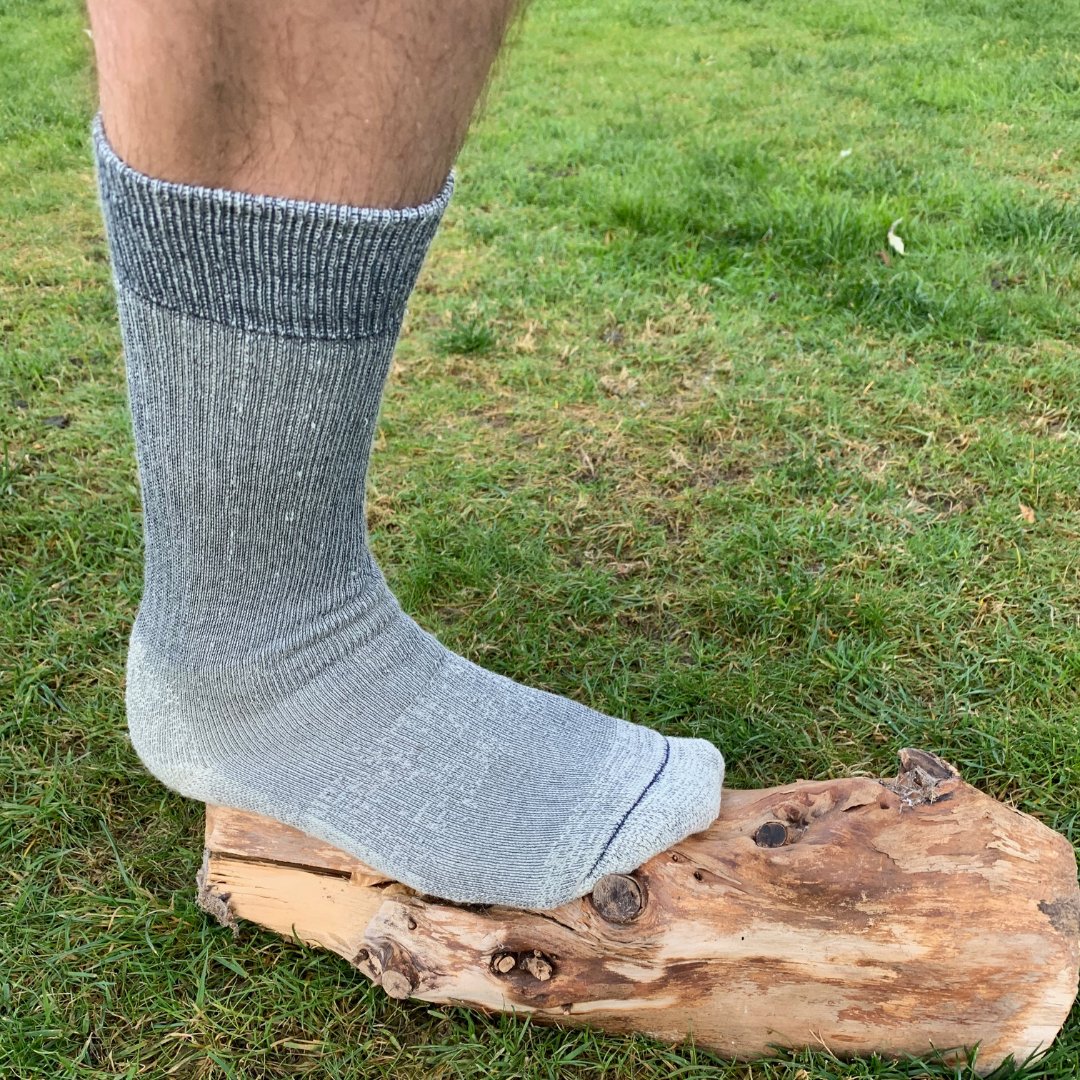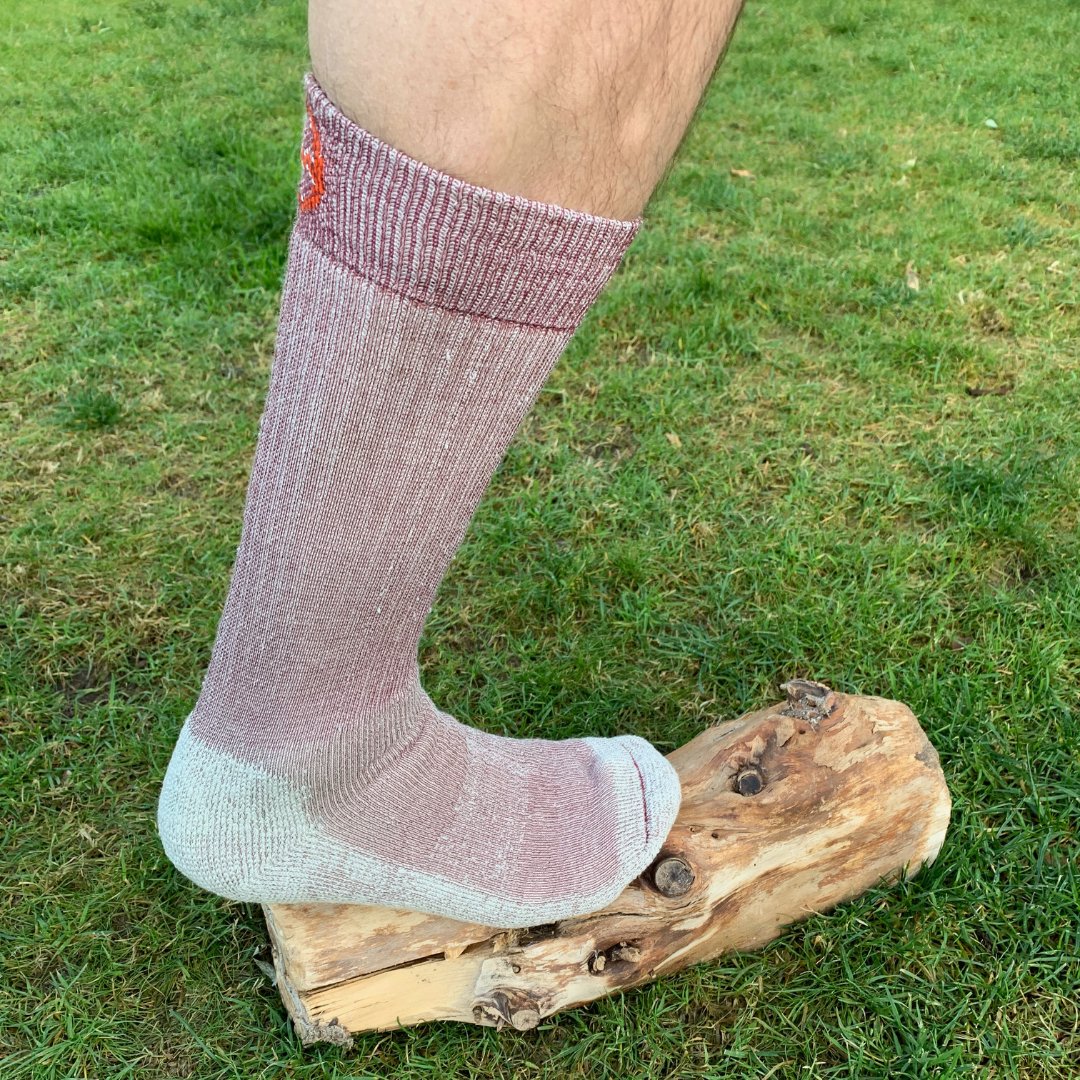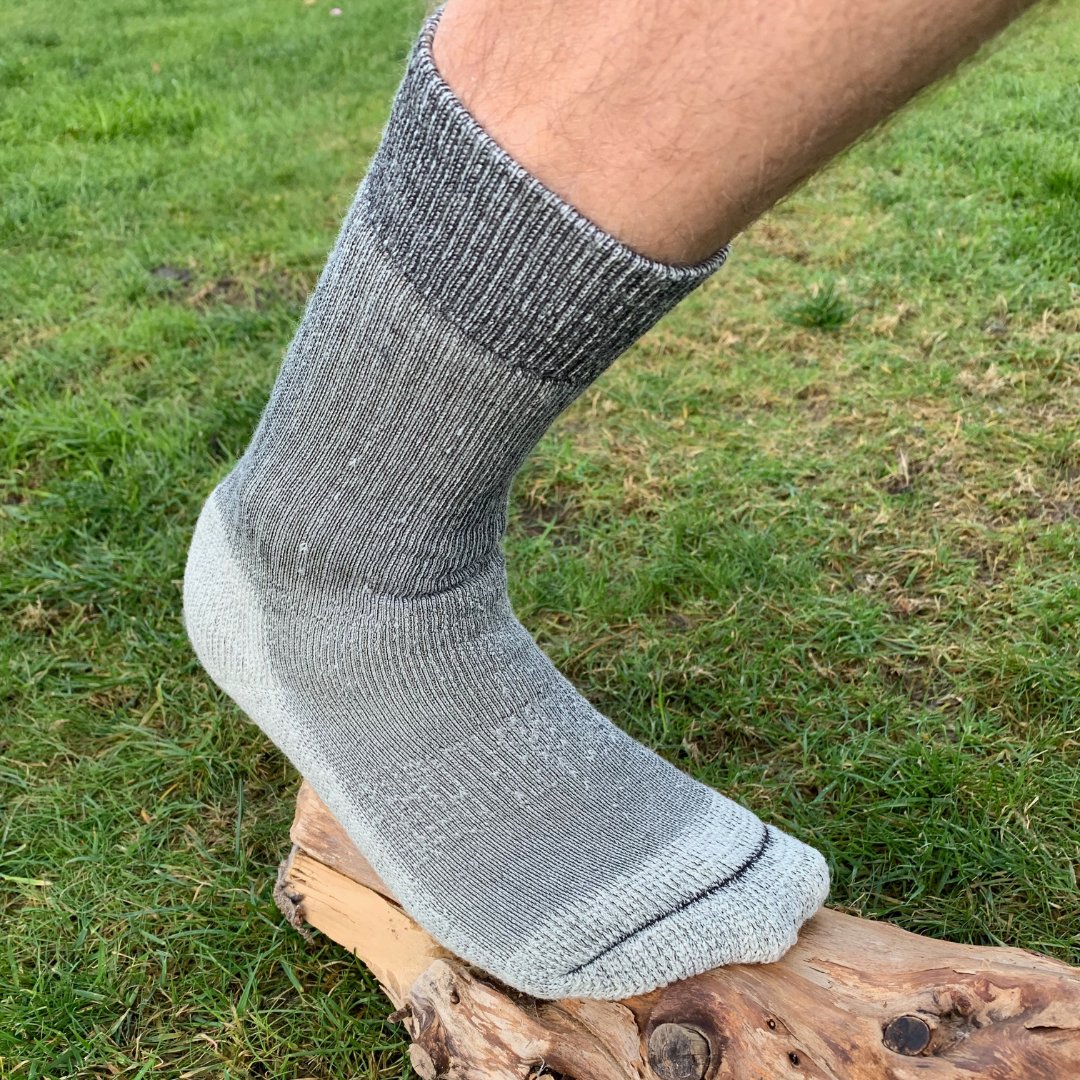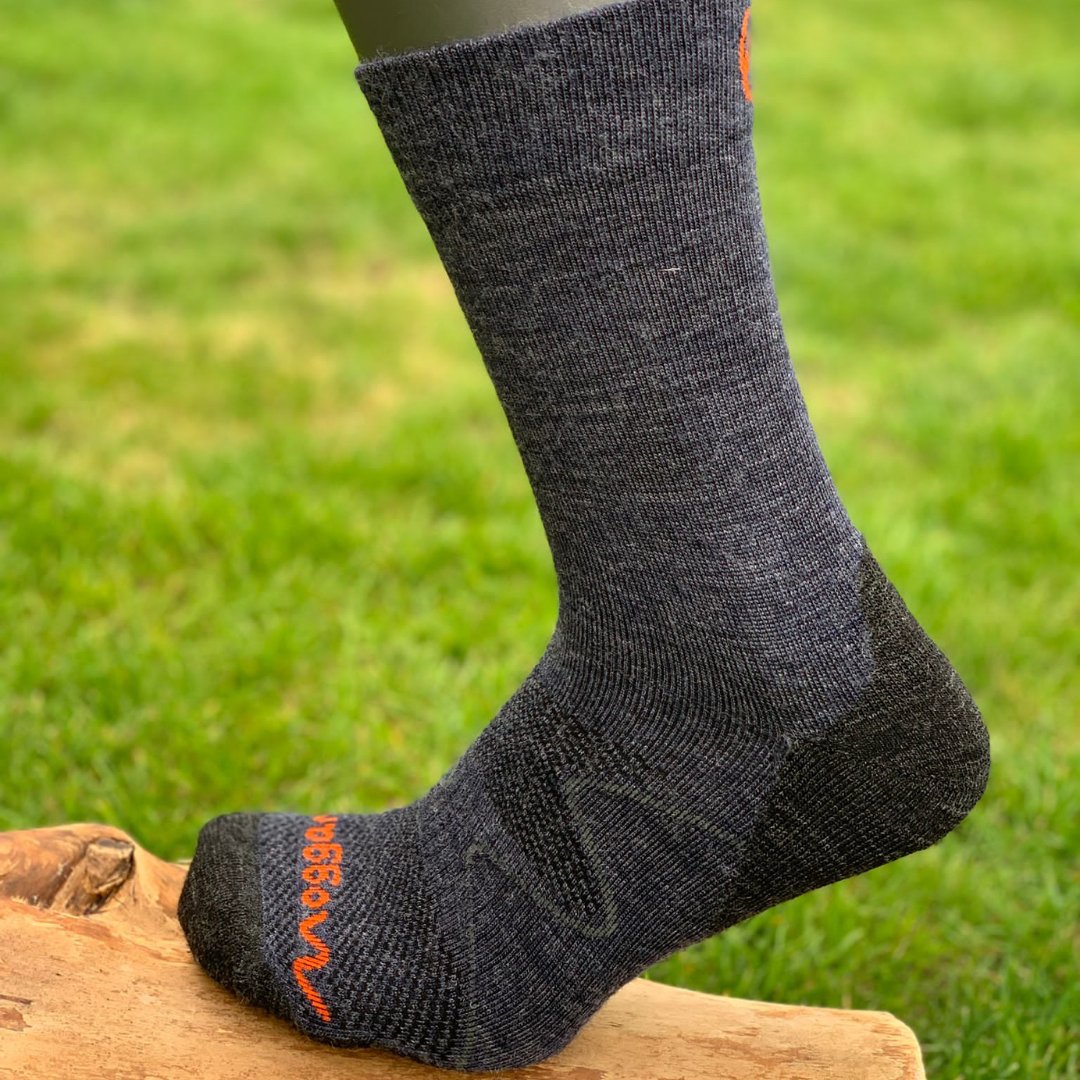

There is a particular indignity to the moment your toe breaks through a sock. You are usually already late. You are usually already wearing the shoe.
Socks are the most disposable thing most of us own that is not actually meant to be disposable. We buy them in multipacks, we lose them in pairs, and when they go through at the heel we bin them without a second thought. The average sock drawer is a slow-motion landfill.
It does not have to be like this. Some socks are genuinely built to outlive the shoes you wear them in, and at least one brand will simply replace them, free, for as long as you live, if they ever wear through.
In a hurry? The short answer is Darn Tough. The longer answer, and the reasons, are below.
We stock every sock named in this guide. If you buy through us you are funding the research.
Summary of Key Findings
- The core problem: socks do not fail all over. They fail in three specific places, the heel, the toe and the cuff, and almost every design decision that matters is about those three places.
- The most reliable brand: Darn Tough, on the strength of an unconditional lifetime guarantee that is actually honoured without a receipt.
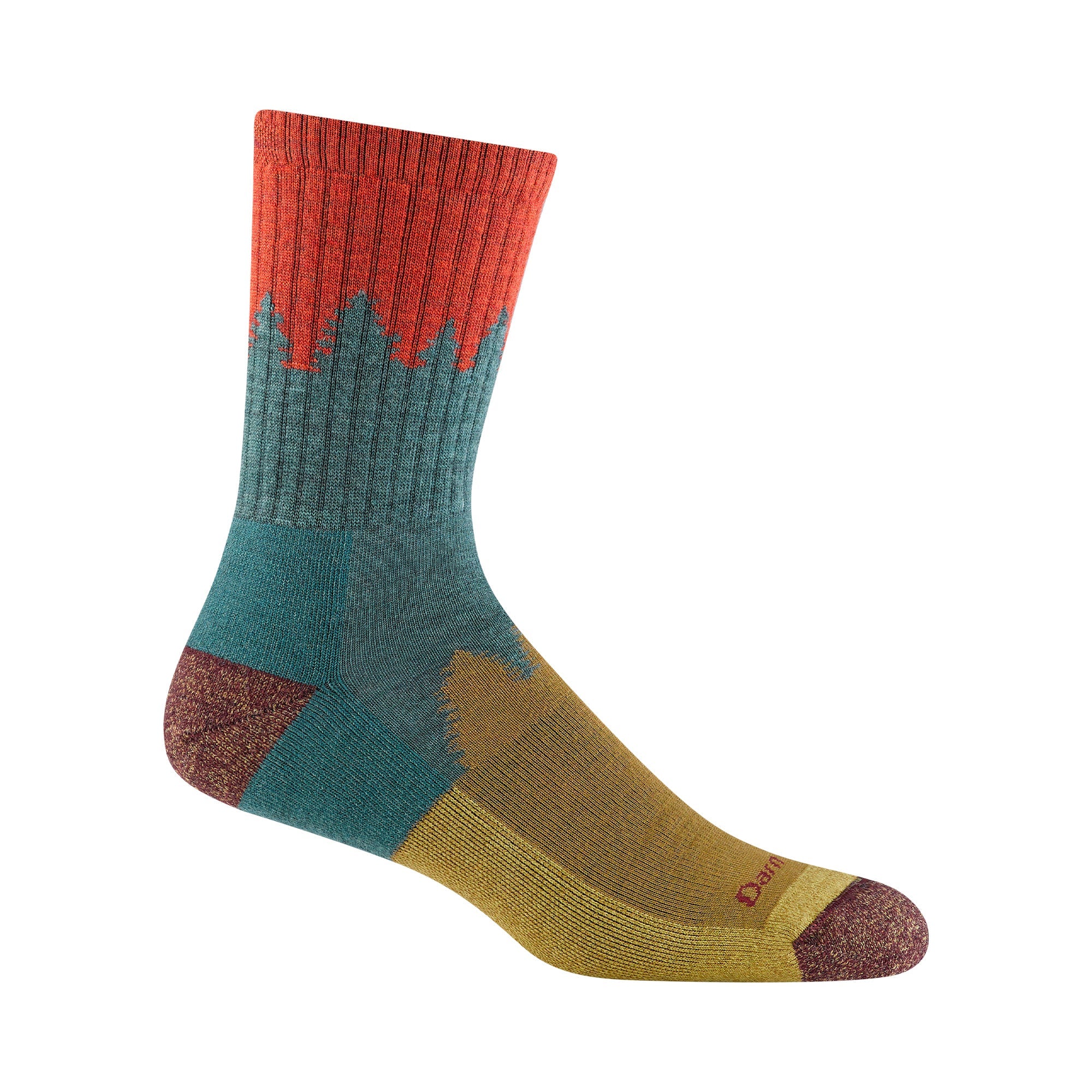
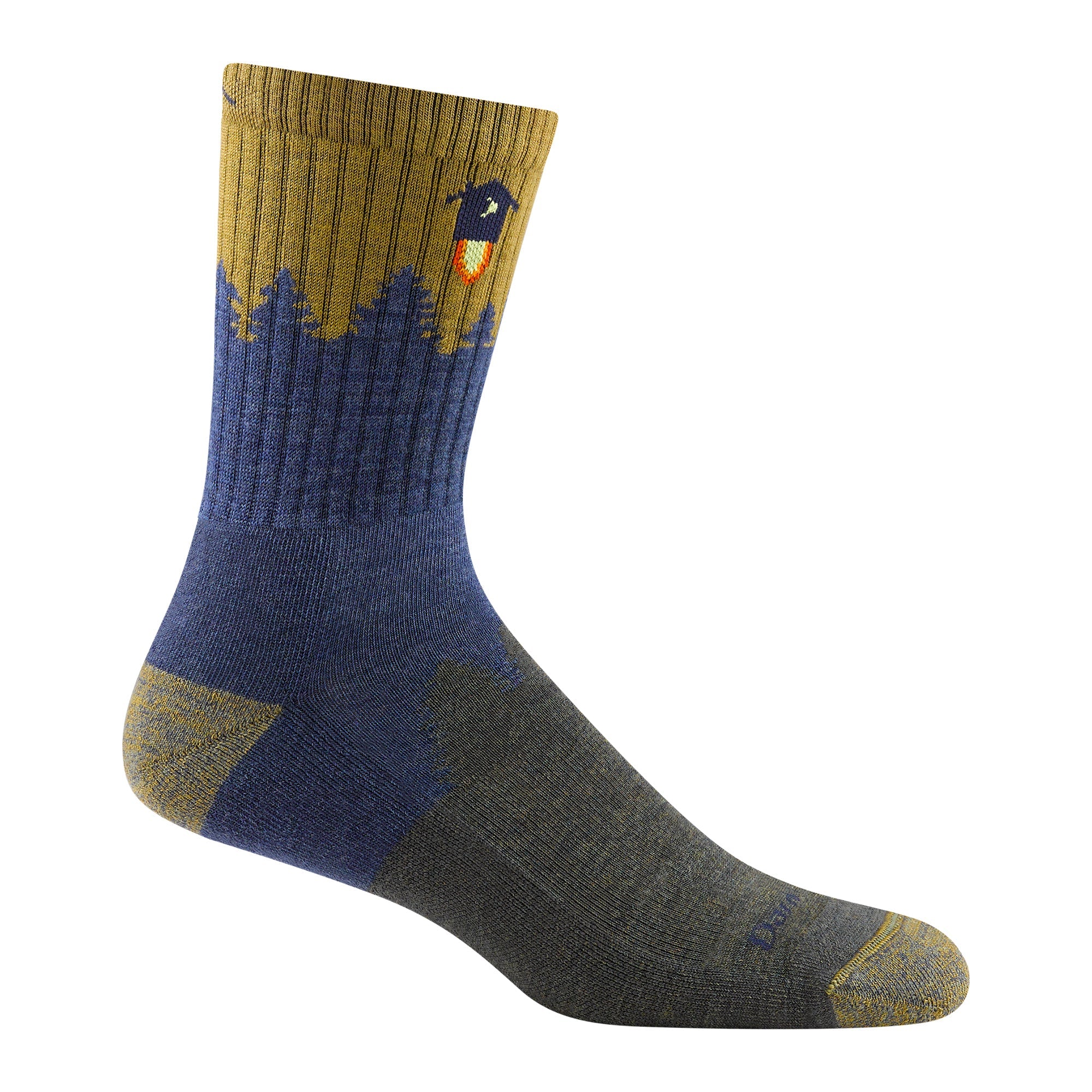
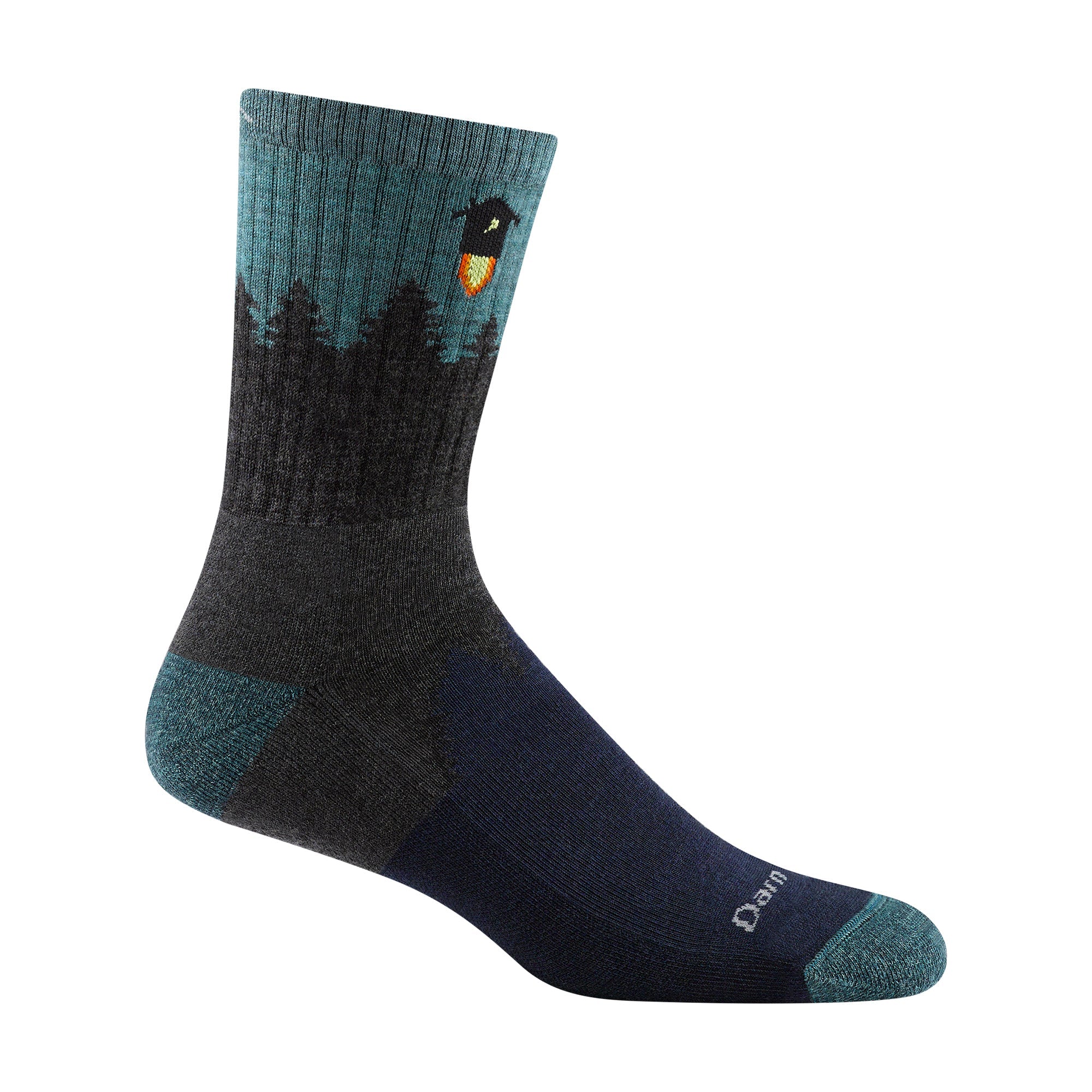
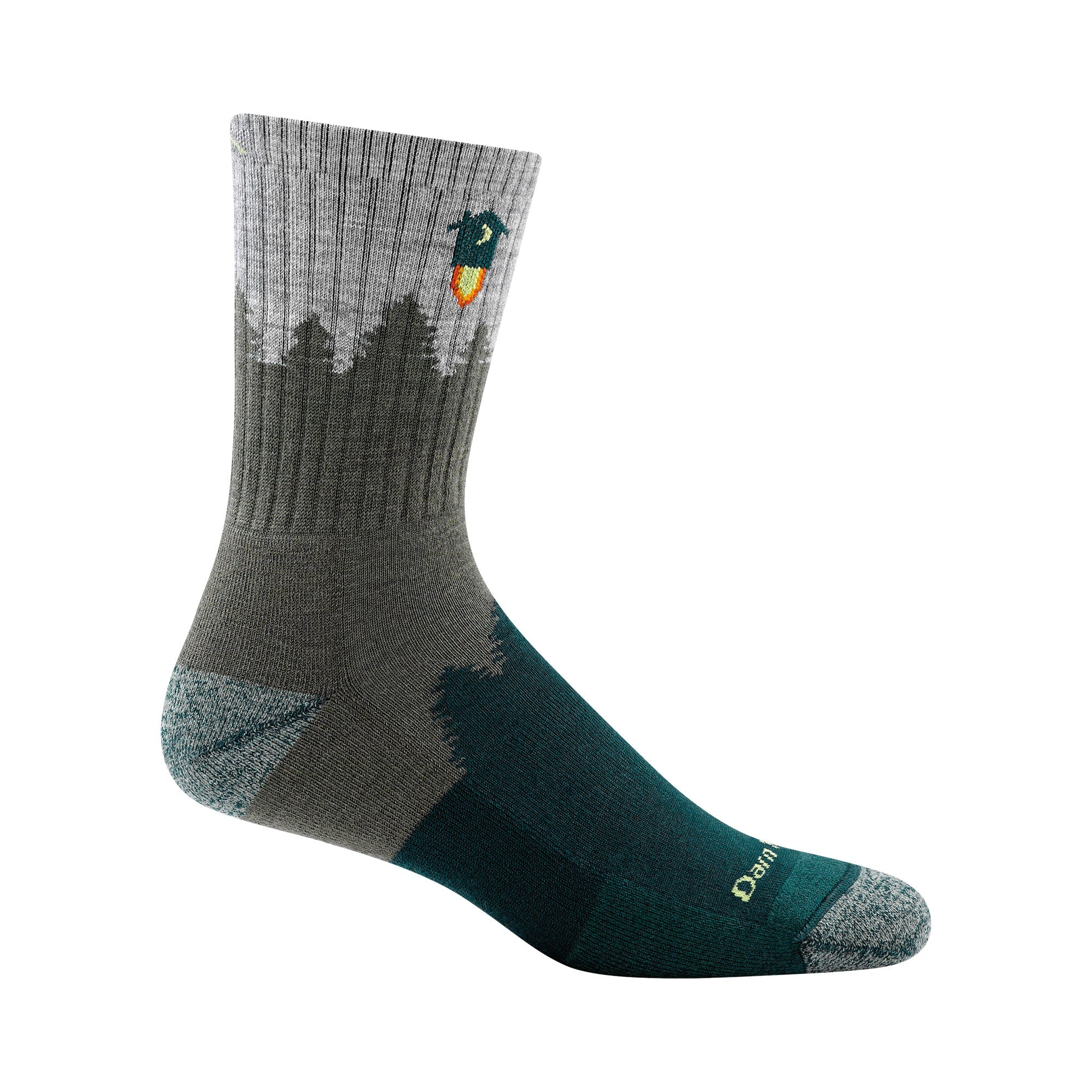
- Our top recommendation: the Darn Tough Merino Wool Crew Midweight Seamless socks, from £32.99. Yes, that is a lot for socks. It is also the last time you buy them.
🏆 Top Pick: Darn Tough Merino Wool Crew Midweight Seamless
From £32.99. Men's and women's ranges both.
Merino wool, nylon and a touch of spandex, knitted at a fine gauge with reinforcement built into the zones that wear out, and a genuinely seamless toe so there is nothing rubbing a hole from the inside. Made in Vermont by the same family since 1978.
The reason it wins is not the knitting, though. It is the guarantee. Darn Tough's lifetime guarantee is unconditional: if a pair wears through, they replace it. No receipt, no wear-and-tear caveat, no arguing about whether you used them as intended. A sock company confident enough to underwrite its own product for your entire life has told you everything you need to know about how it expects the sock to perform.
See the men's midweight crew or browse the whole range.
Why Trust Our Findings?
I'm Tara Button, author of A Life Less Throwaway and founder of Buy Me Once. I have spent the last decade researching which products last and which ones are quietly designed not to. I have personally vetted over 2,000 of them.
I am not neutral about waste. I am, however, extremely neutral about brands. We drop brands that stop deserving their place, and I have no interest in telling you a £30 sock is magic if a £16 one would do.
How socks actually die
For those of you who love a table, here is the full breakdown.
| Failure point | What is actually happening | How common (1-10) | Fixable? | Smart fix | Best brands |
|---|---|---|---|---|---|
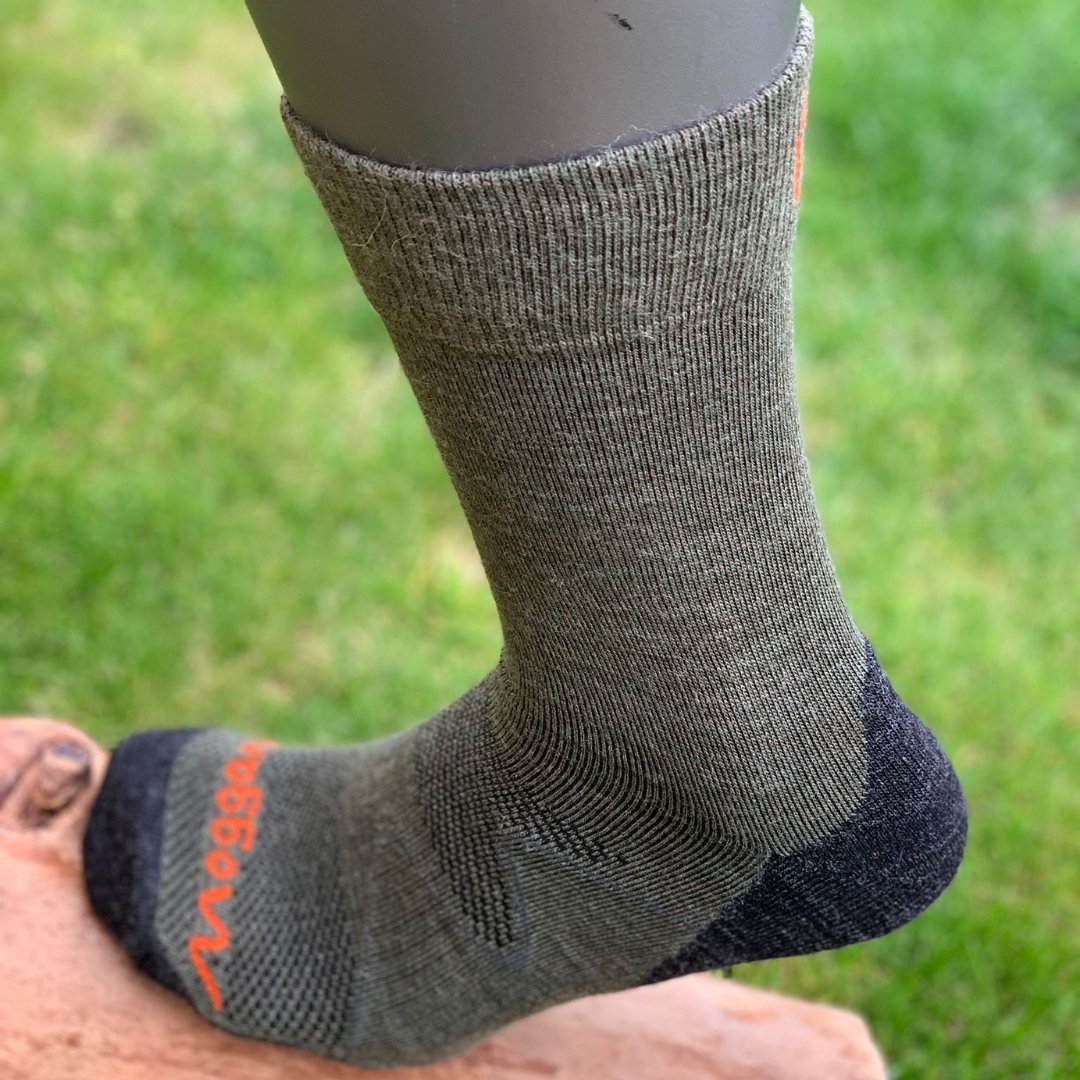
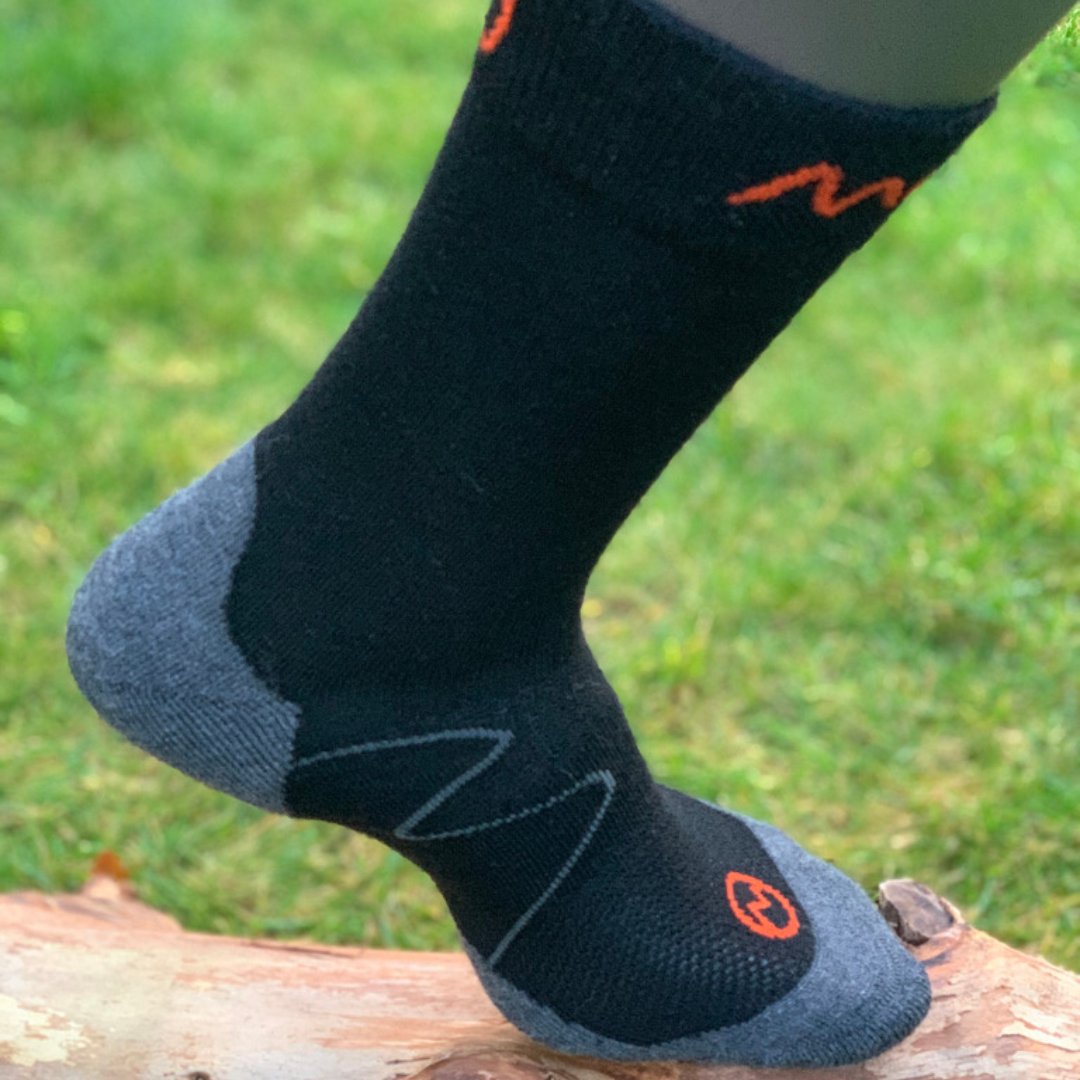
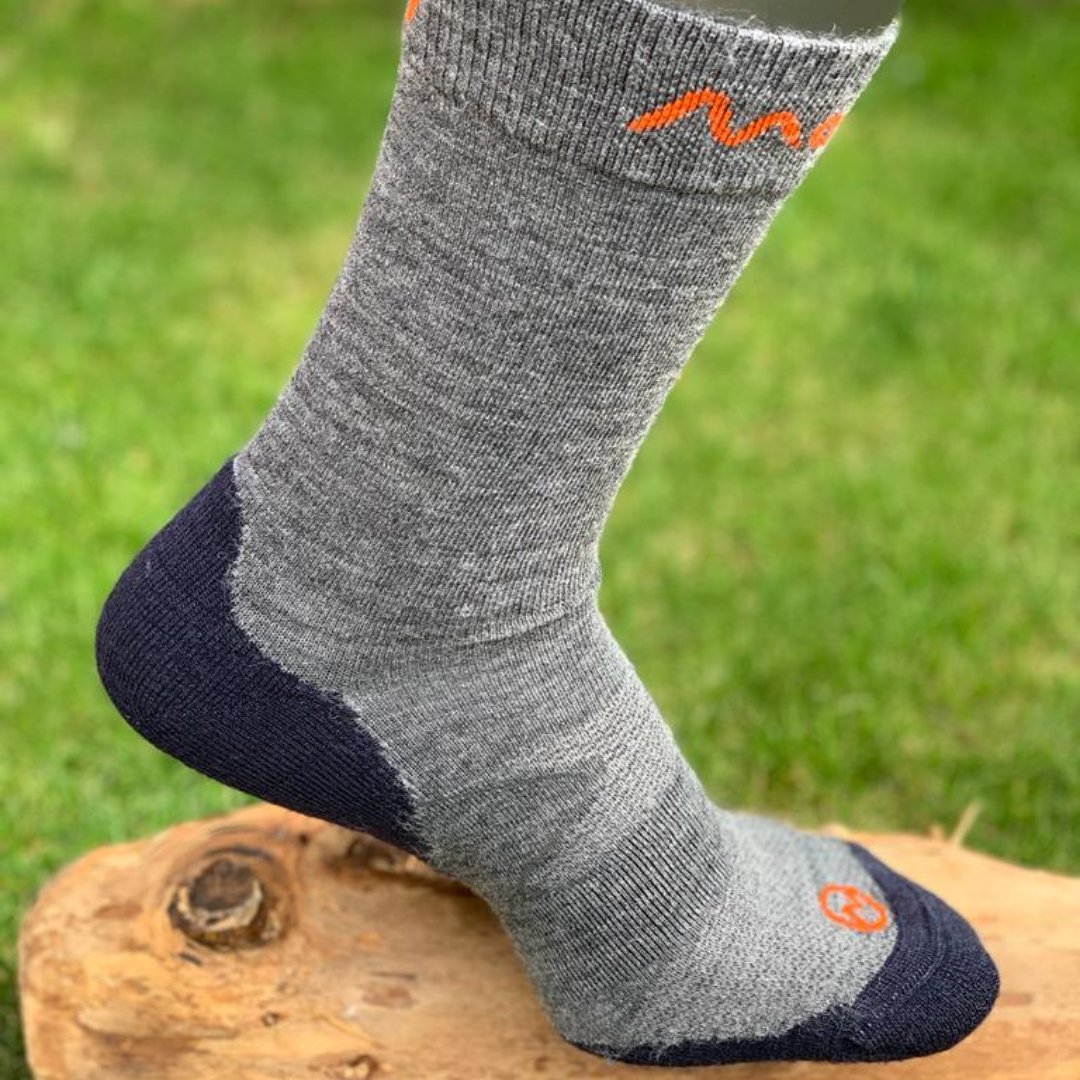
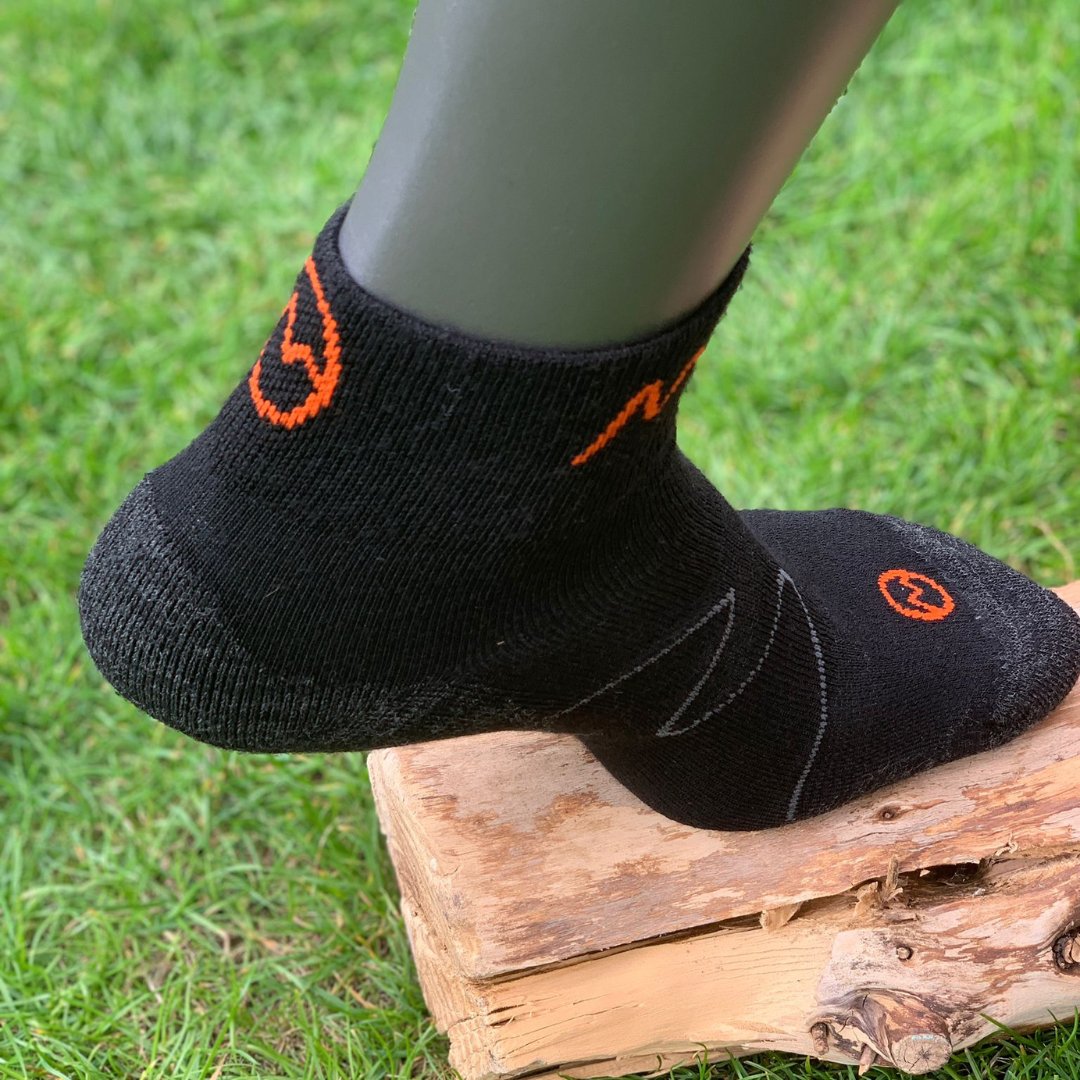
| Heel and toe wear-through | Abrasion. The heel and ball of the foot take the friction of every step, and thin yarn gives out first | 10 | Partial, darnable if you can be bothered | Buy socks with reinforced high-wear zones, not uniform knit | Darn Tough, Moggans |
| Slack cuff | The elastane degrades, mostly from heat. The sock stops staying up, which is a failure even though there is no hole | 8 | No | Wash at 30°C, never tumble dry | Moggans, Darn Tough |
| Toe-seam rub | A bulky seam across the toes rubs from the inside and starts the hole it will eventually become | 6 | No | Buy a true seamless toe | Darn Tough |
| Felting and shrinkage | Wool fibres lock together under heat and agitation. The sock comes out two sizes smaller and stays that way | 5 | No, this one is permanent | Cool wash, inside out, gentle cycle | Any decent merino, if you treat it properly |
| Moth damage | Moth larvae eat protein fibres. Wool socks stored dirty over summer are a buffet | 4 | Partial, small holes are darnable | Store clean, not worn once | Not a brand problem, a storage problem |
How common (1-10): how often this is the thing that finally ends the sock. Partial under Fixable means it is repairable if you are handy with a darning needle or willing to learn.
The Five Ways A Sock Dies
1. Heel and Toe Wear-Through, The Number One Killer
Every step you take drags the heel and the ball of your foot against the inside of a shoe. A sock knitted at the same thickness all over will always go there first, because that is where the work happens.
🧨 How common: the most common failure by a distance.
🛠 Fixable? Partially. A darned sock is a perfectly good sock, and darning is easier than the internet makes it look.
💡 Smart fix: buy socks with genuinely reinforced high-wear zones, which means extra yarn knitted into the heel and toe rather than a marketing sticker saying reinforced.
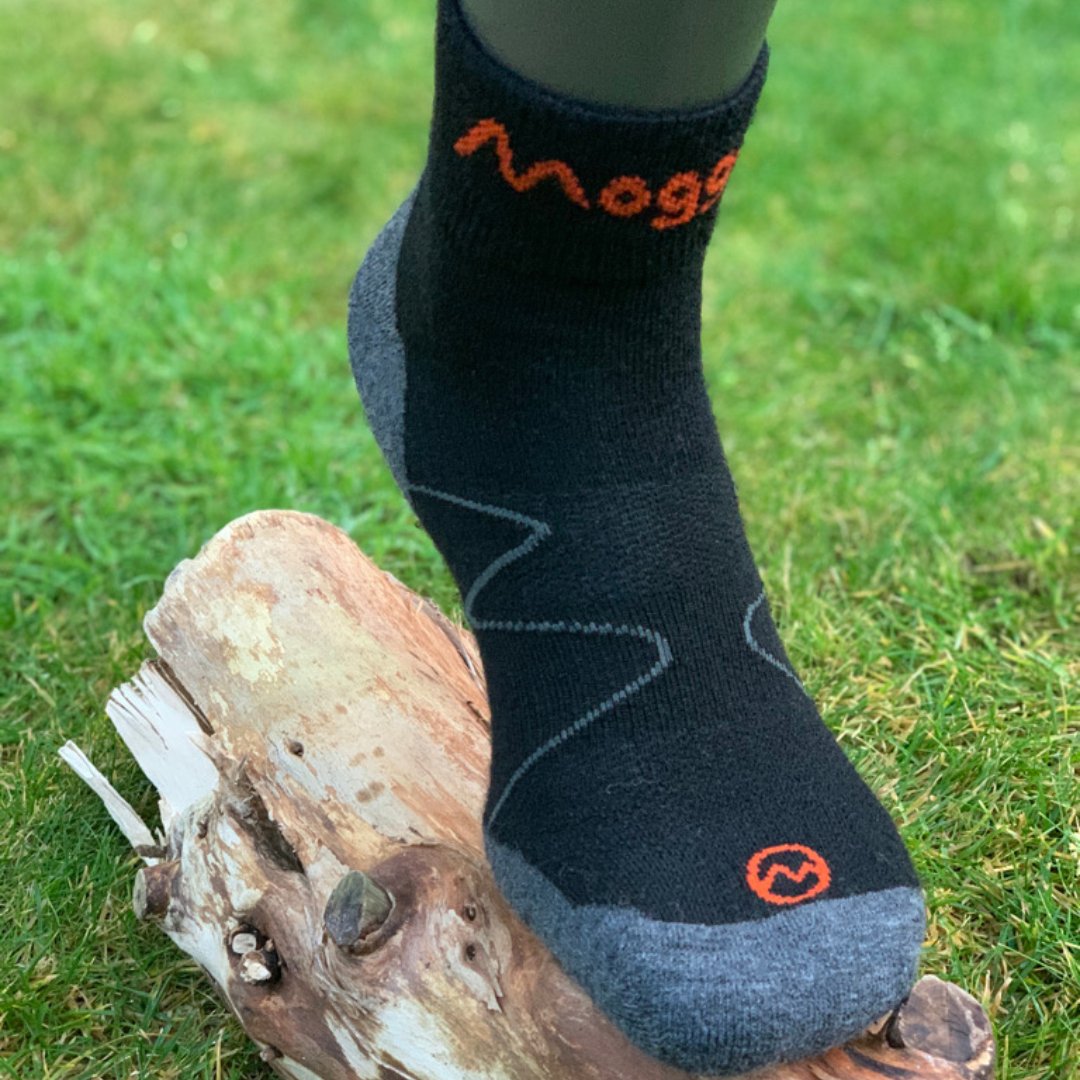
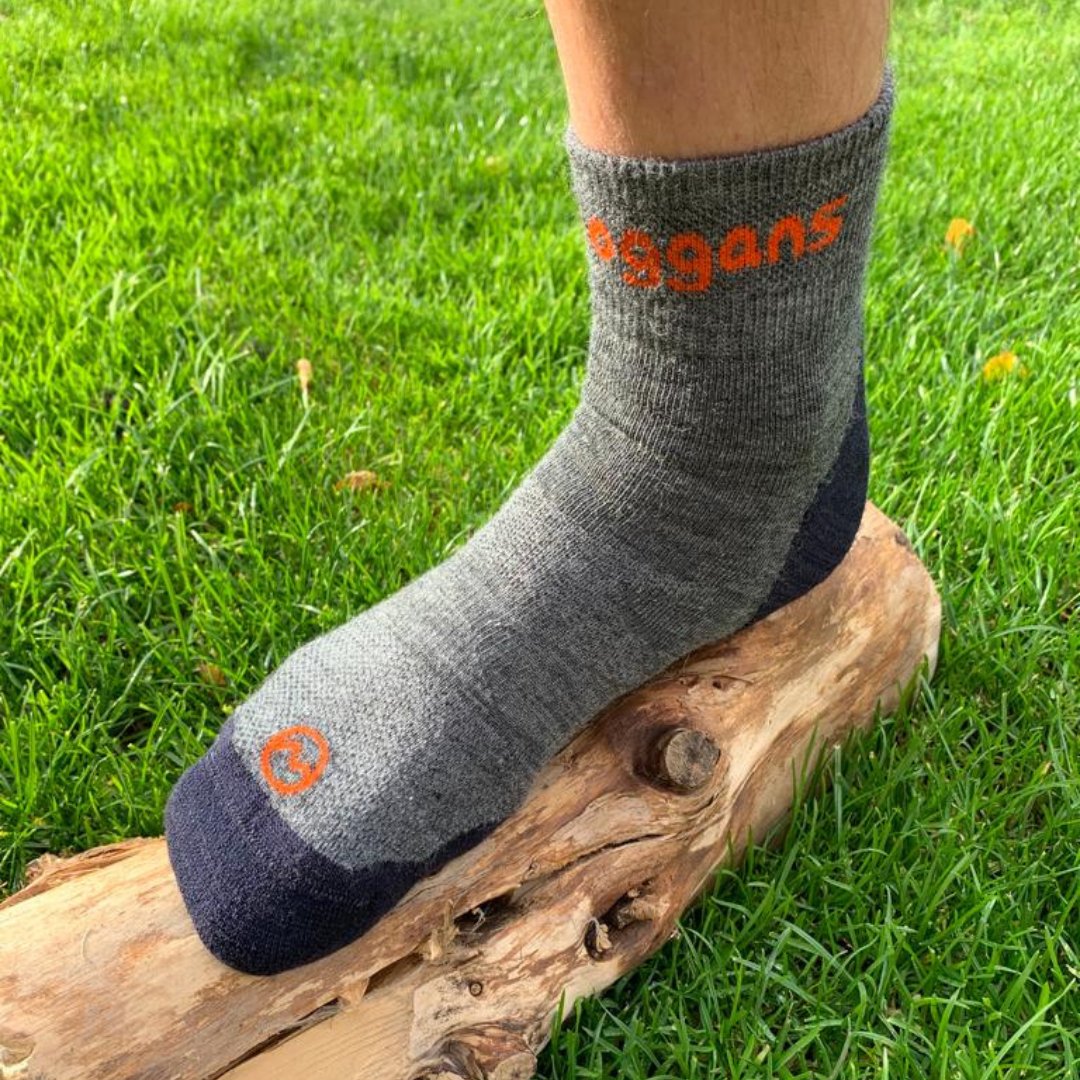
🏆 Best brands: Darn Tough, whose whole proposition is this, and Moggans, who reinforce toe and heel as standard.
2. The Slack Cuff, Death Without A Hole
This is the failure nobody counts. The sock is intact. It just will not stay up any more, so it spends the day concertina-ing into your shoe and you quietly stop wearing it.
What has happened is that the elastane has given up, and the main thing that kills elastane is heat: hot washes, and above all the tumble dryer.
🧨 How common: very. It is probably the reason half your drawer is technically fine and functionally dead.
🛠 Fixable? No.
💡 Smart fix: 30°C, and never tumble dry. This single habit will add years to every sock you own, including the cheap ones.
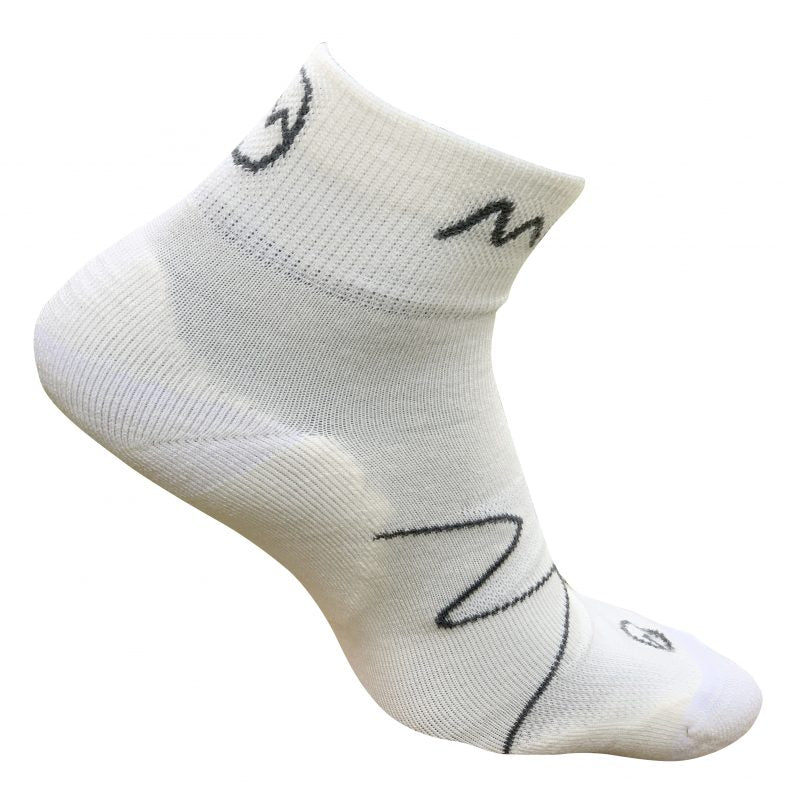
🏆 Best brands: Moggans build elastane rib support across the mid-foot rather than relying on the cuff alone.
3. Toe-Seam Rub, The Hole That Starts On The Inside
A thick seam across the toes is a ridge of yarn sitting against your skin inside a shoe. It rubs you, and it rubs itself, and eventually one of you gives.
🧨 How common: moderate, but it is the reason a lot of otherwise-good socks fail early.
🛠 Fixable? No, it is a design decision made before you bought them.
💡 Smart fix: look for a true seamless toe. You can feel the difference immediately, which is a rare thing in sock buying.
🏆 Best brands: Darn Tough knit a genuinely seamless toe across the range.
4. Felting and Shrinkage, The Permanent One
Wool fibres have microscopic scales. Heat and agitation make those scales interlock, and once they have, they do not come apart. The sock is smaller now. It is smaller forever.
🧨 How common: less common than the others, but uniquely final.
🛠 Fixable? No. This is the one genuinely irreversible failure on the list.
💡 Smart fix: wash inside out, on a delicate cycle, at 30°C, with a gentle detergent. Merino needs washing far less often than cotton anyway, because it resists odour naturally.
🏆 Best brands: any decent merino will survive this if you let it.
5. Moths, Not The Sock's Fault
Moth larvae eat protein fibres, and wool is a protein fibre. They are particularly drawn to wool that has been worn and put away without washing, because the traces we leave on it are part of the appeal.
🧨 How common: seasonal, and devastating when it happens.
🛠 Fixable? Small holes darn well.
💡 Smart fix: store wool clean, not only worn once. That is the whole trick.
🏆 Best brands: none. This one is on us, not the maker.
So, What Can You Actually Do?
- Wash at 30°C, inside out, on a delicate cycle. The single highest-impact habit on this page.
- Never tumble dry wool socks. Heat is what kills the stretch.
- Buy fewer, better, and wear them in rotation. Socks recover between wears. A drawer of eight good pairs outlasts a drawer of twenty cheap ones by more than the maths suggests.
- Learn to darn. It takes about twenty minutes to learn and it works.
- Store wool clean over summer. Moths are opportunists.
And if your socks are going through in a few months? Look at where the hole is. If it is the heel or the toe, you bought socks that were never reinforced there in the first place.
How We Researched This (Nerd Alert)
This one is less about lab data and more about paperwork, because with socks the most honest signal available is what a brand will put in writing.
So we read the guarantees. Not the marketing copy about the guarantees, the actual terms: what is covered, what is excluded, whether you need a receipt, and whether wear and tear is quietly carved out, which is where most guarantees go to die. We looked at fibre composition and construction on every pair we stock, because reinforcement either exists in the knit or it does not. And we have a decade of hearing from customers about what failed, when, and where.
What we did not do is invent a statistic. There is no good public dataset on how long socks actually last in the UK, and rather than dress a guess up as research, we would rather just tell you that. This guide rests on guarantee terms, on construction, and on long experience of which things come back.
Our three criteria, as with every guide: how often a failure happens, how serious it is when it does, and whether the maker gives you any way to fix it.
So Which Socks Get The Buy Me Once Seal Of Approval?
Socks fail in three places, and the brands that take those three places seriously are a very short list.
Darn Tough wins, and it wins on the guarantee more than the knitting. A lifetime replacement with no receipt required is a company betting its own money that the sock will not fail, and that bet is the most reliable information you will ever get about a product. From £32.99, which is a genuinely uncomfortable number until you notice it is the last one.
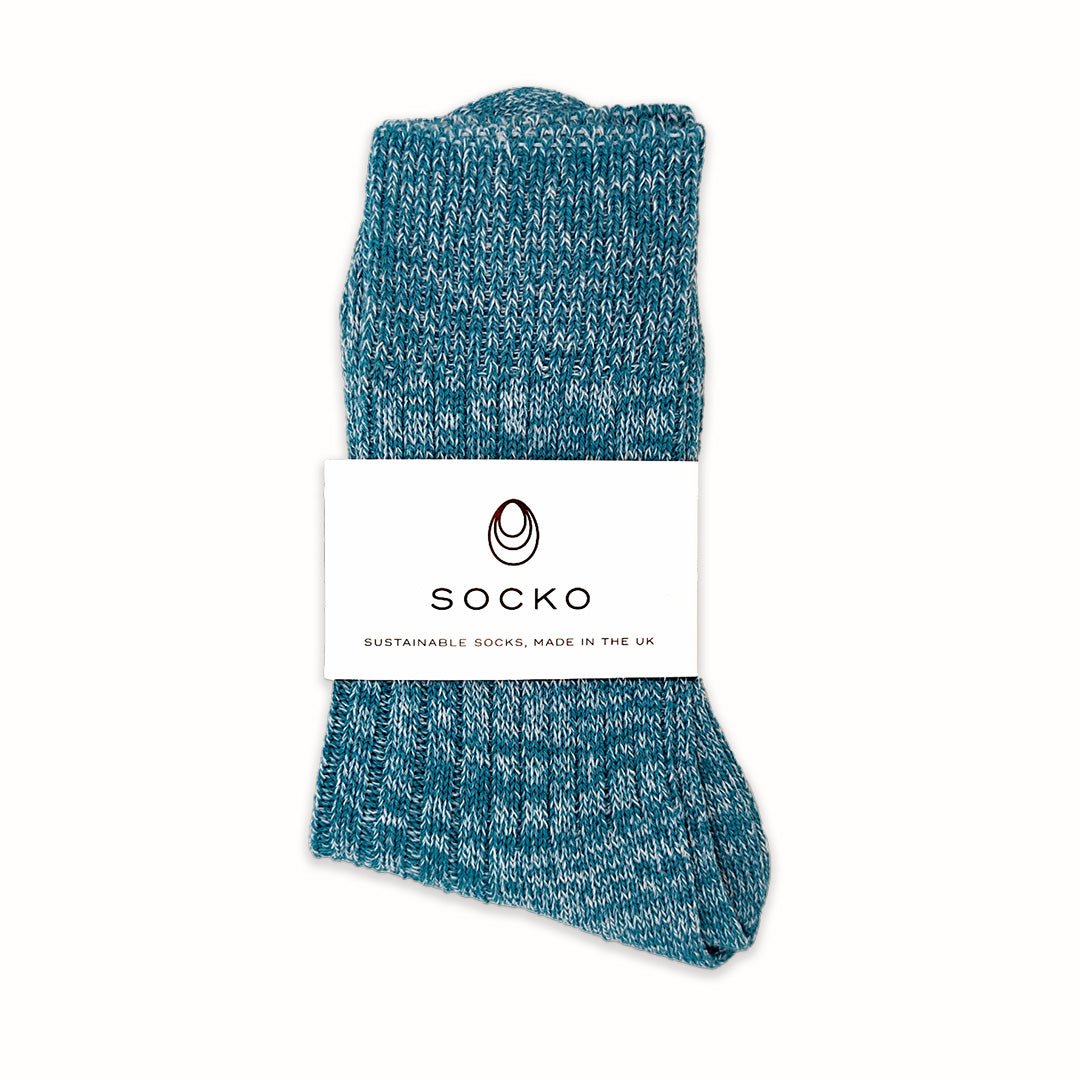
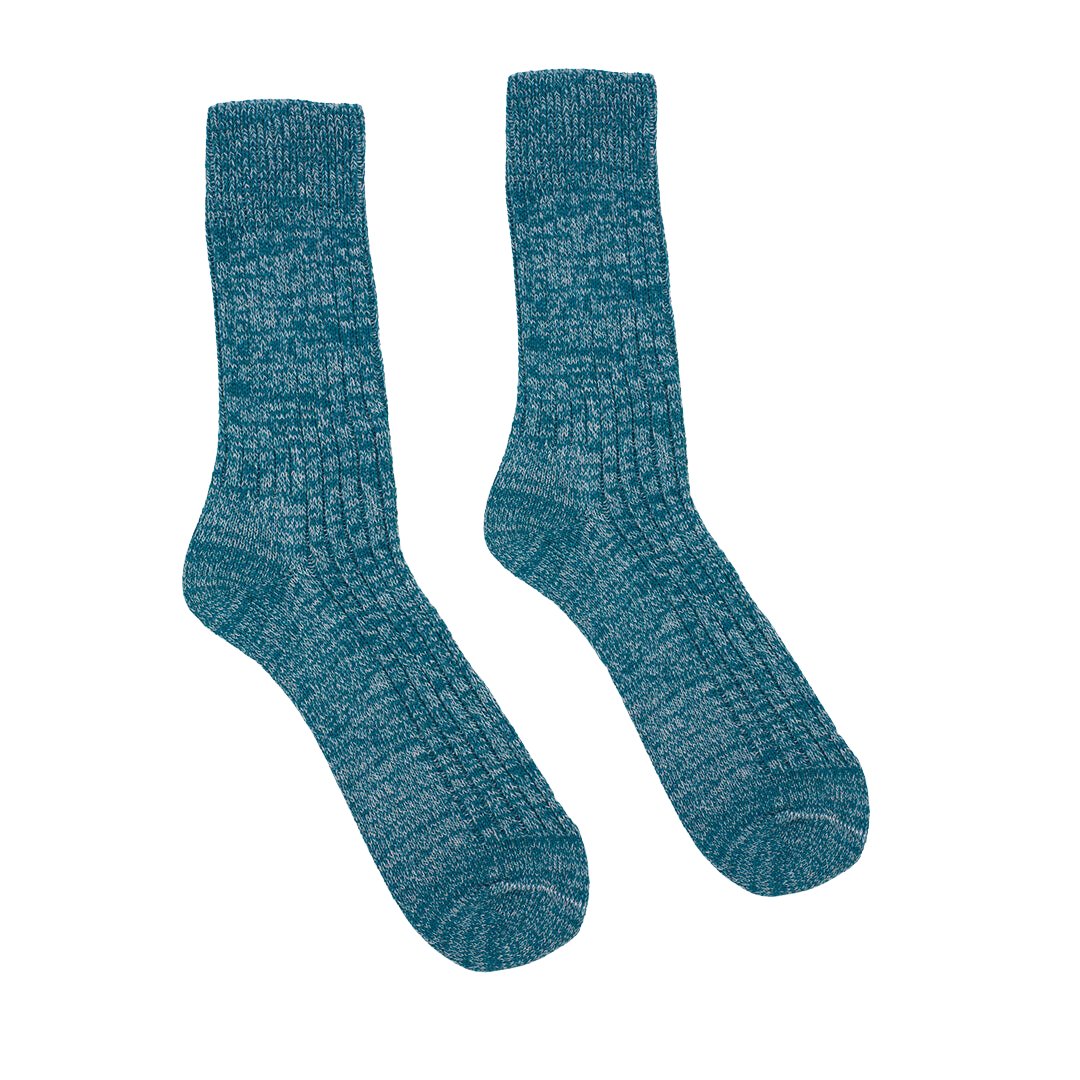
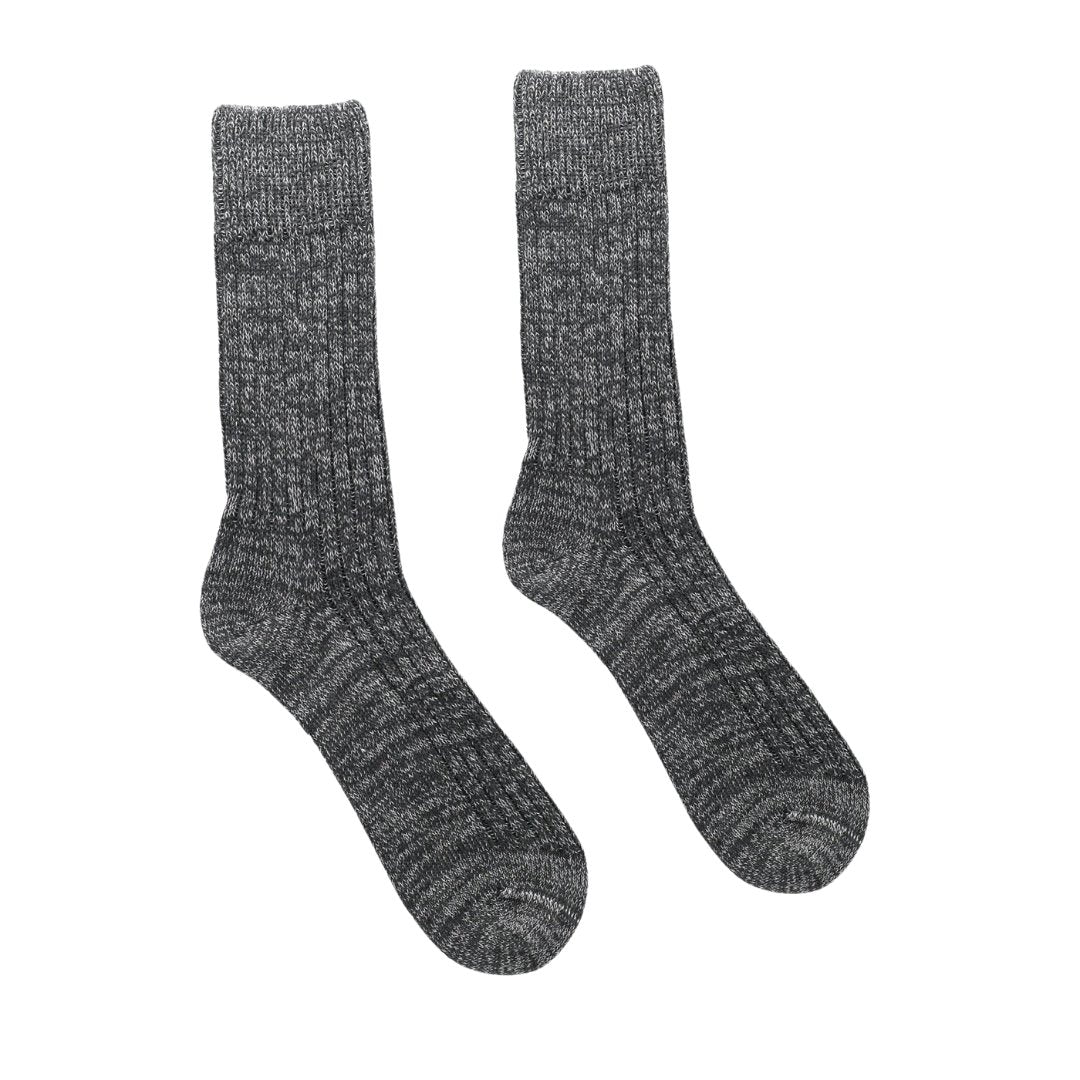
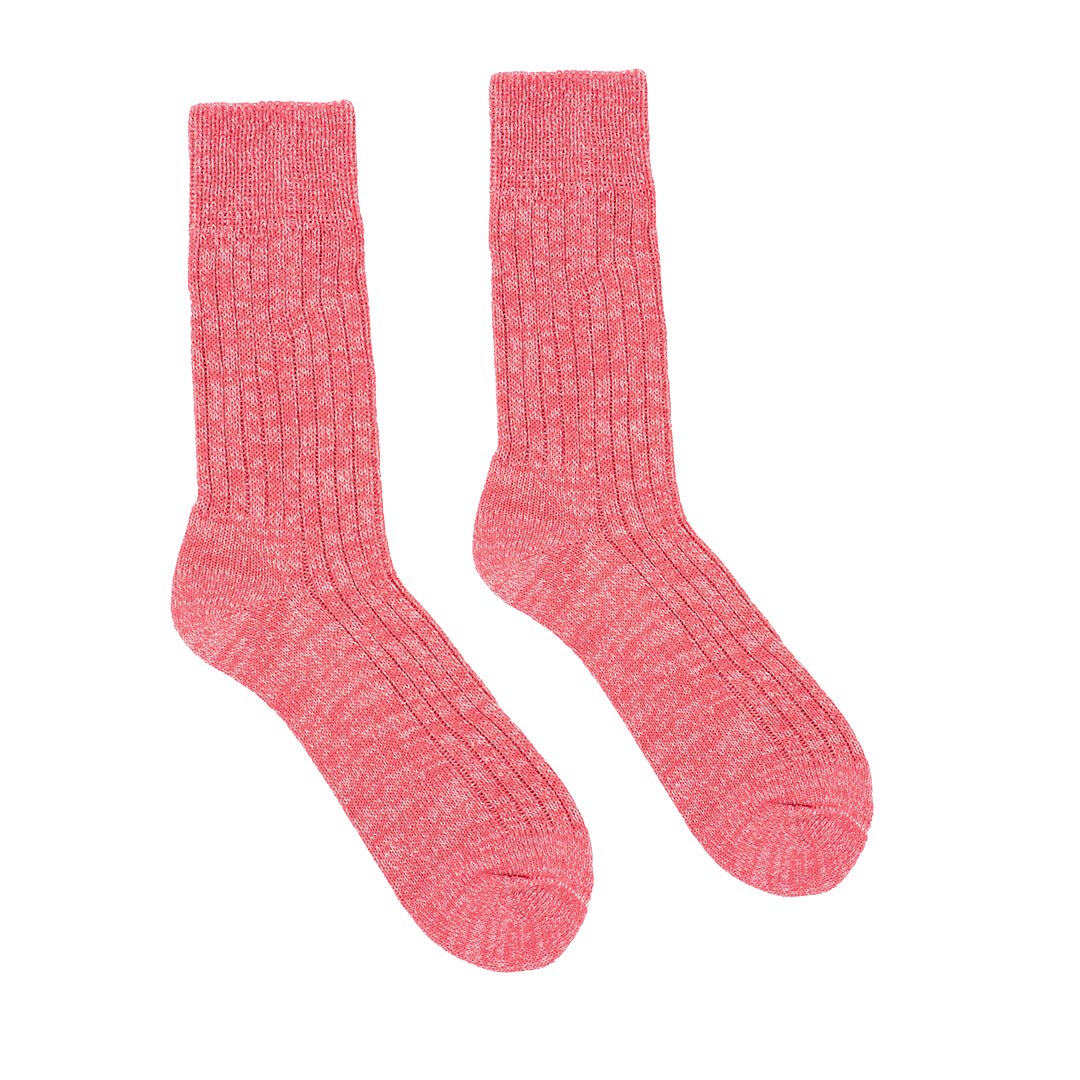
If that is more than you want to spend on socks, and that is a completely reasonable position, Moggans are the ones I would buy. From £15.99, superfine merino, reinforced where it matters, designed in Scotland, and mulesing-free. And if your priority is waste rather than lifespan, Socko's 100% recycled socks are £18 and do the job honestly.
What I would not do is buy another multipack. The cheap sock is not cheap. It is just charged to you in instalments.
x Tara
Socks That Last: Your Questions Answered
Which socks last the longest?
Darn Tough, on the strength of an unconditional lifetime guarantee that is honoured without a receipt. Reinforced heel and toe zones and a seamless toe do the physical work; the guarantee covers you if they ever fail anyway.
Are lifetime-guaranteed socks worth it?
If a pair never needs replacing, the cost per year is tiny. A £32.99 sock you keep for a decade is cheaper than five years of multipacks, and the guarantee means the maths cannot really go against you.
What makes a sock actually last?
Reinforcement where socks fail first, which is the heel and the toe, plus a cuff that keeps its stretch and a seamless toe that is not rubbing a hole from the inside.
Is merino wool durable, or just warm?
Both. Merino springs back into shape and resists odour, so it needs washing far less often, and washing less often is one of the biggest factors in how long any sock survives. Blended with a little nylon or recycled polyamide it handles years of hard wear.
Wool or cotton for durability?
Merino, for most people. It recovers its shape better, needs washing less, and handles temperature swings. Good reinforced cotton is fine for smart wear but wears thin faster.
How should I wash socks so they last?
Inside out, delicate cycle, 30°C, gentle detergent, and never in the tumble dryer. Heat is what breaks down the elastane that holds a cuff up.
Why do my socks go baggy instead of getting holes?
The elastane has degraded, usually from hot washes or tumble drying. There is no fix once it has happened, which is why the washing advice matters more than it sounds.
Can socks be repaired?
Yes, and more easily than people expect. Darning a heel or toe hole takes about twenty minutes once you have done it once. With Darn Tough you do not have to, because they will simply replace the pair.
Are recycled socks as durable as new-fibre ones?
They can be. Socko's are 100% recycled and reinforced in construction, so the durability comes from how they are built rather than what they are built from.
Do I need different socks for hiking?
The reinforcement zones and the cushioning differ, so yes if you walk seriously. Moggans Stravaiger from £23.99 and Darn Tough's midweight hiking range are both built for it.